



![[Review] SAM SAM SAM 삼삼삼 Brings Samgyetang Backed By Traditional Medicine And Korean Wellness Dining To Novena - Alvinology](https://alvinology.com/wp-content/uploads/2026/09/sam-sam-sam-korean-restaurant-02-110x110.jpg "[Review] SAM SAM SAM 삼삼삼 Brings Samgyetang Backed By Traditional Medicine And Korean Wellness Dining To Novena")

Blank spaces on a wall offer a fresh canvas for personal expression. Plain walls transform into eye-catching displays through thoughtful presentation. Artwork, vintage posters, and memorabilia deserve setups that honor their true personal value. Creative framing brings out subtle details in prints, elevating room design.
Elevate Art Displays with Floating Frames
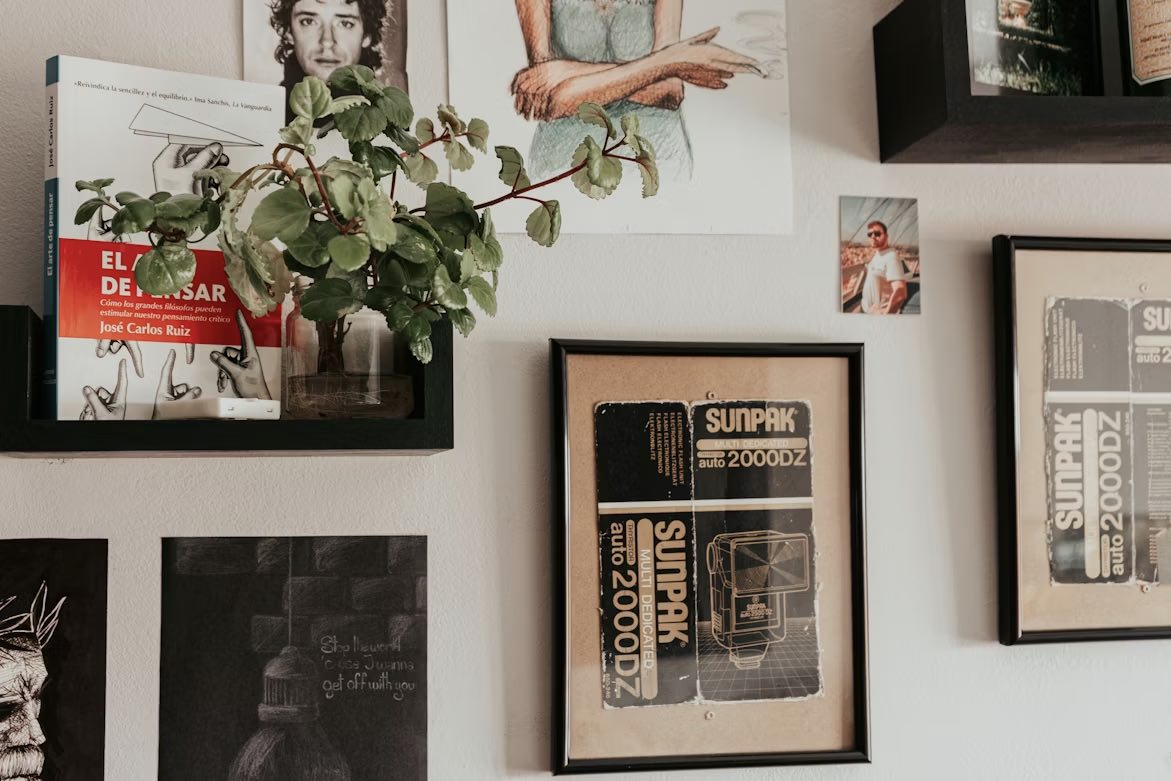
Modern interiors rely heavily on clean presentation to draw focus toward wall pieces. For anyone seeking custom sizing, folks from EasyFrame suggest relying on framing experts to build tailored displays for unique dimensions. Ordering precise dimensions online simplifies the setup process for oversized art or unconventional shapes. Proper border spacing keeps artwork centered without crowding surrounding room decor.
A popular design approach elevates flat graphics into 3D focal points. Standard canvas edges hide behind recessed borders to produce a distinct shadow boundary. Industry experts observe that float and box framing represents the top request for modern artworks. Moving art away from outer edges creates subtle dimensionality that converts pieces into visual centerpieces.
Adding subtle spacing around canvas edges creates floating visual effects. Frame depth adds architectural interest to flat surfaces in modern apartments. Decorators pair modern aesthetics with functional protection to keep collections looking crisp.
Shield Sentimental Items with Conservation Standards
Valuable items demand specialized attention to prevent wear across decades. Sunlight and humidity slowly degrade paper fibers, fading colorful inks. Experienced technicians state that conservation framing provides critical protection for priceless pieces. High-grade matting materials block acid transfer, keeping old documents pristine.
Custom enclosures form a strong barrier against everyday environmental damage. Protective setups defend art against dust, moisture, UV rays, and physical harm. Mounting hardware must support total weight to prevent accidental falls. Secure fastenings keep heavy items aligned year after year.
Archival backing boards protect paper collectibles from yellowing under heat exposure. Neutral pH mats absorb excess ambient moisture inside sealed frames.
Utilize Shadow Boxes for 3D Memorabilia
Three-dimensional collectibles require depth rather than flat picture glass. Sports jerseys, vintage coins, and rare figures fit neatly inside recessed display boxes. Framers recommend shadow boxes with UV-protective glass to stop fading in sunny rooms. Deep wooden casing provides structural support for bulky objects.
Proper casing materials safeguard delicate collector items from ambient exposure. Enclosed cases with UV-resistant shields protect graded cards, statues, and delicate finishes through extended storage. Display boxes allow objects to hang freely without touching glass walls.
Padded backings hold heavy metallic pins and memorabilia securely in position. Custom depth spacing protects physical edges from pressure marks.
Add Natural Warmth Using Timber Frames
Organic textures bring balance to stark minimalist room layouts. Natural wood finishes highlight organic grain patterns alongside modern art prints. Design professionals report that walnut, oak, and warm maple frames add depth to traditional and modern art. Warm wood tones match minimalist interiors, Scandinavian furniture, and mid-century aesthetic rooms.
Choosing appropriate wood stains depends on room color palettes. Light oak complements soft pastels, whereas rich walnut anchors bold monochromatic prints. Darker woods add grounding weight to colorful abstracts.
Selecting the Right Frame Profile
- Slim timber profiles accent clean line graphics without distracting viewers.
- Deep wooden frames add structural depth to heavy paper stocks.
- Unstained maple matches bright pastel prints in minimalist gallery rooms.
- Dark walnut borders highlight historical documents and charcoal sketches.
Smooth matte finishes tone down reflective surfaces on dark wood grains. Framing pieces with untreated timber creates an earthy display profile.
Maintain Air Gaps to Prevent Artwork Damage
Direct contact between glass panels and paper surfaces leads to severe moisture damage. Condensation traps humidity inside tight frame enclosures during hot seasons. Framing guides note that glass must never touch artwork directly. Mat boards create a safe separation distance, preventing paper from sticking.
Acrylic sheets serve as lightweight alternatives to standard window glass. Clear acrylic offers shatter-resistant strength for large wall displays. Glass coatings reduce glare under bright overhead spotlighting.
Spacers hidden under frame lips provide invisible separation without visible mats. Air circulation inside frame cavities prevents mold spots on antique paper.
Create Layered Gallery Walls for Visual Impact
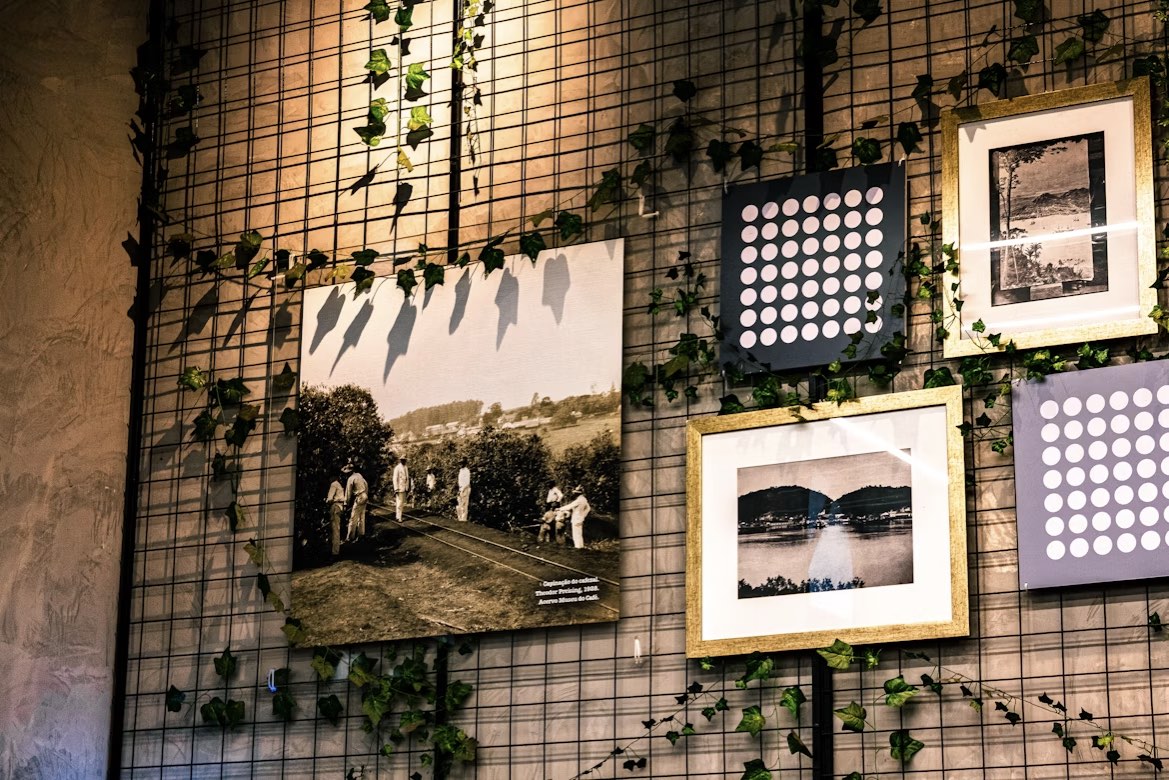
Mixing varied frame shapes adds energy to blank residential living rooms. Grouping small framed prints alongside large central art creates dynamic gallery arrangements. Spacing items 2 to 3 inches apart maintains visual balance across large walls. Unified color palettes tie varied art styles into cohesive gallery themes.
Mixing vintage photos with modern graphics sparks conversation among guests. Offset layouts break up flat wall surfaces in narrow hallways. Floating shelves allow easy swapping of framed art without adding fresh wall holes.
Paper templates taped to walls help test arrangements before drilling holes. Matching mount colors across different frame styles holds complex arrangements together nicely.
Displaying treasured collections brings personal character into living spaces. Combining protective enclosures with stylish frames shields valuable art for years. Smart choices in mats, glass, and timber transform plain rooms into curated personal galleries. Creative presentation keeps favorite memories close, elevating home interior style.




![[DISCOUNT CODE INSIDE] Need to hire a house cleaner? Helpling is the perfect app for this! - Alvinology](https://alvinology.com/wp-content/uploads/2015/07/20011857296_9c039c100f_b-1024x683.jpg "[DISCOUNT CODE INSIDE] Need to hire a house cleaner? Helpling is the perfect app for this!")