


![[Review] CLOVE’s Taste of Korea Buffet Brings Korean BBQ, Bossam and Street Food to Swissôtel The Stamford - Alvinology](https://alvinology.com/wp-content/uploads/2026/10/2026_08_20-Photoshoot27261-1-2-2-1366x768-1-110x110.jpg "[Review] CLOVE’s Taste of Korea Buffet Brings Korean BBQ, Bossam and Street Food to Swissôtel The Stamford")


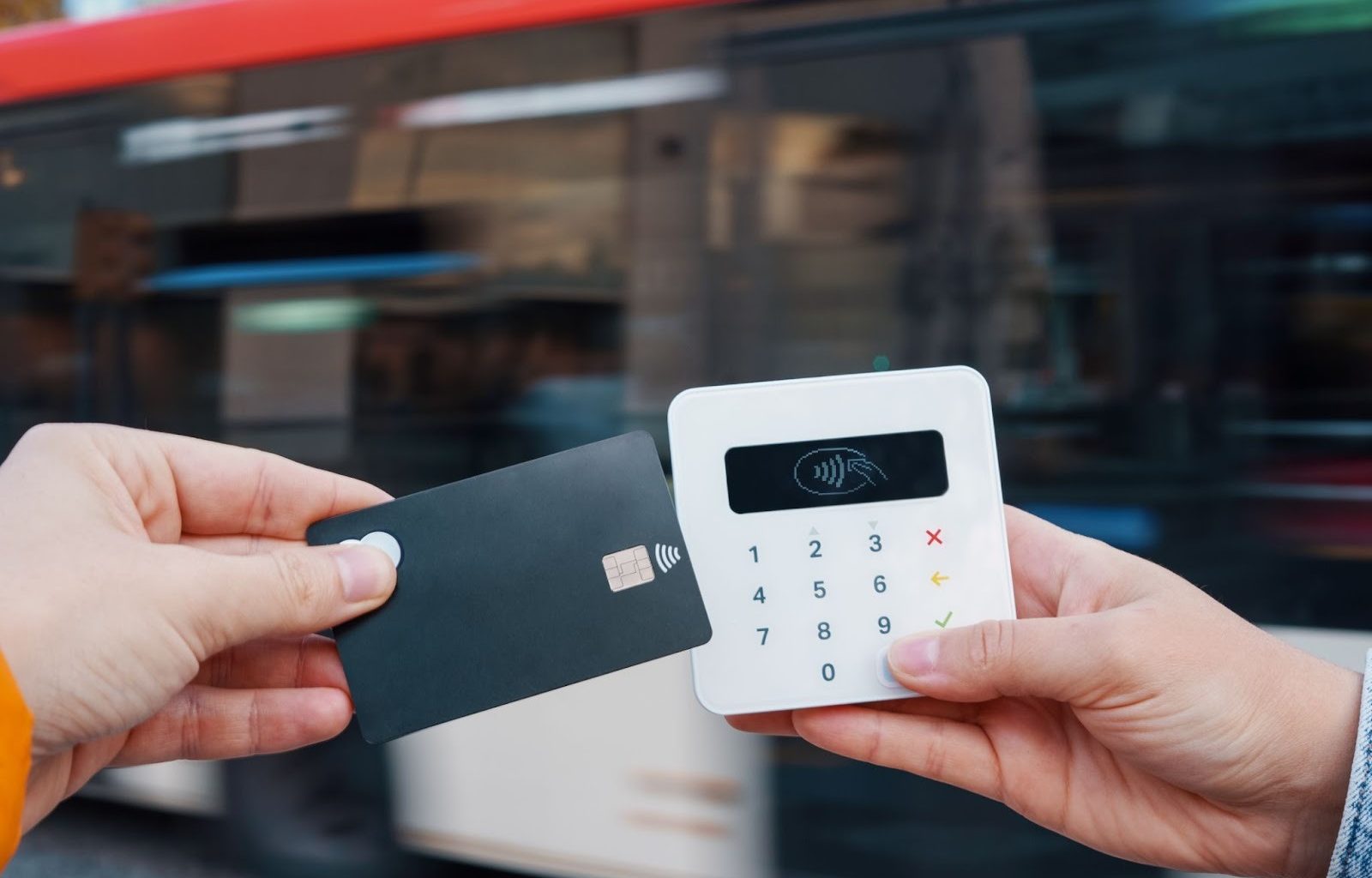

Choosing the right payment terminal affects checkout speed, customer experience, and the security of every transaction you process. This guide explains the different types of terminals, key features to evaluate, and what retailers should prioritise when selecting a credit card terminal or payment machine in 2025.
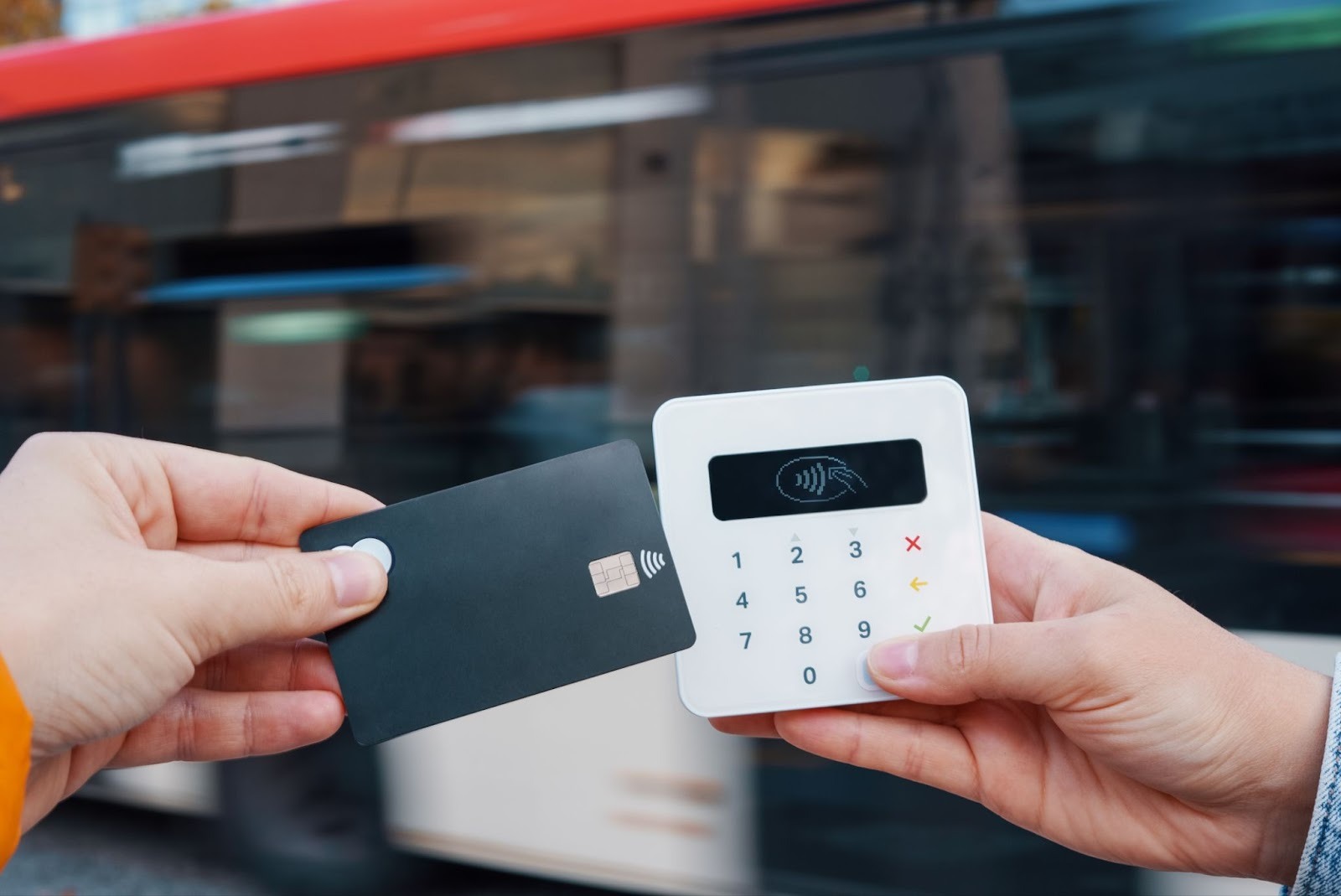
Why Your Payment Terminal Choice Matters in 2025
The payment landscape has shifted rapidly. Customers expect quick, contactless payments, digital wallets, and seamless checkout journeys. A slow or outdated payment machine can reduce conversion rates, create bottlenecks, and damage customer trust. Choosing the right payment terminal ensures your business stays efficient, secure, and aligned with modern buyer habits.
A well-selected terminal does more than just accept cards; it supports operations, improves accuracy, and enhances your overall retail experience.
The Main Types of Payment Terminals to Consider
Understanding the types of terminals available is the first step to choosing what fits your business.
1. Countertop Terminals
Stable, reliable, and ideal for fixed checkout counters. These terminals connect via Ethernet or Wi-Fi and are suitable for retail stores, cafés, and service counters with consistent transaction volumes.
2. Mobile Payment Terminals
Portable devices that operate using 4G, Wi-Fi, or Bluetooth. They’re best for delivery services, market stalls, and businesses that need payments on the move. Mobile terminals improve flexibility without compromising security.
3. Smart Payment Terminals
All-in-one, touchscreen devices that combine payments, POS capabilities, software apps, and reporting tools. These are becoming the go-to choice for modern retailers because they streamline operations and provide deeper insights into their business.
4. Virtual Terminals
Web-based interfaces are used for remote, phone, or online payments. Ideal for service providers or businesses that don’t require physical card readers.
Each type offers unique advantages depending on transaction volume, mobility needs, and your overall customer workflow.
Core Features Every Business Should Evaluate
Choosing the right payment terminal involves looking beyond hardware. The best device for your business should meet both current needs and future expectations.
Multi-Payment Support
Ensure the terminal accepts:
- Credit and debit cards
- Contactless NFC payments
- Mobile wallets
- QR-based payment options
The more methods you support, the smoother your checkout experience becomes.
Processing Speed
Slow transactions can lead to long queues and customer frustration. Look for terminals with rapid authorisation times and stable connections.
Connectivity Options
A good payment machine should offer Wi-Fi, Bluetooth, and 4G options. Multiple connectivity methods reduce downtime and keep your checkout running.
Security Standards
Choose terminals that meet:
- PCI DSS requirements
- EMV chip compliance
- Point-to-point encryption
These standards reduce chargeback risks and protect customer card information.
POS and Software Integration
Integration ensures your payment terminal works seamlessly with inventory systems, CRM, loyalty programs, and accounting tools. This eliminates manual entry errors and strengthens reporting accuracy.
Durability and Build Quality
Retail environments can be tough on hardware. Devices should be able to withstand daily use, spills, and frequent handling without compromising their performance.
Comparing Payment Terminals vs. Credit Card Terminals
While many use the terms interchangeably, there are distinctions worth noting.
A credit card terminal typically processes card-based transactions only. A payment terminal accepts everything from cards to digital wallets and QR codes, and may integrate with POS software.
| Factor | Credit Card Terminal | Modern Payment Terminal |
| Payment Types | Cards only | Cards, contactless, wallets, QR |
| Functionality | Basic | Advanced POS tools |
| Integration | Limited | Supports POS, CRM, loyalty |
| Reporting | Minimal | Real-time insights |
| Future Readiness | Lower | High |
For most businesses in 2025, a payment terminal offers better longevity and return on investment.
Cost Factors to Consider When Choosing a Terminal
Price is an important factor, but the cheapest option may not meet operational needs. Consider the full cost structure.
Hardware Pricing
- Basic card readers: from $100
- Mobile or wireless terminals: $200–$500
- Smart terminals: $300–$800
Higher-end devices offer speed, durability, and additional functionality.
Transaction Fees
These typically include a percentage per transaction and a small fixed fee. Rates vary by provider, card type, and processing volume.
Support and Maintenance
Reliable customer support reduces downtime. Some providers offer replacement plans or 24/7 troubleshooting.
Software Licenses
Advanced features or integrations may require recurring fees. Evaluate these costs based on how much value they add to your operations.
Long-Term ROI
A terminal that reduces queue time, errors, and manual tasks often pays for itself quickly.
Practical Steps to Identify the Right Payment Terminal
Here’s a simple checklist to help narrow down your options:
- Map your customer journey
Identify where and how customers pay, and what causes friction. - Determine where the terminal will be used
Counter? Mobile? Multi-outlet? On-the-go? - Estimate your monthly transaction volume
High-volume businesses benefit from faster, durable devices. - Check for system compatibility
Ensure the terminal integrates with your POS, website, and accounting systems. - Evaluate long-term scalability
Choose hardware that supports new payment methods and software updates. - Test the ease of use for staff
A terminal should reduce training time, not add complexity.
Why Retailers Are Upgrading Their Payment Machines in 2025
Modern retail demands speed, accuracy, and convenience. Upgrading your payment terminal offers:
- Faster checkout performance
- Improved trust through secure transactions
- Support for customer-preferred payment methods
- Integrated reporting and operations tools
- Smoother staff training and reduced errors
- Stronger customer experience overall
The result is higher efficiency, stronger brand perception, and a more modern payment environment.
Final Thoughts
Selecting the right payment terminal isn’t just a technical choice; it directs how efficiently your business operates and how customers perceive you. By evaluating features, cost, security, and integration capabilities, you’ll be better equipped to choose a device that supports your operations today and into the future.
Modern payment terminals offer speed, flexibility, and powerful tools that enhance the entire checkout experience. Investing in the right solution is one of the most impactful improvements a business can make.