


![[Review] Onggii Opens 3rd Outlet at Square 2, Brings Korean Comfort Food like Gomtang and Galbi Jjim to Novena - Alvinology](https://alvinology.com/wp-content/uploads/2026/10/WhatsApp-Image-2026-10-28-at-1.51.05-AM-110x110.jpeg "[Review] Onggii Opens 3rd Outlet at Square 2, Brings Korean Comfort Food like Gomtang and Galbi Jjim to Novena")


Rugs serve both practical and decorative purposes in a home. They absorb foot traffic, protect flooring, reduce noise, and contribute to the atmosphere of a space.
Since rugs often experience daily wear, their ability to maintain structure and appearance depends heavily on the materials used during production. Material quality influences how a rug ages, how it responds to stress, and how much care it requires over time.
Understanding the relationship between materials and longevity helps buyers make informed decisions. A well-chosen rug can last for decades, retaining its function and visual appeal even in high-use areas.
The difference often comes down to fiber selection, construction methods, and how those elements interact with everyday conditions.
How Fiber Selection Influences Durability
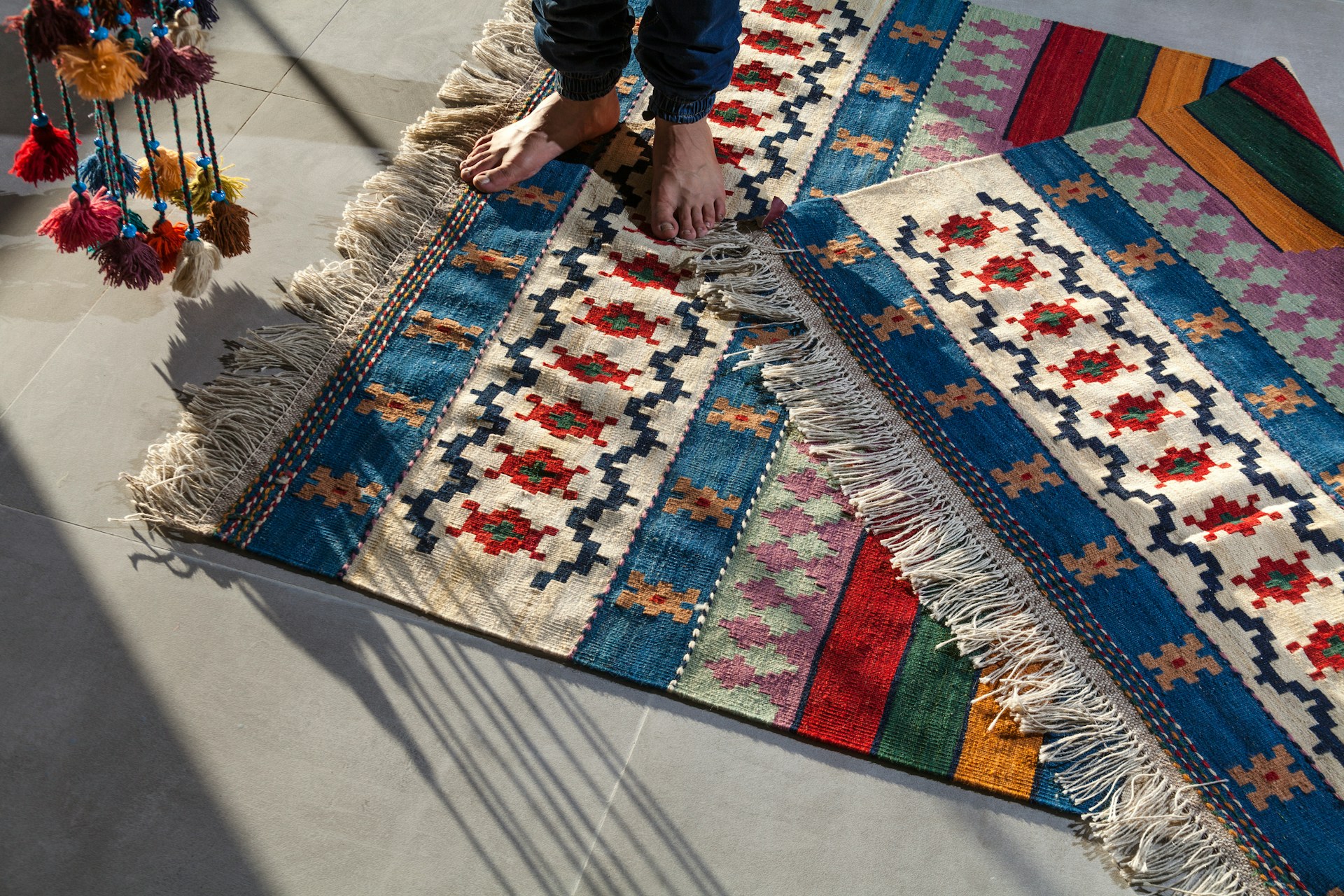
The type of fiber used in a rug directly affects how it handles pressure, friction, and environmental factors. Natural fibers such as wool, silk, and cotton each bring distinct characteristics that shape durability.
Synthetic fibers offer alternative benefits but behave differently over extended use. Wool remains one of the most resilient rug materials.
Its natural crimp allows fibers to spring back after being compressed, helping the rug maintain its shape in busy spaces. This resilience explains why Authentic Handwoven Persian Rugs are often valued for their ability to age gracefully when crafted from high-quality wool. Wool fibers resist flattening and can tolerate frequent use without rapid breakdown.
Cotton fibers are softer and more flexible, making them suitable for foundations or lighter-use rugs. Silk offers a smooth texture and refined appearance, though it requires careful placement due to its sensitivity to friction.
Synthetic fibers like nylon or polyester may resist stains but often show wear patterns sooner, particularly in high-traffic areas.
Fiber quality, not just fiber type, matters. Longer, stronger fibers tend to hold together better than shorter or weaker ones, reducing shedding and surface degradation.
The Role of Weaving and Construction Techniques
Material quality works hand in hand with construction. A durable fiber can still fail if woven poorly, and careful craftsmanship can extend the life of even delicate materials. The density of knots, tension consistency, and structural balance all affect how a rug performs over time.
Handwoven rugs often demonstrate superior longevity due to the precision involved in their creation. Each knot is tied individually, allowing artisans to control spacing and tension. This structure distributes stress evenly across the rug, reducing weak points that could unravel.
Machine-made rugs rely on speed and uniformity, which may limit customization and structural nuance. They can look appealing initially, but their backing and stitching may degrade faster under repeated use.
Construction quality influences how well a rug resists stretching, curling at the edges, and distortion from furniture weight.
How Material Quality Affects Wear Patterns
All rugs show wear eventually, though the pattern and speed of that wear vary widely. Material quality determines whether wear appears as gradual softening or as visible damage such as thinning, matting, or fiber breakage.
High-quality fibers wear down evenly, maintaining surface consistency. Lower-quality materials may shed excessively or develop bald spots. Wool fibers, for example, naturally contain lanolin, which reduces friction and protects against breakage.
Environmental exposure matters. Sunlight, humidity, and temperature changes can accelerate deterioration in inferior materials. Quality fibers tolerate these conditions more effectively, slowing fading and brittleness.
The way a rug responds to movement is another indicator. Rugs made from strong fibers tend to stay flat and stable, and weaker materials may shift or bunch more easily.
Maintenance Demands and Material Choice
Material quality influences how much effort is required to keep a rug in good condition. Some fibers naturally repel dirt, and others trap debris more easily.
Higher-quality wool releases dirt when vacuumed, preventing particles from settling deep into the pile. This characteristic reduces abrasive wear over time. Regular care involves more than daily vacuuming, as fine dust particles can act like abrasives against delicate pile structures. Investing in professional oriental rug cleaning scottsdale helps protect these materials from premature deterioration by lifting deep-seated residues. Removing embedded particulates preserves fiber tension and ensures the foundation threads maintain long-term structural integrity through changing seasonal conditions.
Cleaning tolerance varies. Strong fibers withstand professional cleaning and careful washing better than fragile ones. Low-quality materials may shrink, lose color, or weaken after repeated cleaning cycles.
Choosing durable materials reduces the risk of damage during routine care and extends the usable life of the rug.
Structural Integrity
Longevity depends on more than surface appearance. A rug’s internal structure plays a major role in how long it remains functional. The warp and weft threads form the foundation that supports the pile.
Quality foundation materials resist stretching and snapping. Cotton or wool warps tend to age more predictably than synthetic alternatives. When foundation threads fail, the rug may ripple or separate, even if the surface fibers appear intact.
Edge binding and fringe attachment further affect durability. Secure, well-finished edges prevent unraveling and protect the rug’s shape. Inferior materials in these areas often show early damage.
Strong internal construction allows a rug to be rotated, cleaned, and repositioned without compromising stability.
How Material Quality Impacts Repair Potential
Longevity includes the ability to repair damage when it occurs. High-quality materials are easier to restore since replacement fibers can be matched in texture, color, and strength.
Natural fibers accept repairs more seamlessly than synthetic ones. Wool can be reknotted or rewoven, preserving both structure and appearance. Lower-quality materials may fray or resist proper repair, limiting restoration options.
The availability of compatible fibers matters. Traditional materials have established repair methods, and modern blends may present challenges.
A rug made from durable, repair-friendly materials often remains usable long after minor damage occurs.
Cost, Value, and Long-Term Performance
Material quality affects upfront cost, though it often reduces long-term expense. Rugs made from strong fibers may cost more initially but require fewer replacements and repairs.
Evaluating value involves considering lifespan rather than price alone. A rug that maintains function and appearance for decades offers a better return than one needing replacement after a few years.
Buyers who prioritize material quality often find that their rugs develop character rather than deterioration. Natural aging, when supported by strong fibers, adds depth rather than detracting from appeal.
This long-term perspective aligns durability with sustainability and responsible purchasing.
Key Material Factors That Influence Rug Longevity
Several material-related elements consistently affect how long a rug lasts:
- Fiber type and fiber length
- Density and consistency of weaving
- Strength of foundation threads
- Resistance to environmental stress
- Compatibility with cleaning and repair
Each factor contributes to how a rug handles daily use and long-term exposure.
Why Material Quality Remains the Defining Factor
Design, color, and pattern attract attention, though material quality determines whether a rug remains part of a space for years or decades. Strong fibers, careful construction, and reliable foundations work together to support longevity.
Rugs crafted with quality materials age with stability rather than deterioration. Their surfaces soften, colors mature, and structure remains intact under normal use. This durability reflects the importance of thoughtful material selection from the beginning.
Understanding these principles allows buyers to choose rugs that balance beauty with performance, ensuring lasting value and dependable function.