





Visitors to Singapore Zoo can now catch a rare and heartwarming sight as three Sri Lankan leopard cubs make their public debut at the Wild Africa zone. The playful trio, two males and one female, were born on 1 January 2026 to mother Yala and father Asanka, marking a historic milestone as the zoo’s first-ever successful birth of the species.
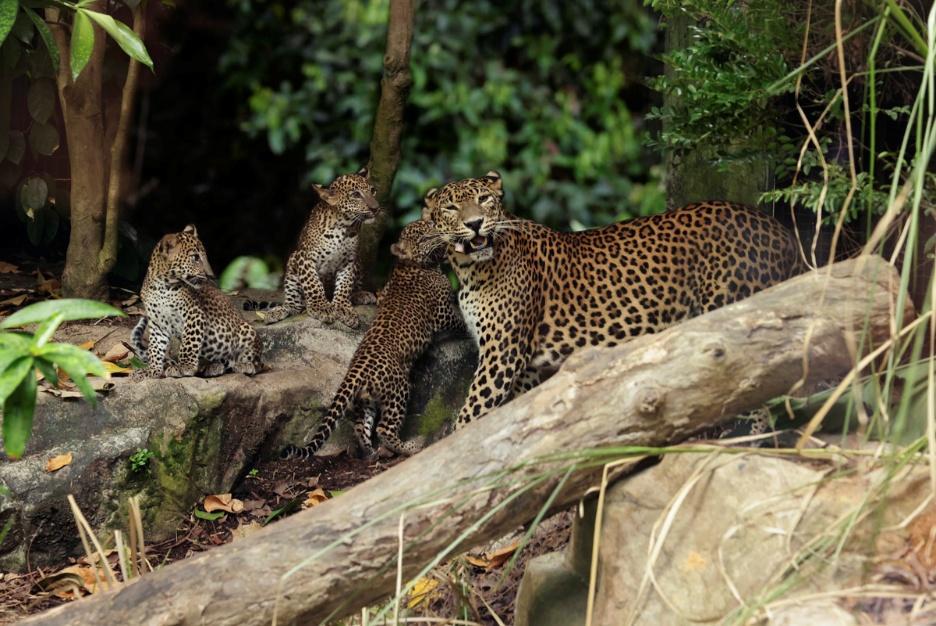
The cubs are especially significant given the rarity of Sri Lankan leopards, with only around 80 individuals housed in zoos worldwide. The last recorded birth of the species in Singapore was at Night Safari over 30 years ago.
A Boost for Conservation Efforts
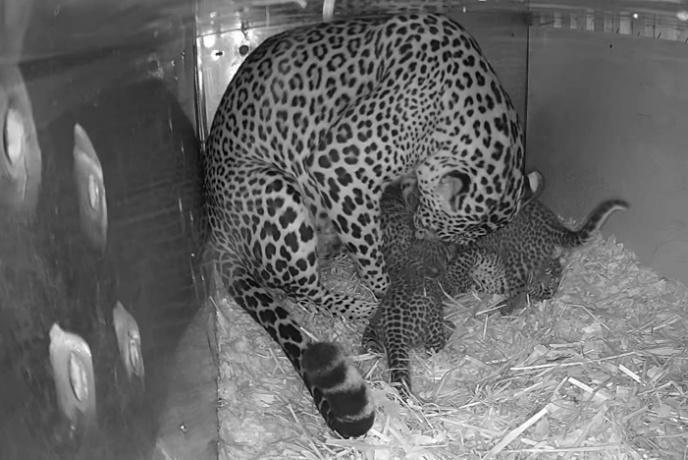
Photo credit: Mandai Wildlife Group
Classified as Vulnerable on the IUCN Red List, Sri Lankan leopards face ongoing threats from habitat loss, dwindling prey, and illegal wildlife trade. Fewer than 800 are estimated to remain in the wild, making conservation breeding programmes increasingly vital.
Yala and Asanka were paired under the European Association of Zoos and Aquaria Ex-situ Programme (EEP), an international initiative aimed at maintaining genetically healthy populations of endangered species. Yala arrived from Banham Zoo in the UK in 2024, while Asanka was transferred from Australia’s National Zoo & Aquarium in 2025.
Carefully Managed Breeding Journey
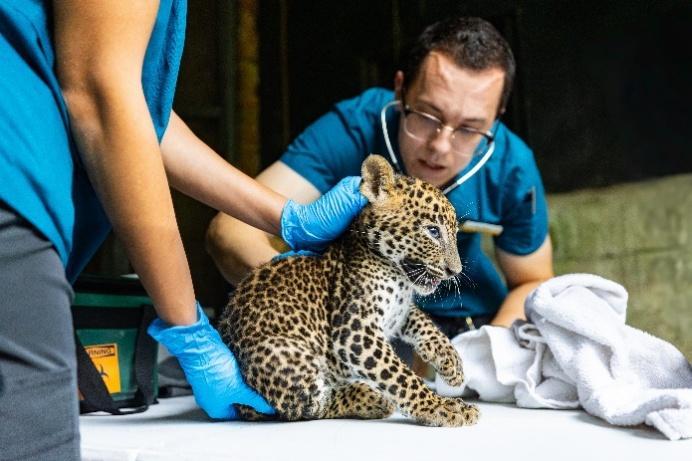
Photo credit: Mandai Wildlife Group
The pair’s introduction was gradual and closely monitored by animal care teams. Initial visual contact was followed by shared space rotations to allow scent familiarisation. After positive behavioural cues, the pair was introduced physically in September 2025, with mating occurring shortly after.
Yala’s pregnancy was confirmed in October, with regular ultrasound monitoring leading up to the birth. In preparation, she was moved to a quiet, off-exhibit den with a nesting box to ensure a calm and safe environment.
An experienced mother, Yala has been attentively caring for her cubs since birth.
Growing Cubs and Natural Development
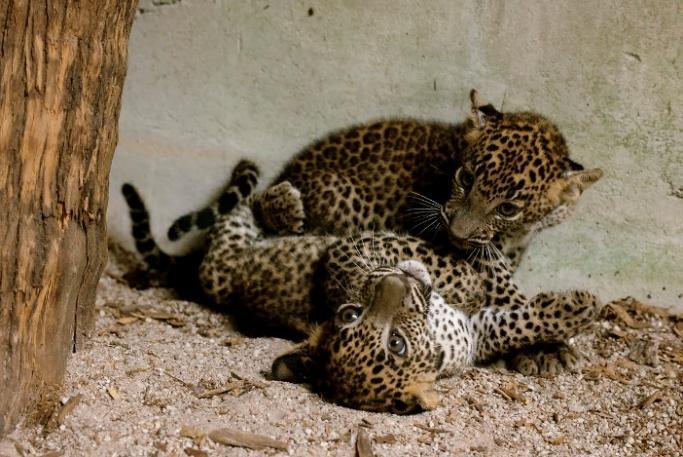
Photo credit: Mandai Wildlife Group
Now over three months old and weighing around 5kg each, the cubs are growing steadily and becoming more confident in their environment. Visitors can often spot them playfighting, exploring, or resting together, behaviours essential for building social and survival skills.
The cubs have also begun transitioning to a partial meat diet, helping them develop feeding instincts such as chewing and scent recognition. They are expected to be fully weaned by around five months of age.
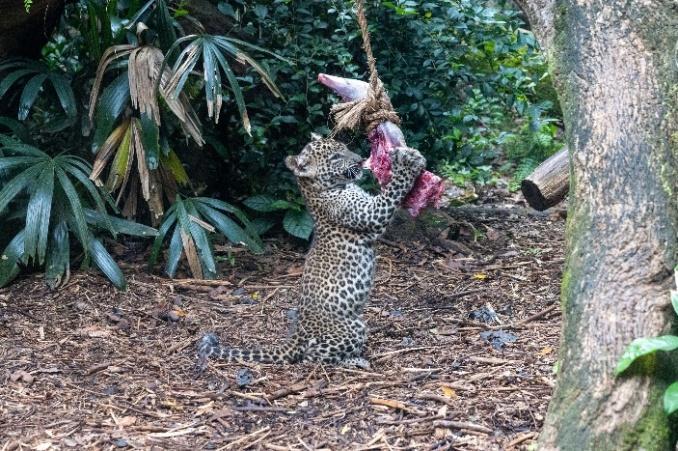
Photo credit: Mandai Wildlife Group
Their first veterinary check in February confirmed that all three are in good health, with vaccinations and preventive treatments administered as part of routine care.
Catch Them While You Can
The cubs will be visible alongside their mother daily until mid-May, after which they can be seen on selected days: Wednesdays, Saturdays, and Sundays.
Their names are set to be announced soon in collaboration with sponsor Haw Par.


![[PROMO CODE INSIDE] Vietjet’s Business & SkyBoss tickets are now on sale for 50% OFF - Alvinology](https://alvinology.com/wp-content/uploads/2023/09/Vietjet-cabin-crew-1024x683.jpg "[PROMO CODE INSIDE] Vietjet’s Business & SkyBoss tickets are now on sale for 50% OFF")