





Varicose veins—those enlarged, often bulging veins commonly found in the legs—can be more than just a cosmetic concern. This common condition affects many individuals, leading to discomfort and potentially serious health issues if left untreated. Consulting a qualified vein doctor can provide an accurate diagnosis and personalized treatment plan, empowering individuals to take control of their vascular health and improve their quality of life. In this text, we will explore the symptoms, causes, and treatment options for varicose veins, and highlight preventive measures and lifestyle changes that can make a meaningful difference.
Understanding Varicose Veins
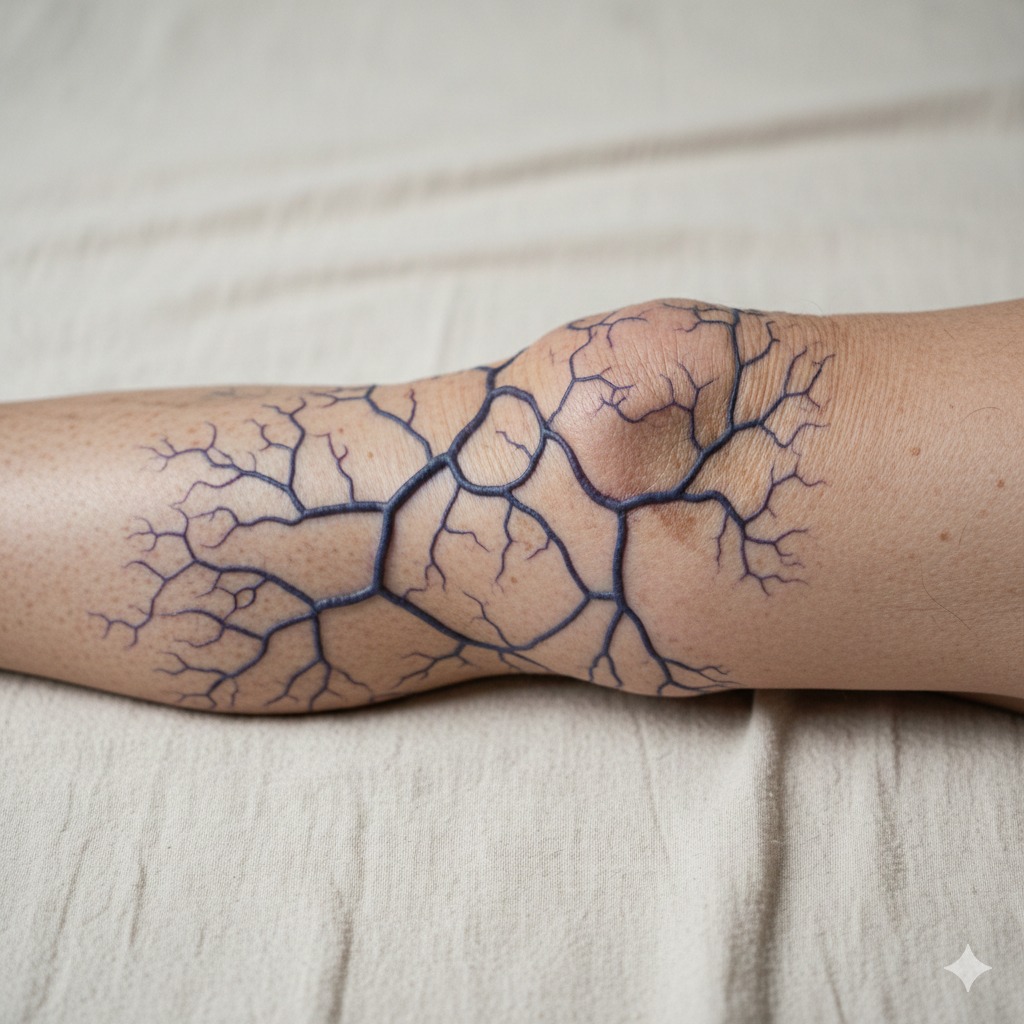
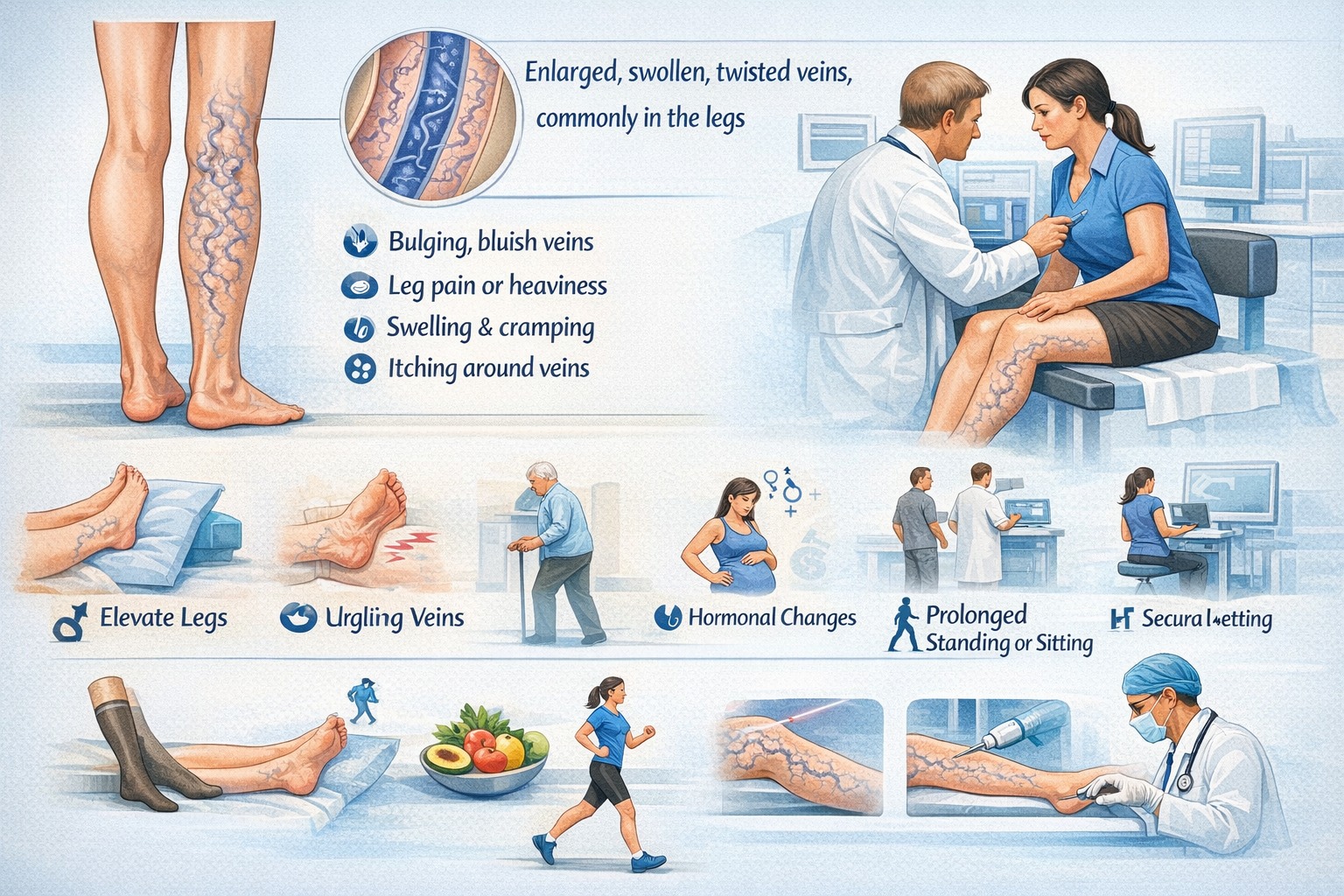
Varicose veins occur when veins become enlarged, swollen, and overfilled with blood. They often appear blue or dark purple and typically develop in the legs due to increased venous pressure.
Symptoms of Varicose Veins
Common symptoms include:
- Visible, bulging veins
- Achy or heavy feeling in the legs
- Swelling in the legs, especially after standing for long periods
- Cramping or itching around the affected veins
While some individuals may not experience significant symptoms, the physical appearance of varicose veins can cause concern or embarrassment, prompting many to seek solutions.
Causes of Varicose Veins
Several factors contribute to the development of varicose veins:
- Genetics: A family history of varicose veins increases the likelihood of developing them.
- Age: As people age, their veins may lose elasticity, resulting in a higher risk of varicosities.
- Hormonal changes: Fluctuations in hormones, particularly during pregnancy, menopause, or hormone therapy, can contribute to vein issues.
- Occupational factors: Jobs that require prolonged standing or sitting can elevate the risk of varicose veins due to sustained pressure on the leg veins.
When to Seek Medical Treatment
Not every case of varicose veins necessitates treatment, but certain indicators can signal the need for medical attention.
Indicators for Treatment
Individuals should consider seeking treatment if they experience:
- Persistent pain, swelling, or discomfort in the legs
- Skin discoloration or sores near the varicose veins
- Episodes of bleeding from varicose veins
These symptoms can indicate that the condition is worsening and that professional evaluation is necessary, as pooling blood in lower leg tissue often requires specialized venous stasis pigmentation treatment in Singapore to clear stubborn skin darkening before ulcerations form.
Severity Levels of Varicose Veins
Medical professionals categorize varicose veins by their severity. Mild cases may only require lifestyle modifications, while more advanced levels may need intervention. The severity can range from simple cosmetic issues to more serious conditions that affect blood flow, leading to complications such as thrombophlebitis or chronic venous insufficiency.
Home Remedies and Lifestyle Changes
Simple lifestyle adjustments can play a crucial role in managing varicose veins and even preventing their progression.
Preventing Varicose Veins
To decrease the risk of developing varicose veins, individuals can:
- Elevate the legs: Propping up the legs can help reduce swelling and improve blood circulation.
- Wear compression stockings: These garments apply pressure to the legs, promoting better blood flow.
- Avoid long periods of standing or sitting: Taking breaks to move around can alleviate pressure on the veins.
Regular Exercise and Weight Management
Engaging in regular exercise or physical activity can have numerous benefits for vascular health. Activities such as walking, cycling, and swimming improve circulation and help maintain a healthy weight, both of which are crucial in managing varicose veins.
Dietary Considerations
A balanced diet rich in fiber and low in salt can contribute to vein health. Foods like leafy greens, whole grains, and fruits can prevent constipation, which may otherwise increase pressure in the veins.
Conclusion
Varicose veins can significantly impact one’s comfort and self-esteem, but understanding when and how to seek treatment can lead to effective management. Whether opting for medical treatment or implementing lifestyle changes, addressing varicose veins through informed actions can improve both leg health and overall well-being. Individuals experiencing symptoms should consult a healthcare professional to explore suitable options, ensuring they receive the care necessary to maintain their vitality.