





TikTok has introduced a redesigned Family Pairing experience to give parents greater visibility into how their teenagers use the platform, with new insights covering screen time, social interactions, content interests and public posts.
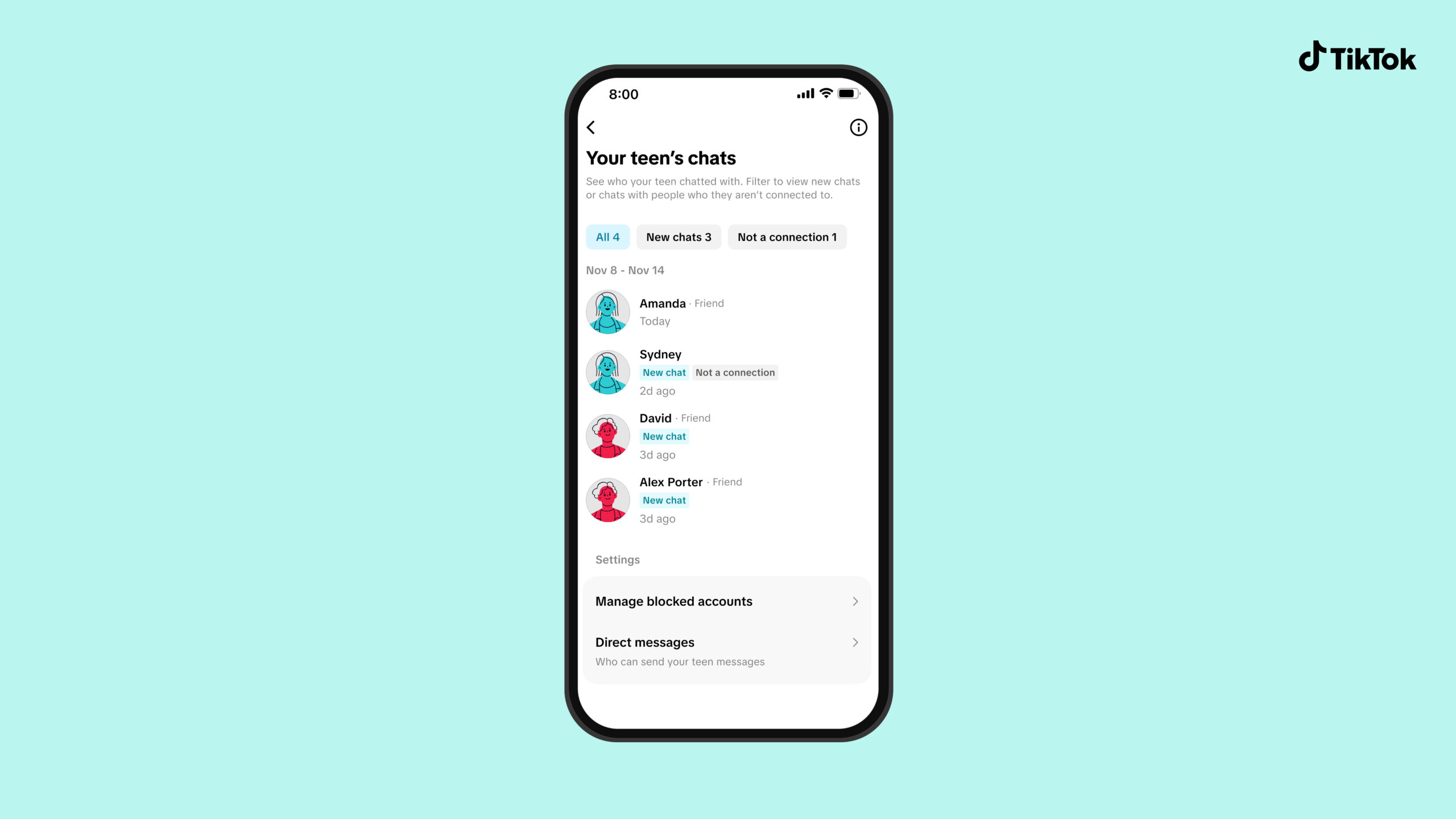
The updated feature is designed to help parents better understand their teens’ online activities and make informed decisions about whether to adjust settings or have conversations about their digital habits. The redesigned dashboard is also available through web browsers, giving parents the option to access the tools from a computer.
Screen time is now the first insight displayed on the dashboard, making it easier for parents to review their teen’s average daily usage, night-time activity and time management settings. Parents can also see changes in their teen’s follower and following counts, view the accounts they are connected with and check which accounts have been blocked. TikTok plans to introduce another feature in the coming months that will allow parents to see who their teen is messaging on the platform.
The updated Family Pairing experience also provides a sample of content from verified creators followed by their teen, offering parents a glimpse into the communities and topics influencing their experience. TikTok said more than 80% of parents of teenagers it consulted expressed interest in this type of feature.
Another addition allows parents to see what their teen has posted publicly each week, together with the number of views those posts received.
TikTok said the redesign was developed around three principles: making information clear and useful, providing context to help parents understand their teen’s experience, and respecting young people’s privacy. More than 70% of parents consulted said they wanted tools that could help them start conversations with their teens, rather than simply control their online experience.
The insights are updated daily, allowing parents to track changes over time and decide whether to make adjustments through the dashboard or discuss concerns with their children.
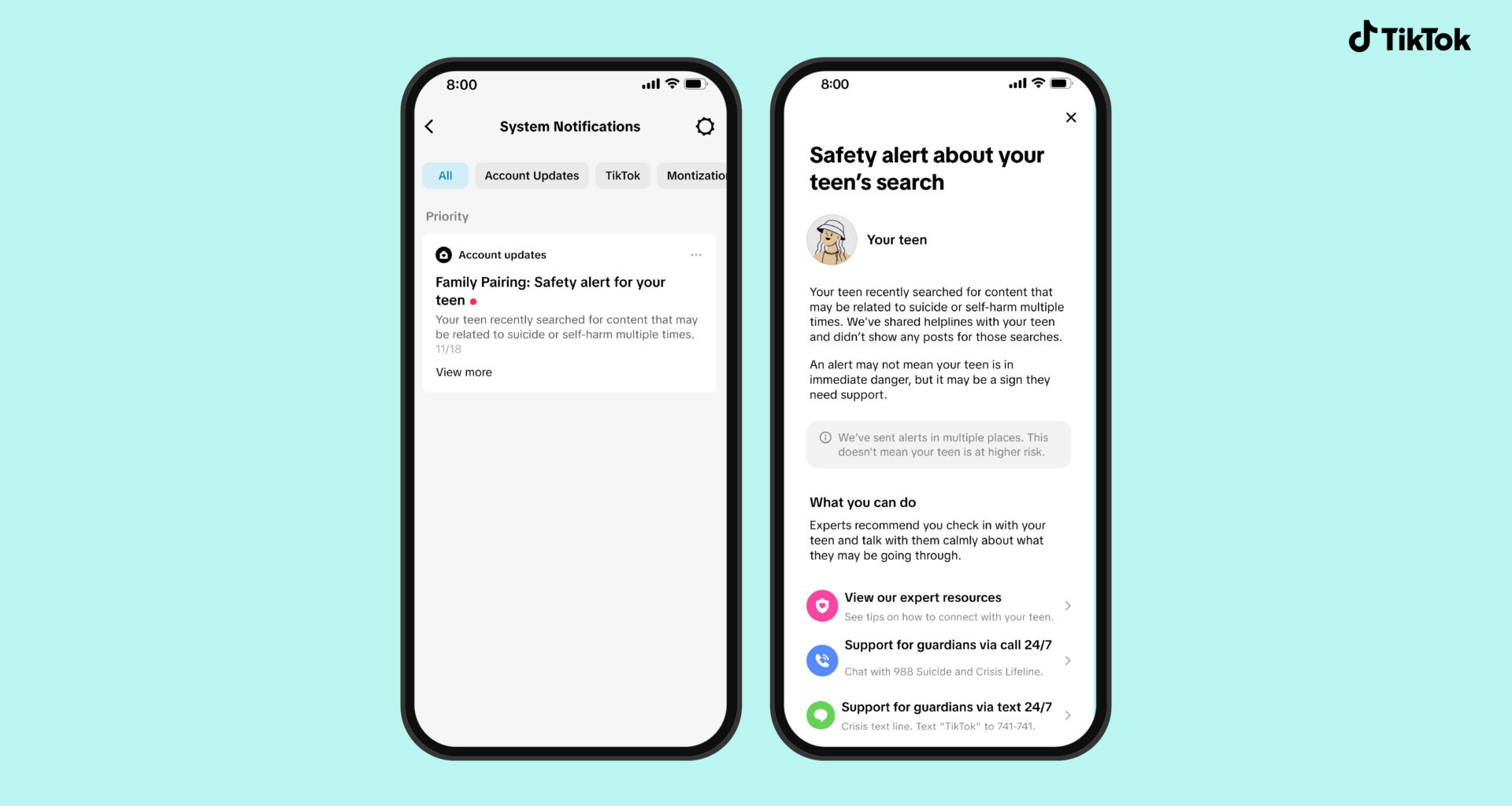
The platform is also working on a new parental alert for repeated searches involving known terms related to self-harm. Developed in consultation with experts, including the Digital Wellness Lab at Boston Children’s Hospital and Dr Dan Reidenberg, Founder and Director of Safe Online Standards and Affiliate Faculty at the Johns Hopkins Center for Suicide Prevention, the alert is intended to notify parents when their teen may have repeatedly searched for potentially harmful content.
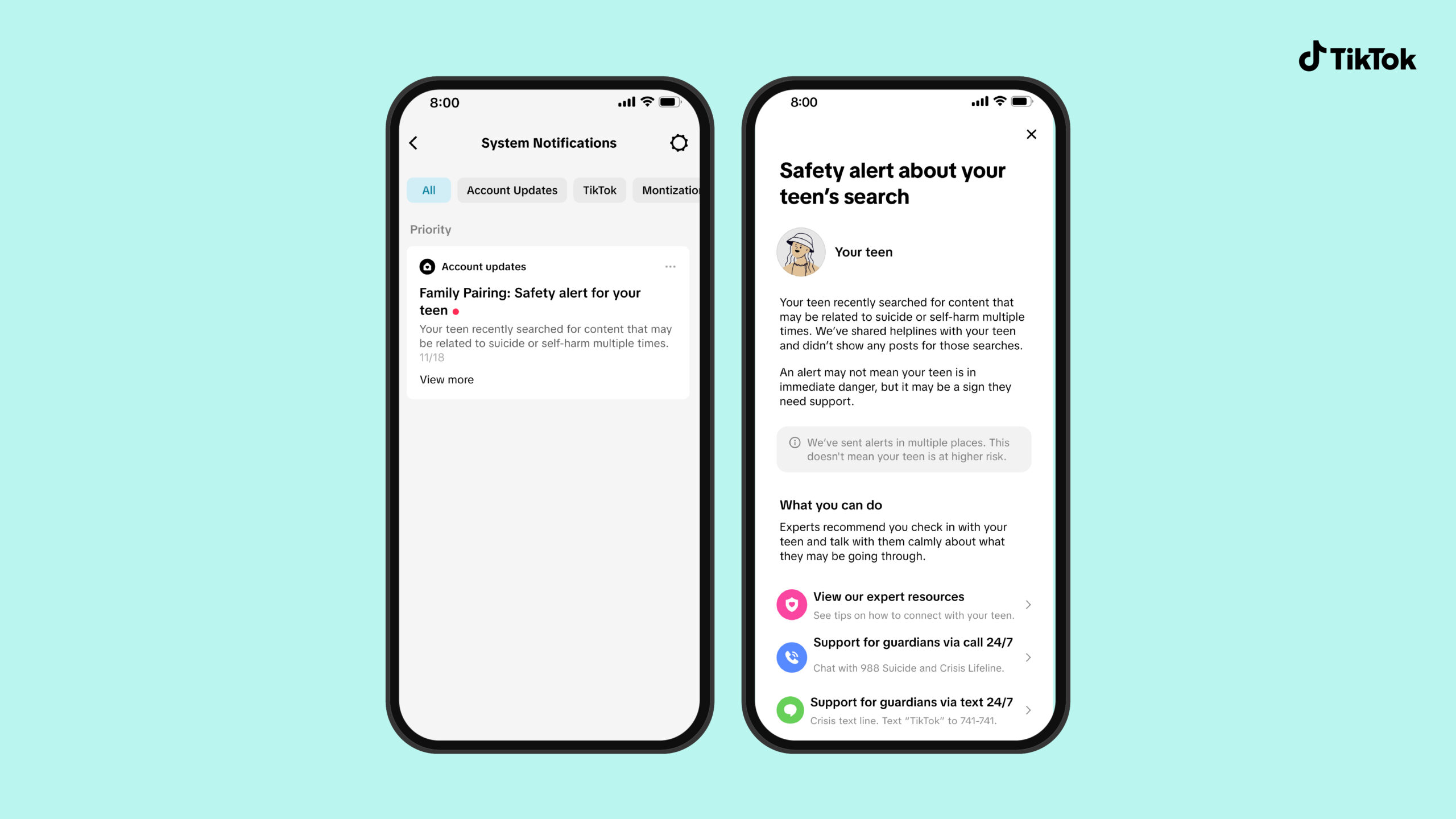
The notification will include expert-backed guidance to help parents check in with their children and approach conversations about their online activity thoughtfully.
TikTok has also launched an Educator’s Guide to support teachers in helping young people navigate the digital world. Developed in consultation with teachers and youth safety experts, the resource brings together information about how TikTok works, classroom materials and guidance on discussing online safety, digital well-being and media literacy with students and families.
The company said additional classroom resources will be added to the guide in the coming weeks.
The redesigned Family Pairing builds on TikTok’s existing protections for teen accounts, which include preset privacy and security settings, private accounts and age-appropriate content policies. Teen accounts also have a default daily screen time limit of 60 minutes.