




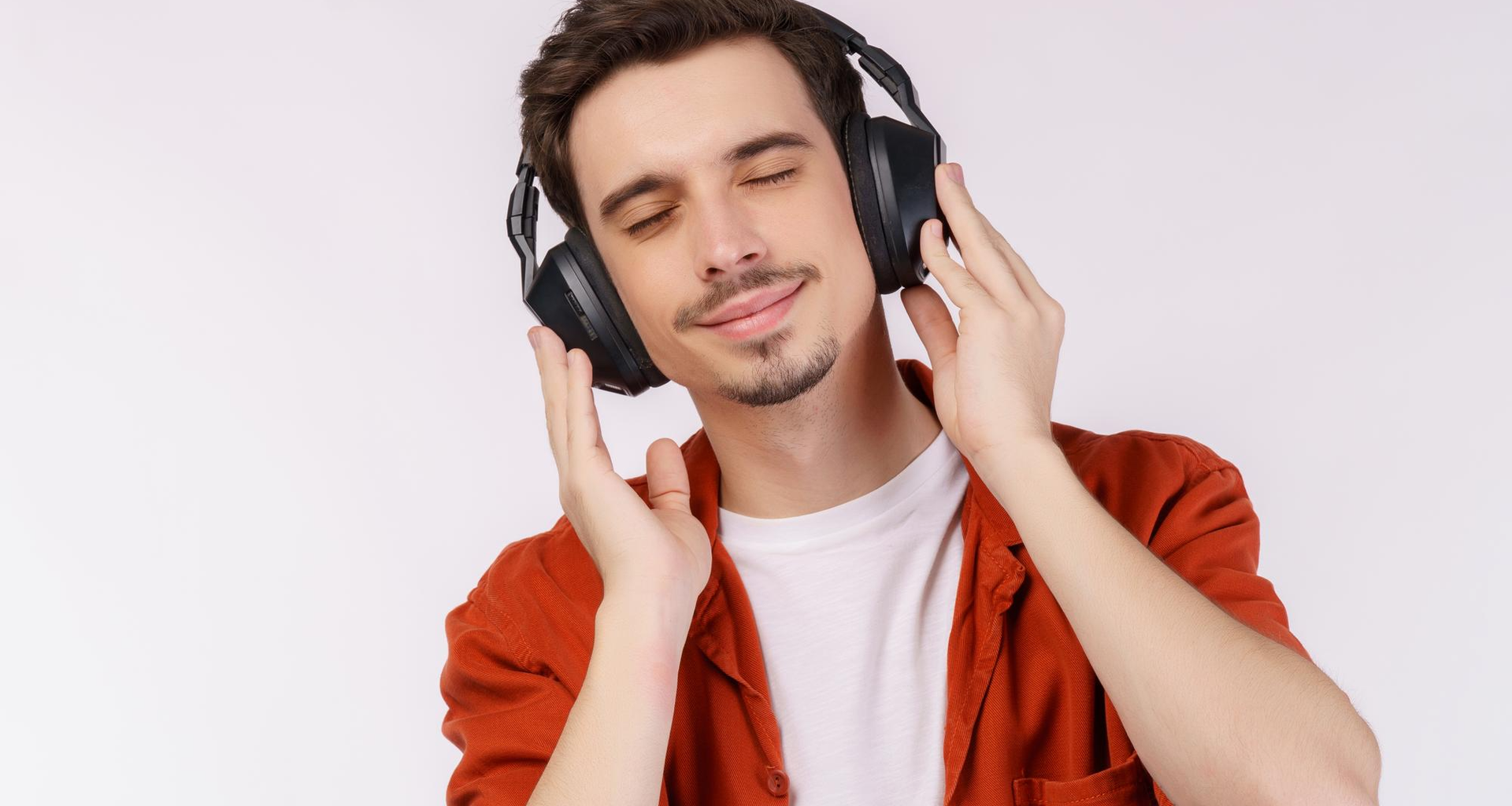

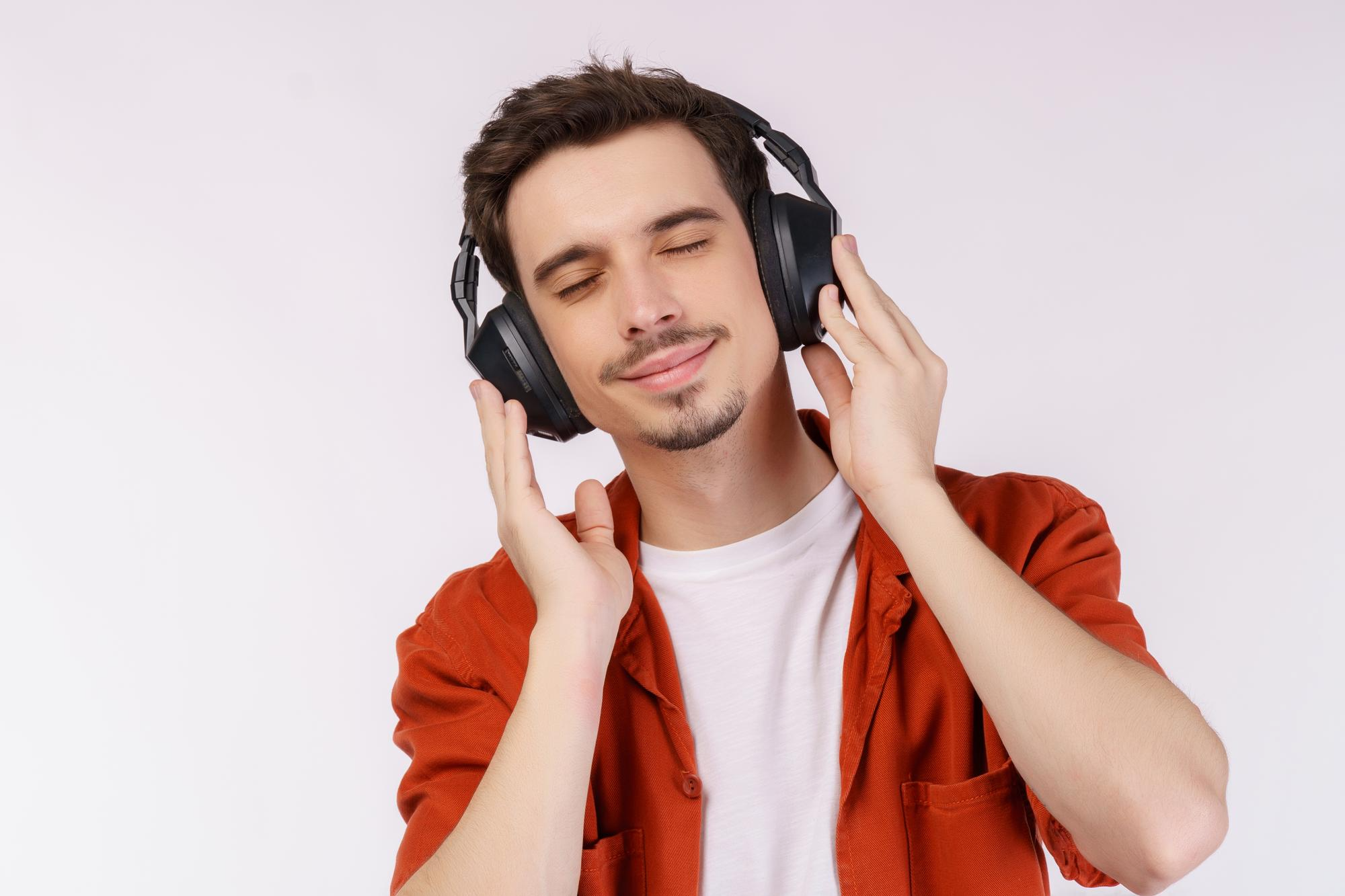
Noise-cancelling headphones have become a practical choice for people who want to reduce unwanted sounds while listening to music, watching videos, working, or travelling. Unlike standard headphones, noise-cancelling models use technology designed to minimise surrounding noise, helping users focus on their audio without constantly increasing the volume.
With many models available, choosing the right pair requires more than simply comparing prices or appearance. Several factors can affect comfort, sound quality, battery life, and overall performance. For those who frequently work or travel in noisy environments, noise-cancelling headphones can help reduce distracting background sounds and provide a more immersive listening experience. Understanding these features can help users select headphones that suit their daily routines.
Noise-Cancellation Performance
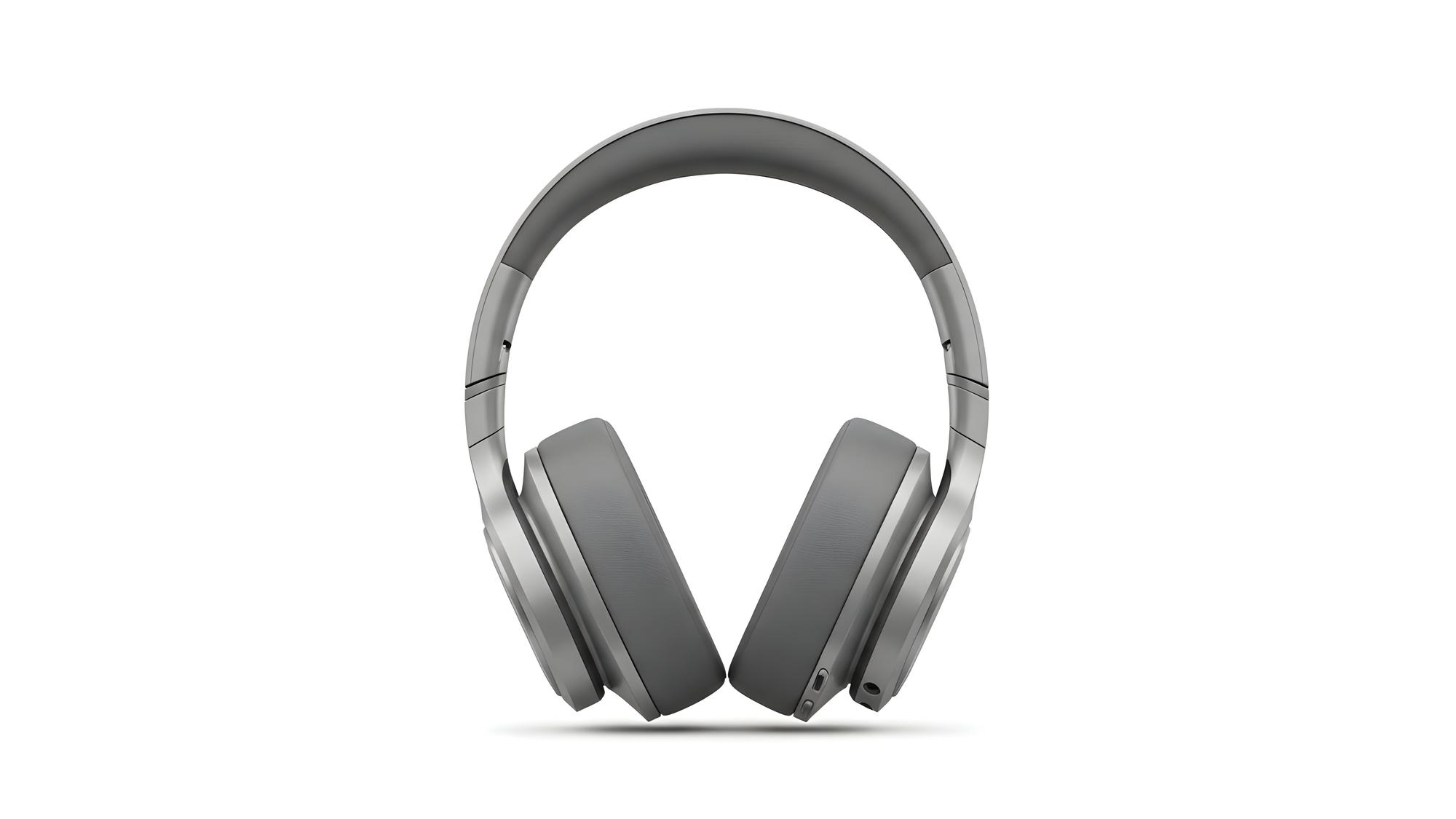
The effectiveness of noise-cancellation is one of the most important factors to consider. Active noise-cancellation (ANC) uses built-in microphones to detect external sounds and produces opposing sound waves to reduce them.
ANC tends to work particularly well against consistent, low-frequency sounds such as aeroplane engines, air-conditioning systems, and traffic noise. However, it may be less effective against sudden or irregular sounds, such as conversations or doors closing.
Some headphones allow users to adjust the level of noise-cancellation through different modes. This can be useful when moving between quiet and busy environments. A transparency or ambient mode can also allow outside sounds to pass through without requiring the headphones to be removed.
Sound Quality
Noise cancellation should not come at the expense of audio quality. Headphones should provide clear sound across different frequencies, including balanced bass, midrange, and treble.
Sound preferences vary between users. Some may prefer stronger bass for music, while others may prioritise clear vocals for podcasts, films, or online meetings. Models with equaliser controls can provide greater flexibility by allowing users to adjust the sound profile.
It is also worth considering whether the headphones support high-quality Bluetooth codecs. Depending on the device being used, supported codecs can influence wireless audio quality and connection performance.
Comfort and Fit
Comfort becomes particularly important when headphones are worn for several hours. A pair that sounds good but causes pressure around the ears or head may become difficult to use for extended periods.
Over-ear headphones generally provide larger ear cups that surround the ears and can create a comfortable seal for noise isolation. However, their size and weight may make them less convenient for people who travel frequently.
The headband, ear cushions, clamping force, and overall weight should all be considered. Adjustable components can help users achieve a better fit, while soft and breathable materials may improve comfort during longer listening sessions.
Battery Life
Wireless noise-cancelling headphones rely on rechargeable batteries, making battery life another important consideration. Users who frequently travel or spend long periods away from charging points may benefit from a model with extended battery performance.
Manufacturers often provide separate battery estimates for normal wireless use and use with ANC enabled. Since noise cancellation can consume additional power, actual battery life may vary depending on settings and usage.
Fast charging can also be useful. A short charging period that provides several hours of playback can be convenient when the headphones need to be used at short notice.
Connectivity and Compatibility
The headphones should be compatible with the devices they are expected to work with. Most modern wireless models use Bluetooth, but supported Bluetooth versions and features can differ.
Some headphones can connect to two devices at the same time through multipoint connectivity. This can be useful for someone who switches between a computer and smartphone throughout the day.
A wired connection may also be valuable. A headphone model with an audio cable option can continue to be used when the battery is low or when connecting to equipment without Bluetooth.
Microphone Quality
For users who regularly participate in video conferences, phone calls, or online gaming, microphone quality deserves attention. Noise-cancelling headphones may include multiple microphones designed to capture the user’s voice while reducing background sounds.
Good microphone performance can make conversations easier to understand in busy environments. However, microphone quality can vary significantly between models, so users should consider reviews and testing results rather than relying solely on the number of microphones included.
Controls and Additional Features
Convenient controls can make headphones easier to use. Physical buttons, touch controls, or voice commands may provide access to functions such as volume adjustment, playback, calls, and noise-cancellation modes.
Additional features can include automatic pause when the headphones are removed, customisable sound profiles, wear detection, and companion mobile applications. These features are not essential for everyone, but they may improve everyday usability.
Durability and Portability
Build quality should match the user’s lifestyle. People who regularly carry headphones in a bag may benefit from a foldable design and a protective case. Those who use headphones mainly at home may place greater importance on comfort and materials.
The headphones should also be able to withstand regular handling. Strong hinges, durable headbands, and replaceable ear cushions can contribute to longer-term usability.
Price and Overall Value
Price is another factor, but the most expensive model is not necessarily the best option for every user. A suitable pair should provide the features that are actually needed rather than including functions that will rarely be used.
Comparing noise cancellation, sound quality, comfort, battery life, connectivity, and durability can provide a clearer picture of overall value. A moderately priced model with the right combination of features may be more useful than a premium model with unnecessary extras.
Choosing the Right Pair
Choosing noise-cancelling headphones involves balancing several practical considerations. Noise cancellation performance, sound quality, comfort, battery life, connectivity, microphone performance, durability, and price can all affect the overall experience.
The best choice ultimately depends on how the headphones will be used. Frequent travellers may prioritise strong ANC and long battery life, while office workers may focus on comfort, microphone quality, and multipoint connectivity. Music listeners may place greater emphasis on sound quality and customisation.


