




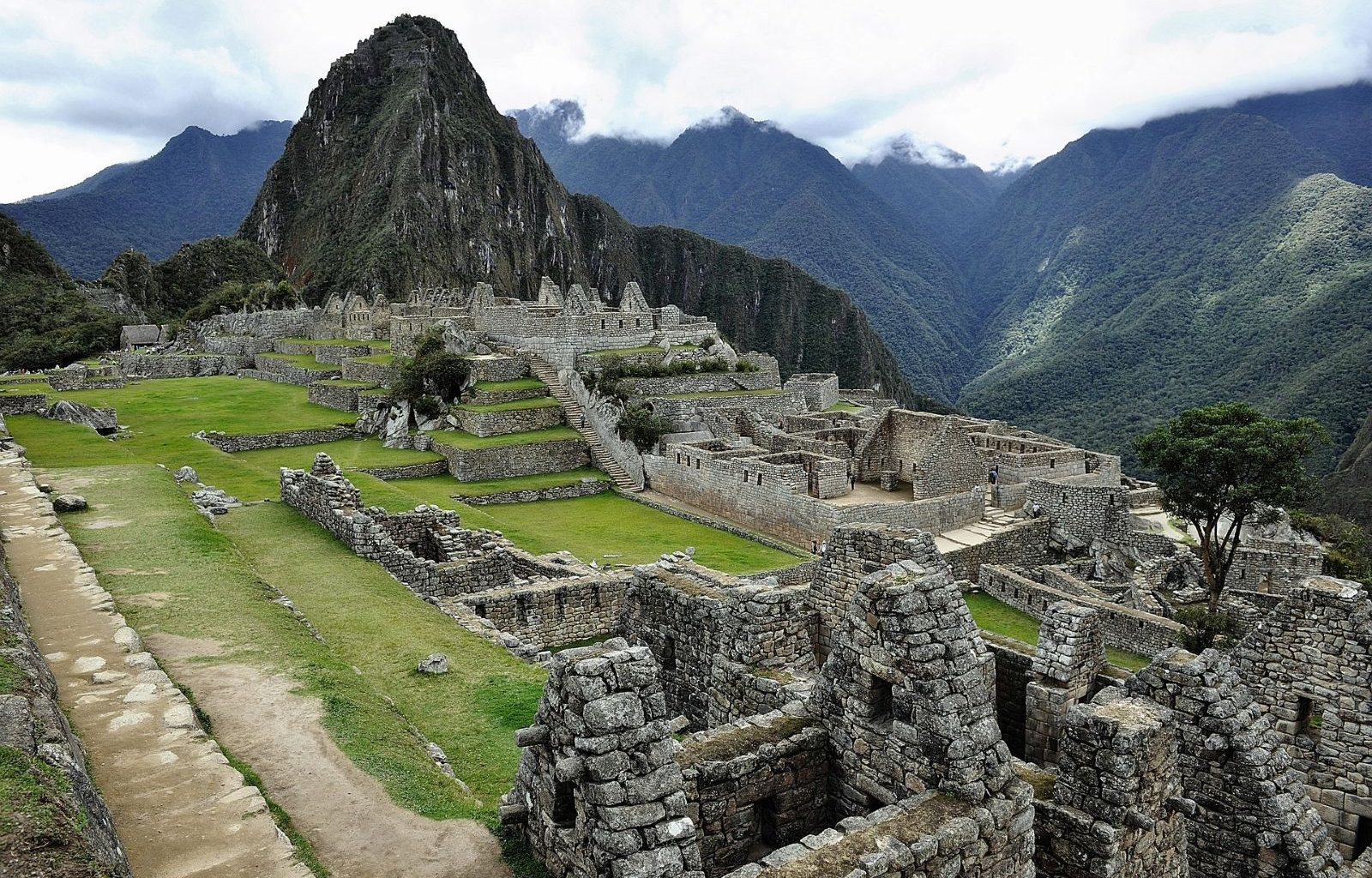

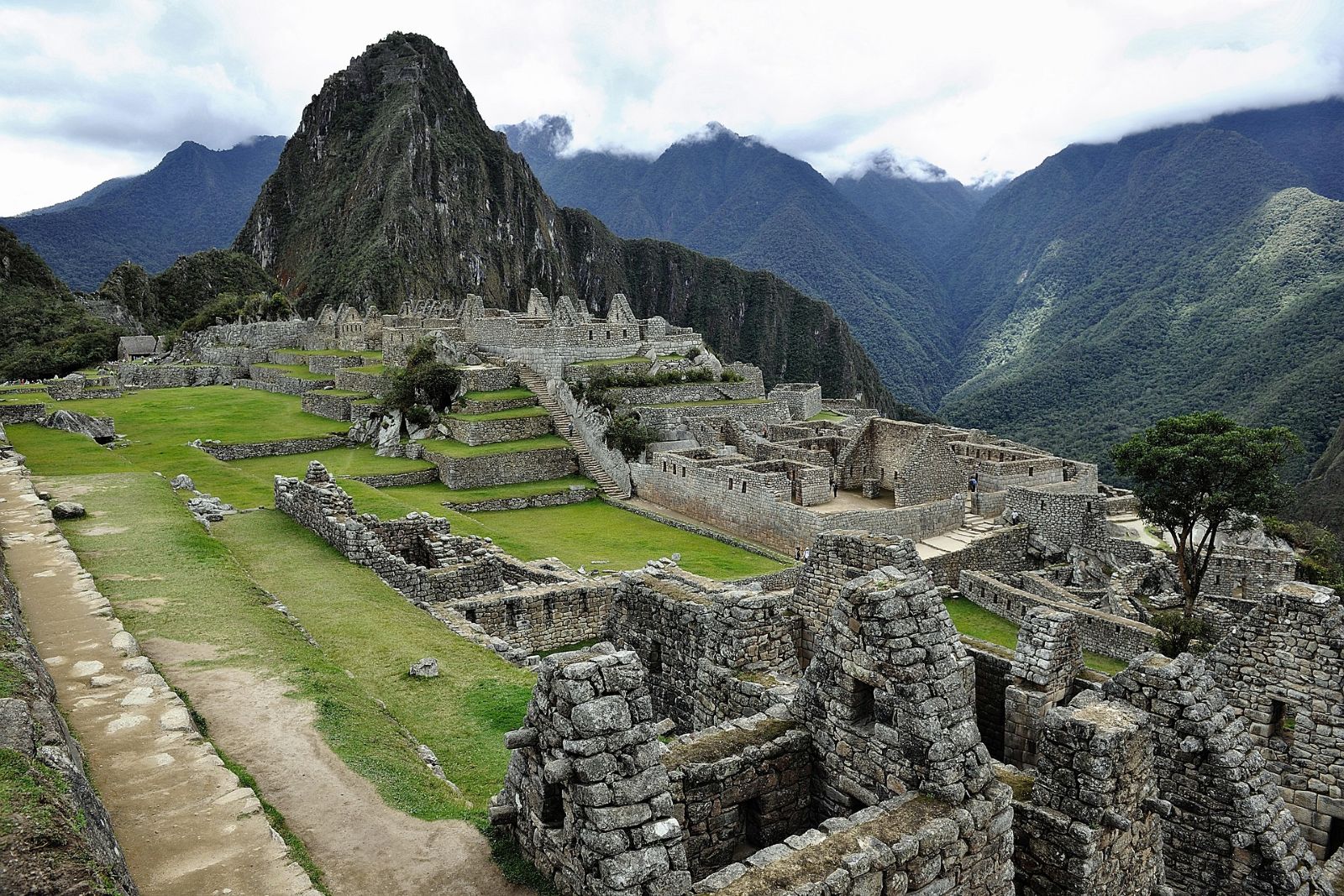
Machu Picchu sits high in the Andes like a place frozen in time. Clouds drift over stone terraces. Ancient walls stand against steep green mountains. It feels magical even before you arrive. Yet planning the trip can feel overwhelming if you don’t know where to start.
That’s exactly why preparation matters. A few smart decisions can shape your entire experience. From tickets to weather, small details make a big difference. Before you book your trip, here’s what you should know about traveling to this UNESCO World Heritage site in South America.
Entry Regulations
You can’t visit Machu Picchu without planning ahead. Peru limits the number of visitors each day to protect the site. Because of this, tickets often sell out fast, especially during peak travel months, like June, July, and August.
You’ll also need to choose a specific visitor circuit when booking. The Peruvian Ministry of Culture now organizes entry through designated routes. Some focus on scenic viewpoints, while others guide you through important archaeological areas. You should review the options carefully before buying tickets.
If you want to climb mountains like Huayna Picchu, book even earlier. Entry permits for these hikes are very limited and usually disappear quickly.
Best Time to Visit
The time of year affects your experience more than you might expect. The dry season, which usually runs from May through September, often brings clearer skies and better hiking conditions. However, this season also attracts bigger crowds.
Meanwhile, the rainy season runs from roughly November through March. You may deal with wet trails and cloudy views, but the surrounding landscape often looks greener. Plus, you’ll usually encounter fewer visitors.
Many travelers prefer April or October. These shoulder months often bring milder weather and lighter crowds. Even then, conditions can shift quickly, so you should prepare for sun and rain on the same day.
Travel Routes to Machu Picchu
Most travelers begin their journey in the city of Cusco, Peru, before continuing on to Aguas Calientes, also known as Machu Picchu Pueblo. This small mountain town serves as the main access point to the site.
The most common way to reach Aguas Calientes is by rail. Trains from Cusco to Machu Picchu offer a wide range of choices, from economy seats to premium rail services with panoramic windows and dining. This allows you to match the journey to your budget and comfort preferences, making the trip itself part of the experience.
After arriving in town, you may take a bus up the mountain to Machu Picchu. If you prefer to arrive on foot, the Inca Trail hike is the most iconic choice, ending at the Sun Gate with sweeping views of the citadel. Other trekking routes, such as the Salkantay or the Lares Trek, lead directly into Machu Picchu, combining mountain scenery with cultural encounters in Andean villages along the way.
How Altitude Can Affect You
Altitude catches many travelers off guard. While Machu Picchu itself sits lower, much of the journey passes through high‑elevation areas where thinner air can leave you short of breath, tired, or even cause headaches and nausea.
To help your body adjust and avoid altitude sickness, spend at least one or two days acclimating. Drink plenty of water and avoid pushing yourself too hard at first. Light meals may also help if you feel uncomfortable.
Some travelers choose to stay in the Sacred Valley before heading higher, since its lower elevation makes the transition more comfortable. This approach eases the adjustment while still offering rich cultural and scenic experiences.
What to Pack for the Visit
Packing the right items can make your trip smoother. Start with comfortable walking shoes because trails and stone pathways can feel uneven. You should also wear light layers since mountain temperatures often change throughout the day.
Bring sunscreen, insect repellent, and a reusable water bottle. A waterproof jacket also helps because rain can arrive suddenly, even during drier months. Don’t forget your passport since officials may check it against your entry ticket.
At the same time, pack lightly. Large bags may not be allowed inside the archaeological site. Checking the latest bag policies before arrival can save time and stress.
On-Site Rules and Restrictions
Machu Picchu follows strict preservation rules, and you should understand them before arriving. Visitors must follow assigned circuits rather than roam freely. This system helps protect fragile pathways and historic structures.
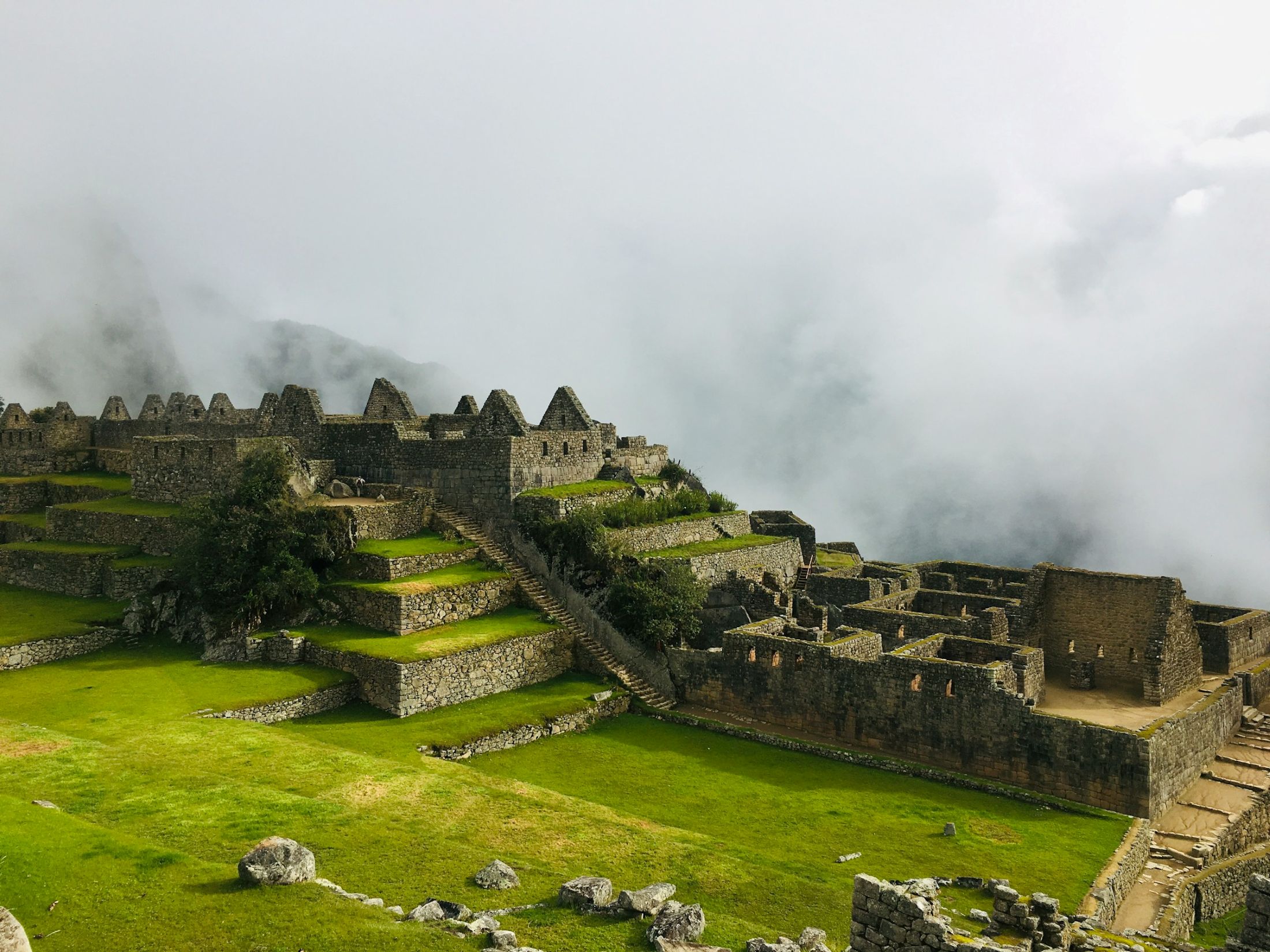
You also can’t climb on ruins or step into restricted areas. Certain items, such as drones, tripods, and umbrellas, may not be allowed. Rules occasionally change, so reviewing updates before your trip helps avoid surprises.
You should also respect time slots on your ticket. Arriving late may affect entry, especially during busy periods.
Benefits of Staying Overnight
Many travelers try to squeeze Machu Picchu into one long day. While possible, this option can feel rushed. Early train schedules, transfers, and crowds may leave you exhausted before you even enter the site.
Instead, staying overnight in Aguas Calientes gives you more flexibility. You can enter earlier the next morning and enjoy cooler temperatures. Morning light often creates better photo conditions too.
You’ll also have extra time to explore nearby attractions in the Sacred Valley. Places like Ollantaytambo and Pisac add more history and scenery to your trip.
Final Thoughts
Traveling to Machu Picchu becomes much easier when you know what to expect. Booking ahead, understanding routes, and preparing for altitude can help you avoid common mistakes. More importantly, these details allow you to enjoy the journey instead of worrying about logistics.
Once you finally stand among the ancient stone terraces, everything feels worth it. The views feel unforgettable. The history feels alive. Prepare well, stay flexible, and you’ll give yourself the best chance to experience Machu Picchu at its finest.