

![[Review] CLOVE’s Taste of Korea Buffet Brings Korean BBQ, Bossam and Street Food to Swissôtel The Stamford - Alvinology](https://alvinology.com/wp-content/uploads/2026/10/2026_08_20-Photoshoot27261-1-2-2-1366x768-1-110x110.jpg "[Review] CLOVE’s Taste of Korea Buffet Brings Korean BBQ, Bossam and Street Food to Swissôtel The Stamford")


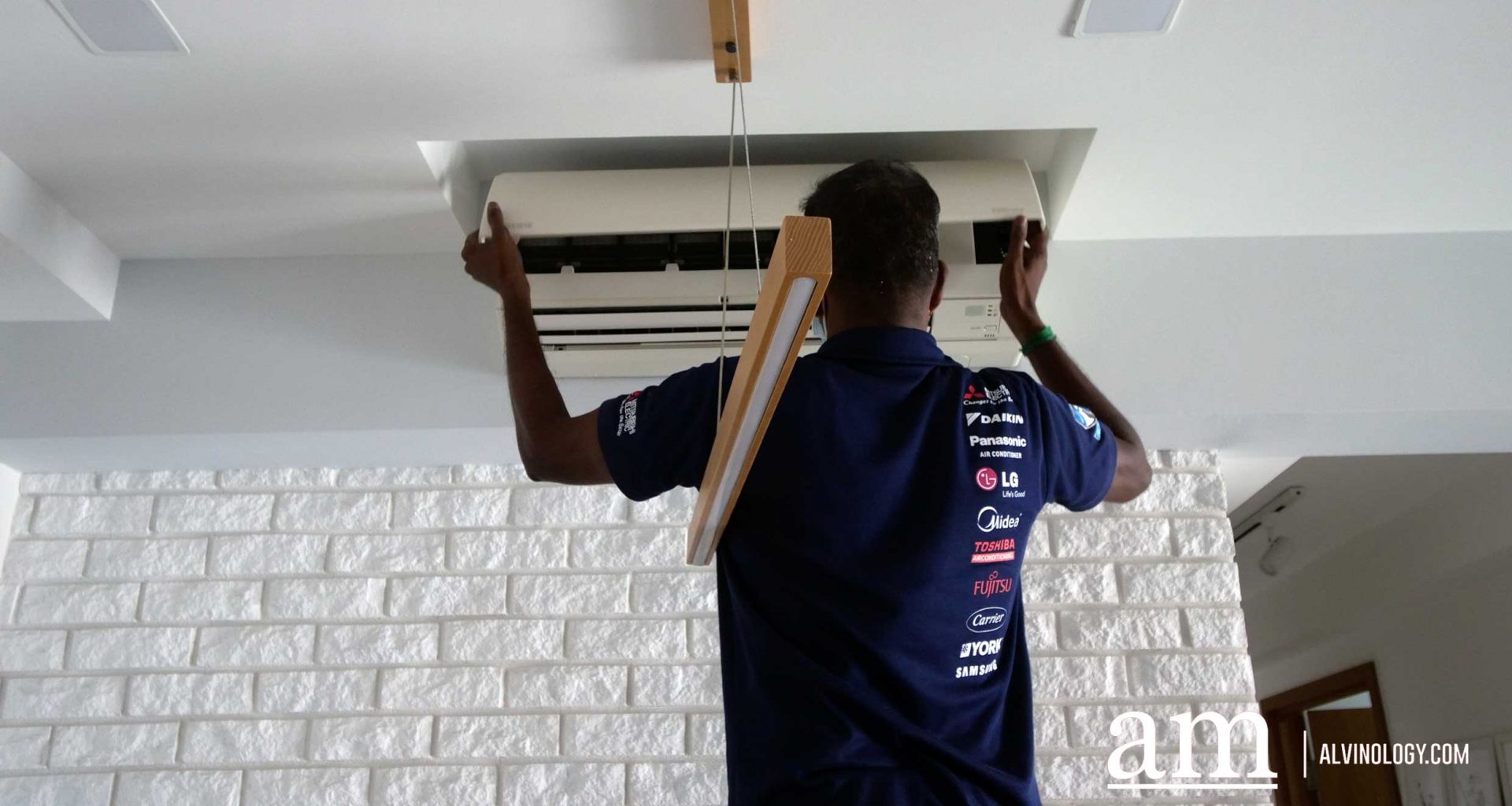

Singapore’s home service industry is undergoing a significant digital transformation. From aircon servicing and plumbing to electrical maintenance and cleaning services, businesses across the sector are increasingly adopting technology to improve efficiency, streamline operations, and meet evolving customer expectations.
As competition intensifies and operational demands become more complex, service providers are realizing that traditional methods of managing jobs, technicians, and customer communication are no longer enough. Manual scheduling, paper-based workflows, and fragmented communication systems often create delays, inefficiencies, and inconsistent customer experiences.
Today, technology is becoming one of the biggest factors separating fast-growing service companies from businesses struggling to scale efficiently.
Rising Expectations in Singapore’s Service Economy
Customer expectations in Singapore have changed dramatically over the past few years. Homeowners and businesses now expect faster response times, convenient scheduling, transparent communication, and reliable service experiences across every touchpoint.
Whether it’s an aircon servicing appointment in an HDB flat or an urgent electrical repair in a condominium, customers increasingly value businesses that can provide punctuality, professionalism, and clear communication.
At the same time, service businesses are managing tighter schedules, technician shortages, and rising operational costs. Companies that rely heavily on spreadsheets, phone calls, and manual coordination often struggle to maintain efficiency as job volumes increase.
This has created strong demand for smarter operational systems that help businesses organize field teams more effectively.
Why Operational Efficiency Matters More Than Ever
Singapore’s dense urban environment presents unique logistical challenges for home service providers. Aircon servicing companies, for example, frequently manage recurring maintenance appointments across multiple residential blocks every day.
Without organized scheduling systems, businesses may experience:
- Double-booked appointments
- Delayed technician arrivals
- Inefficient travel routes
- Missed recurring maintenance visits
- Communication gaps between office staff and technicians
- Slower invoicing and payment collection
These operational inefficiencies not only affect profitability but also directly influence customer satisfaction and retention.
As operational complexity increases, more companies are investing in dedicated field service operations software Singapore to streamline workforce coordination, automate scheduling and dispatch workflows, and deliver more consistent, high-quality customer experiences.
For many businesses, adopting digital operations tools is no longer simply about convenience. It has become an important part of remaining competitive in a crowded market.
The Shift Toward Smarter Scheduling and Dispatching
One of the biggest technological changes happening in Singapore’s home service industry is the move toward automated scheduling and technician dispatch systems.
Traditionally, many businesses relied on office coordinators to manually assign jobs through spreadsheets, messaging apps, or paper calendars. While manageable for smaller teams, these methods become increasingly difficult as businesses grow.
Modern scheduling platforms now allow businesses to:
- Assign jobs based on technician availability and location
- Optimize daily travel routes
- Schedule recurring maintenance visits automatically
- Track job progress in real time
- Maintain centralized customer service records
- Send digital quotations and invoices
For aircon servicing companies handling quarterly maintenance contracts, these systems can significantly reduce administrative workload while improving appointment reliability.
Businesses are also discovering that operational visibility plays a major role in improving long-term scalability. Better coordination between office teams and field technicians often leads to faster response times, smoother workflows, and fewer scheduling errors.
Digital Communication Is Improving Customer Experience
Technology is also reshaping how service businesses communicate with customers.
In the past, communication often relied on multiple disconnected channels, including phone calls, SMS messages, and manual follow-ups. This sometimes created confusion around appointment timings, technician arrivals, and service updates.
Today, many businesses are implementing digital communication systems that provide:
- Automated appointment reminders
- Real-time technician updates
- Faster quotation approvals
- Digital invoices and payment links
- Simplified customer support interactions
These improvements create a smoother experience for both customers and service teams.
In a highly competitive market like Singapore, customer experience has become one of the strongest differentiators for home service businesses. Companies that provide organized, reliable, and transparent service journeys are more likely to earn repeat business and positive online reviews.
Data Is Helping Businesses Make Smarter Decisions
Another major advantage of digital transformation is access to operational data and business insights.
Previously, many small and mid-sized service companies had limited visibility into technician performance, job profitability, or customer retention trends. Decisions were often made based on estimates rather than real operational metrics.
Modern operational systems now provide valuable insights such as:
- Technician productivity rates
- Average response times
- Revenue per service category
- Customer retention patterns
- Recurring maintenance performance
- Daily and weekly scheduling efficiency
These insights allow business owners to identify inefficiencies, improve resource allocation, and make better strategic decisions as they scale.
For growing companies, operational data can become a significant competitive advantage.
Singapore’s Home Service Industry Continues to Evolve
As technology adoption continues to grow, Singapore’s home service industry is becoming more organized, efficient, and customer-focused.
Businesses that embrace automation and digital operations are often better positioned to handle increasing demand while maintaining consistent service quality. At the same time, customers benefit from faster response times, improved communication, and more reliable appointment experiences.
Looking ahead, technologies such as AI-assisted scheduling, predictive maintenance tracking, and advanced mobile workforce management are likely to play an even larger role in shaping the future of the industry.
For Singapore’s aircon, cleaning, plumbing, and maintenance businesses, digital transformation is no longer a future trend. It is already becoming a core part of everyday operations.