
![[Review] Onggii Opens 3rd Outlet at Square 2, Brings Korean Comfort Food like Gomtang and Galbi Jjim to Novena - Alvinology](https://alvinology.com/wp-content/uploads/2026/10/WhatsApp-Image-2026-10-28-at-1.51.05-AM-110x110.jpeg "[Review] Onggii Opens 3rd Outlet at Square 2, Brings Korean Comfort Food like Gomtang and Galbi Jjim to Novena")

![[Review] Osteria Mozza's New Home at ION Orchard Brings a Different Take on Pizza, Pasta and Italian Comfort Food - Alvinology](https://alvinology.com/wp-content/uploads/2026/10/osteria-mozza-11-110x110.jpg "[Review] Osteria Mozza's New Home at ION Orchard Brings a Different Take on Pizza, Pasta and Italian Comfort Food")
![[Review] HONOR X9e Pro Lands in Singapore with an 11,000mAh Battery That Doubles as a Power Bank - Alvinology](https://alvinology.com/wp-content/uploads/2026/10/honor-9xe-purple-06-110x110.jpg "[Review] HONOR X9e Pro Lands in Singapore with an 11,000mAh Battery That Doubles as a Power Bank")

The local food and beverage industry in Singapore is facing a tough and unforgiving environment, especially for homegrown heritage brands trying to stay afloat in modern times. It is a familiar and heartbreaking story to see decades old establishments close their shutters for good, due to multiple compounding factors like the rising cost of business, manpower costs or simply because the younger generation is unwilling or unable to take on the grueling, backbreaking hours required to sustain the craft. I recently felt this exact sting when a similar small pau shop, Teochew Handmade Pau, that I frequented regularly at Toa Payoh Lorong 1 shut down entirely.
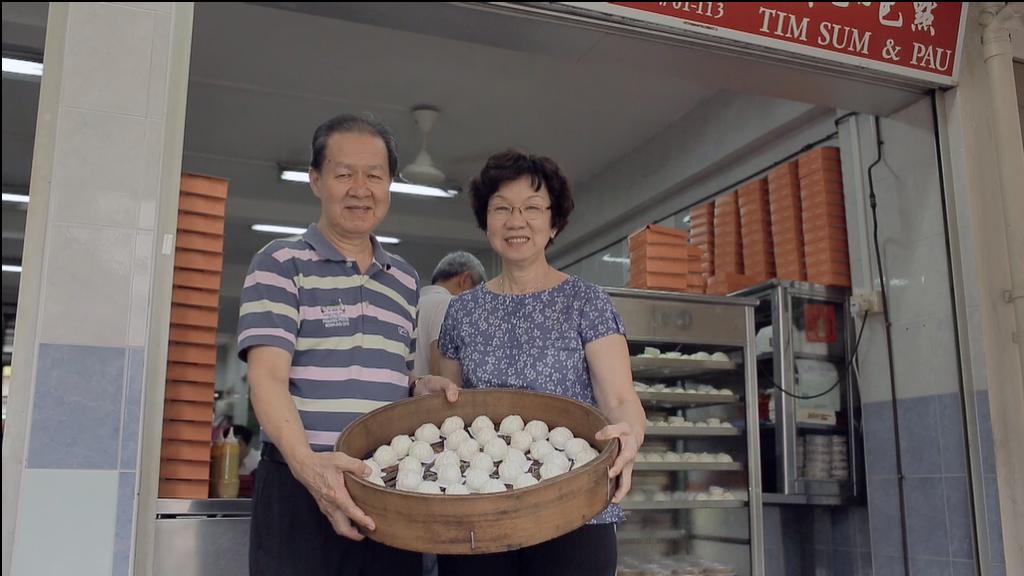
However, there is a beacon of hope shining from Jalan Batu. Tanjong Rhu Pau, a beloved Singapore heritage brand founded in 1988 by Yap Peng Wah, is not just surviving but successfully navigating this difficult generational transition. They are marking a brand new chapter as the dedicated second generation brings their 30 year handmade pau heritage to even more communities across Singapore.
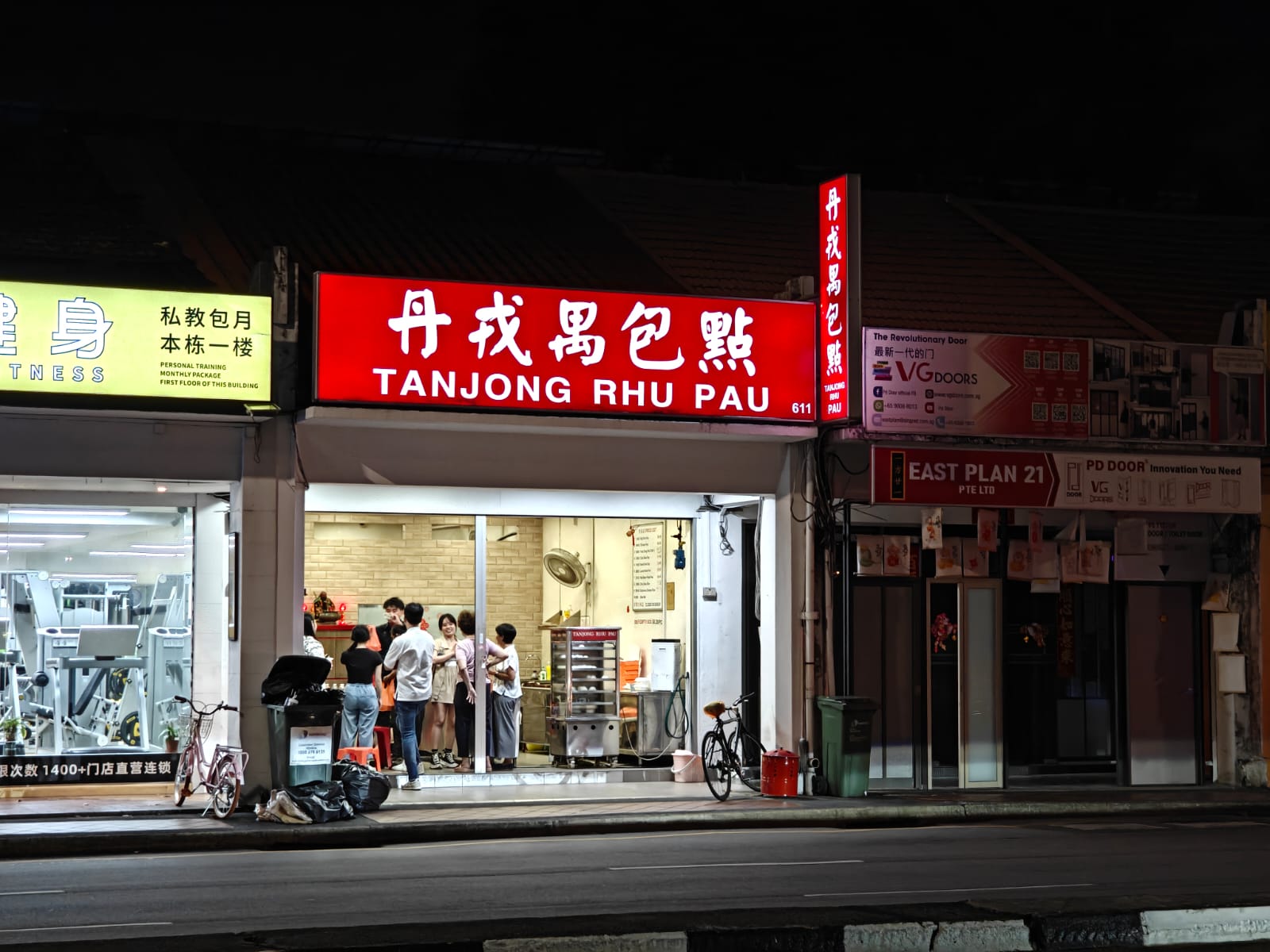
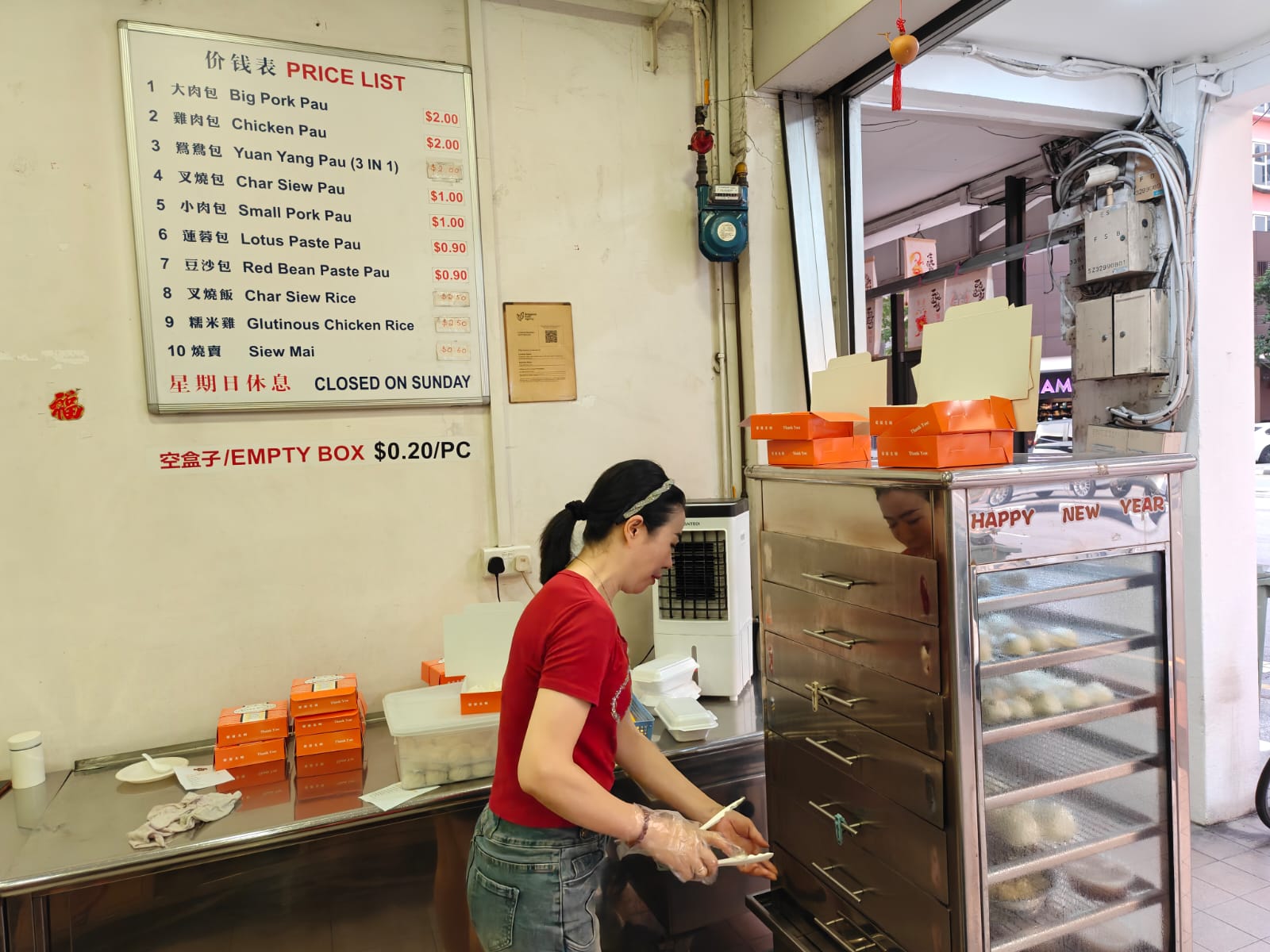
I recently visited their Balestier Road shopfront to experience the intricate art of making these traditional steamed buns ourselves.
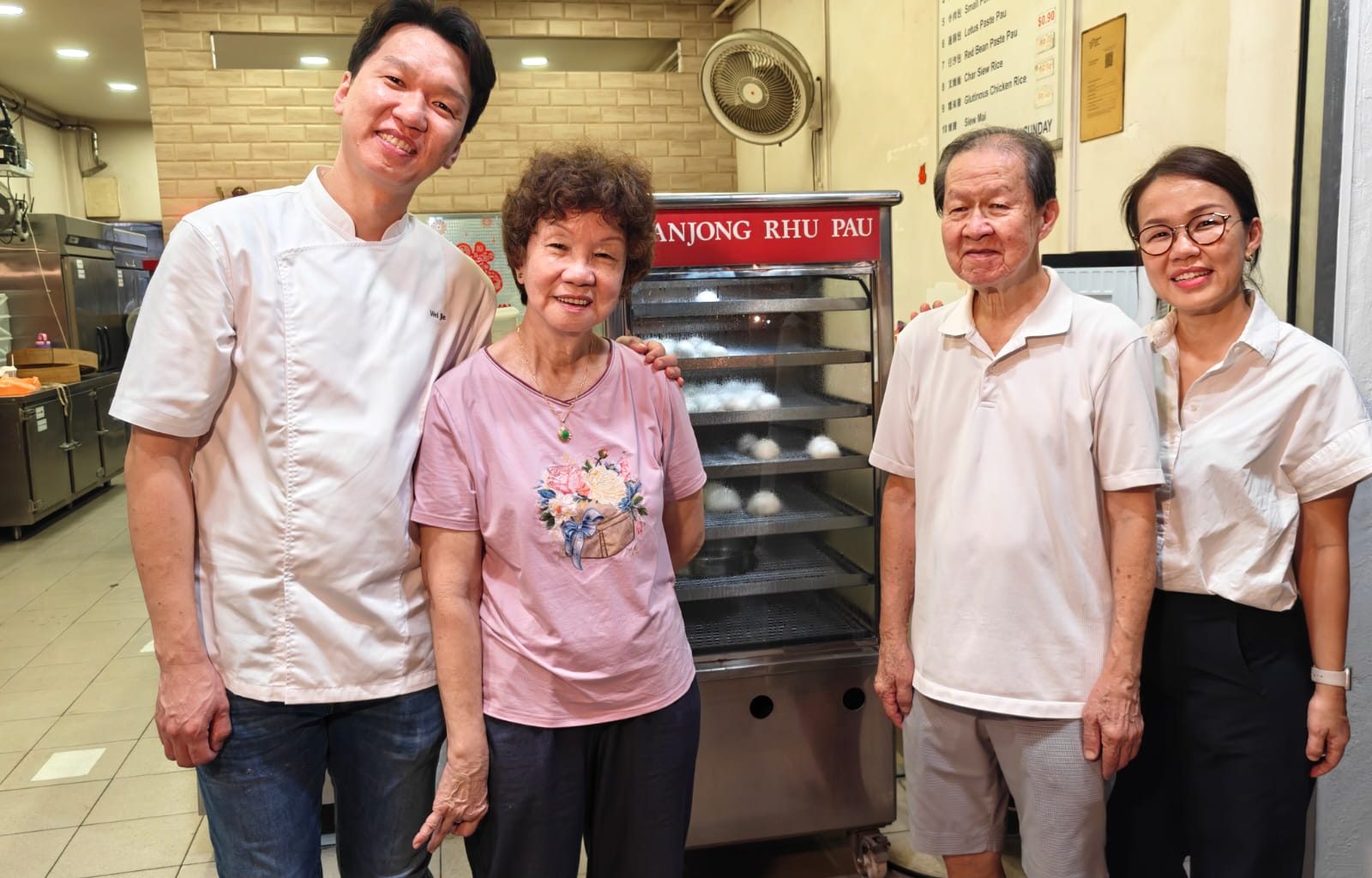
I spent valuable time with the first generation founders alongside the second generation successors, siblings Yap Wei Jie, 43, and Yap Hsiao Cheng, 48.
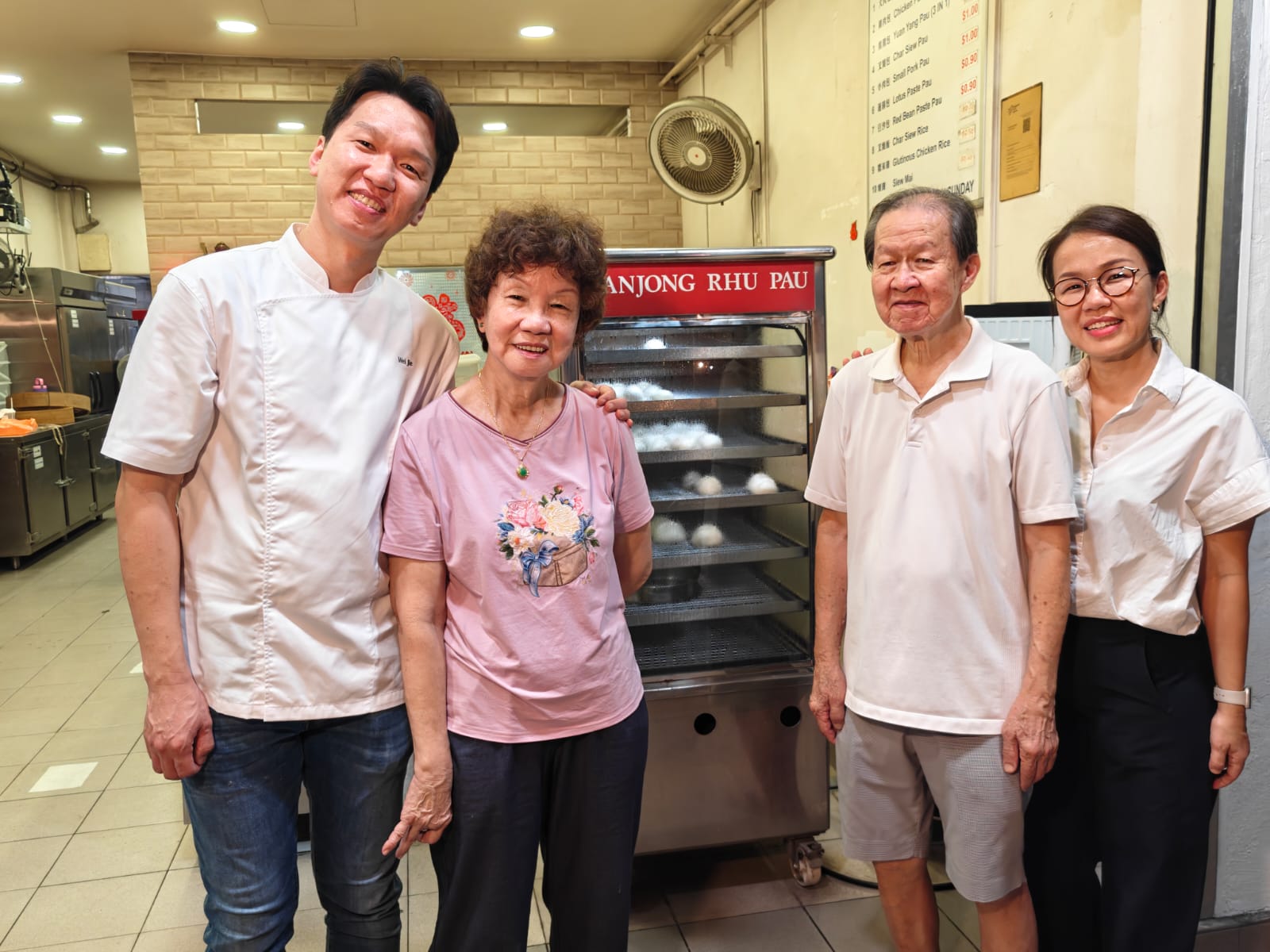
Through my interactions with the founder, Yap Peng Wah, 78, his wife and his two chidren in their workspace, it is clear that the family members are incredibly close-knitted and care deeply for one anther – a rarity in an industry where business succession sometimes brings bitter friction and resentment. Wei Jie and his mum shared their personal story candidly with me, revealing the emotional currents running beneath their daily operations.
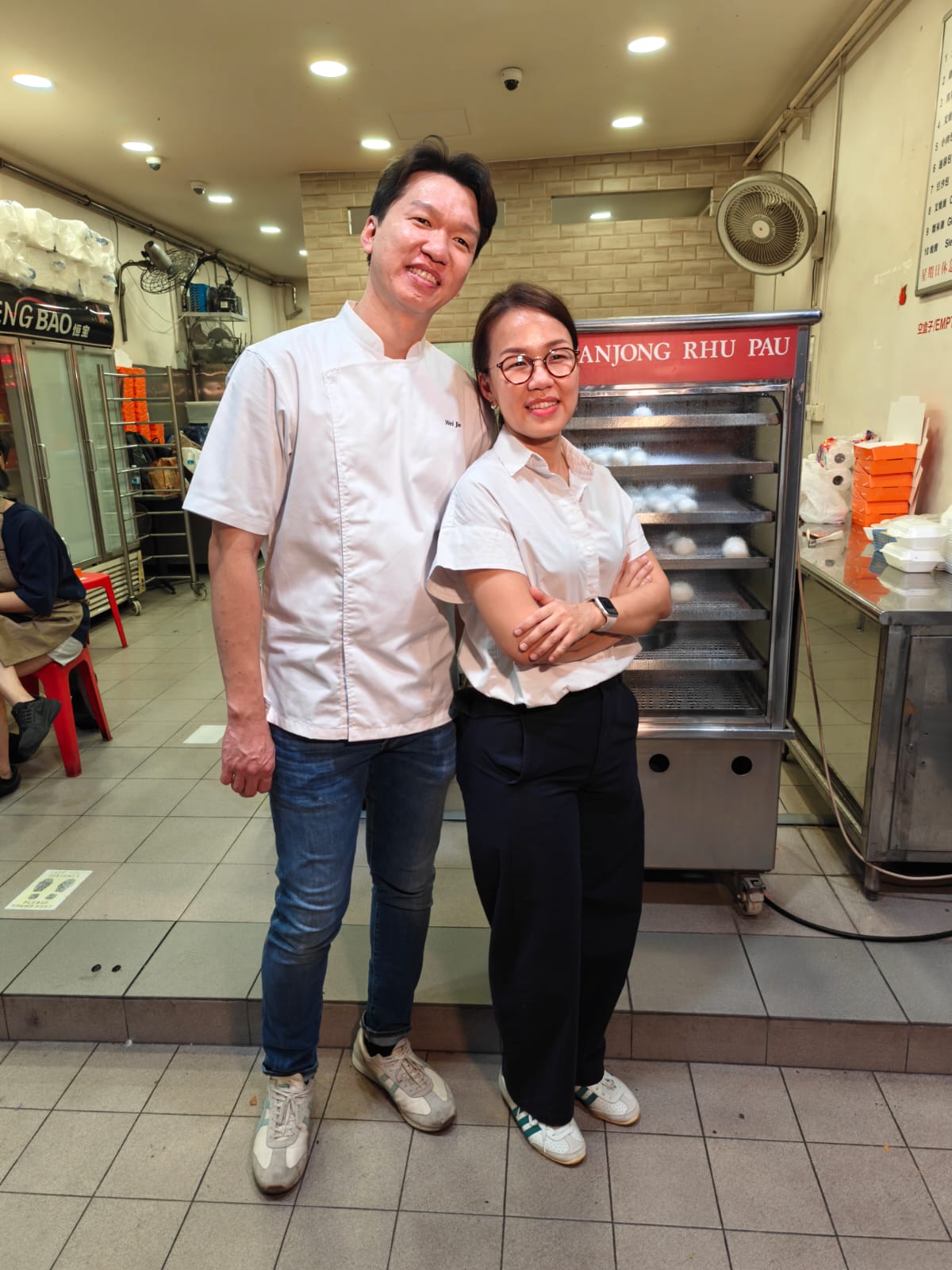
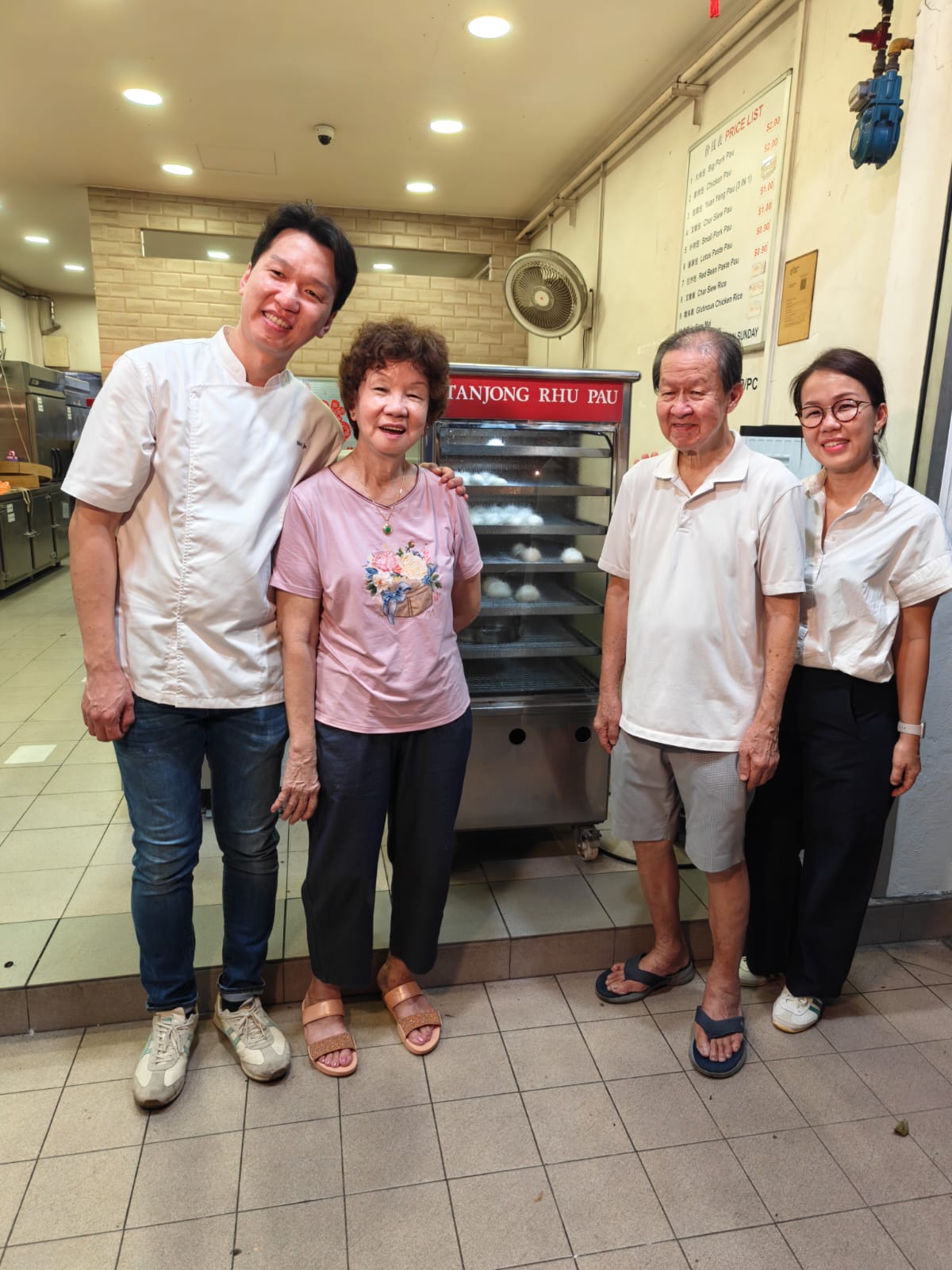
Wei Jie plays a hands on role on the ground every single day, working side by side with the veteran pau making masters to ensure exacting standards are always met. To this date, they are still constantly looking into how to further improve their receipe and pau making process to up the quality and productivity without compromising on the handcrafted components.
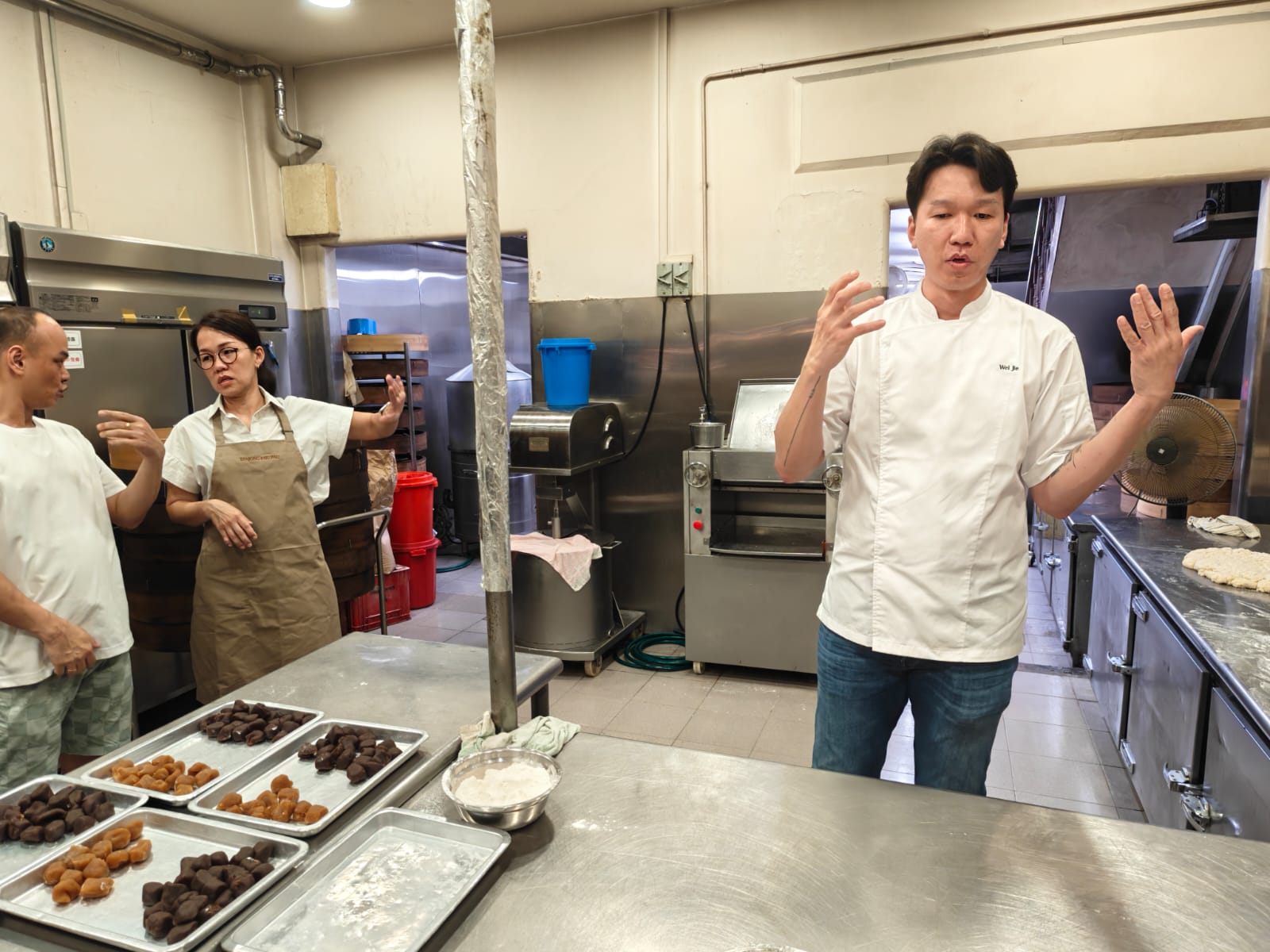
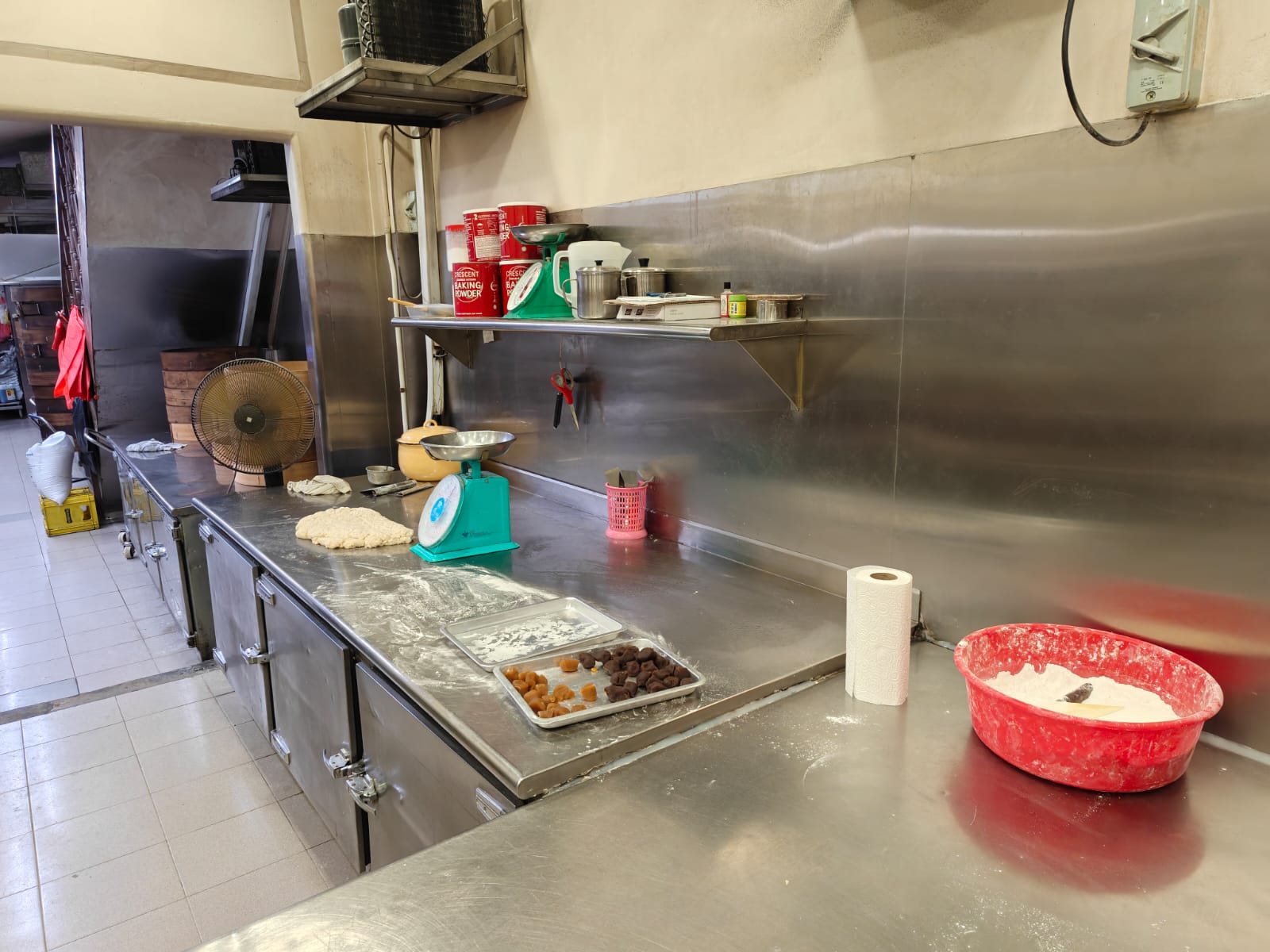
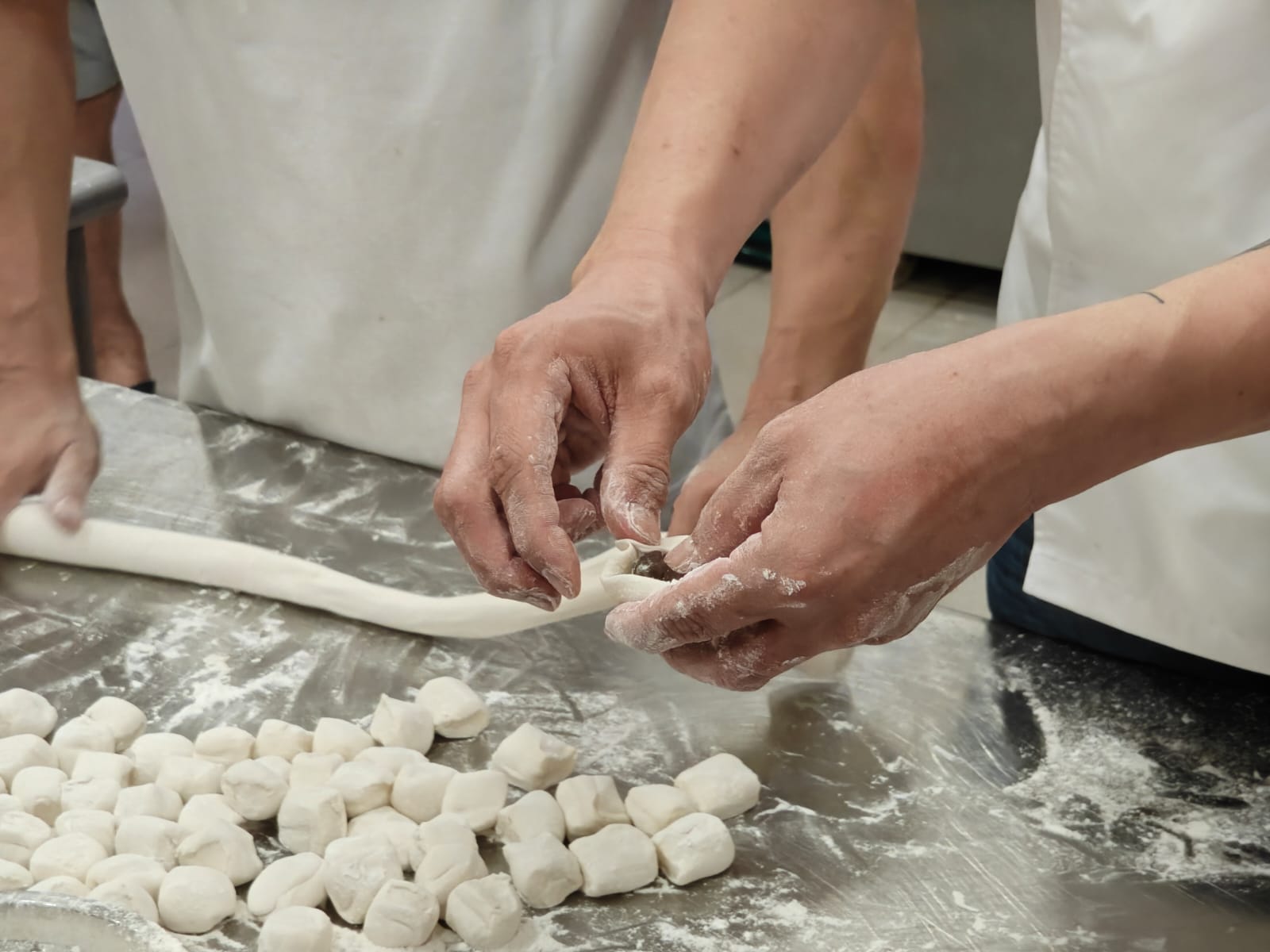
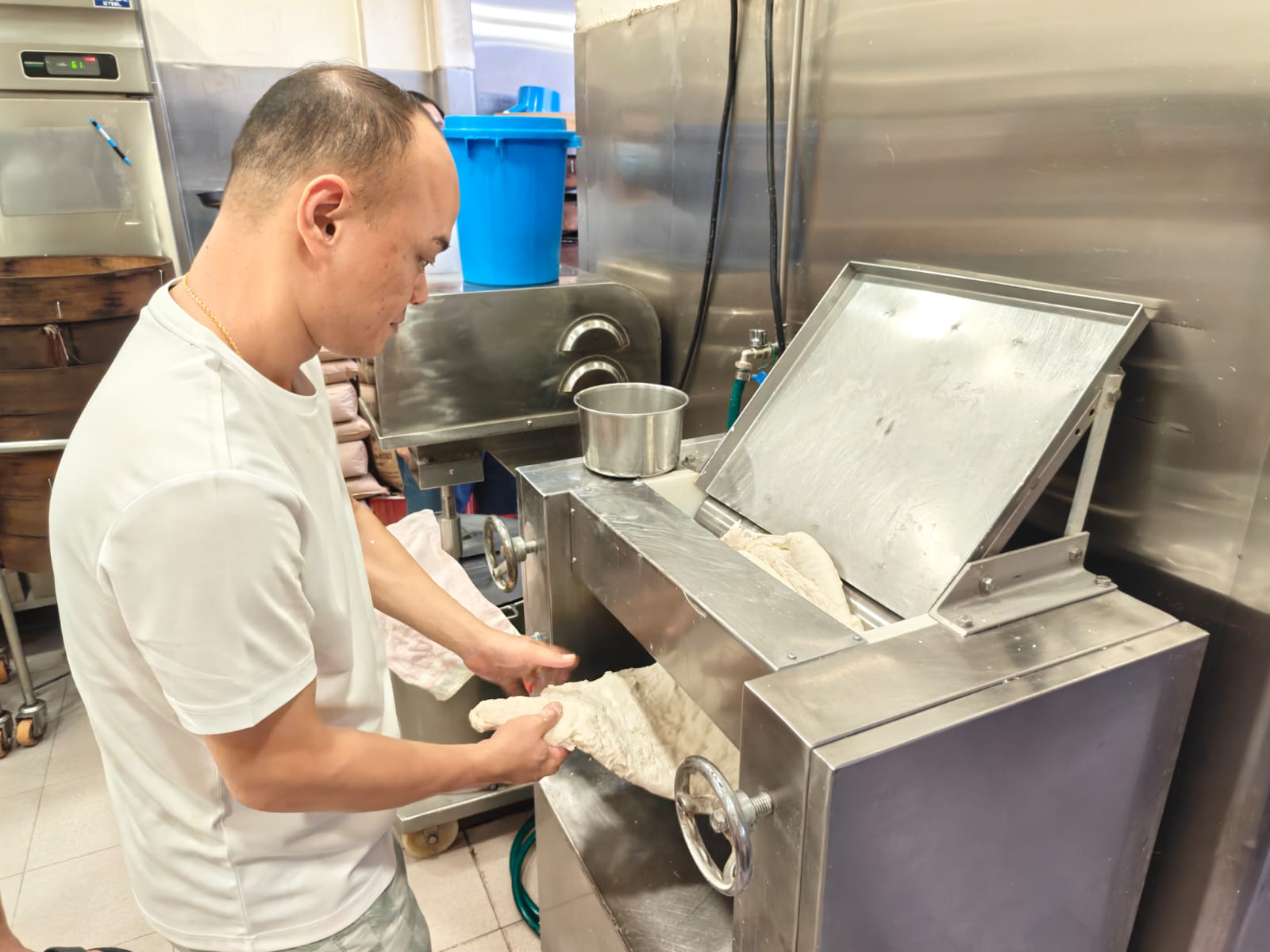
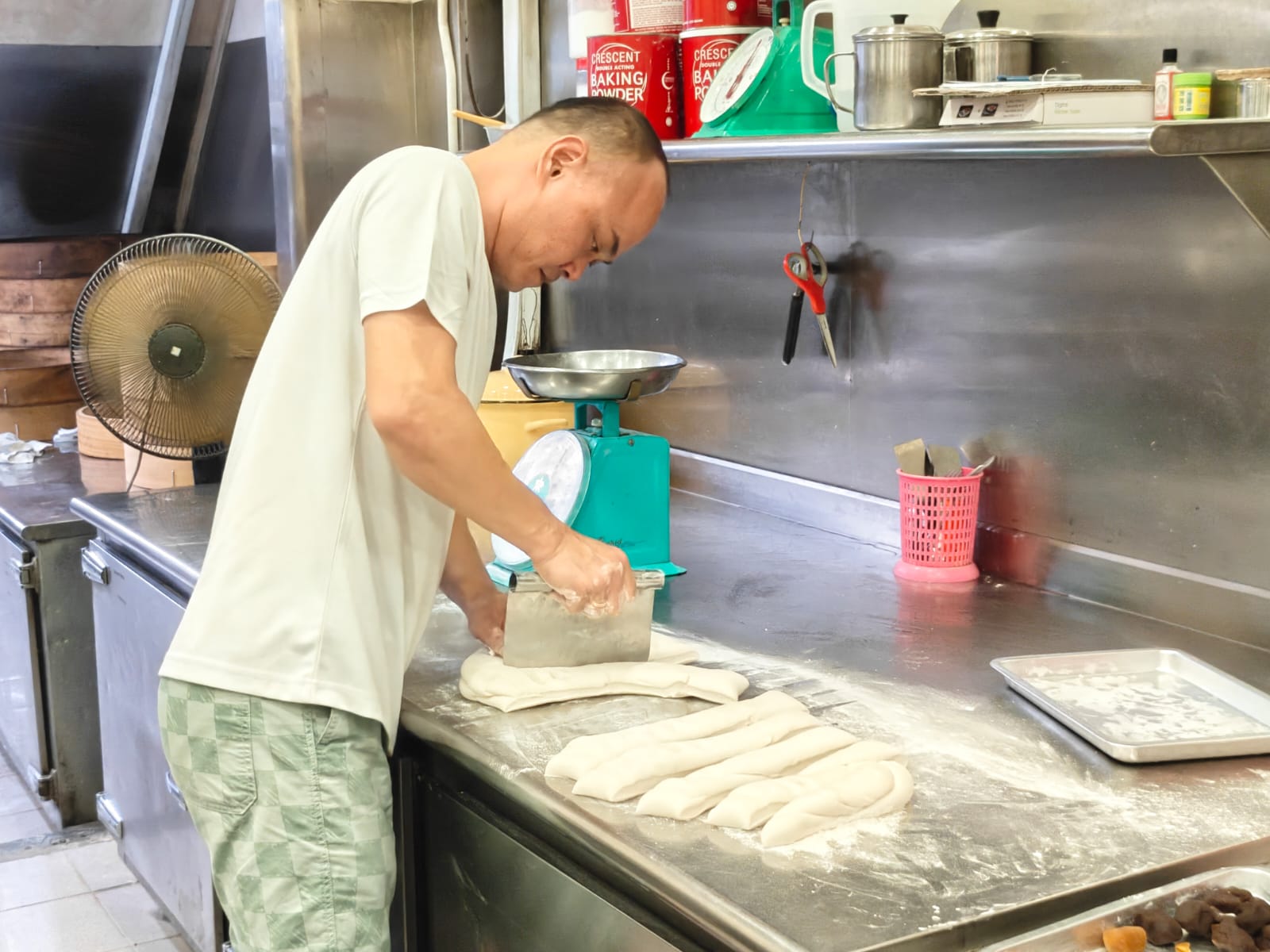
His journey to uphold the family name was almost cut tragically short. During a serious accident while making the buns on 5 November 2020, the date of his fourth wedding anniversary, Wei Jie sustained a massive injury that nearly cost him his hand.
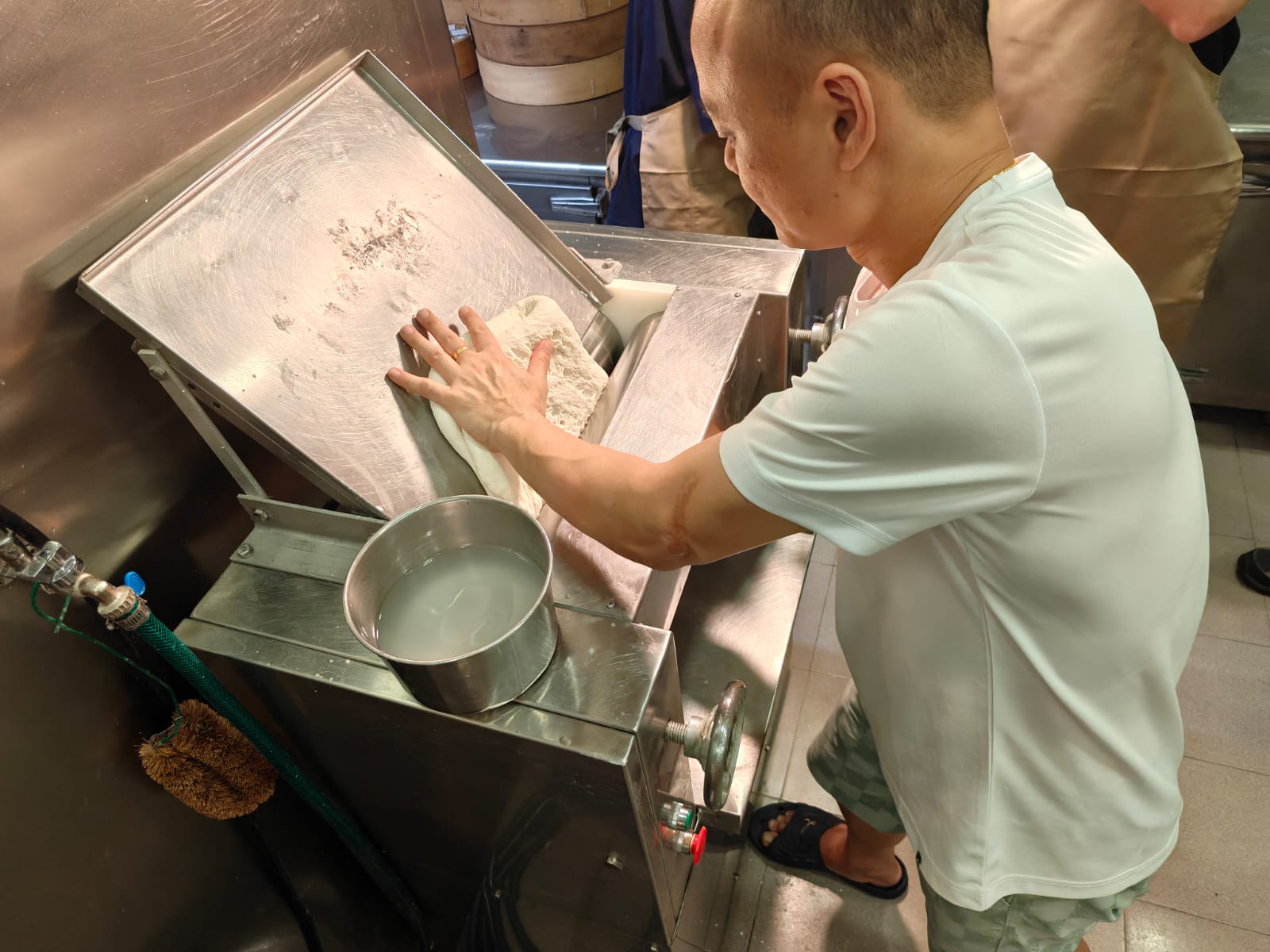
It was around 6am when Wei Jie arrived early at the shop and began cleaning the dough sheeter. As he wiped the machine, his cloth slipped. Instinctively reaching to grab it, his right hand was pulled into the rollers, trapping four fingers. He calmly hit the stop button and told his staff to call an ambulance, initially thinking it was just a fracture.
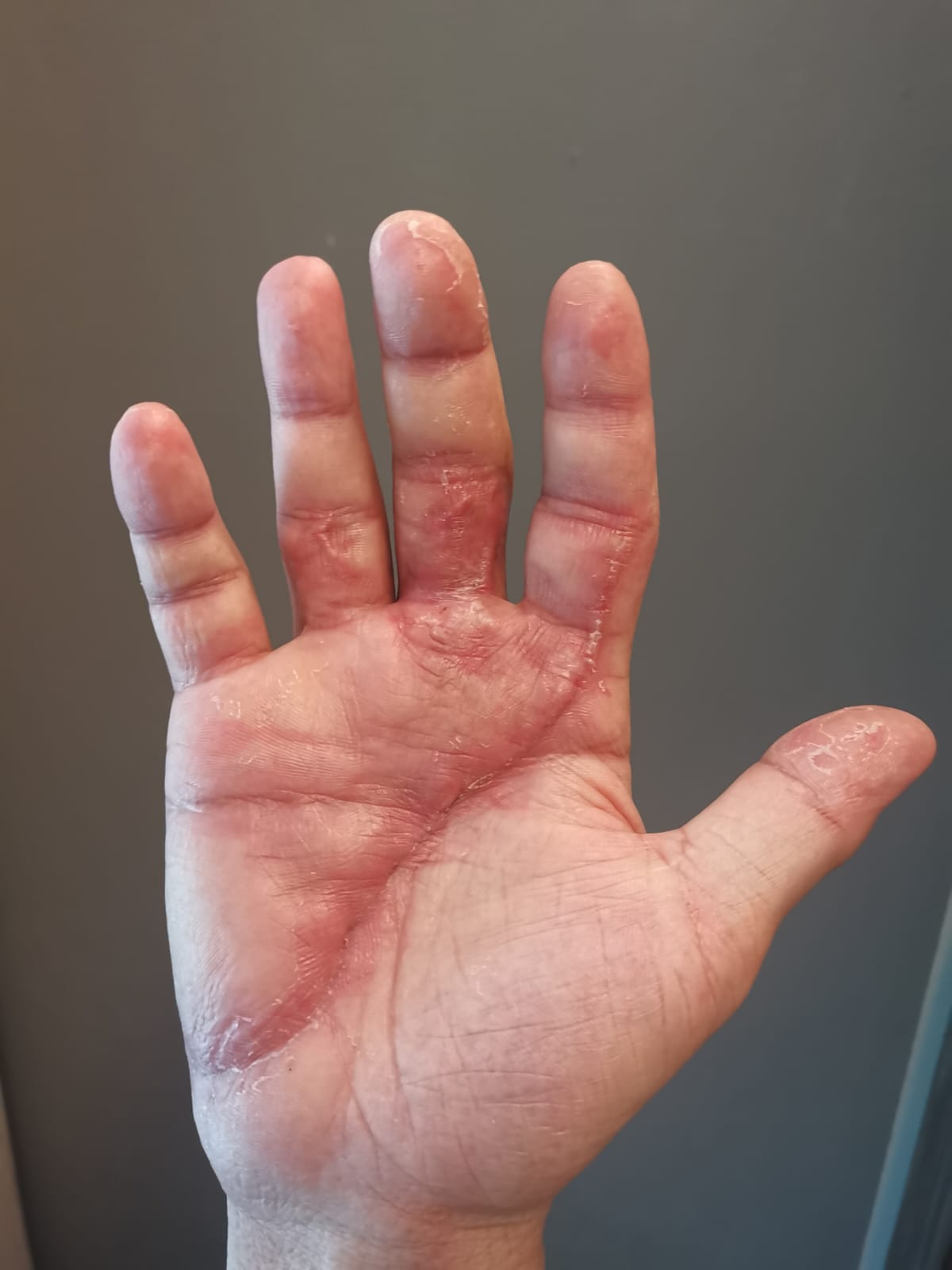
At Tan Tock Seng Hospital, doctors warned there was a high possibility his middle finger might need to be amputated. He went into surgery prepared to lose a finger, but it was eventually saved. After four days in hospital and additional procedures, he regained about 90 percent movement, though he still cannot fully clench his fist. He considers himself fortunate, especially since his thumb was not affected.
Recovery was both physical and mental. For three months, he was unable to make paus and had to undergo regular physiotherapy to rebuild strength. Returning to use the same dough machine was challenging and triggered flashbacks for months, but he pushed through and is now far more cautious around machinery.
Being a typical traditional Asian family, they initially did not speak much to one another about the immense trauma surrounding the accident. Yet, the emotional weight of that dark period surfaced during a media interview. When reminded about the incident, Wei Jie’s mum recounted that her husband broke down in tears, unable to hold back his feelings. She shared with me that neither of them originally wanted their son to take over the business, knowing intimately from their own experiences just how tough and unforgiving this hawker life can be.
On the other hand, Wei Jie opened up about the immense guilt he felt regarding his injury. He shared that his family was already going through a tough and stressful period at that time. His sister was pregnant and his father had just been discharged from the hospital. Getting injured at that critical moment felt to him like he was failing the people he loved most.
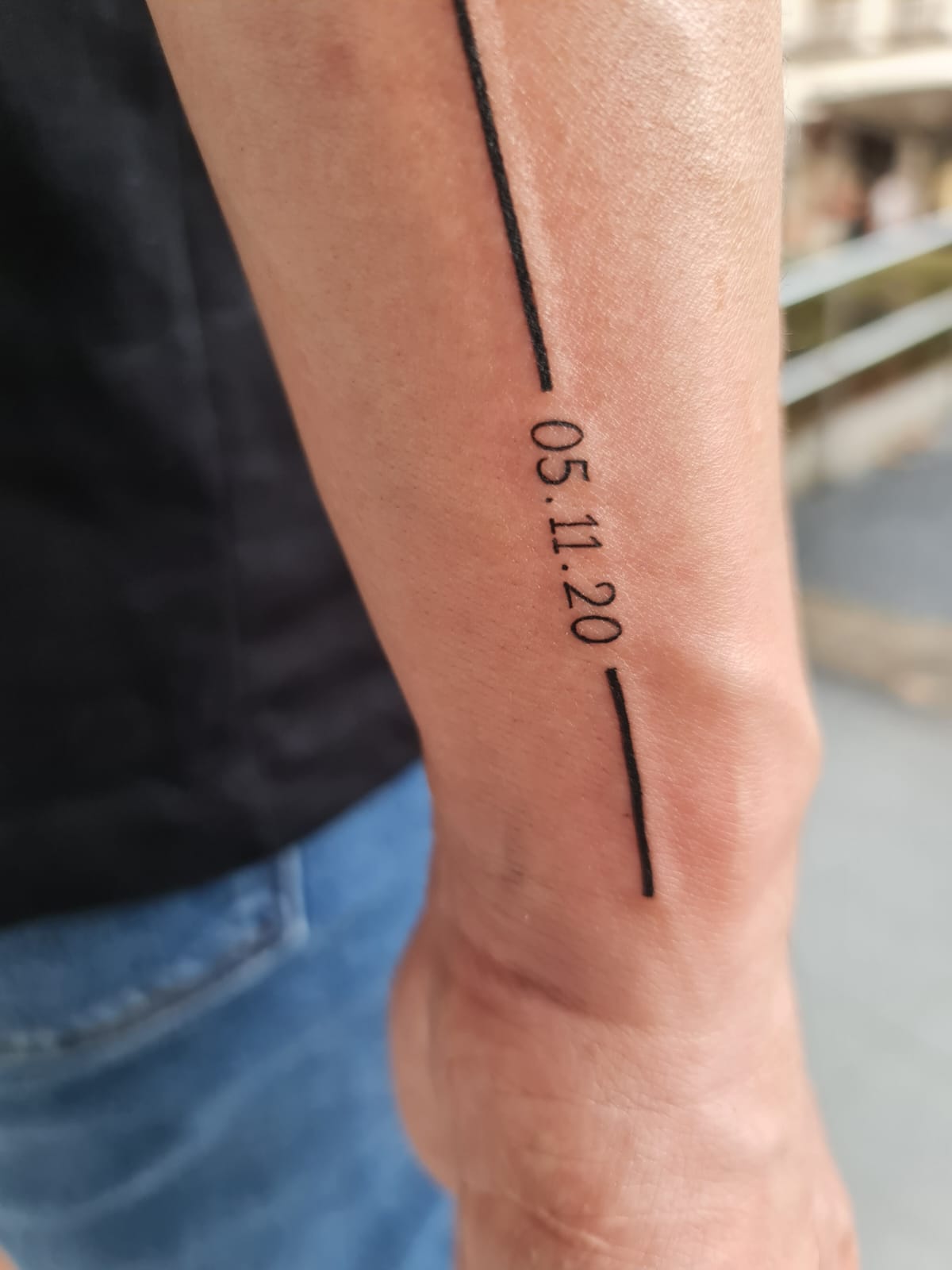
To quietly honour his own resilience and cement his commitment to the family trade, Wei Jie now bears a permanent tattoo on his arm displaying the date of the accident.
This family dedication is the very foundation of what makes Tanjong Rhu Pau so special.
The story actually begins long before their official launch in 1988. Founder Yap Peng Wah first learned the craft of pau making back in the 1960s when he was just 18 years old. Raised in a traditional food trade family, he honed his early culinary skills at his father’s coffeeshop, Chin Sin Huan Eating House, an establishment that remarkably continues to operate today at 7 Jalan Batu.
Immersed in the rhythms of the commercial kitchen from a very young age, he developed a respect for honest flavours, consistency and seasoned craftsmanship. Determined to refine his technique further, Yap later apprenticed under an established pau master at Old Airport Road, where he deepened his understanding of dough fermentation, filling preparation, and the delicate balance required to produce buns that were both light and flavourful.
In 1988, he took a pivotal step forward with a business partner to officially found Tanjong Rhu Pau. Together, they introduced mini bite sized paus to the market, which was a culinary first in Singapore at the time. Designed specifically for convenience, these smaller buns quickly set the brand apart and struck a chord with hungry customers.
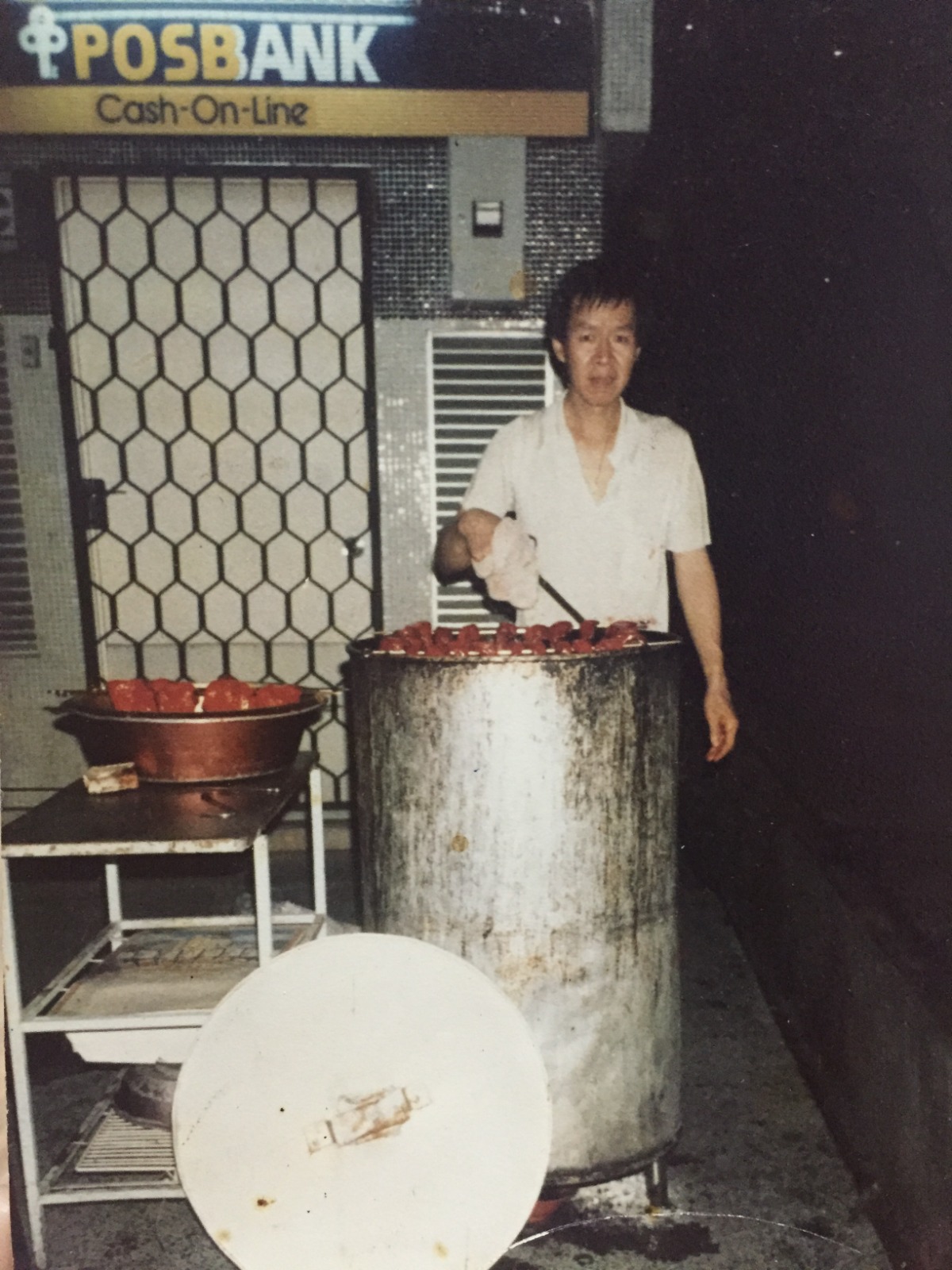
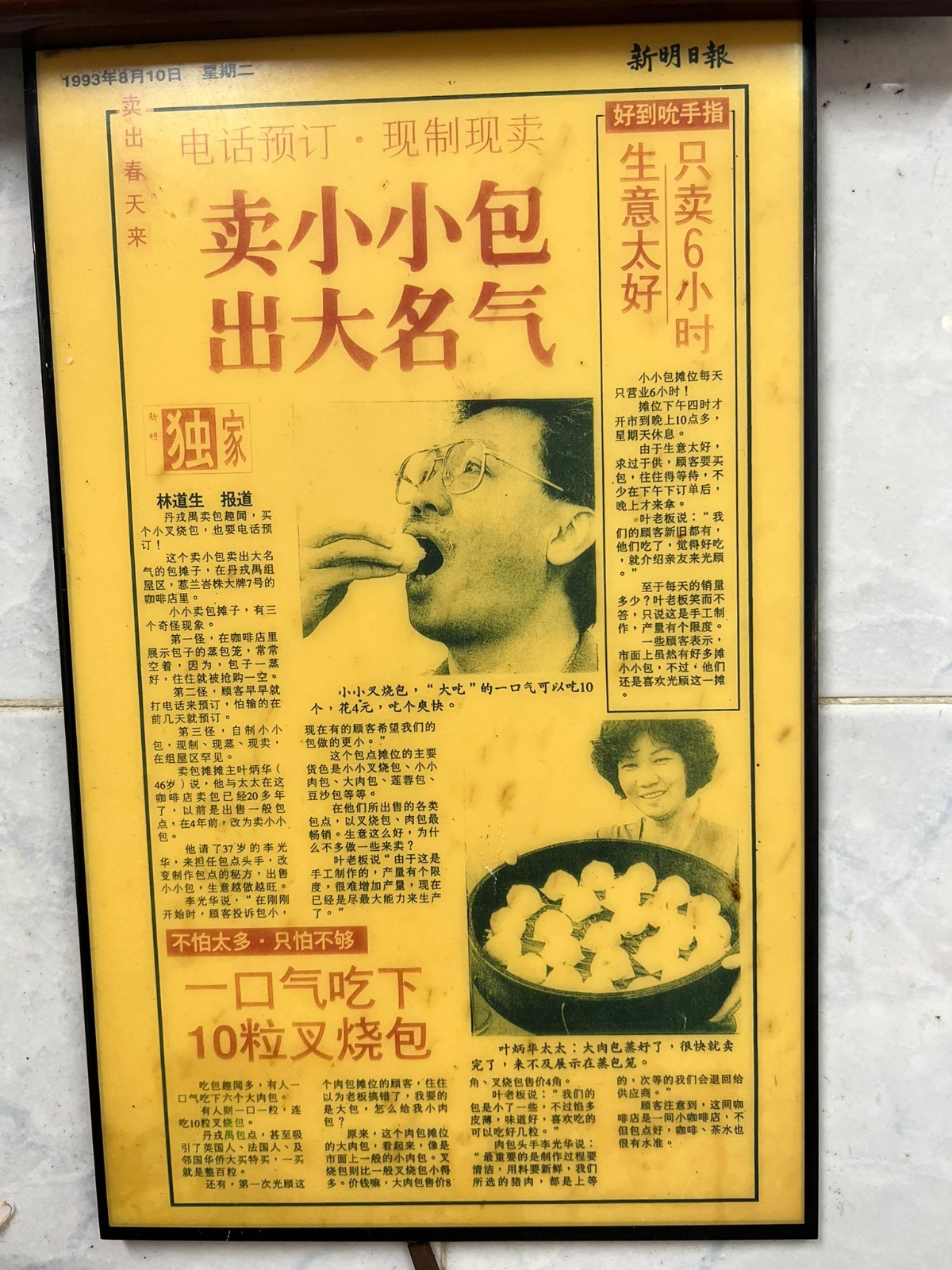
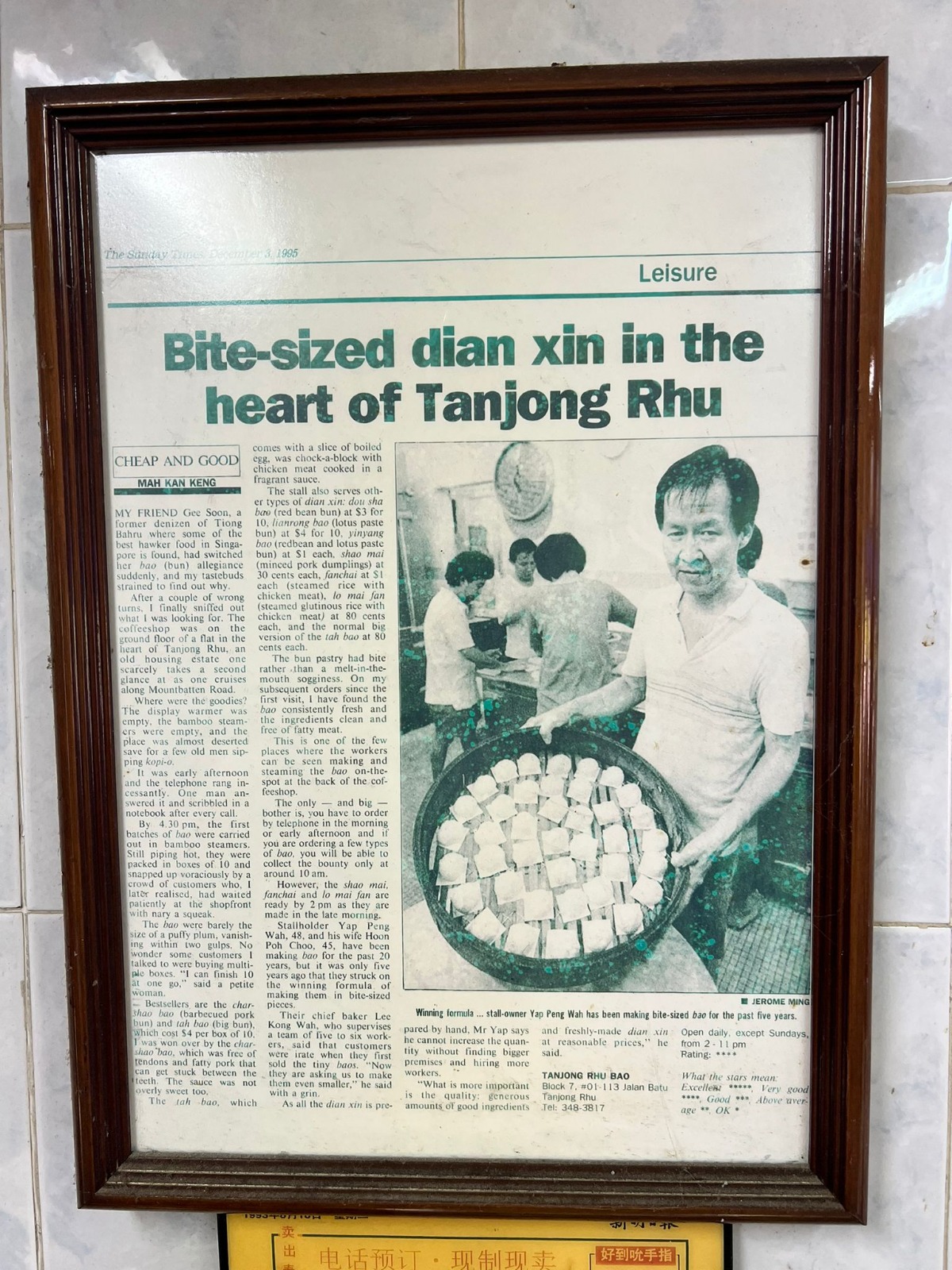
Long before the modern age of social media and viral food influencers, the brand built its stellar culinary reputation entirely through organic word of mouth. It became affectionately known among local taxi drivers and fiercely loyal customers as the shop without paus in the steamers. This humorous and endearing nickname came about simply because their freshly made batches would often sell out almost immediately after leaving the steaming kitchen.
Over the subsequent decades, they expanded steadily across the city, opening a second outlet at Thomson Road in 1996, another at Lorong 21 Geylang in 1998, and eventually moving to their current homes at Balestier Road and Guillemard Road. In more recent years, they also introduced modern kiosk formats at Great World and Tampines Mall to reach entirely new neighborhoods.
Despite this impressive physical growth, every single pau is still handcrafted daily by highly skilled bakers. Pioneer staff members are still a crucial part of the team today to ensure that all traditional techniques and consistent flavours are preserved.
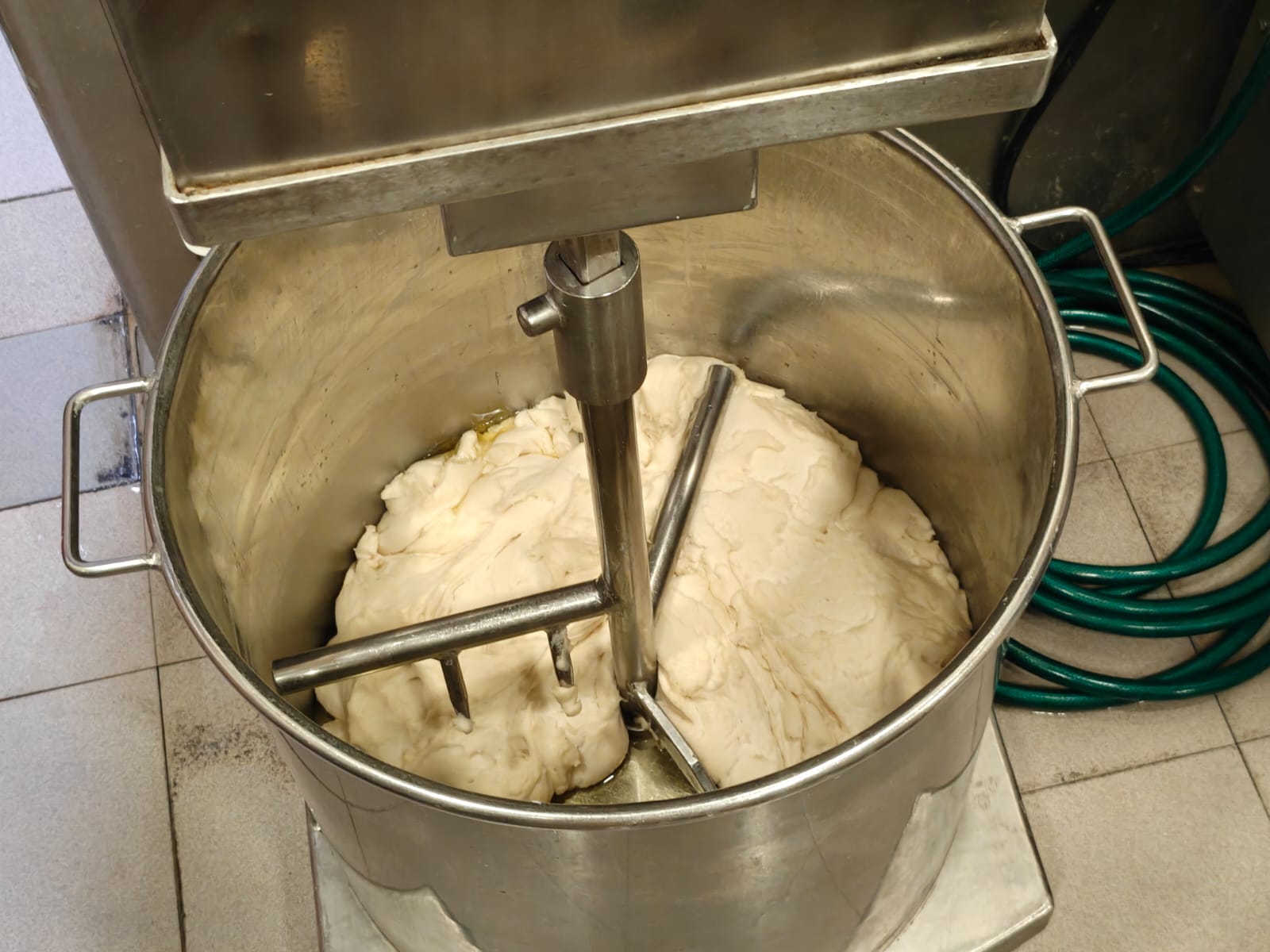
Their greatest culinary investment lies in a prized 30 year old mother dough. This carefully guarded dough is exactly what gives the pau skin its signature softness and gentle, satisfying chew.
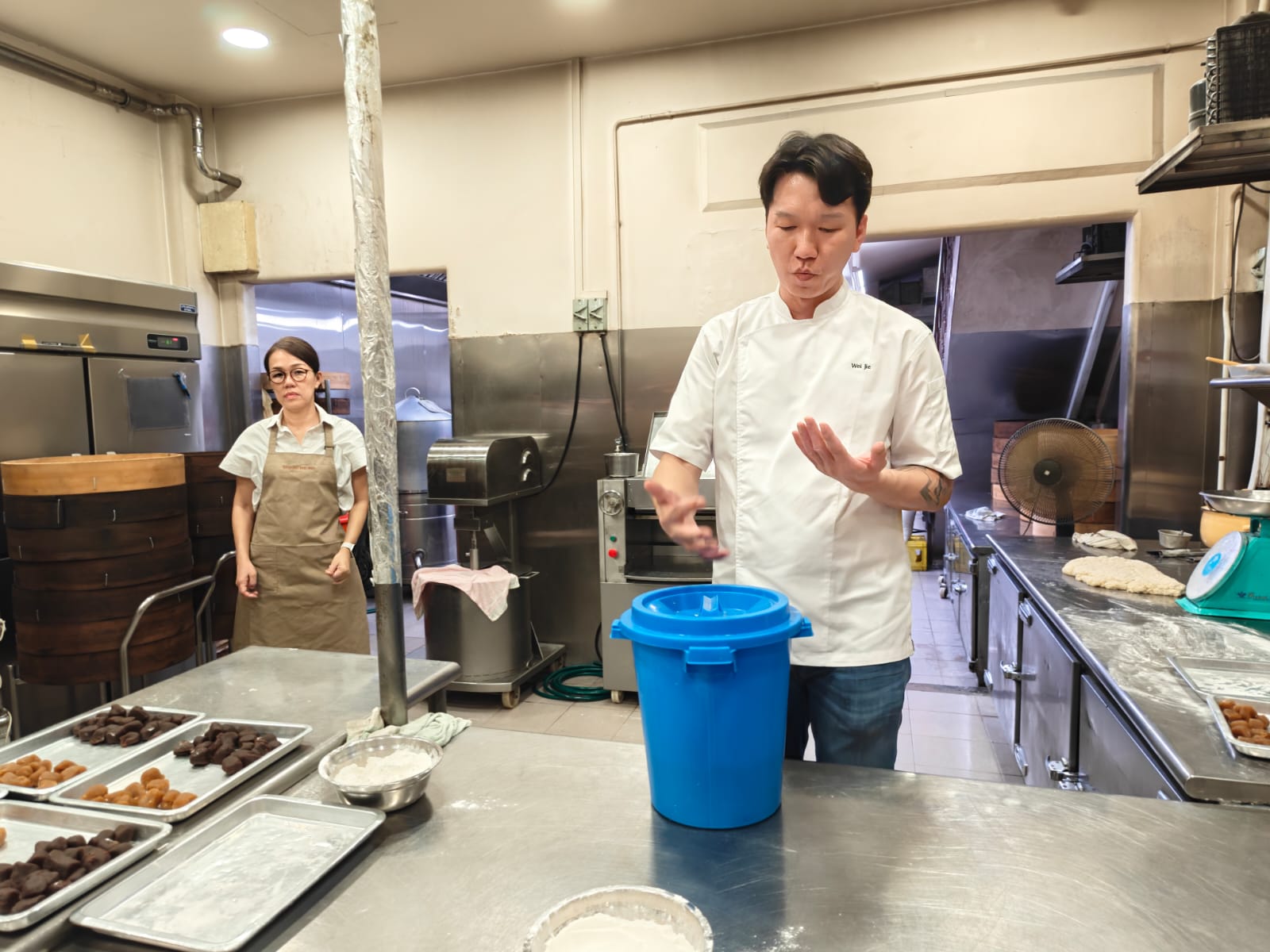
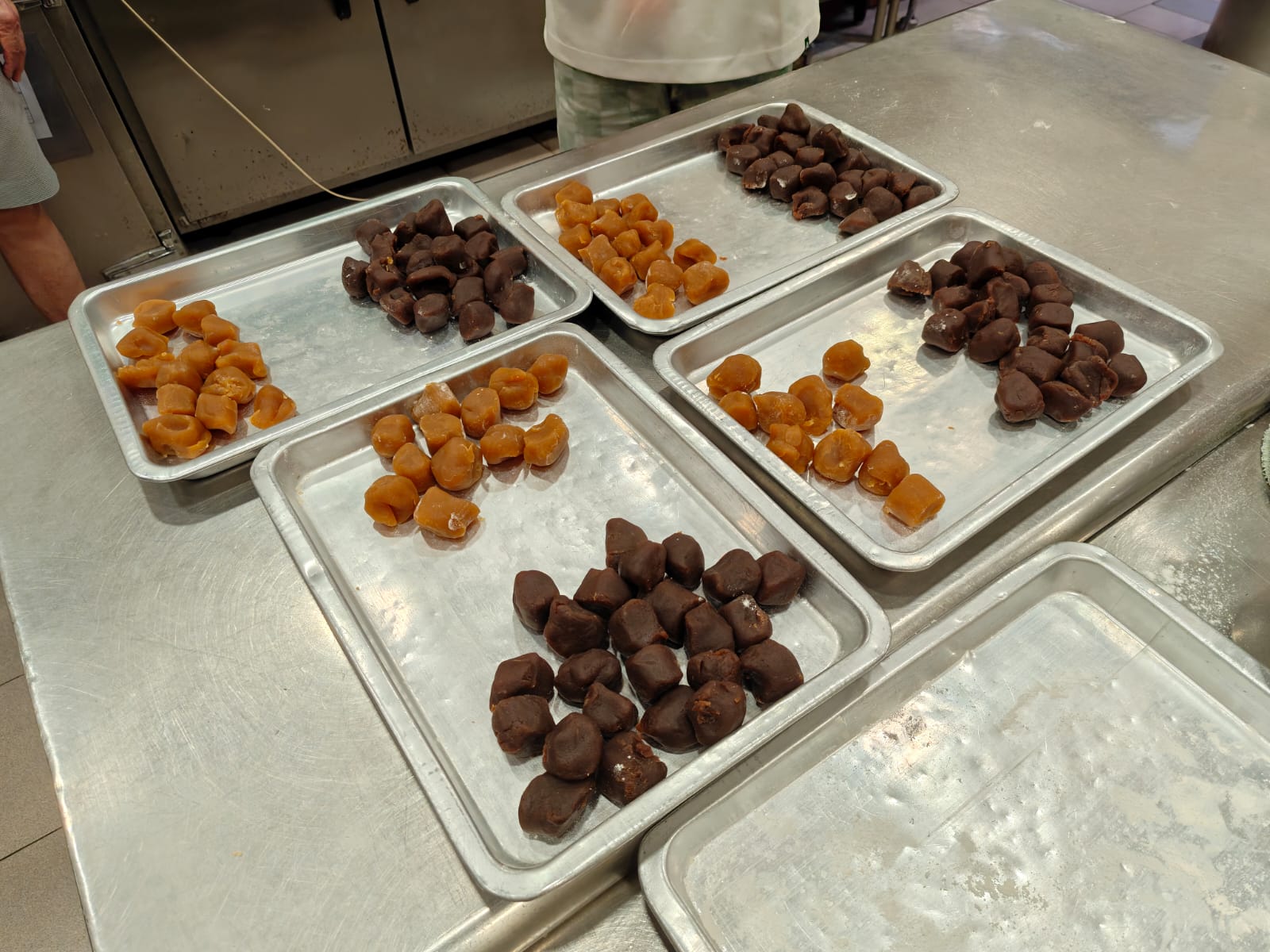
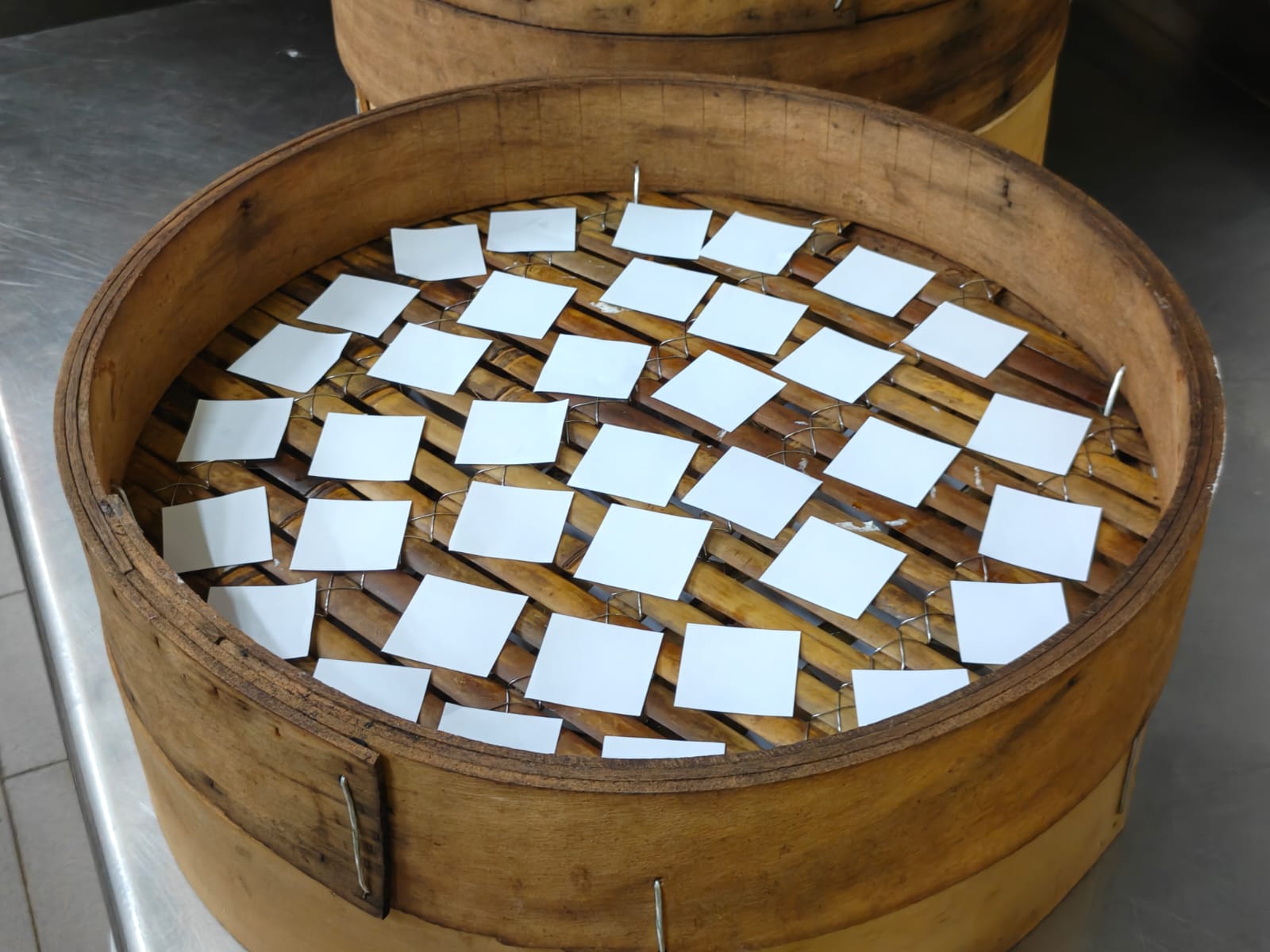
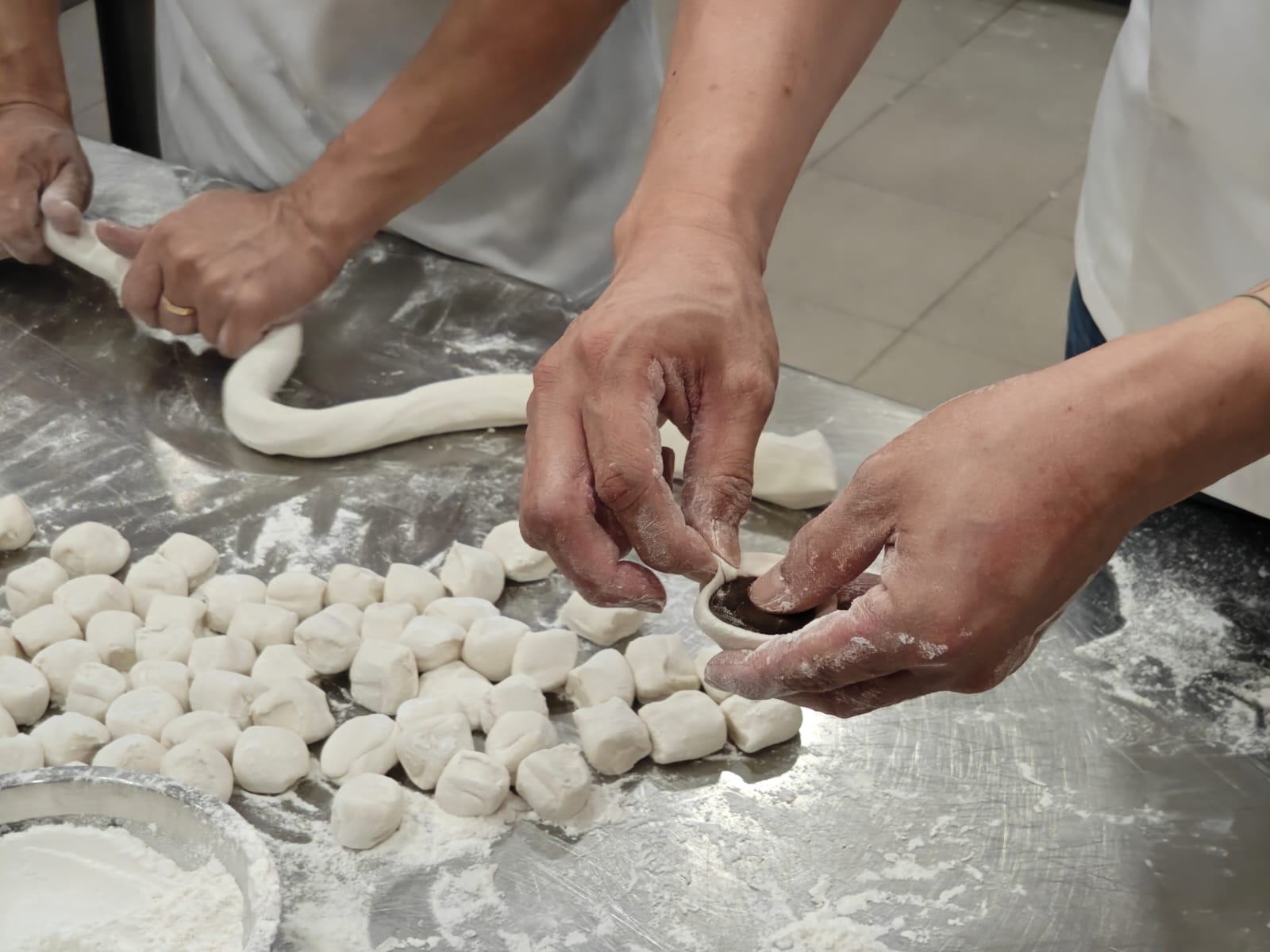
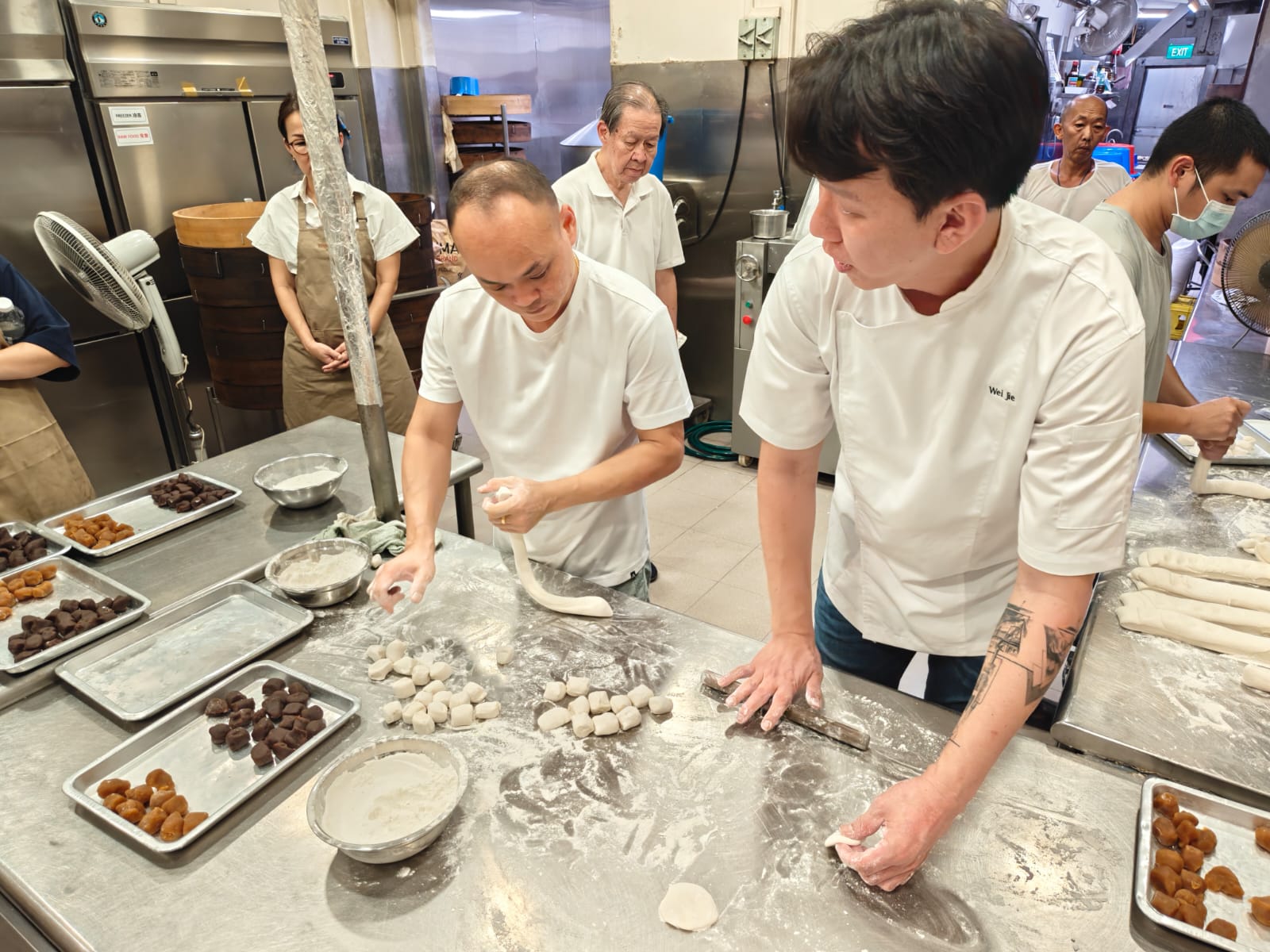
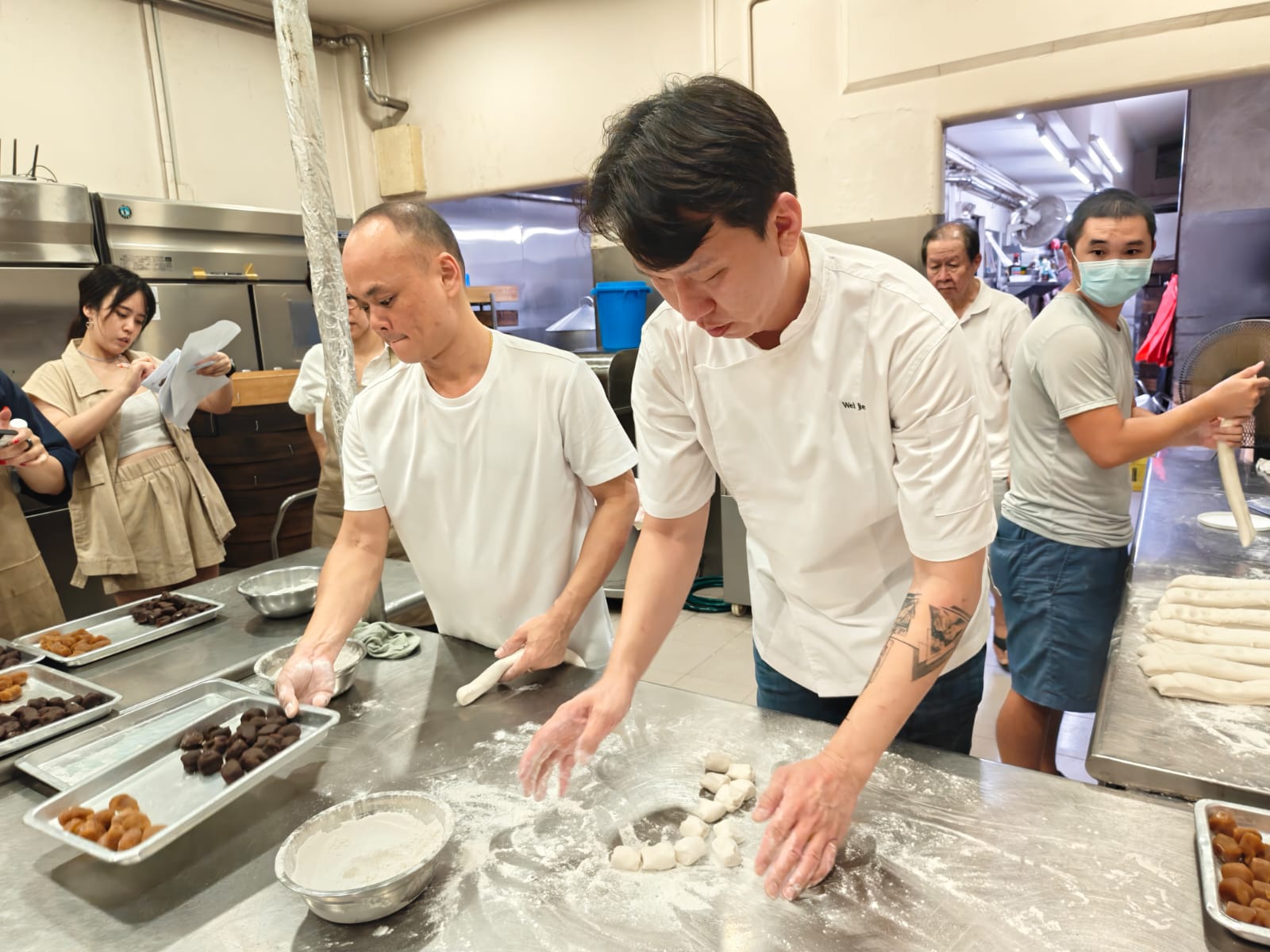
As I learn directly via a hands-on workshop with the family, pau making is a highly technical craft demanding absolute precision in fermentation times, filling balance, and steaming temperatures, requiring many years of dedicated practice to truly master.
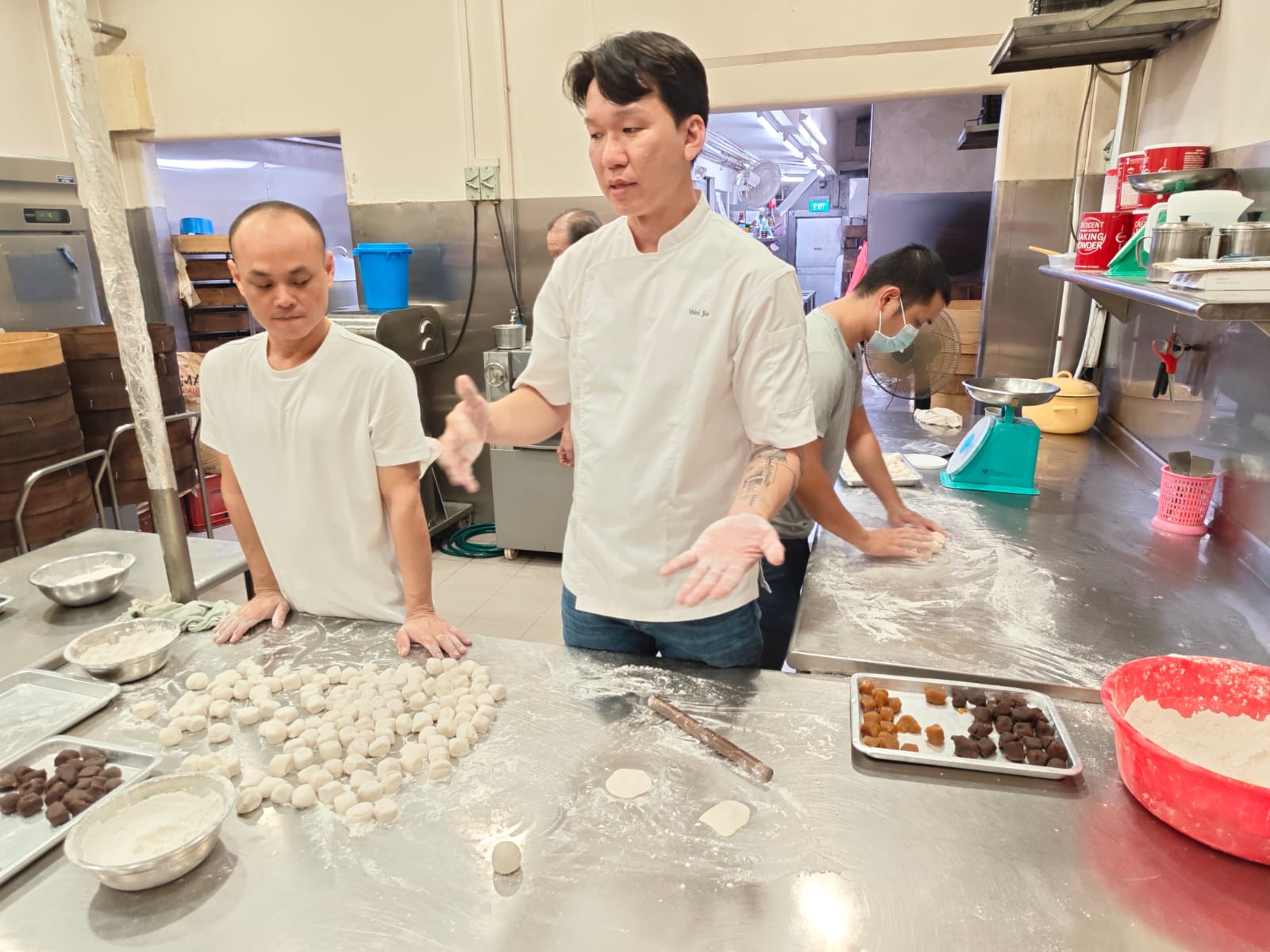
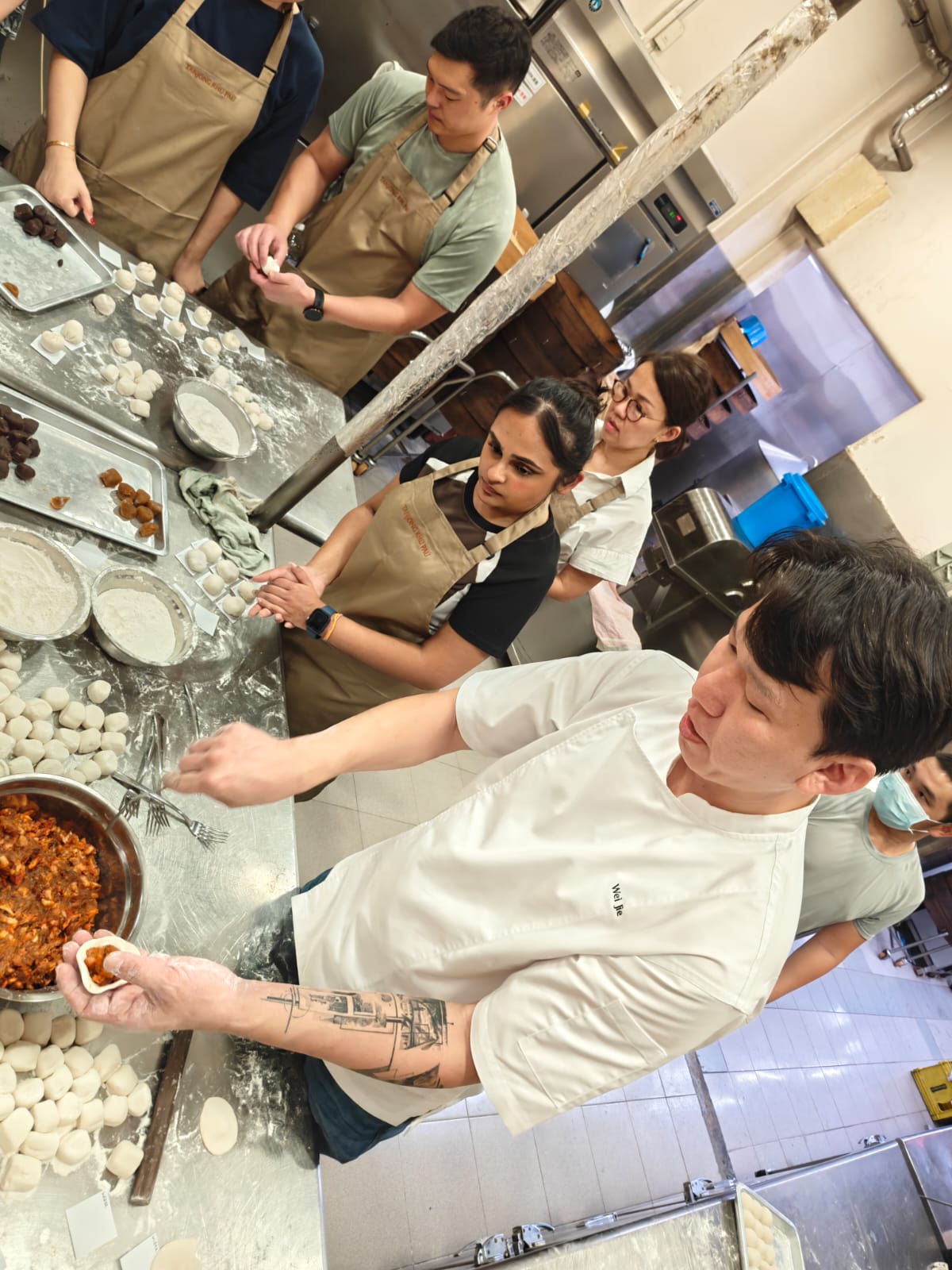
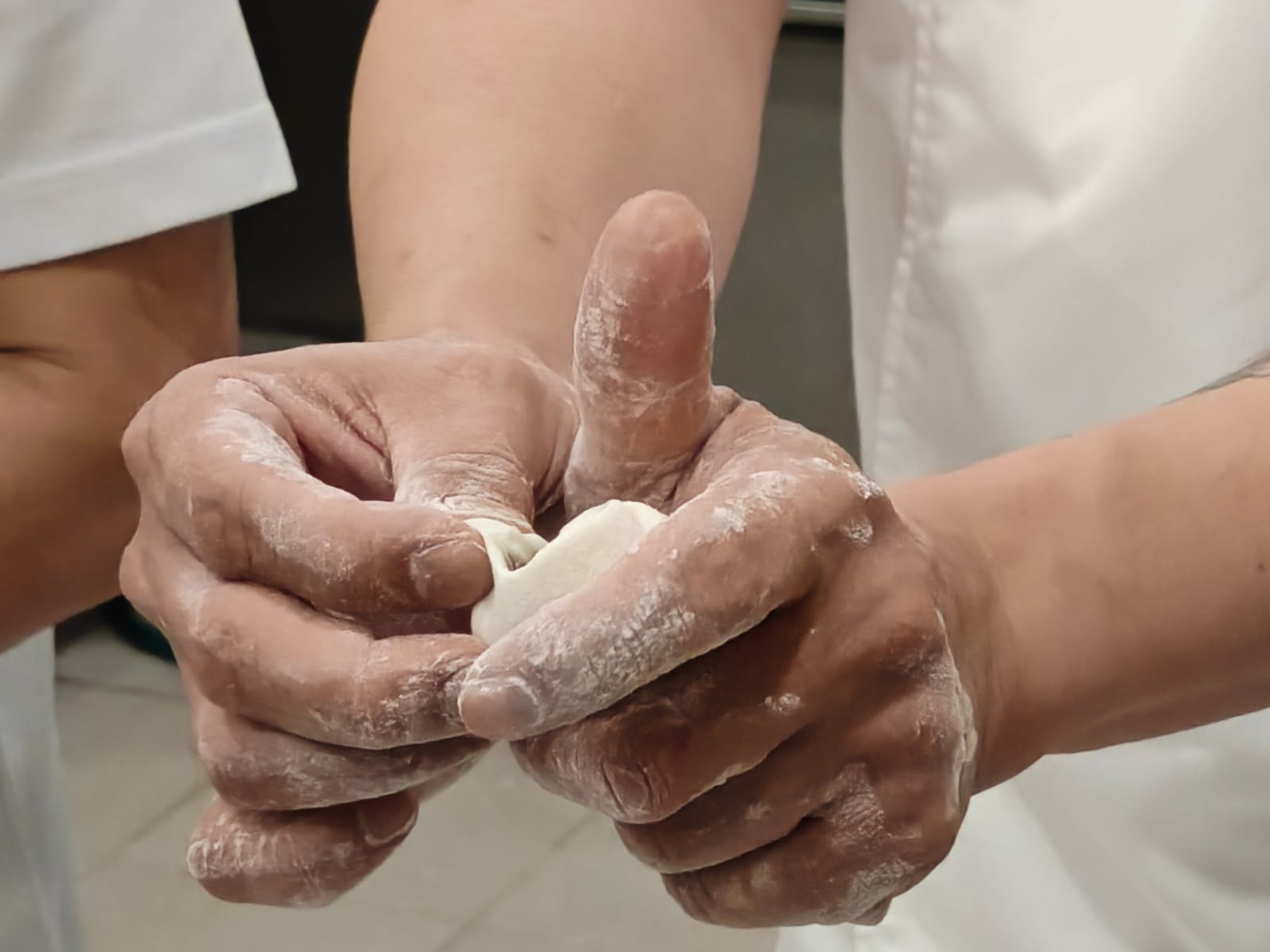
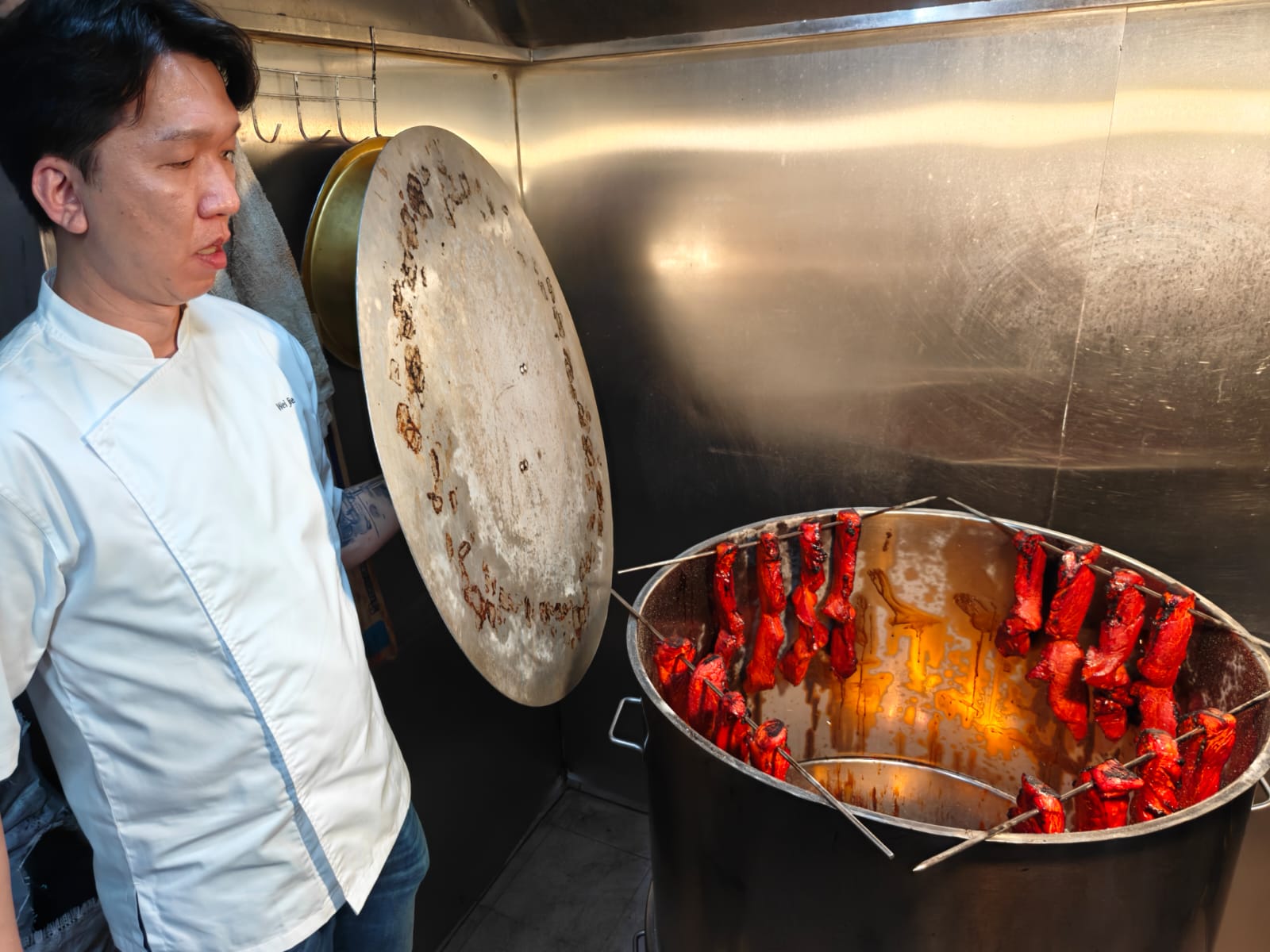
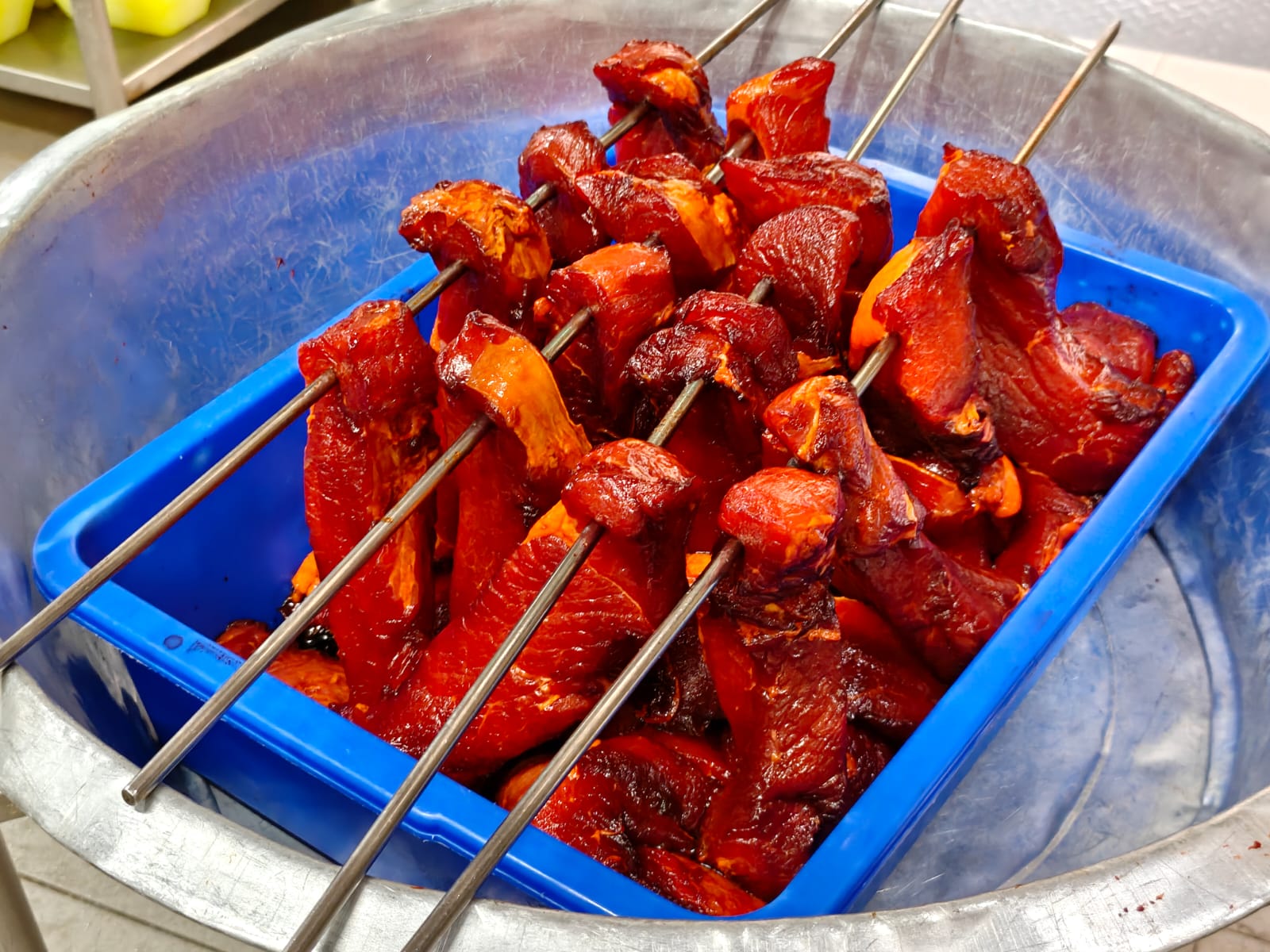
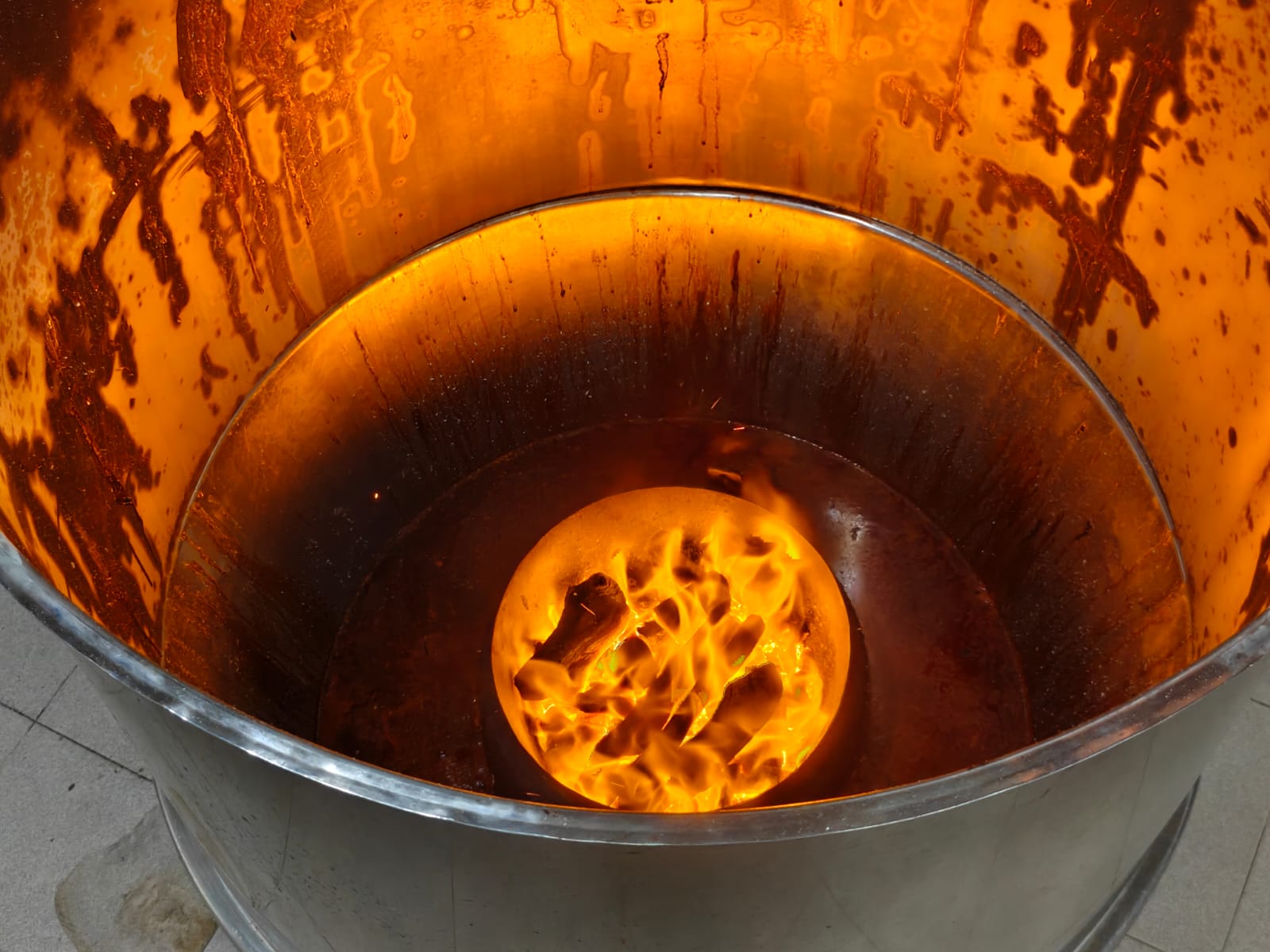
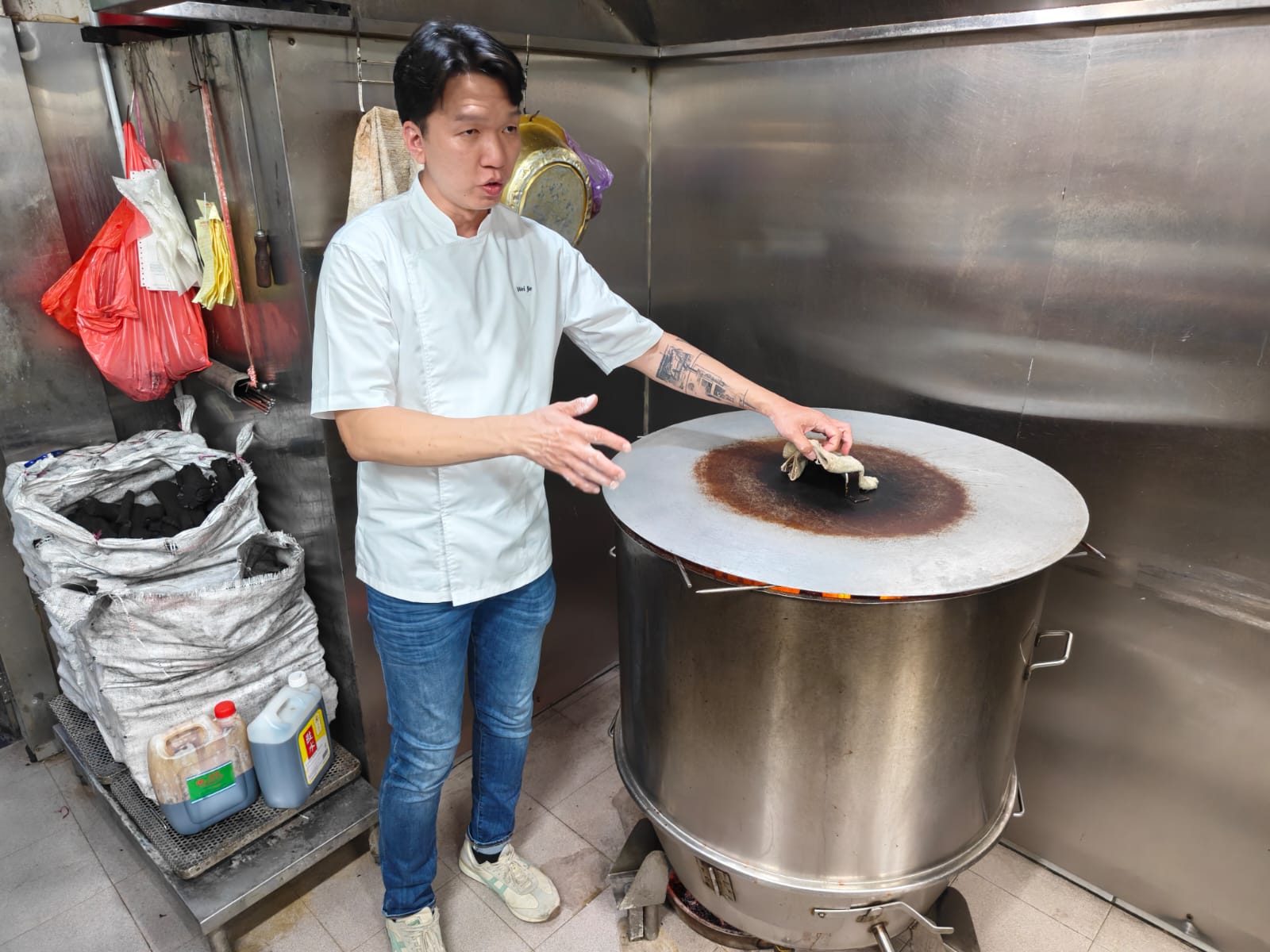
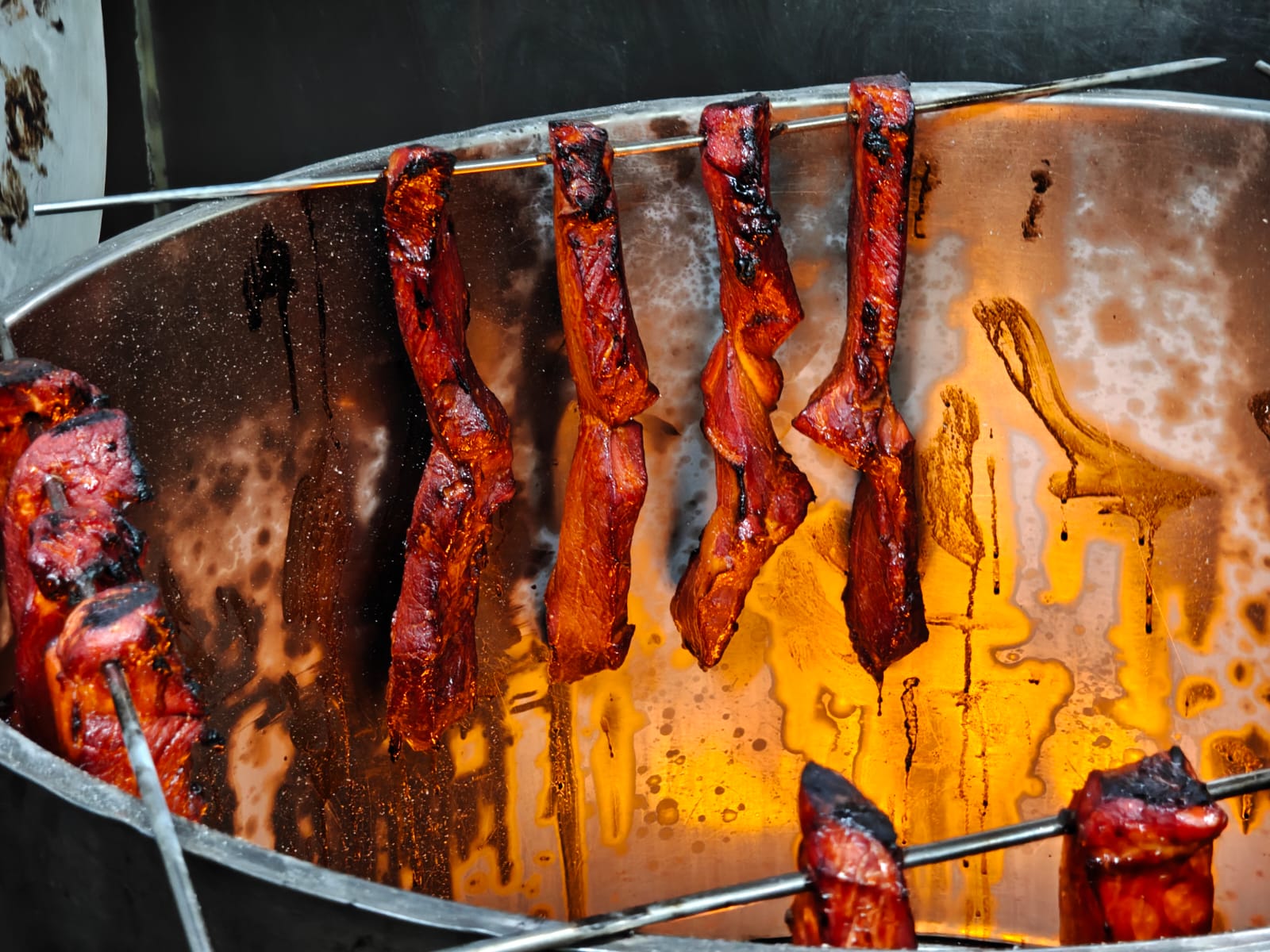
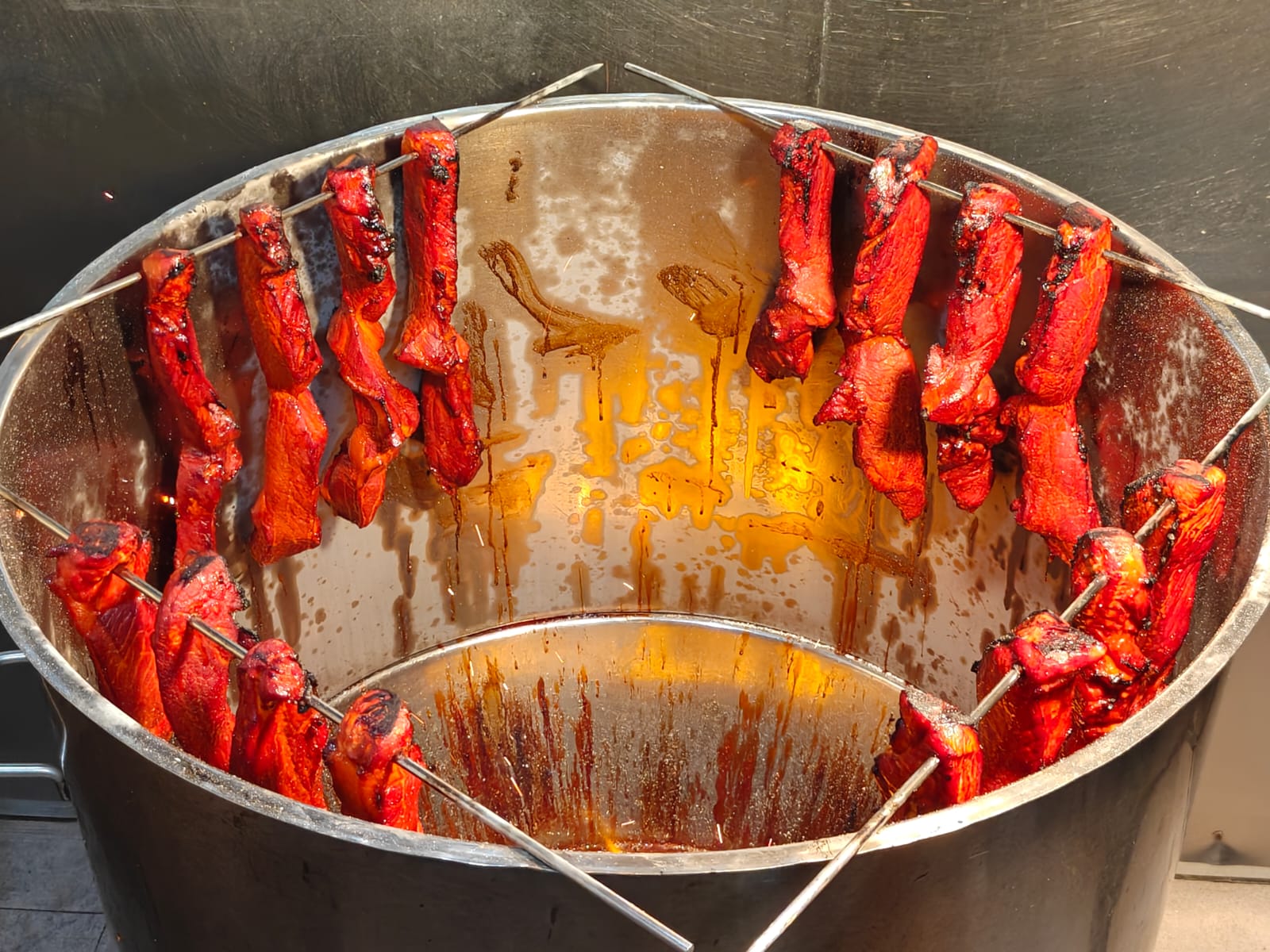
Furthermore, it is incredibly rare today to find char siew used inside paus that is actually charcoal roasted in-house. Tanjong Rhu Pau maintains this grueling, labour intensive traditional technique over a hot charcoal grill specifically to preserve the authentic, smoky wok hei taste that factory made bun fillings lack.
During my visit, I had the pleasure of sampling a wide array of their menu, making sure to taste all the iconic items they are famous for. To be honest, I believe most people in Singapore would have tasted their pau before. This is definitely not the first time for me.
I started with the signature Mini Char Siew Pau, their defining hallmark that started it all.
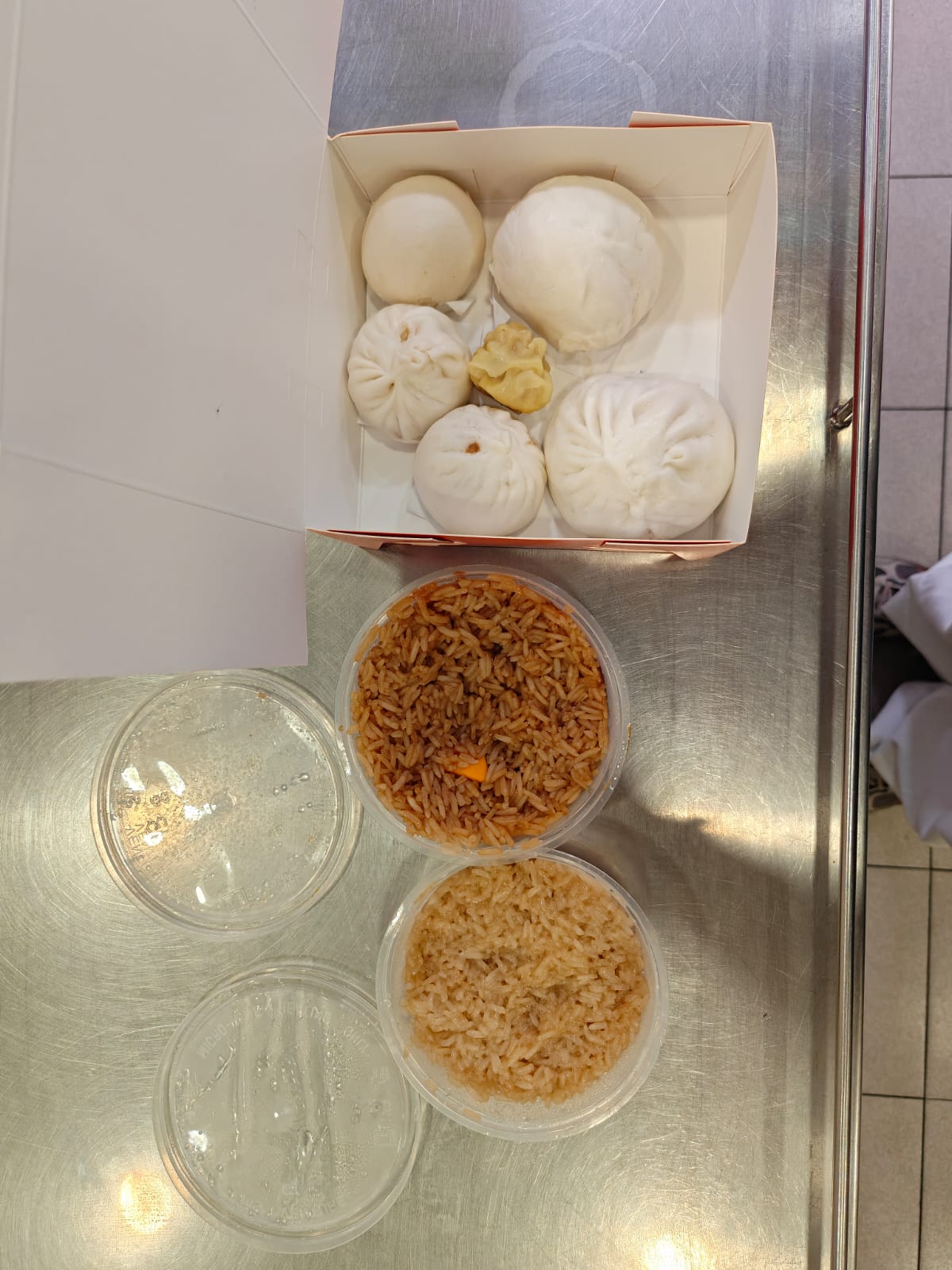
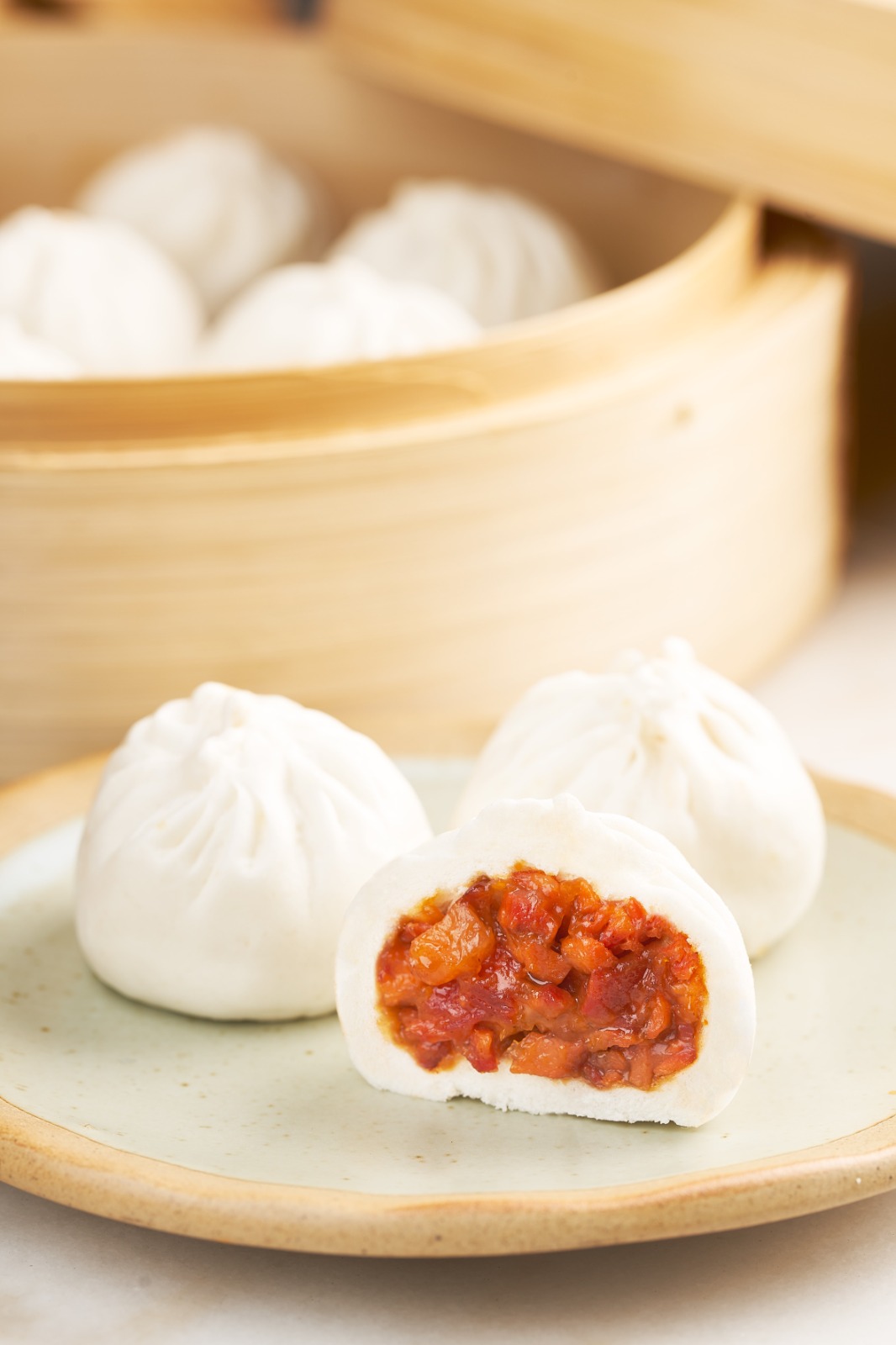
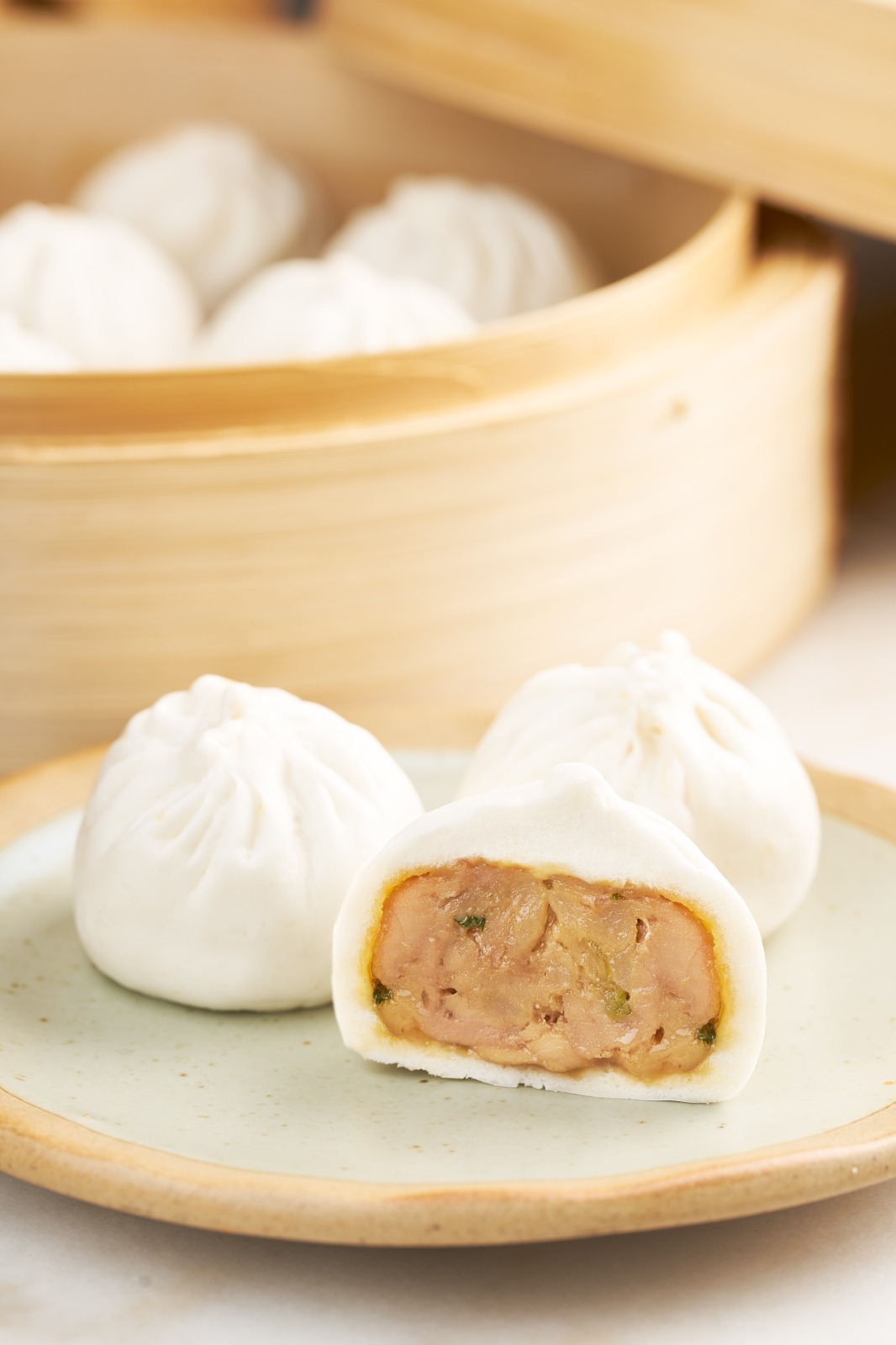
The meat inside is well prepared with a proprietary family sauce, presenting a well balanced bite where the soft, fluffy skin encases tender, succulent meat with an ideal skin to meat ratio.
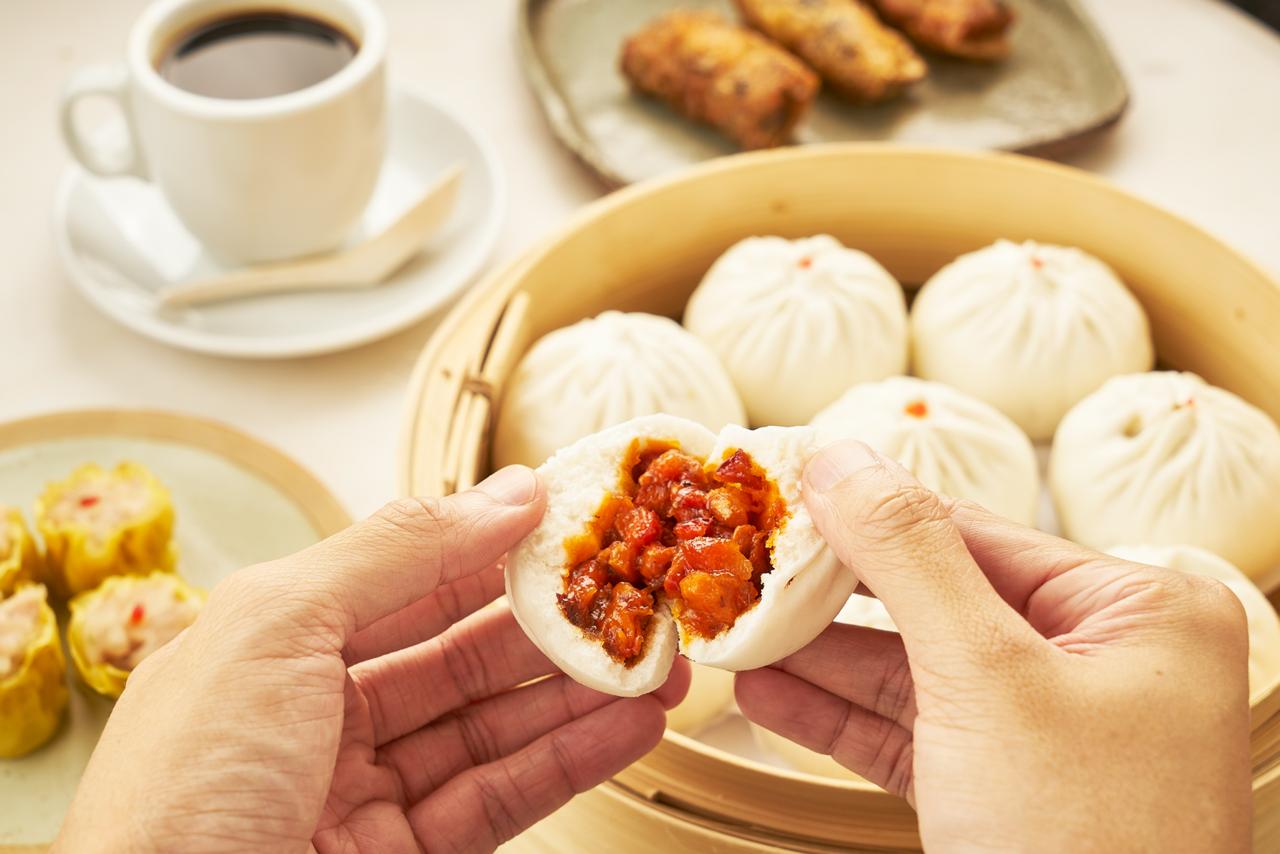
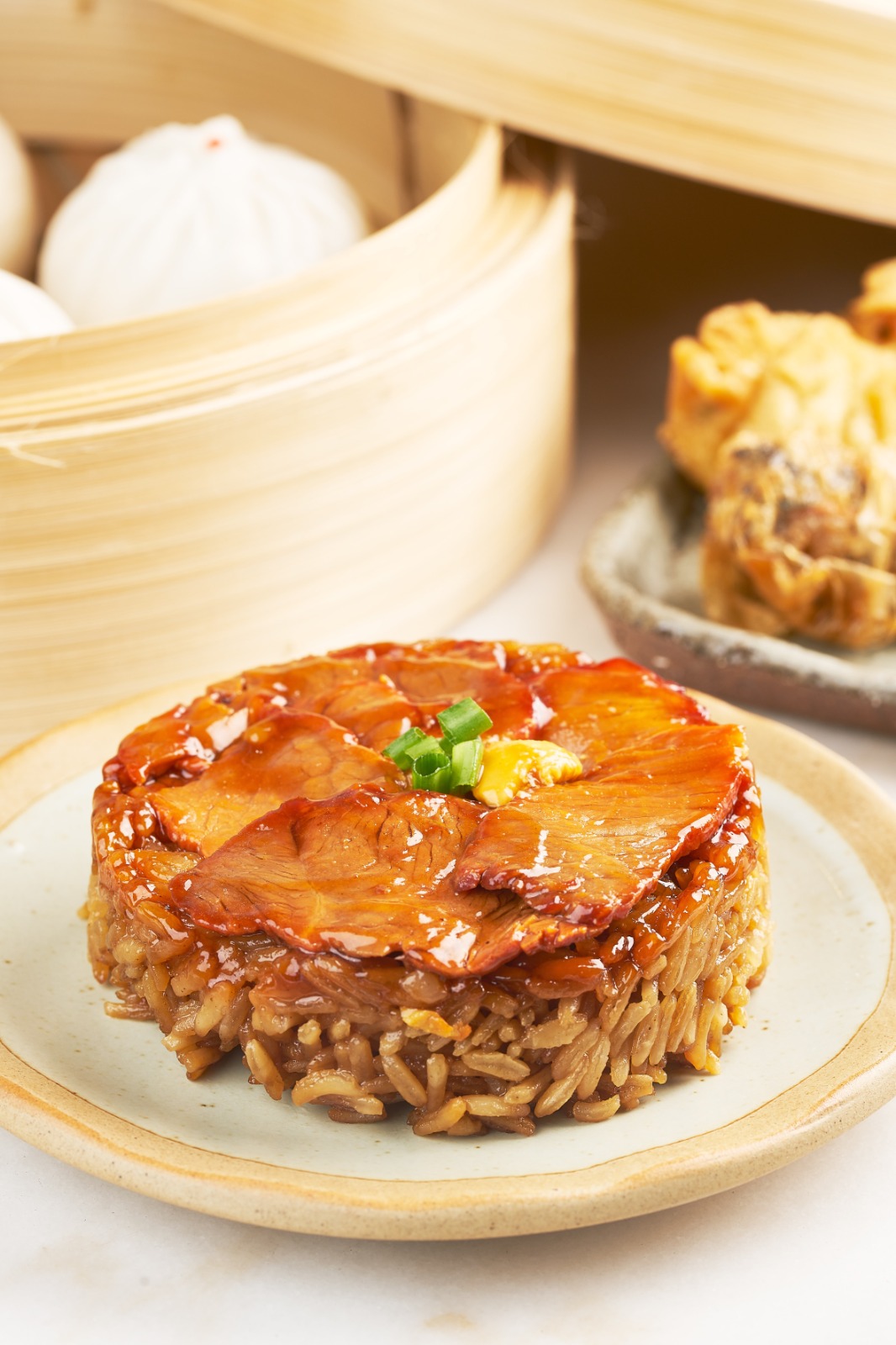
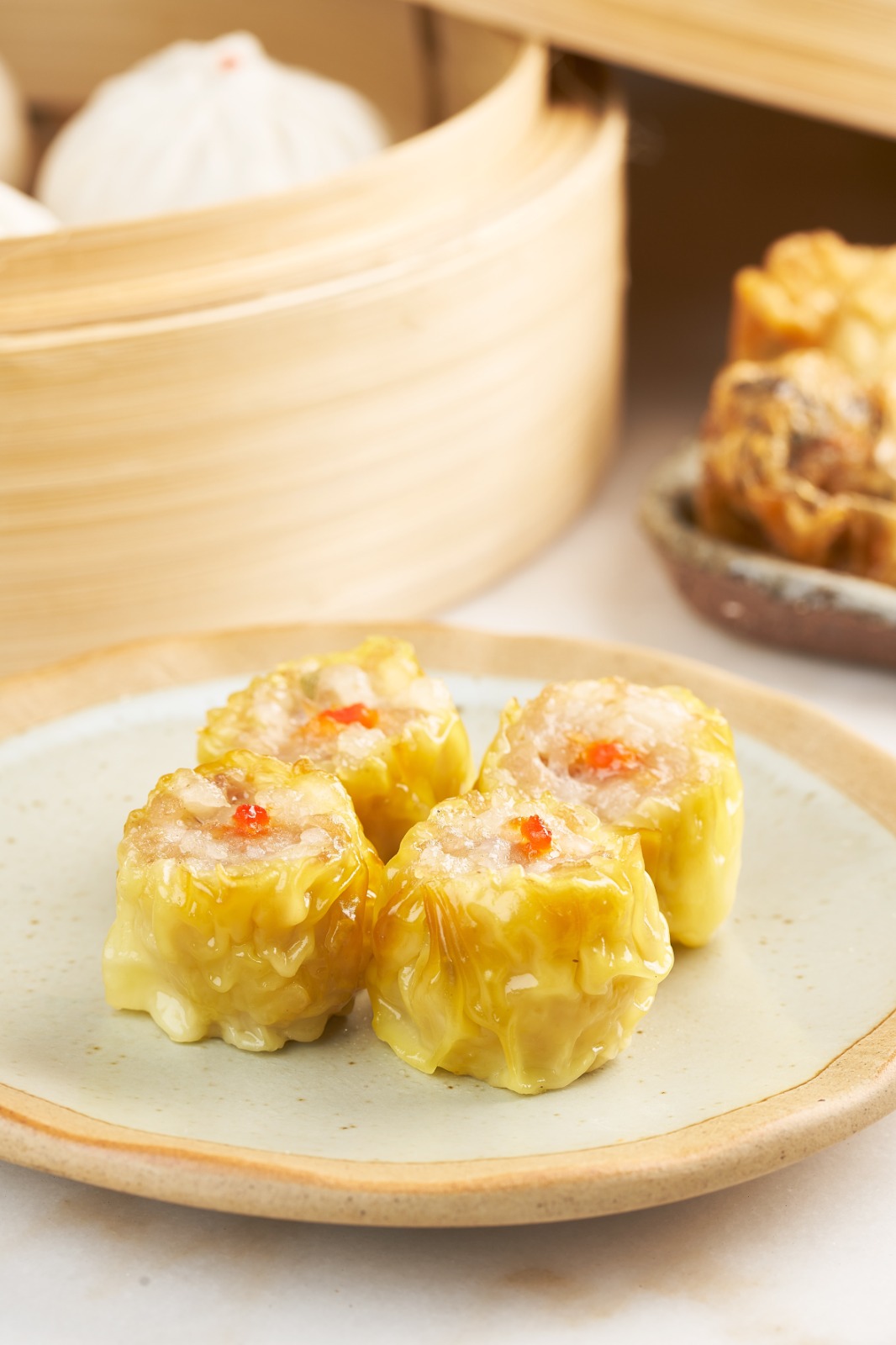
I then moved on to the Small Pork Pau, which was equally delightful and juicy. Beyond the buns, I savoured their hearty Fan Choy and Siew Mai, both classic local staples executed at high standards.
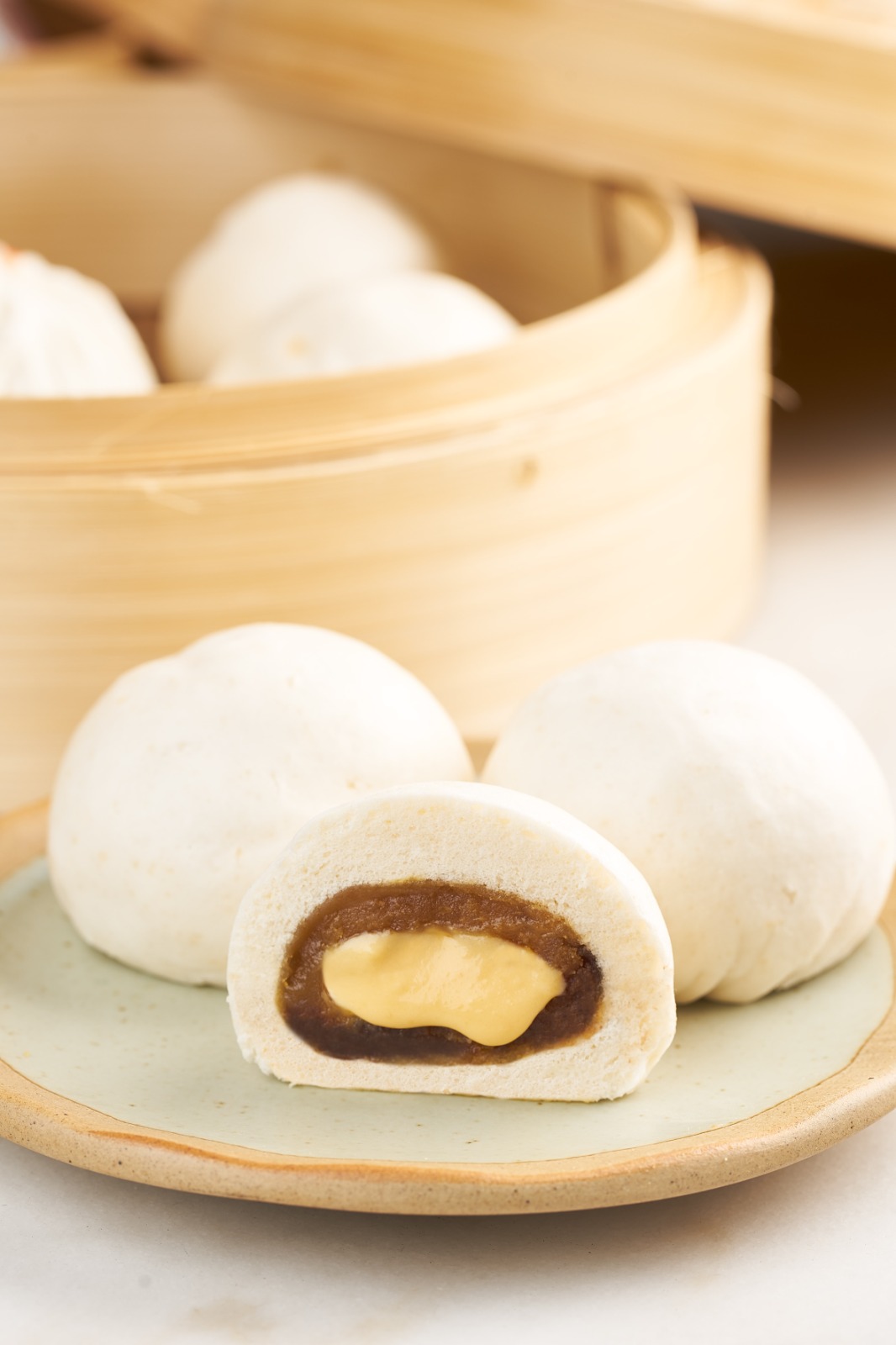
Finally, I tried their sweet Yuan Yang Pau. This dessert creation is filled with a triple blend of earthy red bean paste, smooth lotus paste, and a rich, slightly salty egg custard.
For customers who want to enjoy this exact same heritage taste in the comfort of your own homes, the shop offers excellent chilled takeaway options. These packed boxes can be kept for up to three days in the chiller or up to ten full days in the freezer.
Looking ahead, this resilient family run institution is marking a thrilling new chapter in its long heritage journey from the first quarter of 2026 onwards. They are significantly expanding their footprint by opening two brand new kiosks, bringing these beloved handmade creations to even more communities across Singapore. You can now find their steaming baskets at Food Republic at Mandai and Food Junction at Bishan Junction 8.
Alongside this physical expansion into new malls, all locations will debut revamped takeaway packaging and a newly refreshed logo.
As part of this evolution, their existing Takashimaya outlet will also be officially rebranded from Chin Sin Huan to Tanjong Rhu Pau, unifying the entire family business under one single, instantly recognisable identity.
30th Anniversary Promotion
To celebrate this milestone and officially kick off their new chapter, Tanjong Rhu Pau is rolling out a limited time promotion. From 1 March to 31 March 2026, if you buy eight Char Siew Paus, you get two for free.
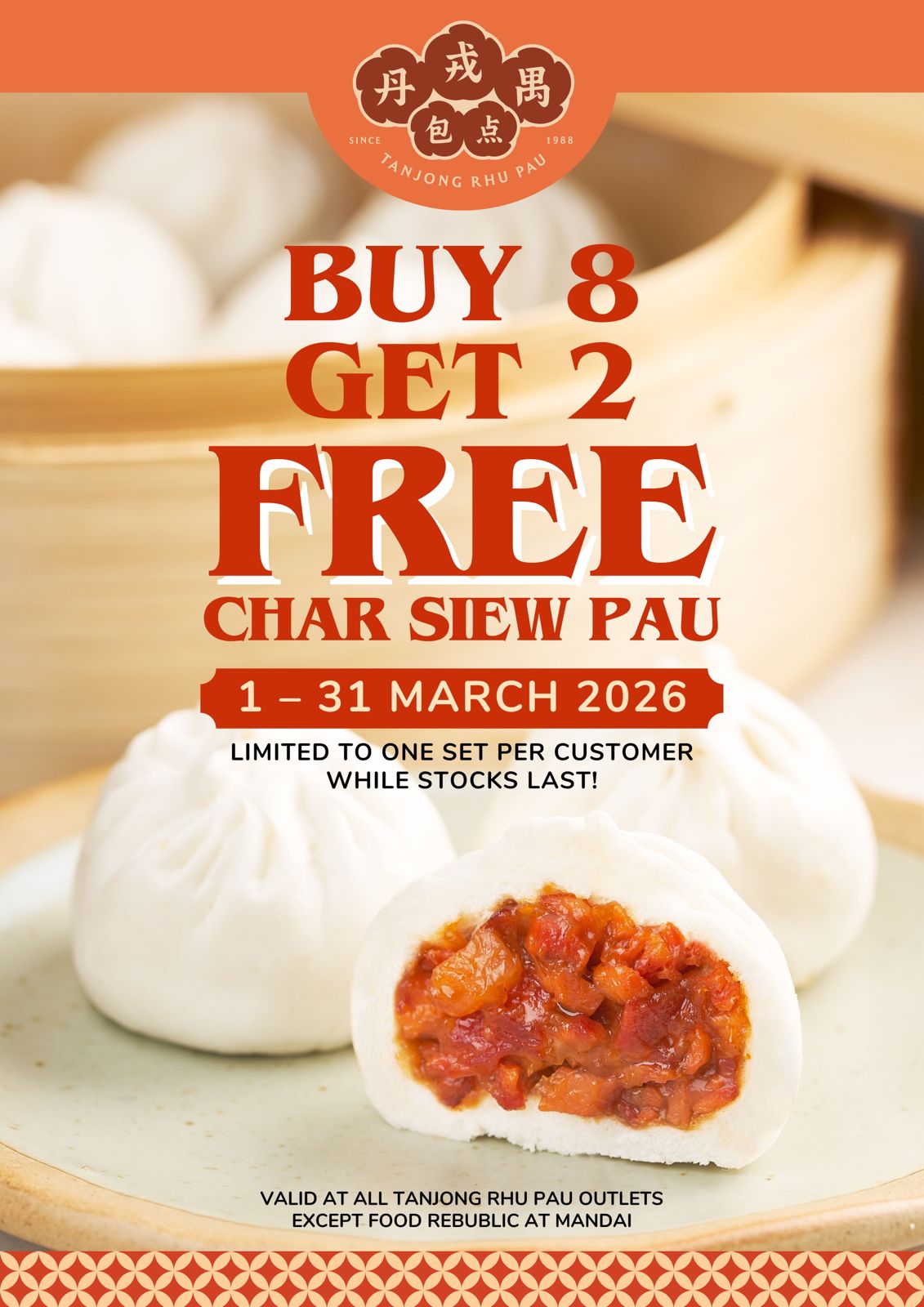
This promotional offer is valid at all Tanjong Rhu Pau shopfronts and kiosks, including the brand new Food Junction at Bishan Junction 8 location. Note that this promotion is not available at the Food Republic at Mandai location. The offer is strictly limited to one set per customer and is only available while daily stocks last.