


![[Review] Osteria Mozza's New Home at ION Orchard Brings a Different Take on Pizza, Pasta and Italian Comfort Food - Alvinology](https://alvinology.com/wp-content/uploads/2026/10/osteria-mozza-11-110x110.jpg "[Review] Osteria Mozza's New Home at ION Orchard Brings a Different Take on Pizza, Pasta and Italian Comfort Food")
![[Review] HONOR X9e Pro Lands in Singapore with an 11,000mAh Battery That Doubles as a Power Bank - Alvinology](https://alvinology.com/wp-content/uploads/2026/10/honor-9xe-purple-06-110x110.jpg "[Review] HONOR X9e Pro Lands in Singapore with an 11,000mAh Battery That Doubles as a Power Bank")


Rental demand is the heartbeat of income property. When more people want to rent in a market, cash flow grows, risk drops, and investors gain options. When demand cools, the same asset can feel heavy, even if it looked great on paper.
Smart investors track demand early and often. They watch who is moving in, what renters want, and how fast units lease. They test how sensitive returns are to vacancy and rent growth before they commit capital.
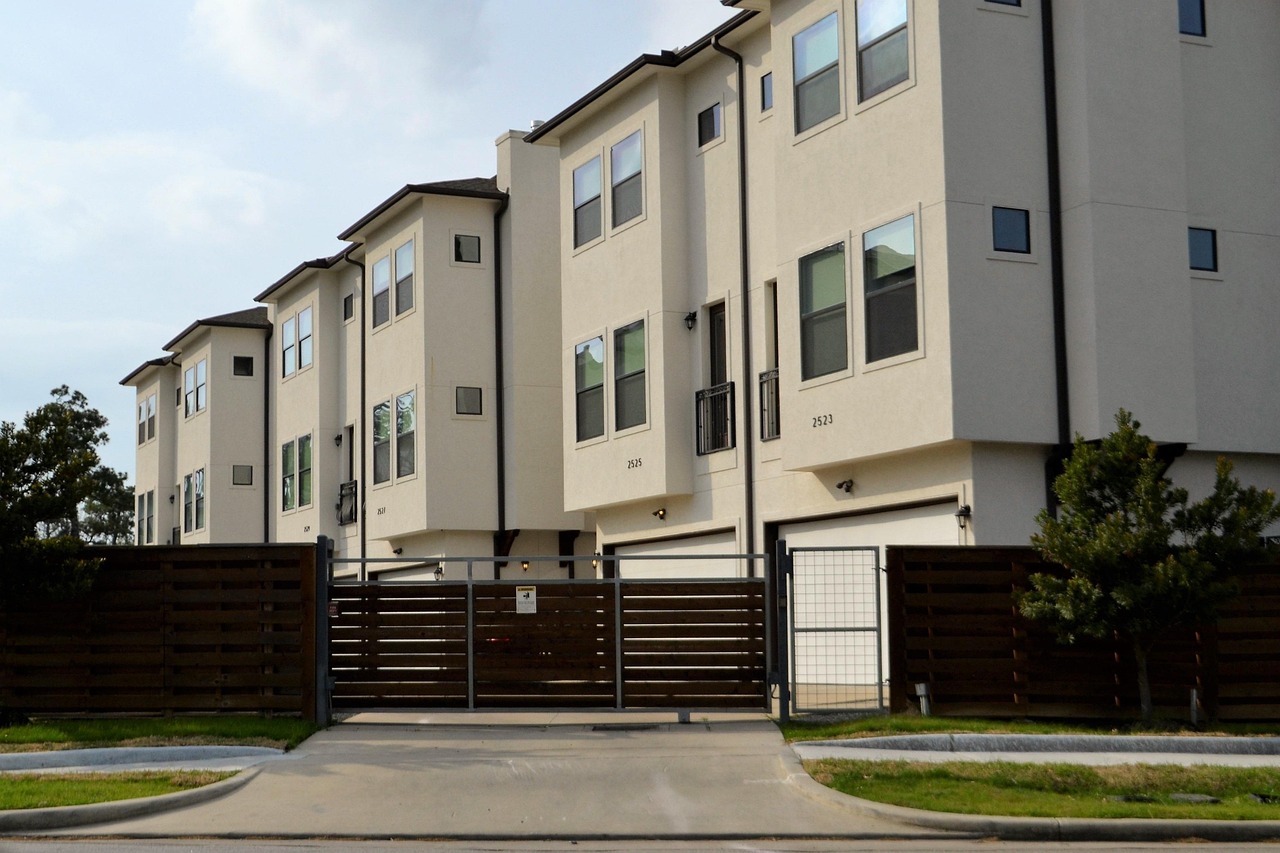
Reading Demand Signals In Today’s Rental Market
Every plan starts with a clear view of renter demand. Look at household formation, new job announcements, and city permit data together. That mix shows if more renters are arriving than there are doors ready to house them.
Test momentum. Map leasing velocity by neighborhood, not just citywide. A hot submarket can sit next to a soft one, and that gap can make or break your underwriting.
Separate structural demand from short-term noise. Students, new grads, and recent arrivals behave differently from long-time locals. If your plan depends on a single group, control for seasonality.
A national lens helps you set your base case. A recent federal survey showed rental vacancies near the high single digits and owner vacancies near the low single digits, signaling a market where choice exists but isn’t unlimited, according to the U.S. Census Bureau’s Housing Vacancy Survey for late 2025.
Sizing Markets And Submarkets By Renters
Start with renters, not buildings. Profile of those who rent in your target area by age, income, household size, and tenure. Then pair that profile with unit types and price points that already move.
Investors increasingly blend rent comps with digital demand signals. Many calibrate their strategy with a real estate tokenization platform that mirrors local rent dynamics, so small changes in demand are visible in near real time. This makes it easier to align capital with the submarkets where leasing stays brisk.
Go one level deeper and map commute sheds. A new transit stop or logistics hub can shift demand a few blocks, not across a county. Your plan should follow those micro shifts.
Keep an eye on school districts and short-term rental rules. These can change renter makeup fast. If rules tighten, long-term rentals may see a lift.
Vacancy, Absorption, And The Timing Of Buys
Timing matters. Rising absorption with flat rents can be a quiet green light, because occupancy tightens before pricing power returns. The reverse warns you to be patient.
Use a simple dashboard to guide entry points and renovations. Track a few metrics week by week, not just monthly or quarterly.
- Net absorption by class and bedroom count
- New lease trade-out vs renewal growth
- Days-on-market for rentals
- Concession depth and share of units with discounts
When these lines improve together, it is safer to buy, renovate, or launch lease-ups. When they diverge, protect cash, trim exposure, and hold off on premium upgrades.
Pricing Power, Concessions, And Lease Strategy
Pricing power lives in the gap between what renters want and what is available. If your comps cut concessions and still lease quickly, your plan can support higher rents without extra risk. If discounts deepen, protect occupancy first.
Structure leases with seasonality in mind. Shift expirations away from slow months to avoid surprise vacancies. Offer longer terms when demand is soft to lock in stability.
Renewals are gold. A modest increase with a low-cost refresh often beats chasing a higher rent on a vacant unit. Aim to keep the customers you already know.
Listings strategy matters. Short, clear descriptions and fast response times cut days-on-market. Photos and virtual tours help you pre-qualify interest and reduce no-shows.
SFR, Multifamily, And Build-To-Rent
Match the product to the renter. Single-family rentals can attract longer stays and higher incomes, but turns cost more. Urban studios can lease fast to young workers, but churn is higher.
In some metros, average vacancy has hovered near the mid single digits across major markets, according to industry reporting that summarized Moody’s Analytics data via Multi-Housing News. That range rewards assets with strong value props and good operations.
Build-to-rent shines where household formation outpaces for-sale supply. It offers space and privacy with professional management. The key is sitting near jobs and services renters use every week.
Garden apartments still work near new employers or colleges. Focus on safety, parking, and quiet. Those basics fuel renewals even when a new supply arrives.

Underwriting With Demand Assumptions
Great underwriting turns demand signals into model inputs. Set a base case, then stress-test downside and upside. Use simple rules, so your team can repeat the process deal after deal.
Document the demand levers you will test in every model. Keep a consistent playbook so results are comparable across deals.
- Rent growth by unit type and renewal vs new lease
- Physical vacancy, economic vacancy, and bad debt
- Turnover rate and turn costs
- Exit cap, sale timing, and refinance assumptions
Build buffers where demand is more volatile. If a submarket swings fast, underwrite slower lease-ups and higher concessions. That way, your base case already holds room for error.
Amenity Mix And Unit Design
Demand isn’t only about location. It is about what the unit offers at a given price. The right package of features helps you hold rent without giveaways.
Target practical amenities renters use weekly. In-unit laundry, package lockers, and reliable internet often rank higher than a seldom-used lounge. Small upgrades can deliver big perceived value.
Design for flexibility. A bedroom that fits a desk and a queen bed wins renewals. Extra storage beats flashy but unused features.
Track service response times. Fast fixes earn renewals and referrals. The cheapest way to grow net operating income is to keep good renters happy.
Risk Management When Demand Softens
Every market gets soft. You can prepare without guessing the exact month. Build a plan now so you move fast later.
Protect occupancy first. Adjust pricing bands and add short-term concessions with clear end dates. Keep renewal increases modest until velocity returns.
Tighten screening, but don’t stall the pipeline. Faster approvals with consistent standards can reduce costly gaps. A strong onboarding process lowers bad debt.
Communicate with lenders early. Show your plan, your metrics, and your operating moves. Transparency buys time to execute.
Rental demand is the compass for income property. Read it well and you can time entries, shape product, and protect cash flow.
Stay humble with the data and nimble with the plan. Markets change, but a clear demand playbook keeps you moving in the right direction.