





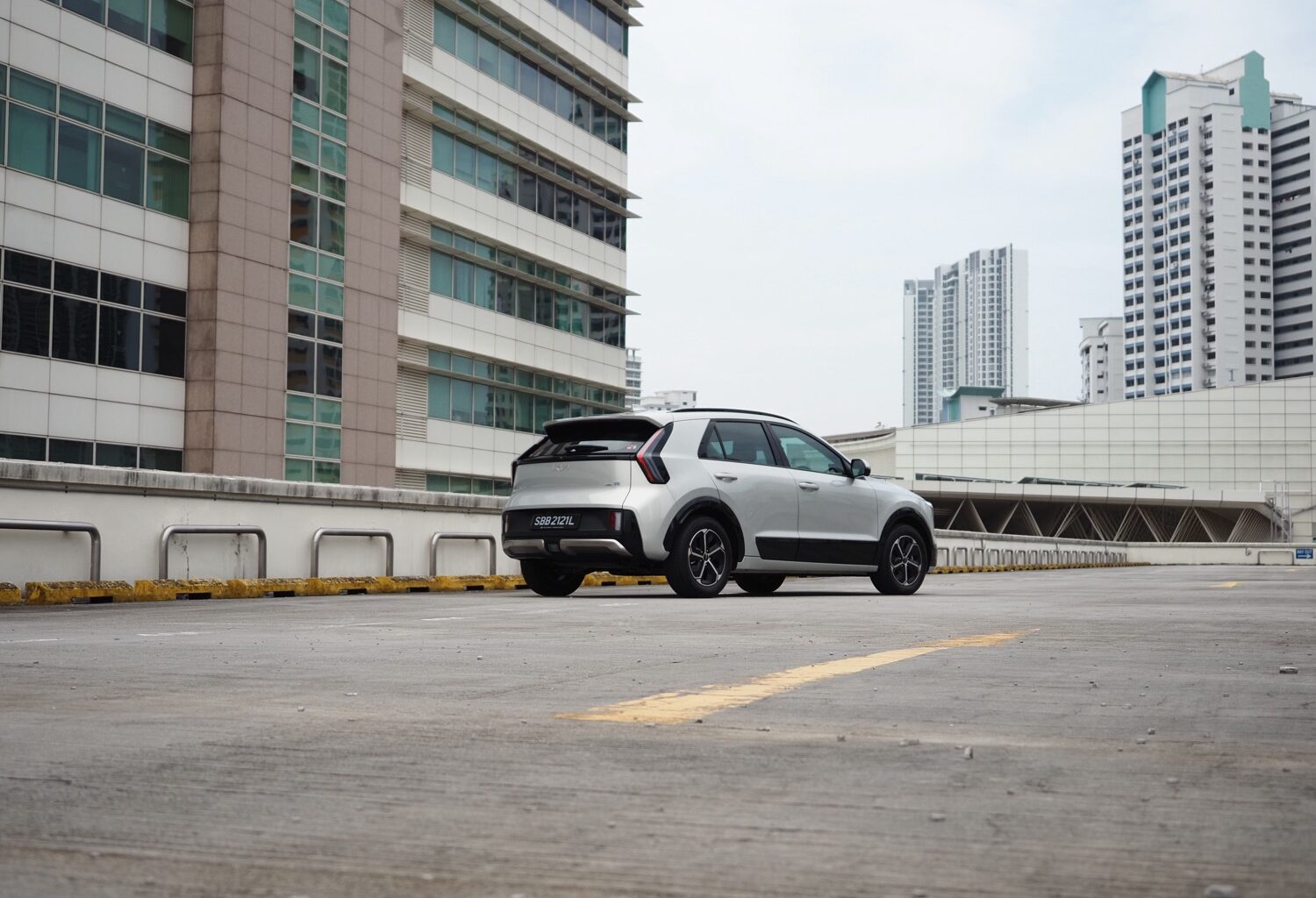

I’ll admit it. I still like a good old petrol engine.
I like the sound when you put your foot down. I like the little ritual at the petrol kiosk: five minutes, a top-up, a packet of random snacks or drinks from the counter, and you’re good for another few hundred kilometres.
But I’ll also admit this. Every time an EV-owning friend cools their car from the lift lobby, or mentions it updated itself overnight, I get a little jealous. Unless you drive a premium or luxury petrol car, you’re still handed a physical key and the same old routine. Walk to the car parked under the afternoon sun, get in, start it, then sit there baking while the aircon slowly catches up.
If that sounds like you, the latest Kia Niro Hybrid might remove all that jealousy. It still runs on petrol, with an electric motor helping out. And this was my first time with one, so I came in with zero expectations. I left thinking it’s the most connected petrol car I’ve driven in Singapore.
It looks like an EV without being one
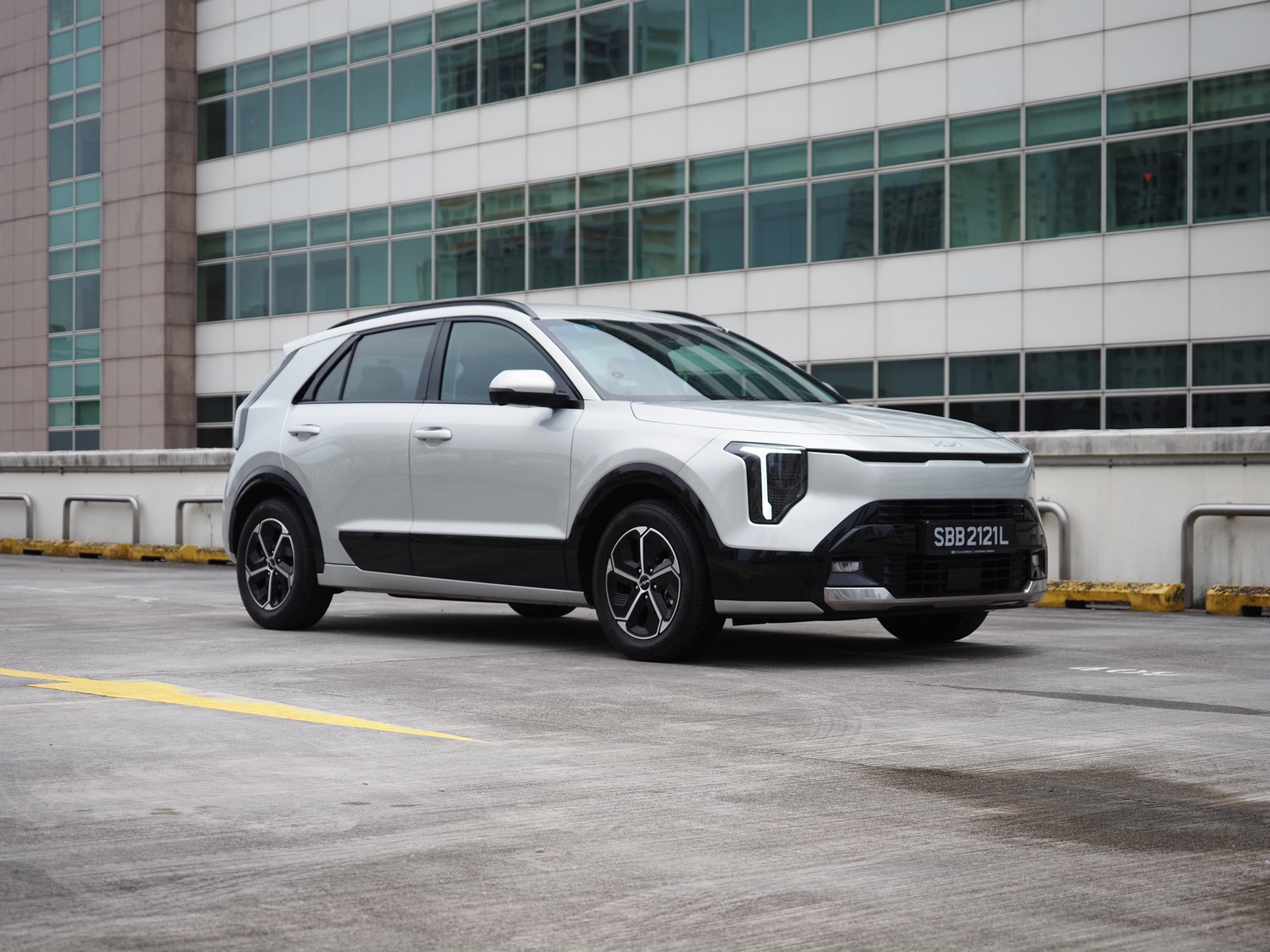
Start with the outside, because that’s your first clue that this isn’t a typical petrol crossover.
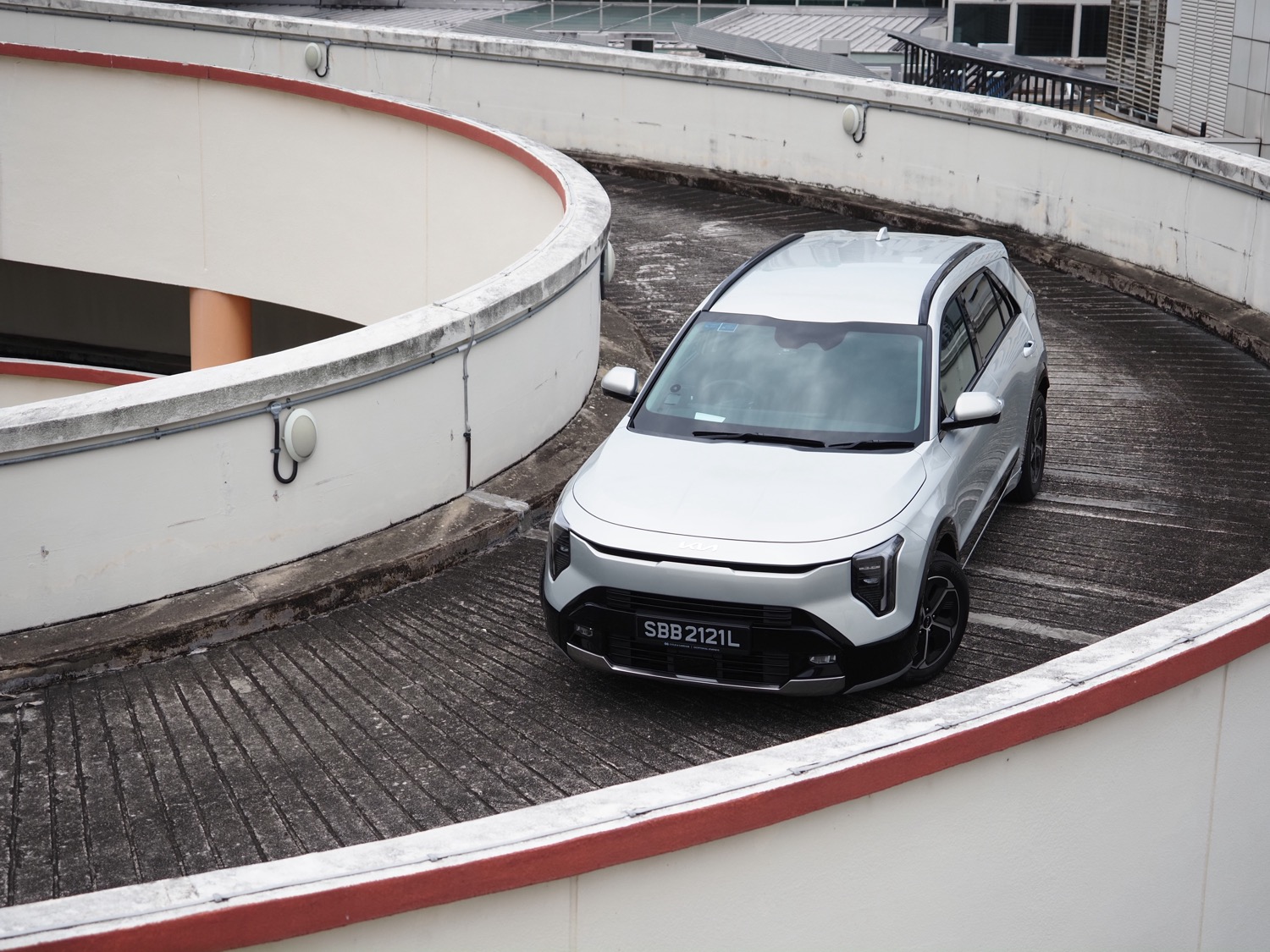
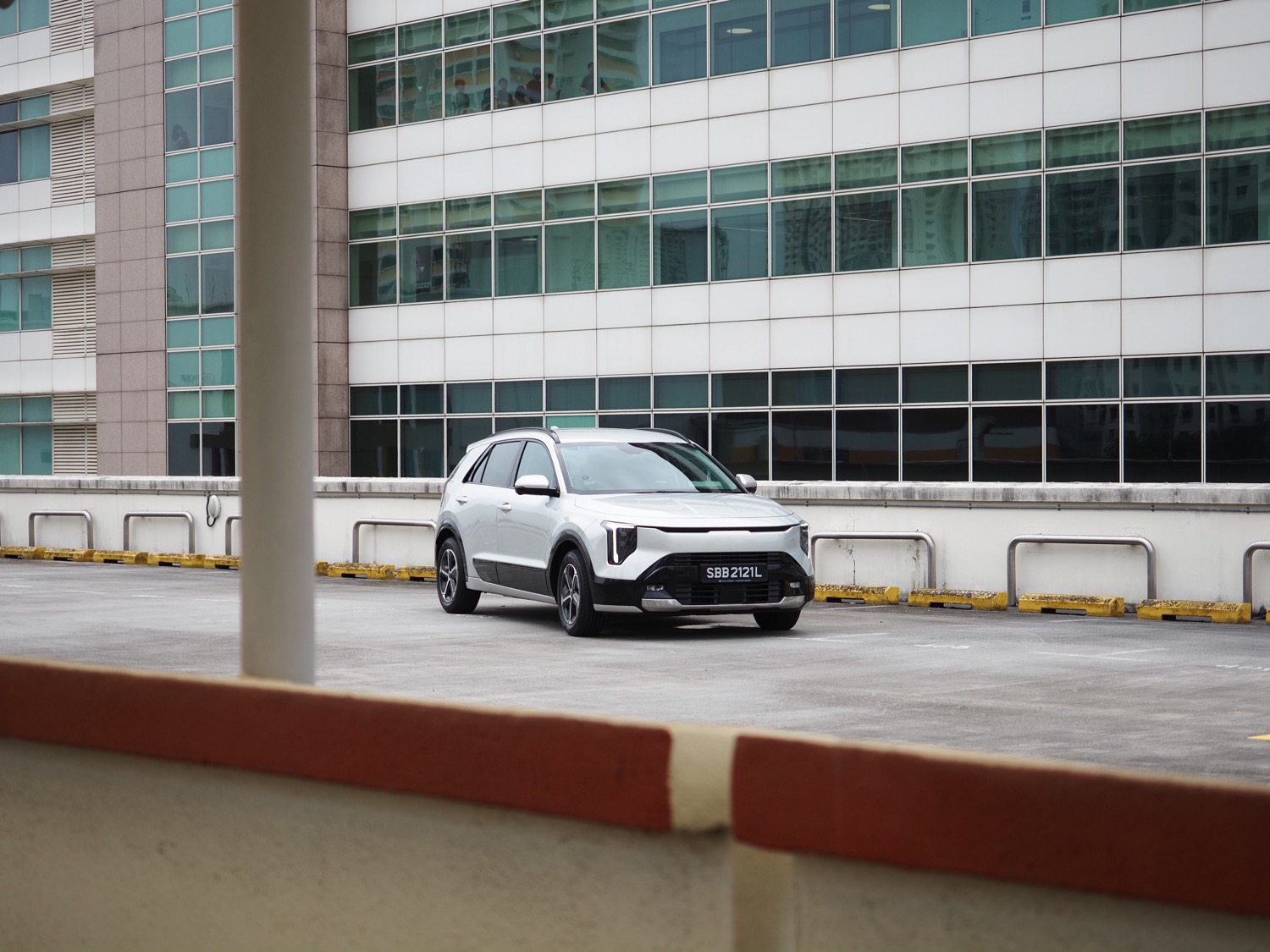
The Niro looks electric. The panels are clean and uncluttered, with very few fussy creases. Up front there’s no real grille to speak of. Instead you get Kia’s new “Star Map” LED lighting, the same light signature you’ll find on the brand’s latest models. It gives the car a sharp, slightly sci-fi face.
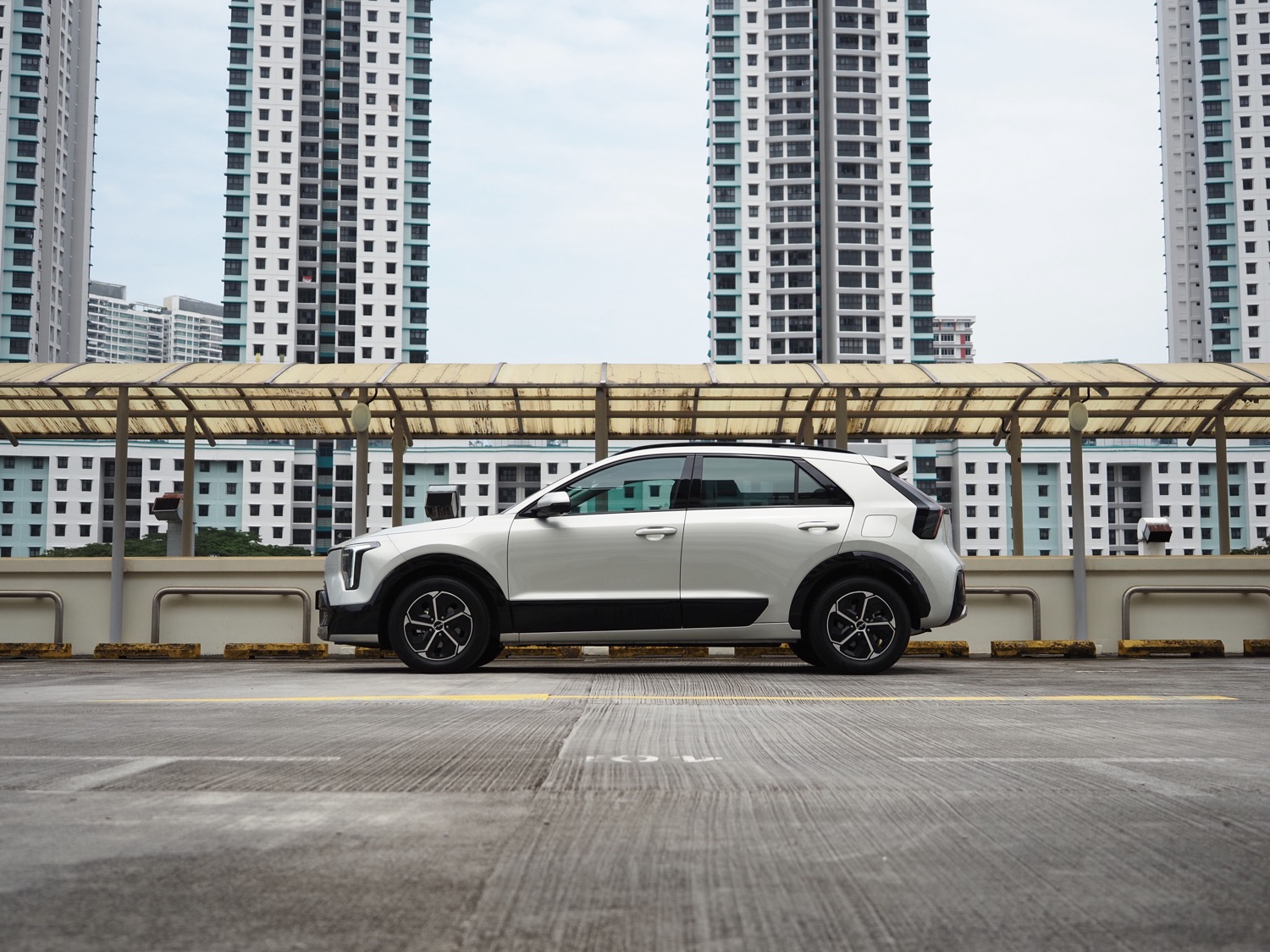
Walk around to the back and the tail lamps are the real showpiece. They’re tall boomerang shapes that climb up into the C-pillar, and on the Earth that C-pillar is painted in body colour. Most cars in this class give you a horizontal light bar and call it a day. The Niro clearly tried harder.
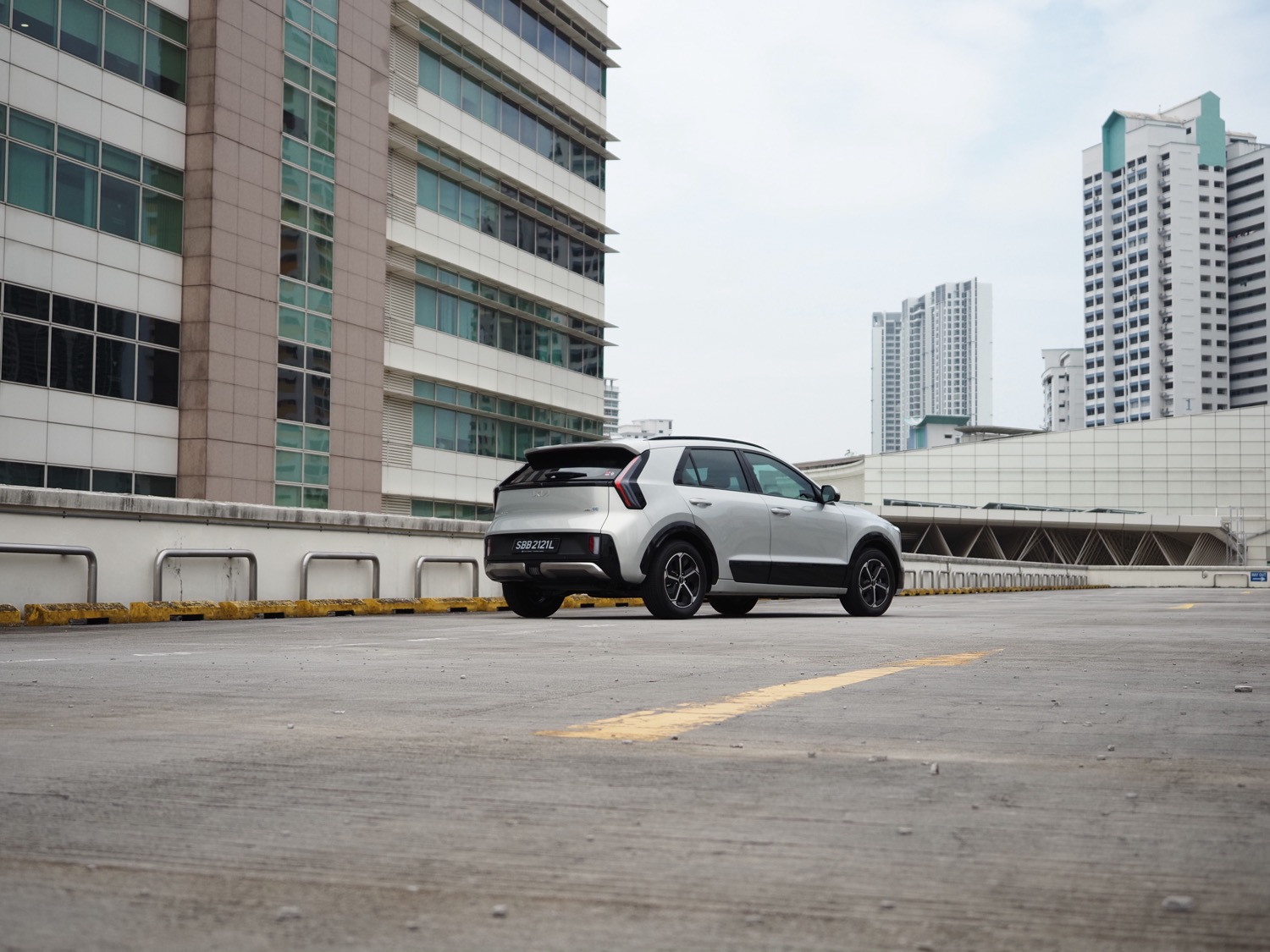
Nothing about the design says “petrol engine inside”. You’d need to spot the small HEV badge on the tailgate to work it out. I like that. It feels modern without screaming for attention.
It’s also sensibly sized for Singapore. At 4,430mm long and 1,825mm wide, it’s a proper compact crossover. Narrow lots in older HDB multi-storey carparks? Spiral ramps that make you hold your breath? No sweat.
Little car, big-car features
Open the door and the Niro stops feeling like a small car.
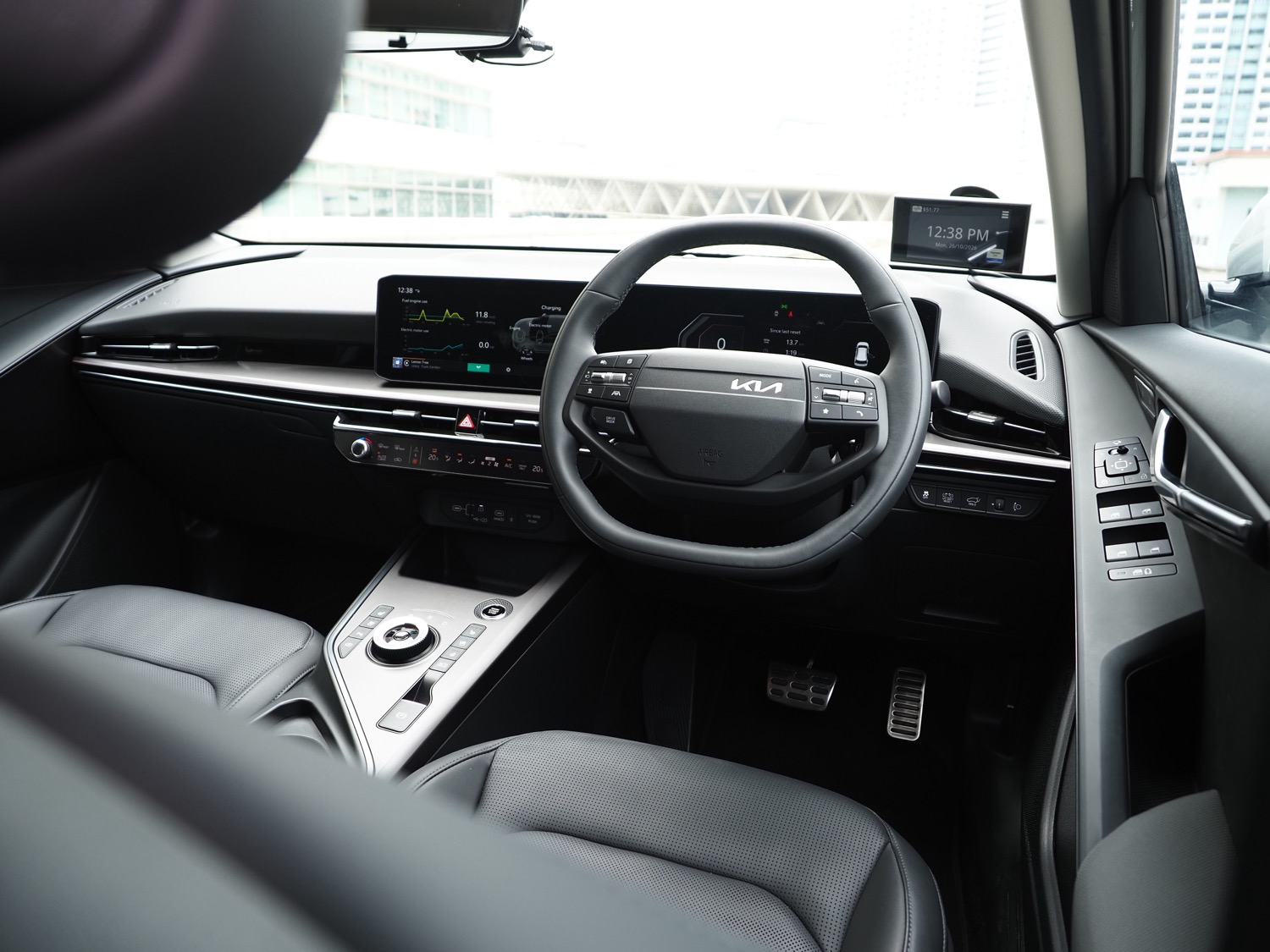
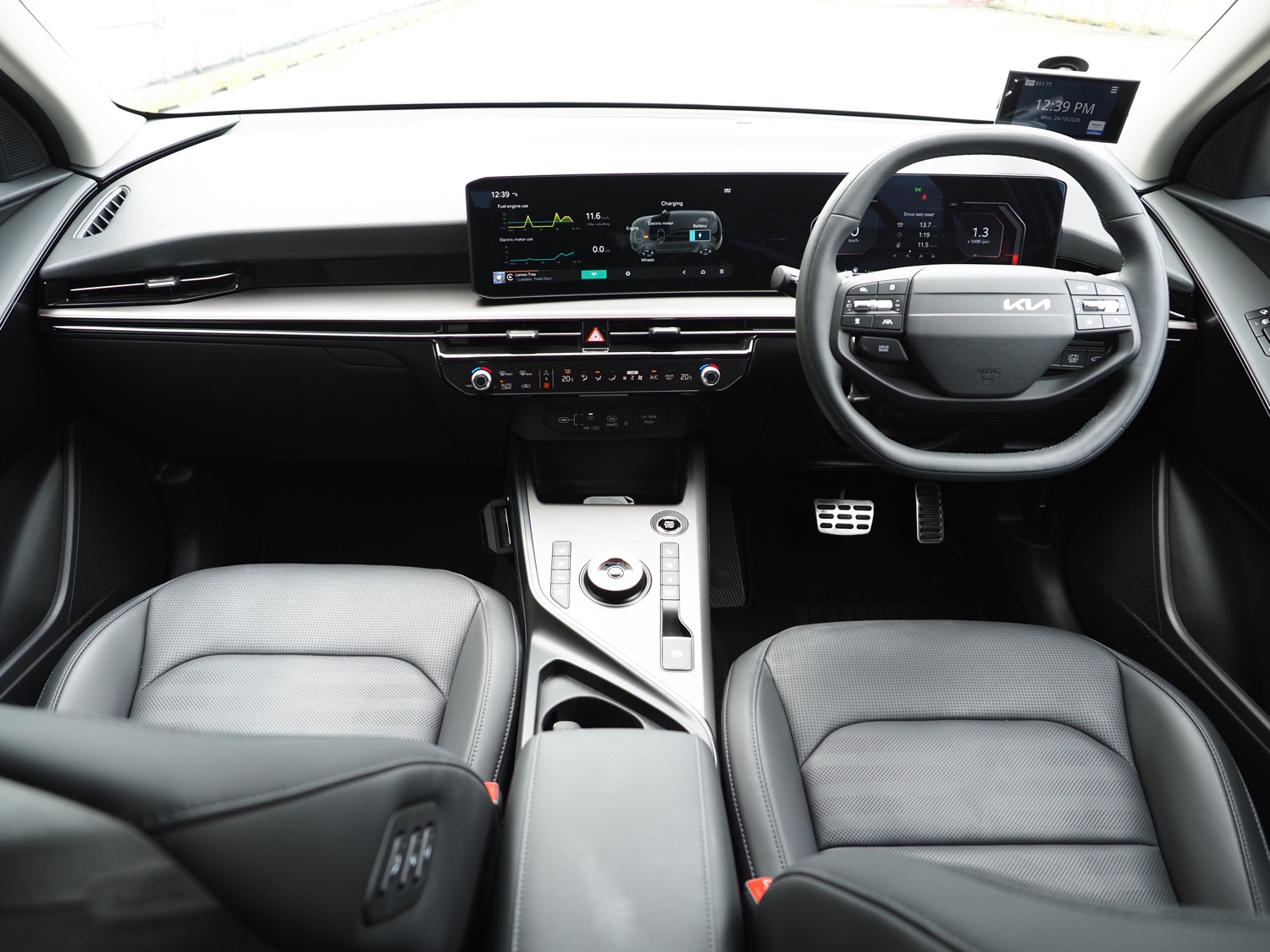
Two curved 12.3-inch screens stretch across the dashboard, one for the instruments and one for the infotainment, joined into a single panel. A thin strip of ambient lighting runs about 900mm across the dash. At night it makes the cabin feel a size or two more expensive than it is.
The Earth (trim) also gets a 10-inch head-up display, and it’s great. It’s very clear, sits right in your line of sight, and stays easy to read even in harsh afternoon sun. After a day I stopped looking down at the cluster at all.
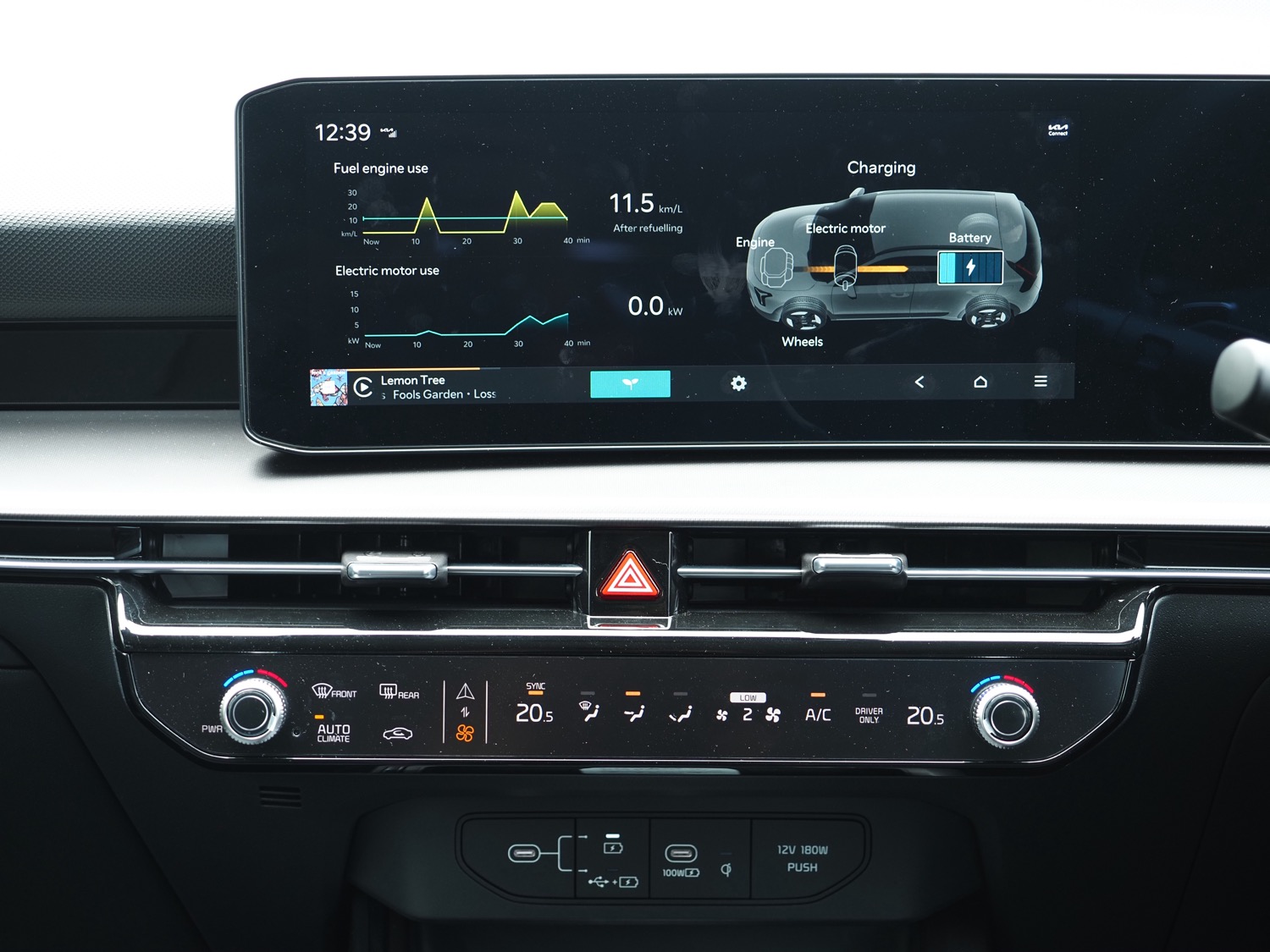
The best decision Kia made in here, though, is the one you might not notice: the climate controls are still physical buttons and knobs. Many new cars bury the aircon inside a touchscreen menu, which is fun in the showroom and annoying at a traffic light. In the Niro, you just reach over and turn a knob. Your fingers will thank you.
What surprised me most is how much of this cabin feels borrowed from Kia’s bigger, pricier cars like the Sorento and Carnival. Here’s what you get on the Earth:
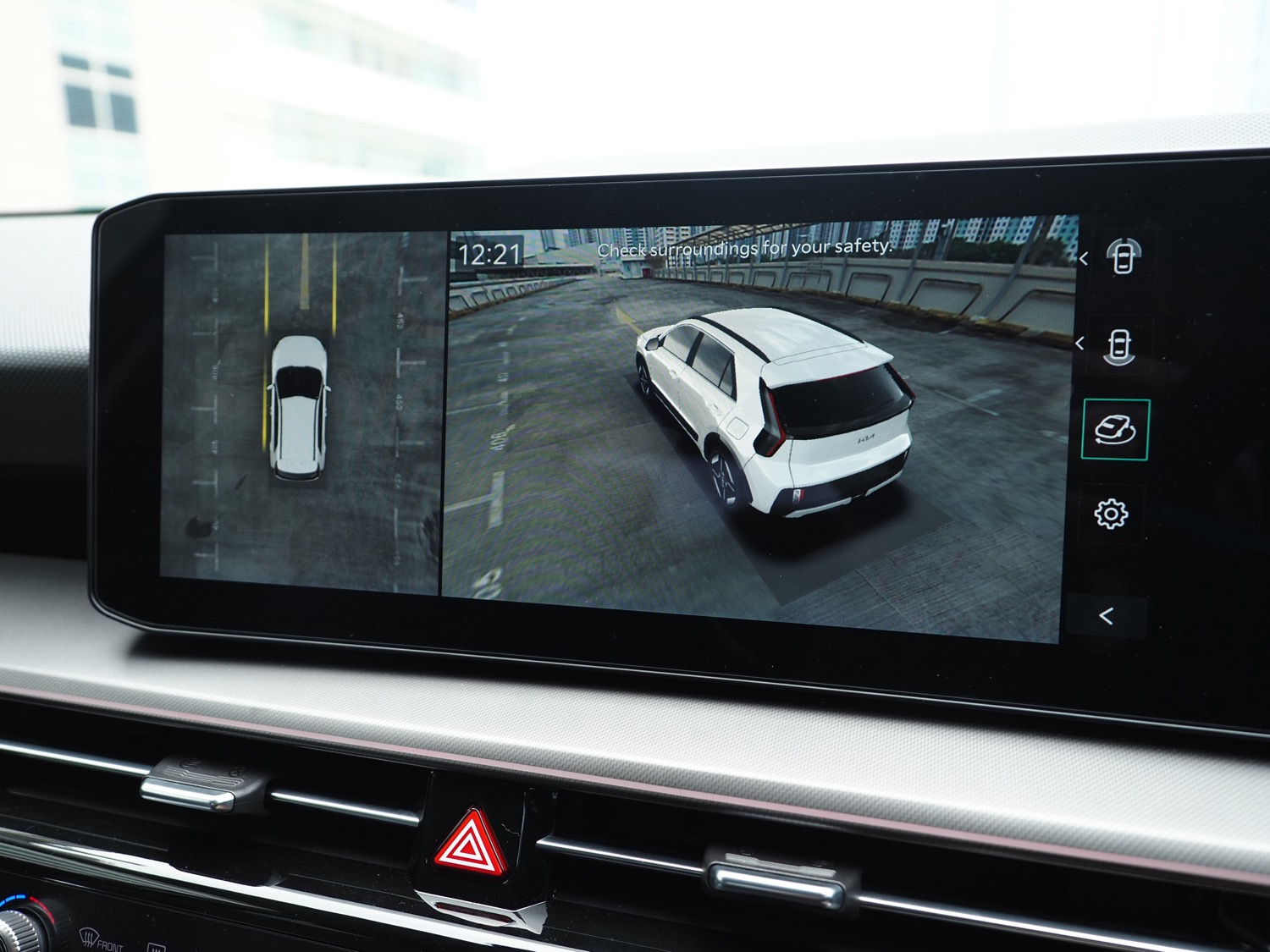
- Surround View Monitor: a bird’s-eye camera view for tight parking.
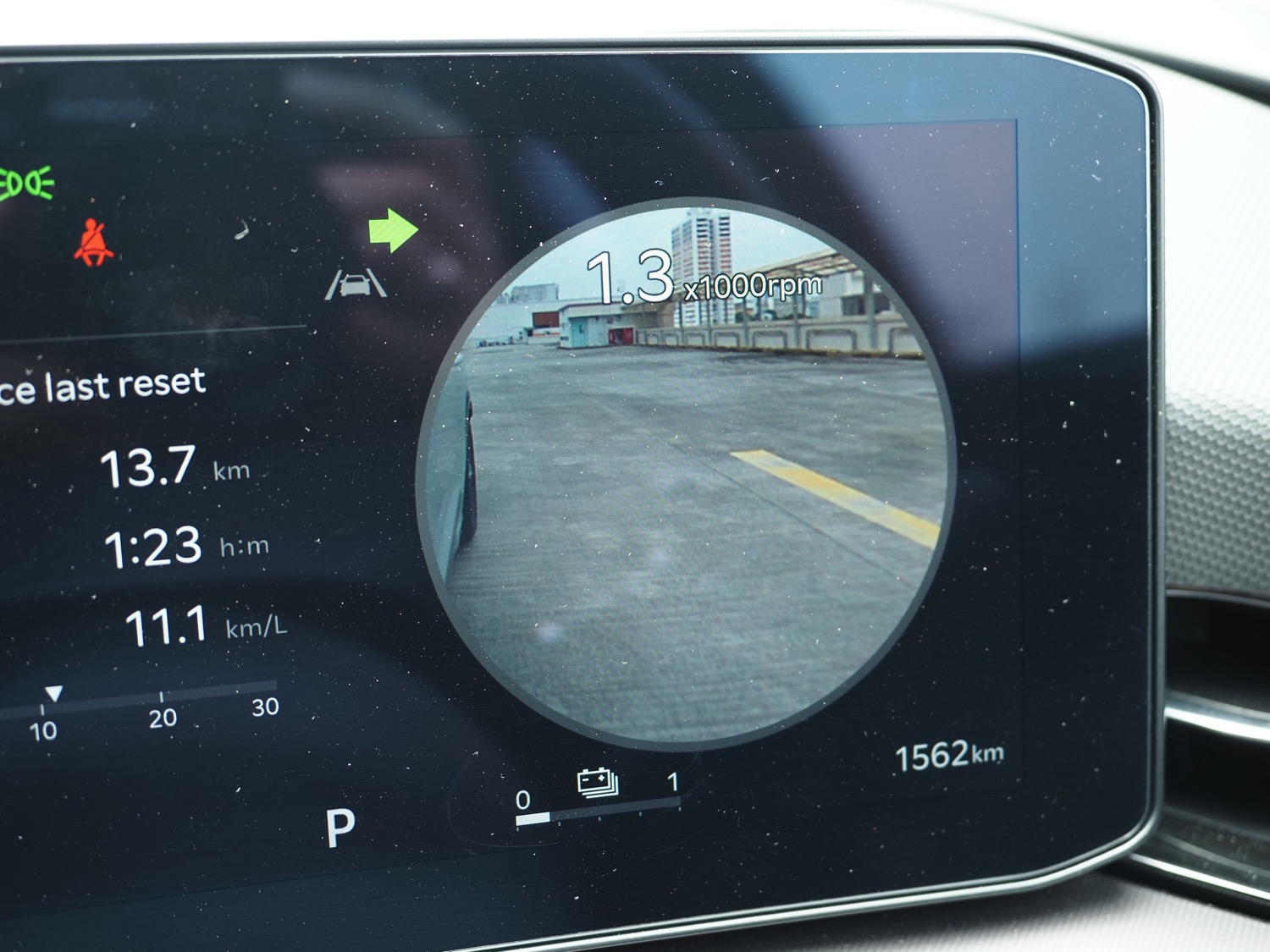
- Blind-Spot View Monitor: a live camera feed in the instrument cluster when you signal.
- Heated and ventilated front seats: the ventilation should be required by law in our weather.
- Power seats with driver memory: handy if you share the car.
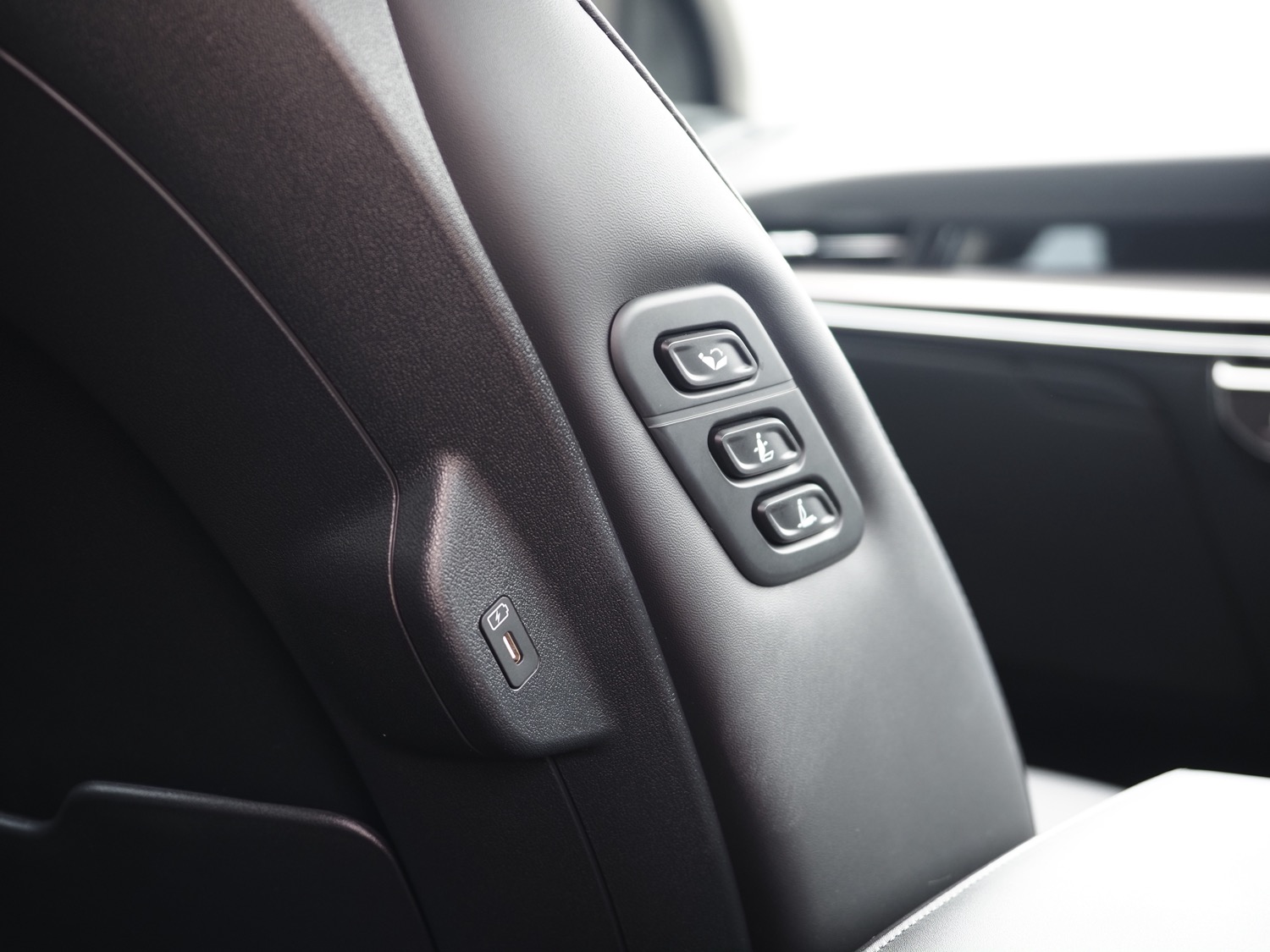
- Walk-in switch: lets a rear passenger slide the front passenger seat forward themselves.
The Surround View Monitor might sound like overkill for a car under 4.5 metres long. Then you try squeezing into a lot at an older shopping centre carpark, with a pillar on one side and someone’s badly parked SUV on the other, and suddenly it isn’t.
The Blind-Spot View Monitor is the one I grew to like most. Flick the indicator and the cluster shows a camera view of what’s beside you. On the PIE during rush hour, with motorcycles filtering on both sides, that extra pair of eyes is welcome.
Again: little car, big features. Kia somehow fitted a lot of Carnival and Sorento into something much smaller and more affordable.
Connectivity, in detail
This is the climax of this review, and for good reasons. This is the part that makes the Niro different from almost every other petrol car on sale here.
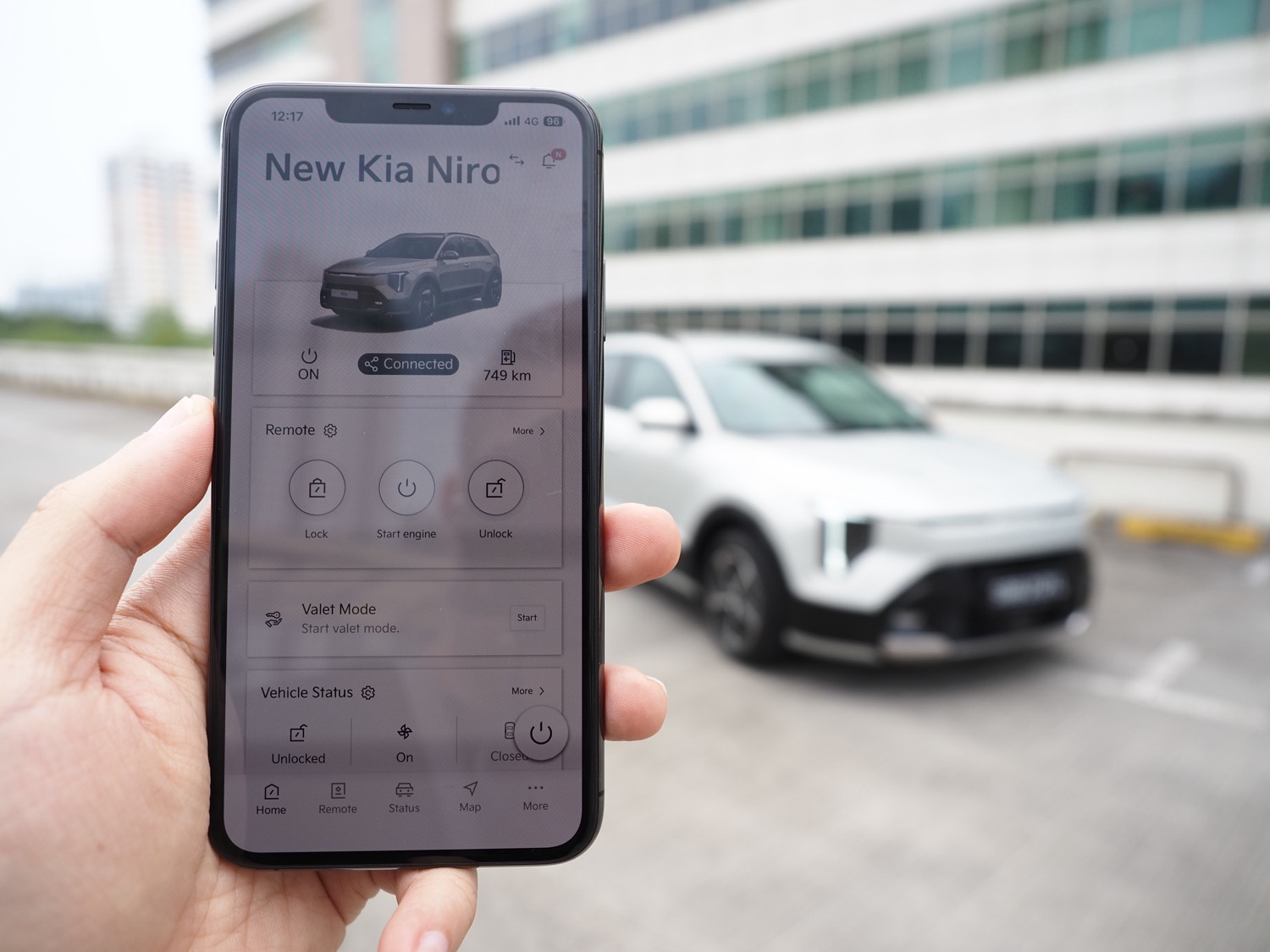
The Niro gets the full Kia Connect suite. It runs on a built-in cellular connection, so the car is always online, not only when your phone is plugged in. Kia also develops the app in-house instead of outsourcing it to a third-party developer. That shows. The app feels like part of the car, with the large array of information and options available. This is not a simple bolt-on from a vendor.
Here’s a non-exhaustive list of what you can do from your phone:
- Lock and unlock remotely: for those “did I lock the car?” moments halfway into the mall.
- Start the engine and set the climate control: cool the car before you even leave the office.
- Check the vehicle’s status: fuel level, cabin temperature and where you parked.
- See the car’s surroundings: trigger a 360-degree capture from the car’s cameras, so you can check exactly where it’s parked and what’s around it.
- Monitor speed remotely: you’ll know if your son, or the valet, has been treating the car like an F1 qualifying lap.
- Get over-the-air updates: software improvements arrive wirelessly, no workshop visit needed.
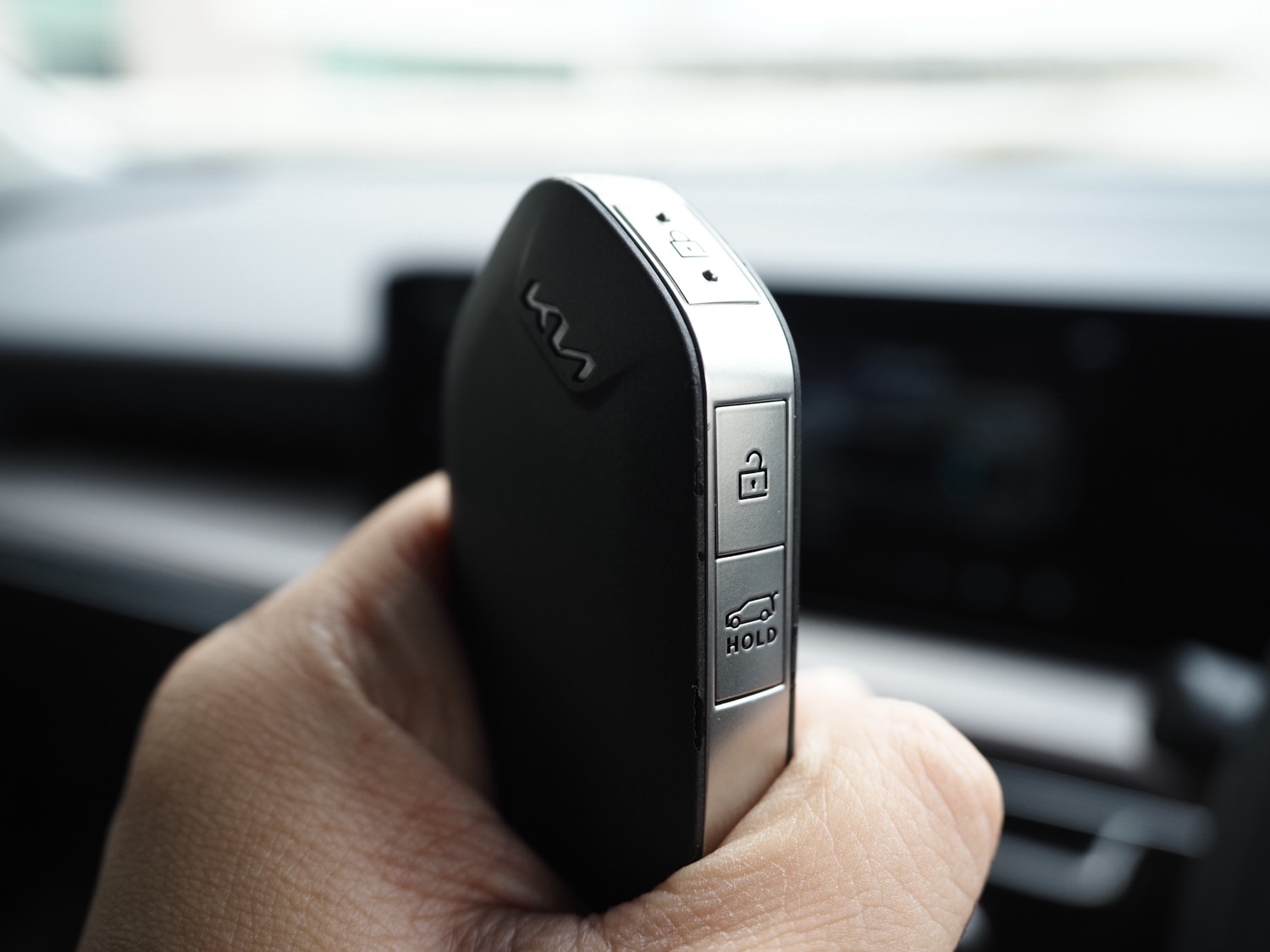
- Use Digital Key 2.0 (Earth only): your phone can lock, unlock and start the car in place of the physical key.
I tried remote start and remote cooling, and both worked exactly as promised. I tapped start from the lift lobby, finished my coffee, and walked into a cool cabin. After a week of that, going back to a car without it feels like going back to a phone without Face ID.
Kia tells me remote engine start is hard to get regulatory approval for on combustion cars in Singapore. That’s why you basically never see the feature here, even though it has been common overseas for years. The Niro is one of the rare few that has it.
Kia says this Niro is the first hybrid in its class with the full Kia Connect suite. And the subscription is free for 10 years. That’s a big deal. Many brands give you a short trial before the features you’ve come to rely on disappear behind a paywall. With the Niro, you won’t be getting a “please renew” email after year three.
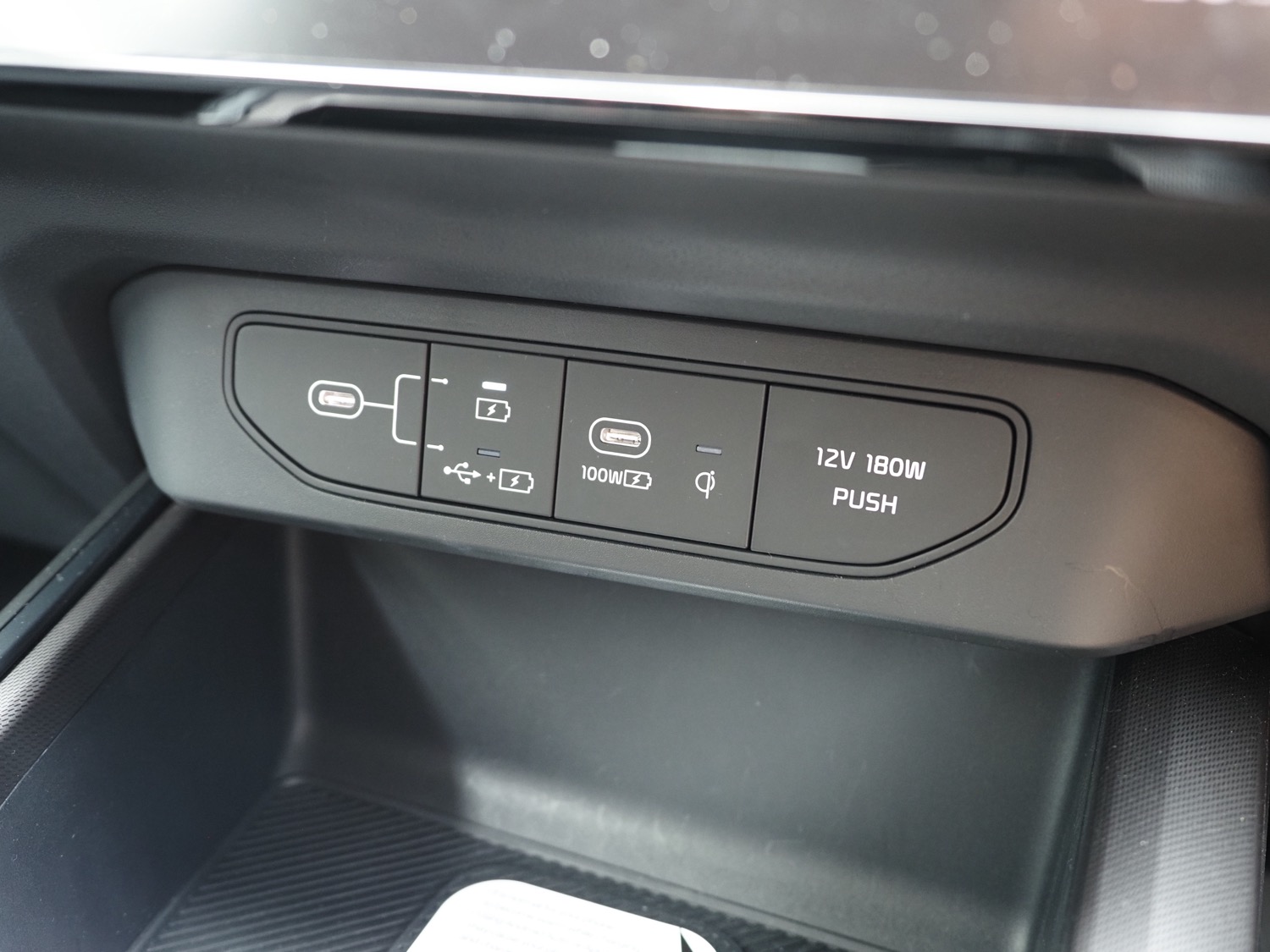
Most amazing in a non-BEV: There’s a HEV Stay Mode, which is basically EV tech in a hybrid. Park, switch it on, and the hybrid battery runs the aircon, screens and entertainment system with the engine off, for up to 40 minutes depending on charge. Anyone who has waited at the Changi arrival pickup, or outside a tuition centre at 9pm, will see the appeal right away. No engine running, no idling, still a cool cabin. LTA and TP friendly. I suppose.
Packaging done right
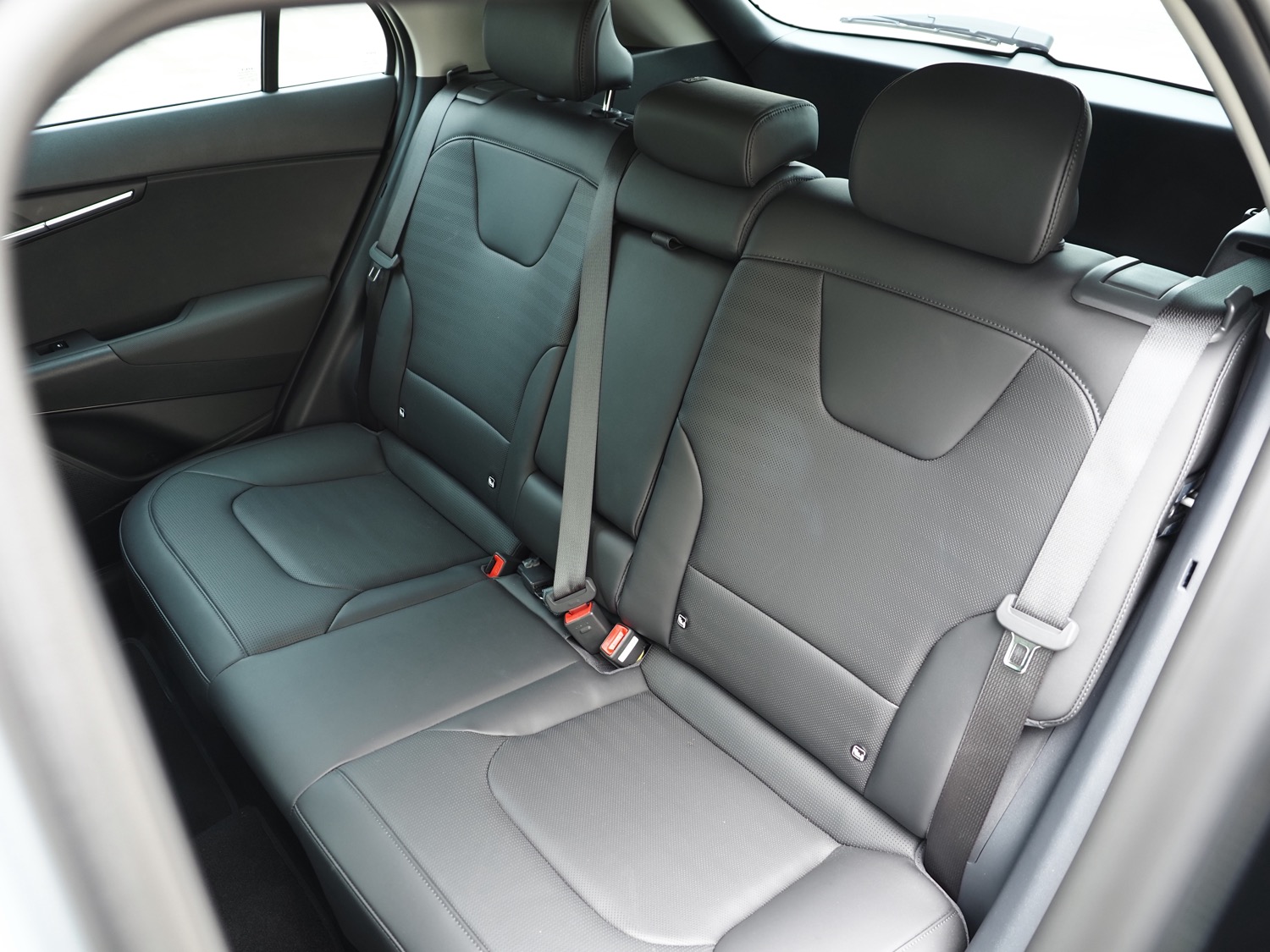
From the outside, you’d expect a compact crossover to squeeze the back. It doesn’t. Rear legroom is surprisingly ample for a car this size. Adults can sit behind adults without knees pressed into seatbacks, and the floor is low enough that nobody feels perched up high.
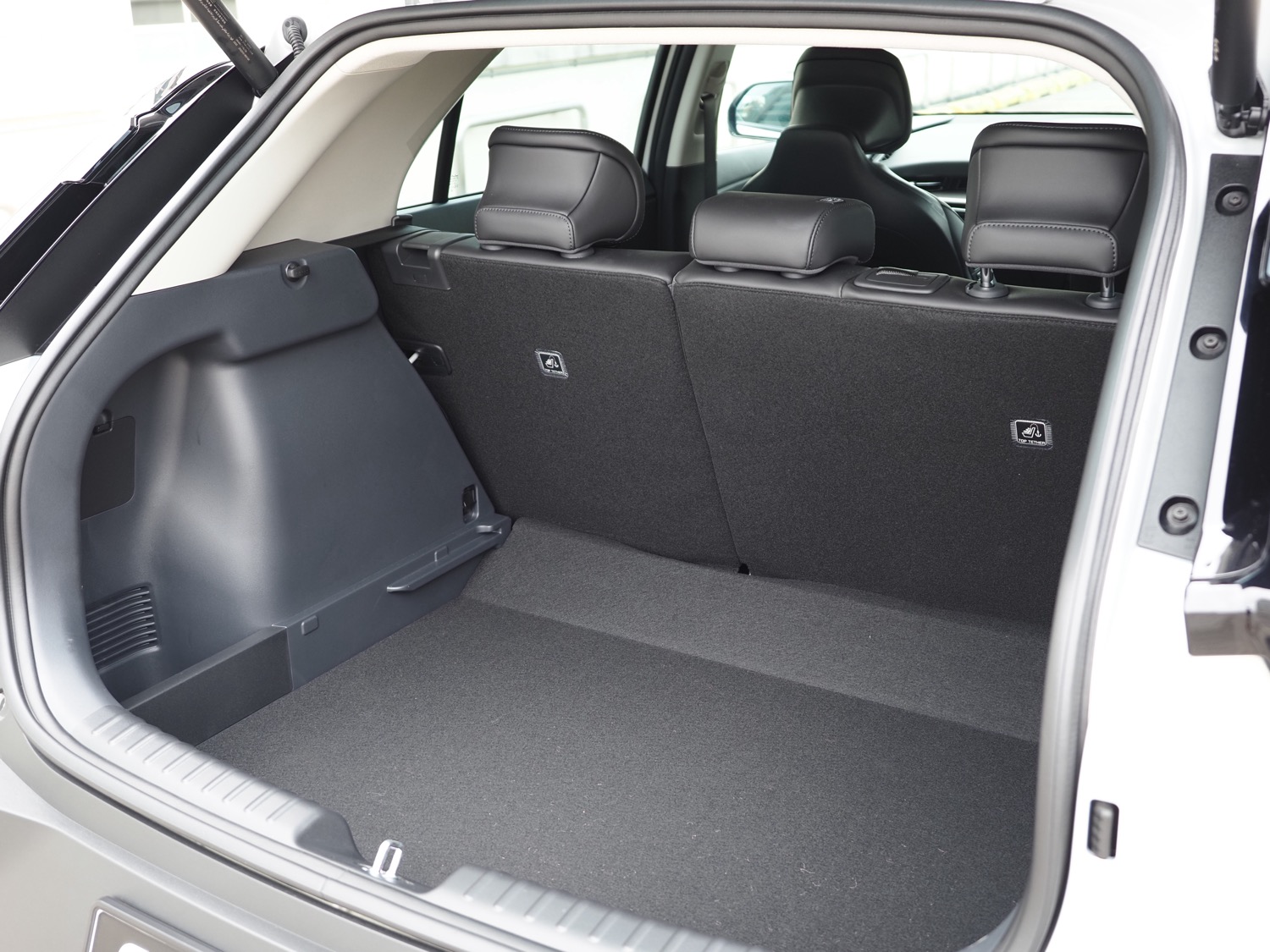
The clever part is that this space didn’t come at the boot’s expense. You still get 430 litres with the rear seats up. The floor is flat, and there’s extra storage underneath for the stuff you don’t want rolling around. A weekend Costco run, a stroller, or a couple of luggage bags for the airport all fit fine.
Space for people and space for things usually means a trade-off. Somebody at Kia did their homework here. The packaging is very well done.
On the road
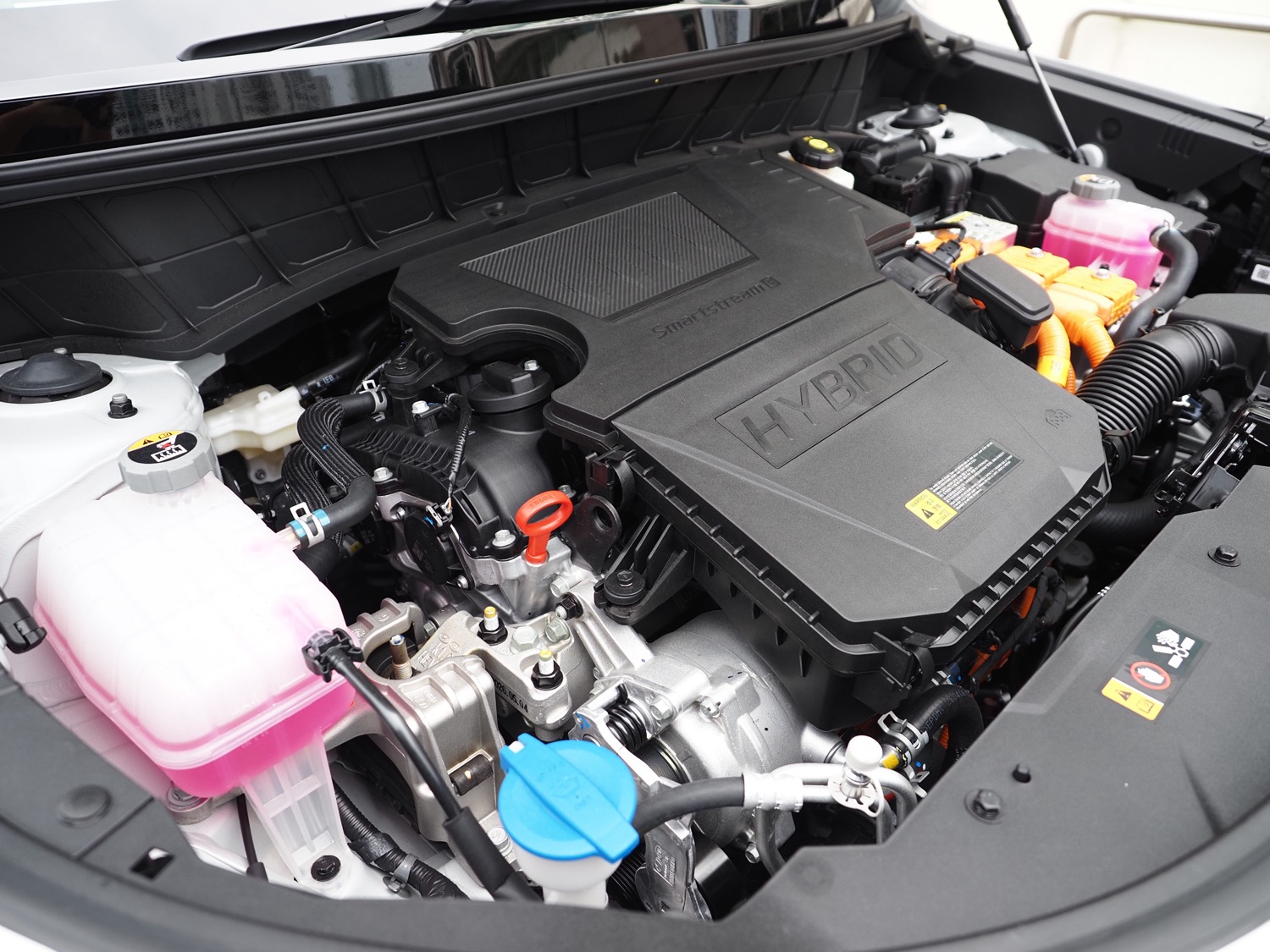
Under the bonnet is the same 1.6-litre hybrid Kia has been using. It’s paired with a six-speed dual-clutch gearbox and makes a combined 127bhp and 265Nm. The 0-100km/h sprint takes 10.7 seconds.
Those aren’t numbers that win traffic light races, and the Niro doesn’t pretend otherwise. There are just two drive modes, Eco and Sport. Eco handles the daily stop-start crawl without fuss, and Sport sharpens the response when you need to merge onto a fast-moving expressway. You still hear and feel the petrol engine doing its thing when you push it. The engine doesn’t sound terrible. It just sounds a little cute for trying that hard. Interestingly, the engine seems to roar similarly in both modes, but in Eco mode, you get the sound without the pull.
The real surprise is the suspension. It’s beautiful for Singapore roads.
The Niro soaks up speed humps surprisingly well. You know the ones, scattered across every HDB estate and condo driveway, the kind that make some cars crash and shudder. The Niro rolls over them with a soft thud and settles quickly. The rebound is very comfortable and doesn’t jostle passengers around, even though the car sits higher than a hatchback. Crossovers with this stance often feel bouncy or tippy. This one doesn’t.
My one gripe is the brakes. I felt a lot of vibration through the brake pedal when braking. The car still stopped without fuss, but the sensation underfoot was noticeable. It could be unique to this test unit, so pay attention to it on your own test drive.
Verdict: buy the Earth to save the Earth
The Niro comes in two trims, and they suit very different buyers.
The Air is the bare-bones version. It has the same hybrid powertrain and the same comfortable ride, without most of the gadgets. It’s clearly aimed at buyers who see a car as a tool, PHV drivers especially, who want something reliable and efficient and don’t need ventilated seats or a head-up display to do the job.
The Earth is the one this review is really about. It’s the full spec, with the head-up display, the cameras, Digital Key and the ventilated seats. With a 10-year COE and 10 years of free Kia Connect, buying the Earth is how you future-proof a car you’ll be living with for a decade. And with its hybrid drivetrain, you will be sipping dinosaur juice truly slowly and saving the Earth. Buy this if you are getting something for your child(ren) as their first car, so that you can keep close tabs on their driving, or for yourself to enjoy the ultimate in convenience and connectivity without breaking the bank.
At press time, the Earth was listed at $219,999 with COE, and the Air from $201,999.
If you still love a petrol engine but have serious EV envy, the Niro Hybrid Earth is the cure. You keep the petrol kiosk and you finally get the app.
The Kia Niro Hybrid Earth used for this review was provided by Cycle & Carriage Kia. All opinions expressed are the author’s own and have not been influenced by the brand.


