

![[Review] Onggii Opens 3rd Outlet at Square 2, Brings Korean Comfort Food like Gomtang and Galbi Jjim to Novena - Alvinology](https://alvinology.com/wp-content/uploads/2026/10/WhatsApp-Image-2026-10-28-at-1.51.05-AM-110x110.jpeg "[Review] Onggii Opens 3rd Outlet at Square 2, Brings Korean Comfort Food like Gomtang and Galbi Jjim to Novena")

![[Review] Osteria Mozza's New Home at ION Orchard Brings a Different Take on Pizza, Pasta and Italian Comfort Food - Alvinology](https://alvinology.com/wp-content/uploads/2026/10/osteria-mozza-11-110x110.jpg "[Review] Osteria Mozza's New Home at ION Orchard Brings a Different Take on Pizza, Pasta and Italian Comfort Food")
![[Review] HONOR X9e Pro Lands in Singapore with an 11,000mAh Battery That Doubles as a Power Bank - Alvinology](https://alvinology.com/wp-content/uploads/2026/10/honor-9xe-purple-06-110x110.jpg "[Review] HONOR X9e Pro Lands in Singapore with an 11,000mAh Battery That Doubles as a Power Bank")
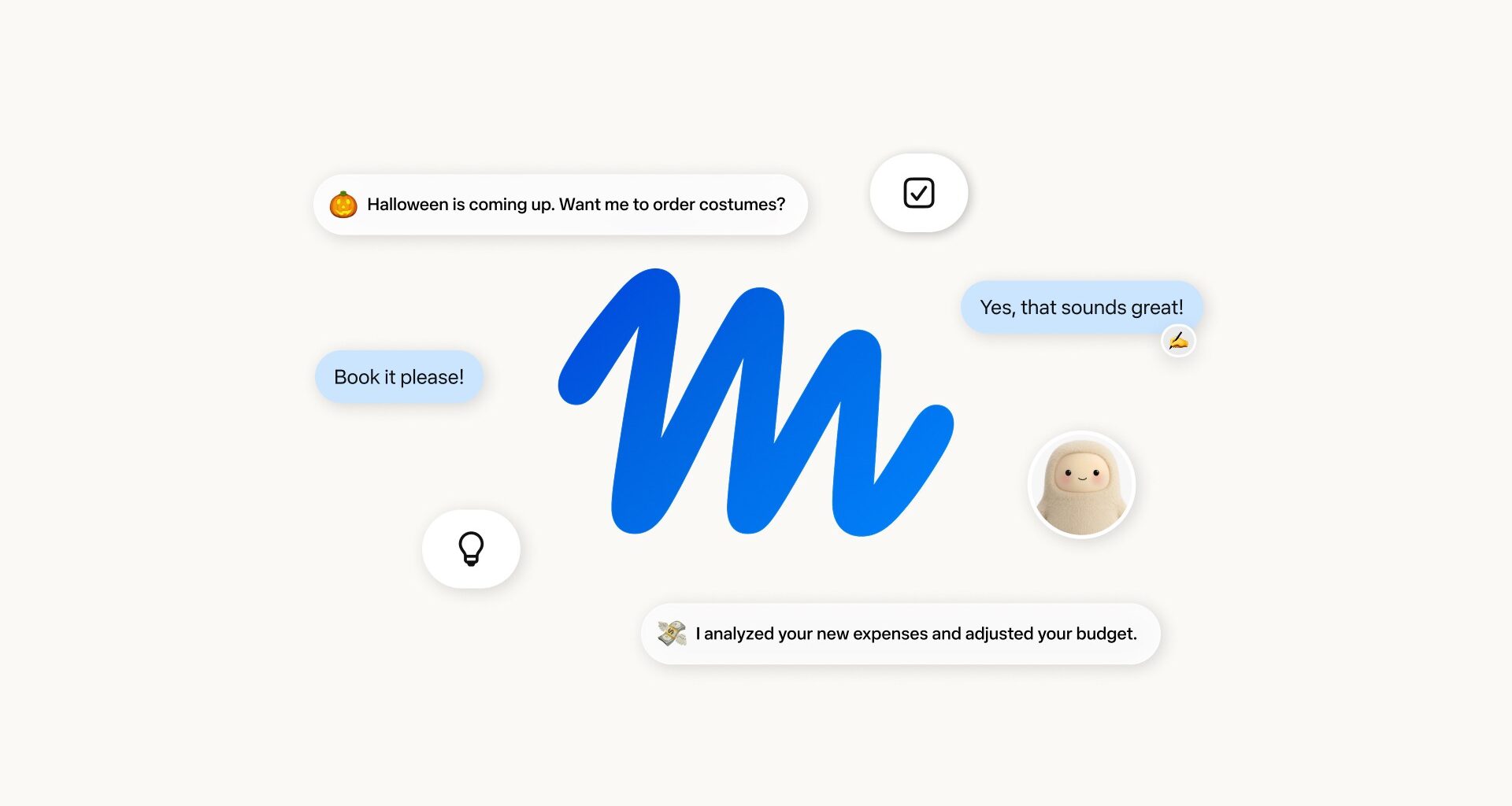

Meta has introduced Muse, a personal AI agent designed to proactively help people accomplish everyday tasks and work towards larger personal goals. The company describes Muse as a secure and private AI agent built for everyone, with the ability to suggest ideas, develop plans and take action on a user’s behalf.
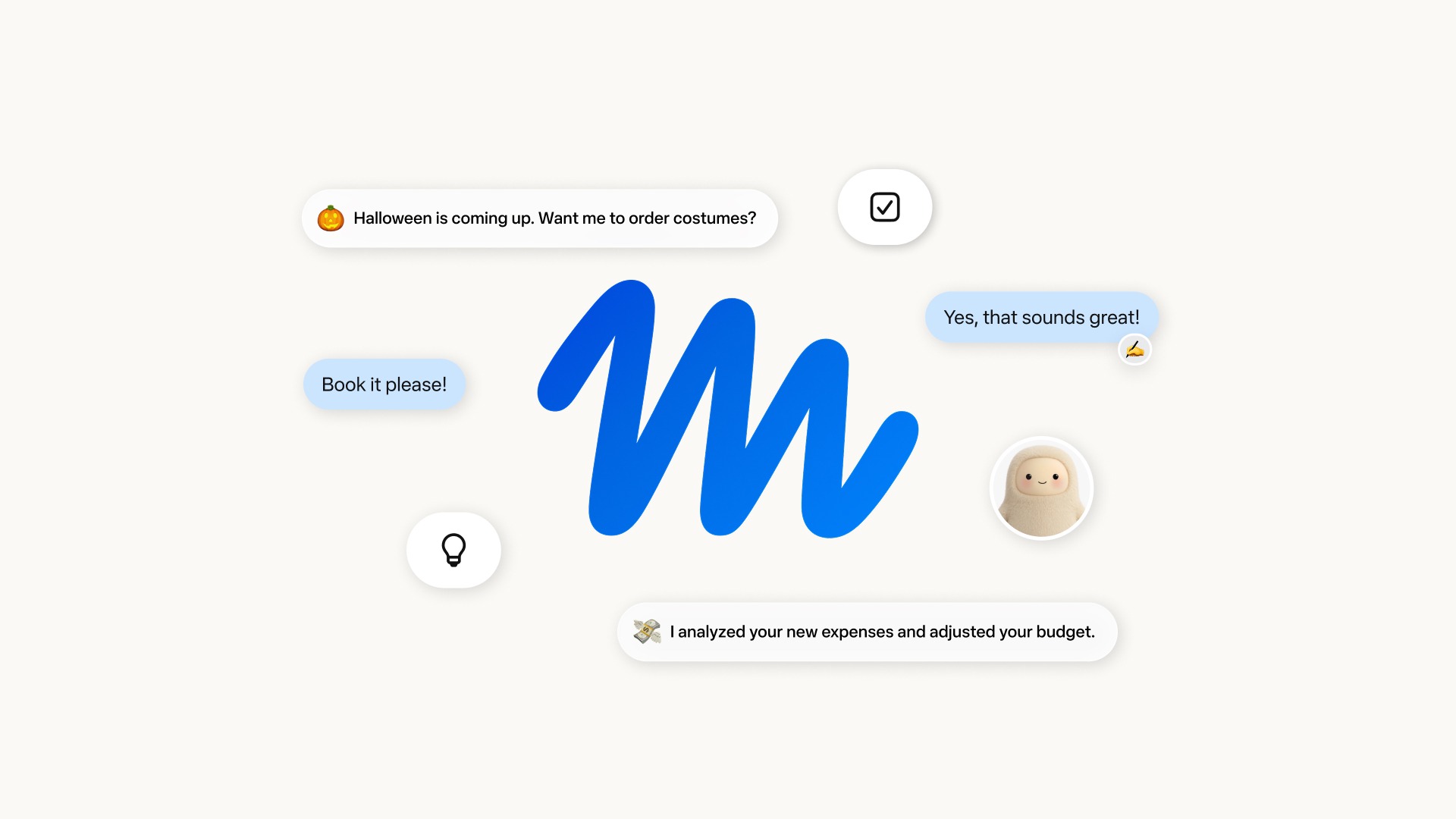
Muse is designed around familiar messaging interactions, allowing people to communicate with it much like they would with another person. It is available through the Muse app and directly through WhatsApp. Users can simply tell Muse what they want to accomplish, with the agent powered by Muse Spark, which Meta describes as its most capable AI model to date for real world agentic tasks.
Unlike AI tools that may require users to learn complex workflows, Muse is designed to work out of the box without technical experience. It can handle tasks such as sending emails and booking travel, while also helping with larger goals. After a user shares a goal, Muse can develop a personalised plan, coordinate time and resources, and continue progressing the work independently. This can include opening a browser, completing forms and negotiating on the user’s behalf.
Muse can also continue working after the user closes the app. For longer tasks, it can return when circumstances change or when approval is required, such as before sending an email or completing a purchase. Meta says this approach is intended to help users achieve better results with less effort, whether they are trying to sell a car for a higher price, reduce a bill or adjust a training plan as their schedules change.
The agent is also designed to remember information that matters to each user. This allows Muse to make suggestions without being prompted and act on details mentioned previously. For example, it can turn a recipe saved on Instagram into a grocery list, recommend a menu for a dinner party and remember guests’ dietary restrictions before invitations are sent.
For online purchases, Muse can check out using Link by Stripe. Meta says Muse is the first AI agent covered by Link’s purchase protections, which include coverage for damaged or lost items, eligible price drops, no fee returns and a return guarantee on eligible purchases. Link’s wallet for agents generates a one-time use card, keeping a user’s actual card details hidden during online transactions. Meta also plans to add Shop Pay and 1Password support.
Privacy and security are central to Muse’s design. Meta has built Muse Secure VM, a dedicated virtual machine designed to provide a separate environment where the AI agent, user data and connected service credentials are securely contained.
Muse operates on its own dedicated computer in the cloud, preventing other agents from accessing its environment. A separate Sentinel agent operates on the same machine at the system level and controls whether Muse can access the internet. Sentinel can also request permission from the user when an action requires approval.
Muse does not have visibility into users’ passwords or payment methods. Credentials provided for connected services are stored securely so Muse can use them without directly seeing them, including passwords entered by users into a browser.
Users are asked for approval before sensitive actions such as sending emails or making purchases. Muse also provides an audit trail showing what it has done and what it plans to do. Users can choose which applications Muse connects to and determine the level of access granted. For email, for example, they can decide whether Muse can only read messages or also send emails on their behalf.
Access can be changed or removed at any time, while users can also opt out of having their interactions used to train Meta’s AI models. Meta says Muse conversations and data stored within a user’s VM are not shared with its advertising systems. Users can also instruct Muse to forget specific information it has learned.
Meta plans to introduce Muse Confidential VM later this year. The feature will encrypt the entire virtual machine, including user data and conversations with Muse, using a key held only by the user. According to Meta, this would mean that even Meta would not be able to access the contents.
Meta sees personal AI agents as an early step towards what it calls personal superintelligence, which it expects to become one of the most transformative technologies of the lifetime. Muse is positioned as an early example of that vision, with the aim of taking on more of the work so people can spend more time on what matters to them.
Muse is rolling out in the United States on iOS, Android and muse.ai, with support for AI glasses planned for the future. The service is free for most everyday needs, while subscription plans will be available for users who want access to more capabilities.