






The idea of injecting human-derived skin components into the face may sound unusual, but it is the concept behind extracellular matrix (ECM) boosters like RE20 and RE20 Fine, a new regenerative injectable treatment recently introduced by Reborn Skin Clinic in Singapore.
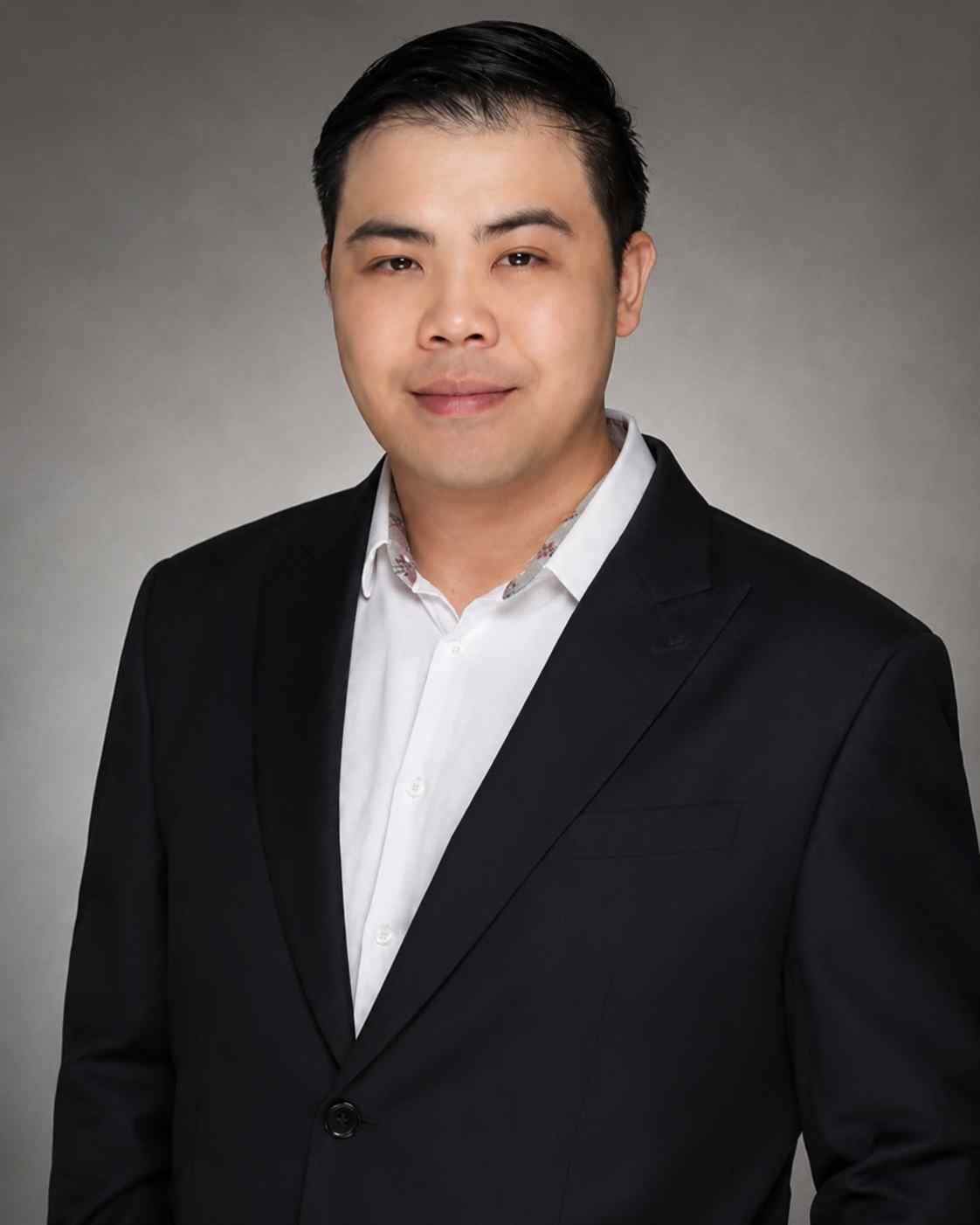
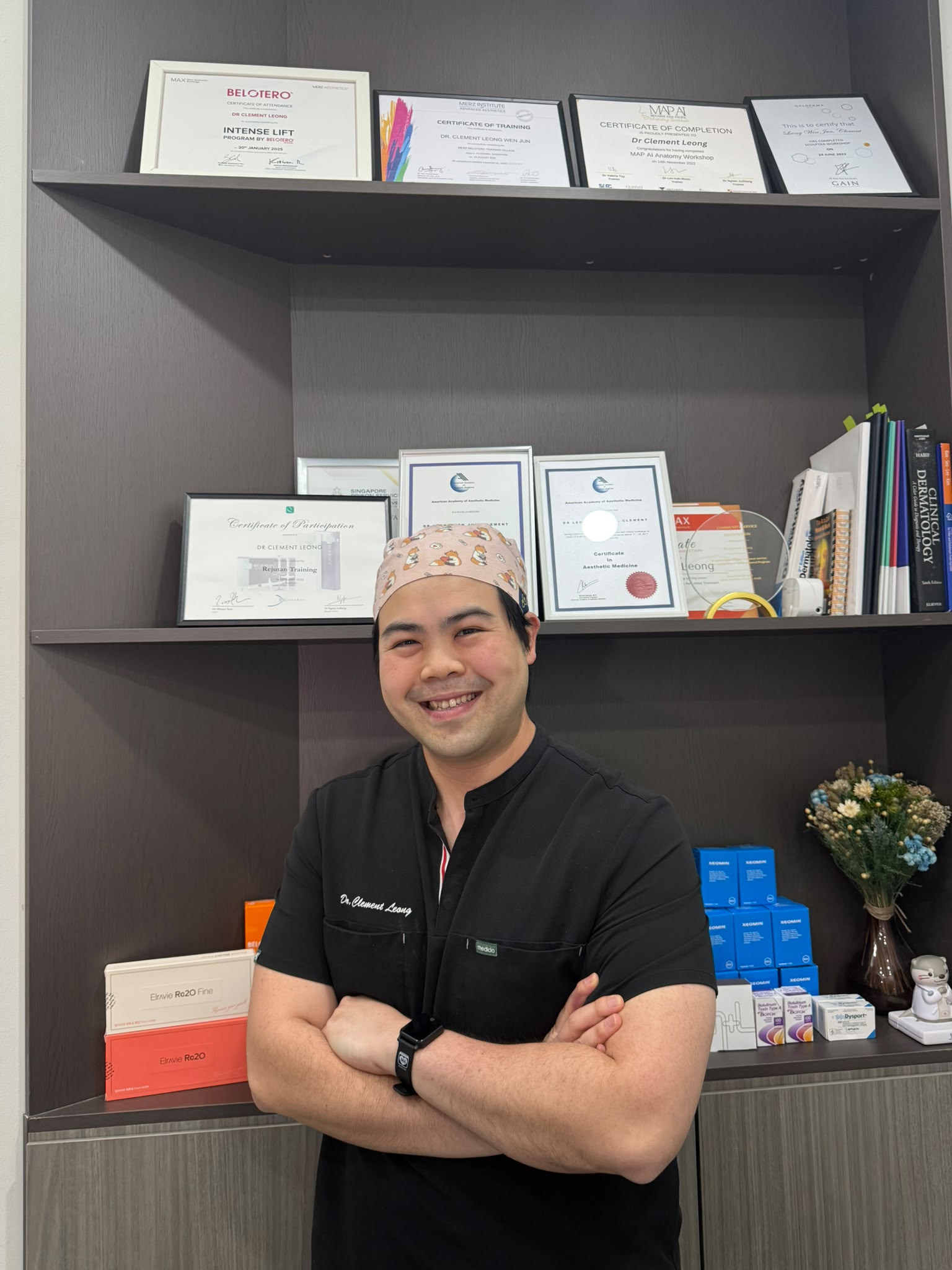
I spent about two hours speaking with Dr Clement Leong, Medical Director of Reborn Skin Clinic, to understand the science and thinking behind the treatment. I did not undergo the procedure myself during the visit, but the conversation offered an intriguing look at how regenerative aesthetics is evolving and why treatments that focus on rebuilding the skin’s underlying structure are gaining attention.
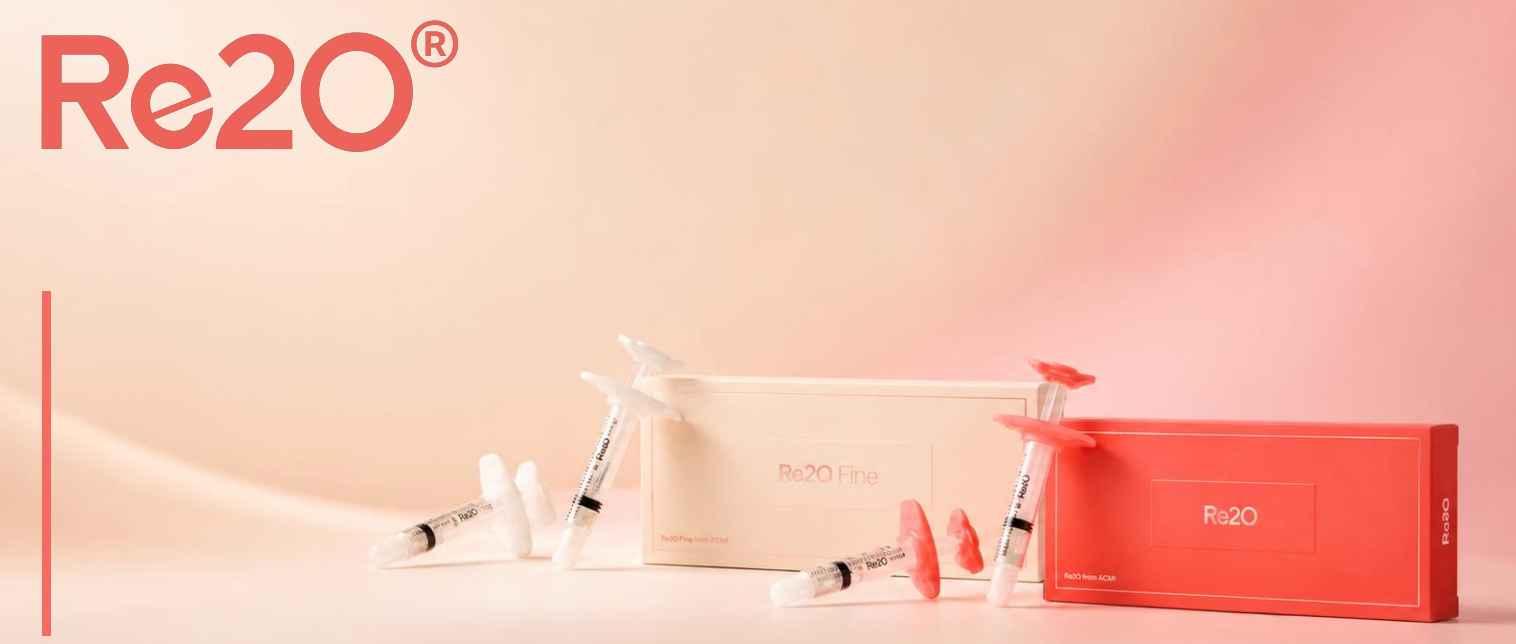
RE20, short for “Return to 20”, uses human acellular dermal matrix, or hADM. According to the clinic, this is processed human dermal tissue in which donor cells are removed while retaining structural components such as collagen, elastin and other extracellular matrix proteins.
The extracellular matrix, or ECM, can be thought of as the scaffolding that supports the skin. Dr Leong described the concept in simple terms, comparing it to building bricks into a wall. Rather than only encouraging the skin to manufacture more collagen, the treatment aims to provide some of the structural building blocks that skin loses as it ages.
This is particularly relevant because ageing does not only involve a reduction in collagen production. The skin’s extracellular matrix also becomes thinner and less dense, affecting firmness, elasticity, texture and resilience.
“Skin structure builder” was one of the phrases that stood out during my conversation with Dr Leong. The idea is that by supplying structural material directly, the treatment provides a framework that the body’s own cells can work around.
ECM boosters were originally developed from technology associated with reconstructive medicine, wound healing and surgical grafting. The treatment uses processed tissue rather than intact donor cells, with decellularisation intended to reduce the likelihood of an immune reaction.
Dr Leong also highlighted ECM boosters like RE20’s safety profile and sterilisation process during our discussion. He noted that it is designed to be less irritating, with less redness and a relatively short recovery period. Based on the information shared with us, mild redness, swelling or bruising at injection points generally settles within about 24 to 48 hours.
The treatment itself is administered manually. Depending on the area being treated, doctors may use a cannula, which is a longer blunt-tipped instrument, as part of the injection technique.
The clinic positions ECM boosters like RE20 and RE20 Fine differently from conventional fillers. Rather than being designed primarily to add artificial volume, they are intended to improve skin quality and support the underlying dermal structure.
Inside Reborn Skin Clinic:
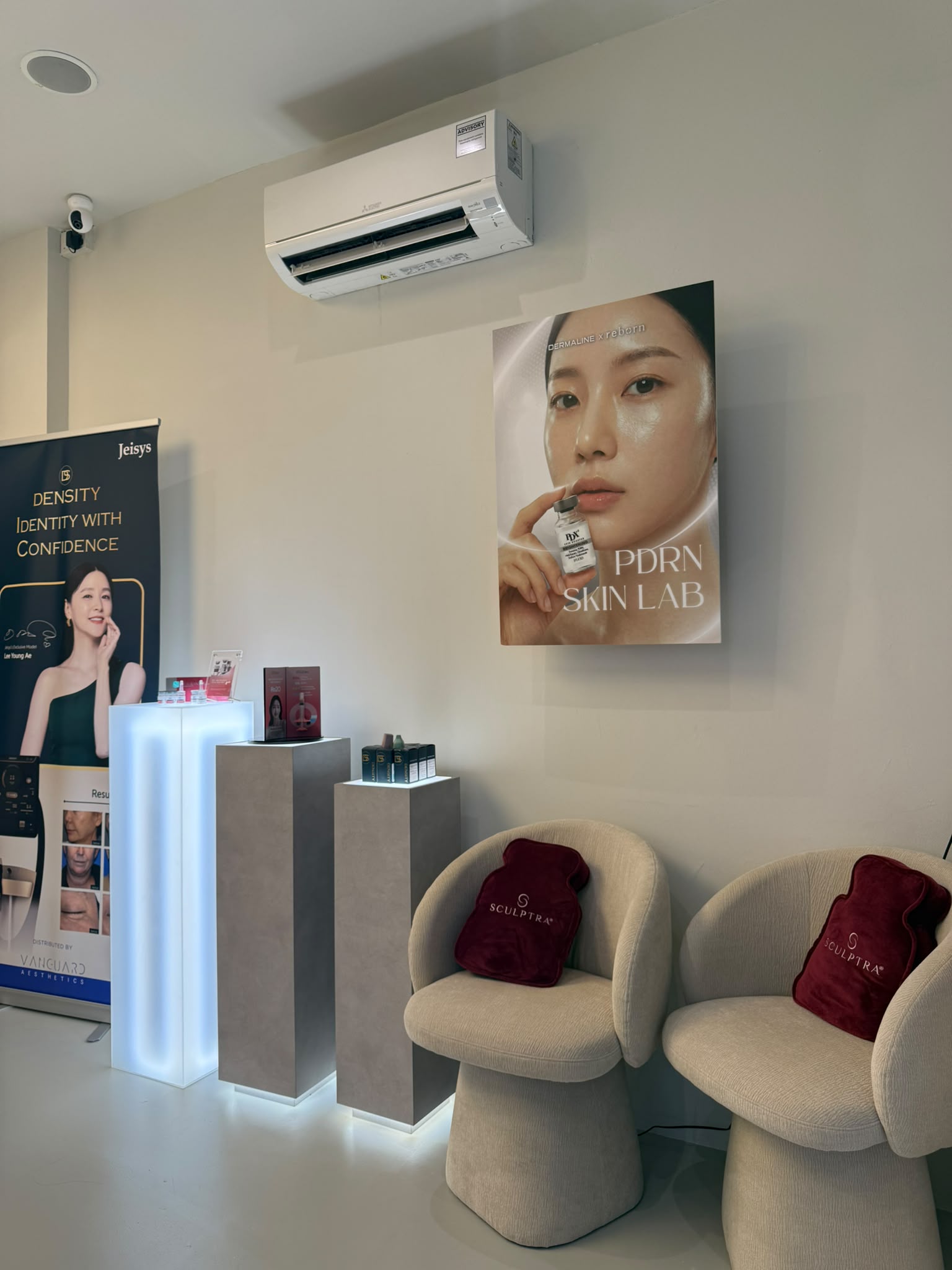
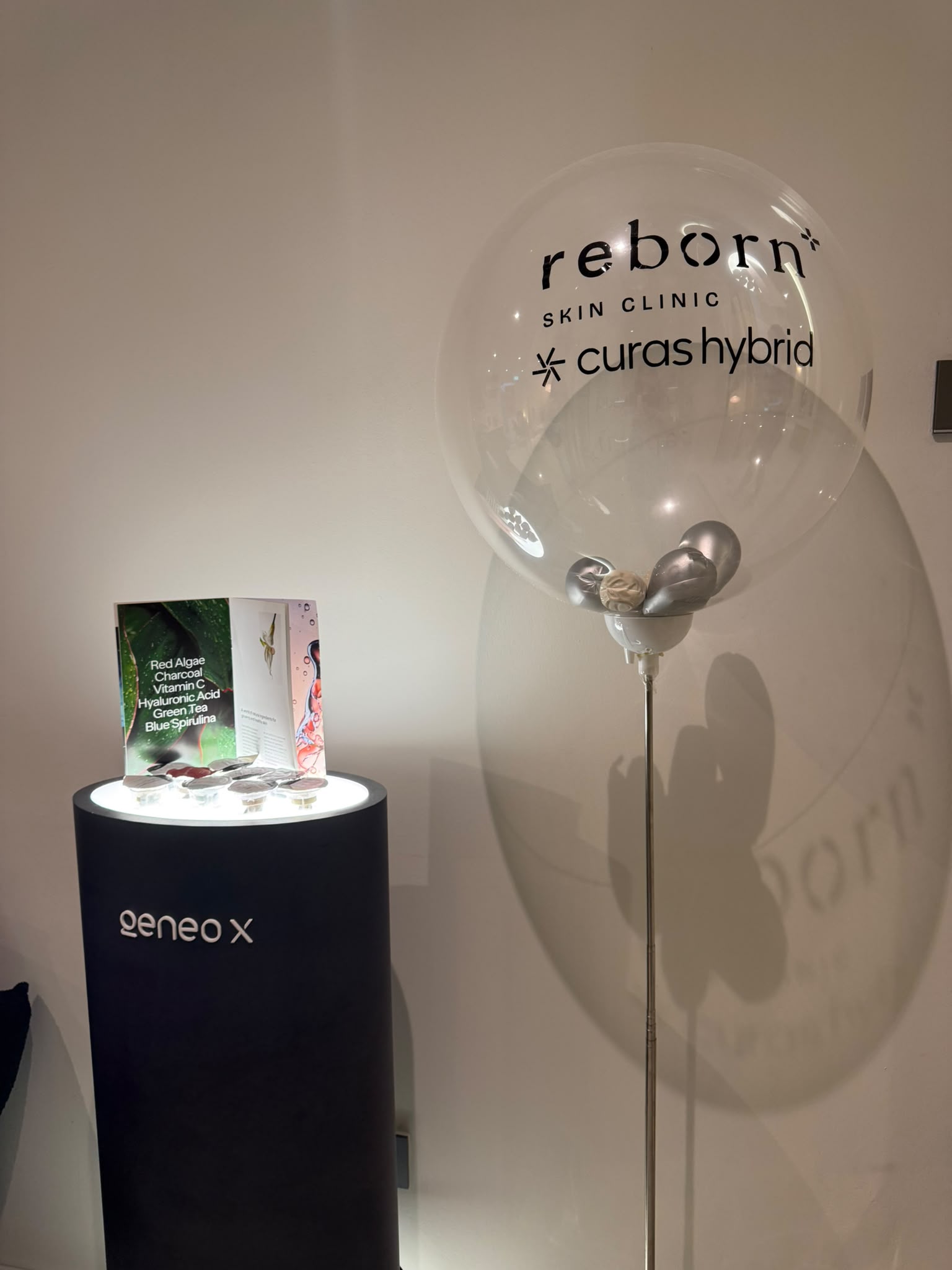
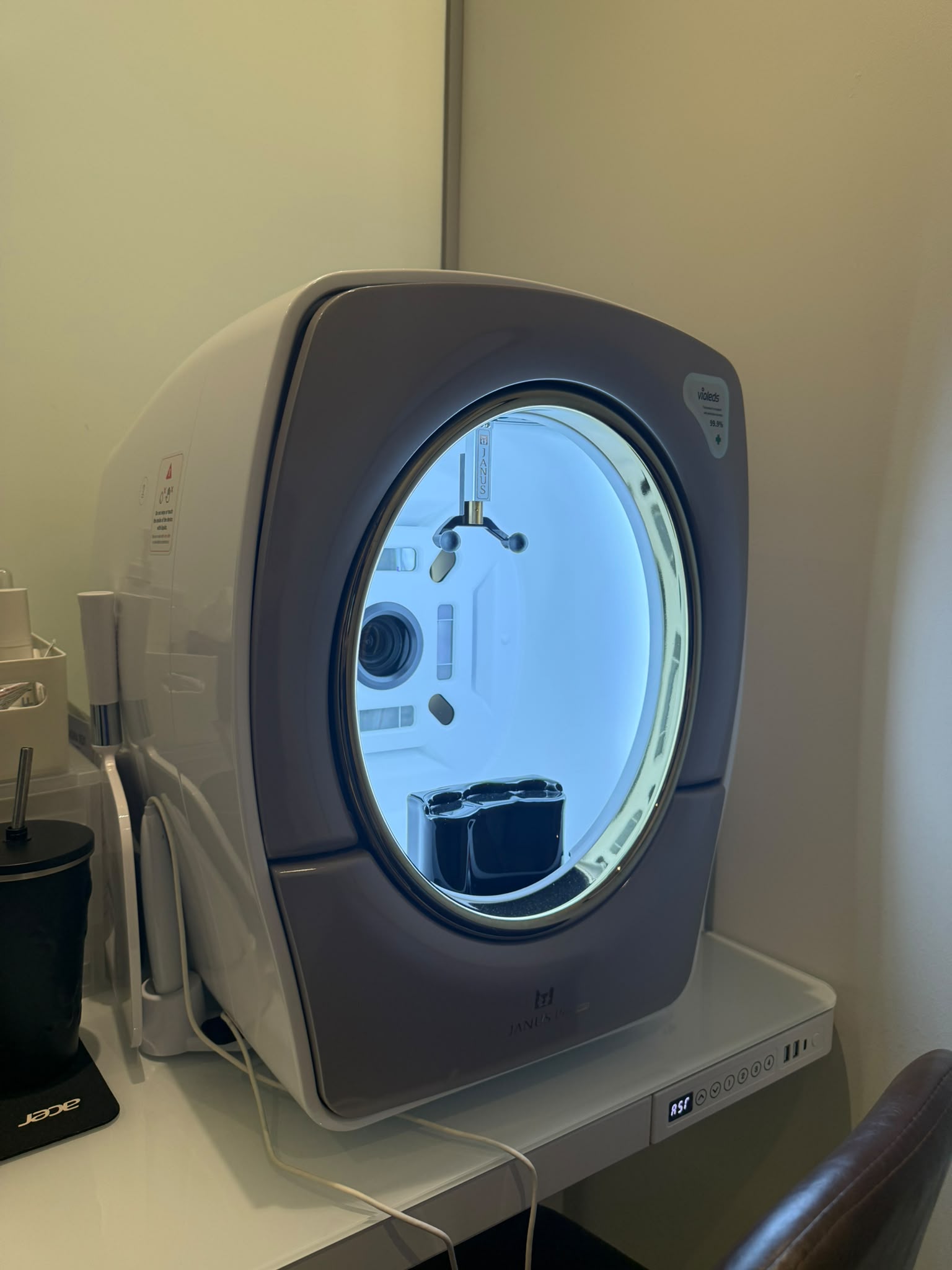
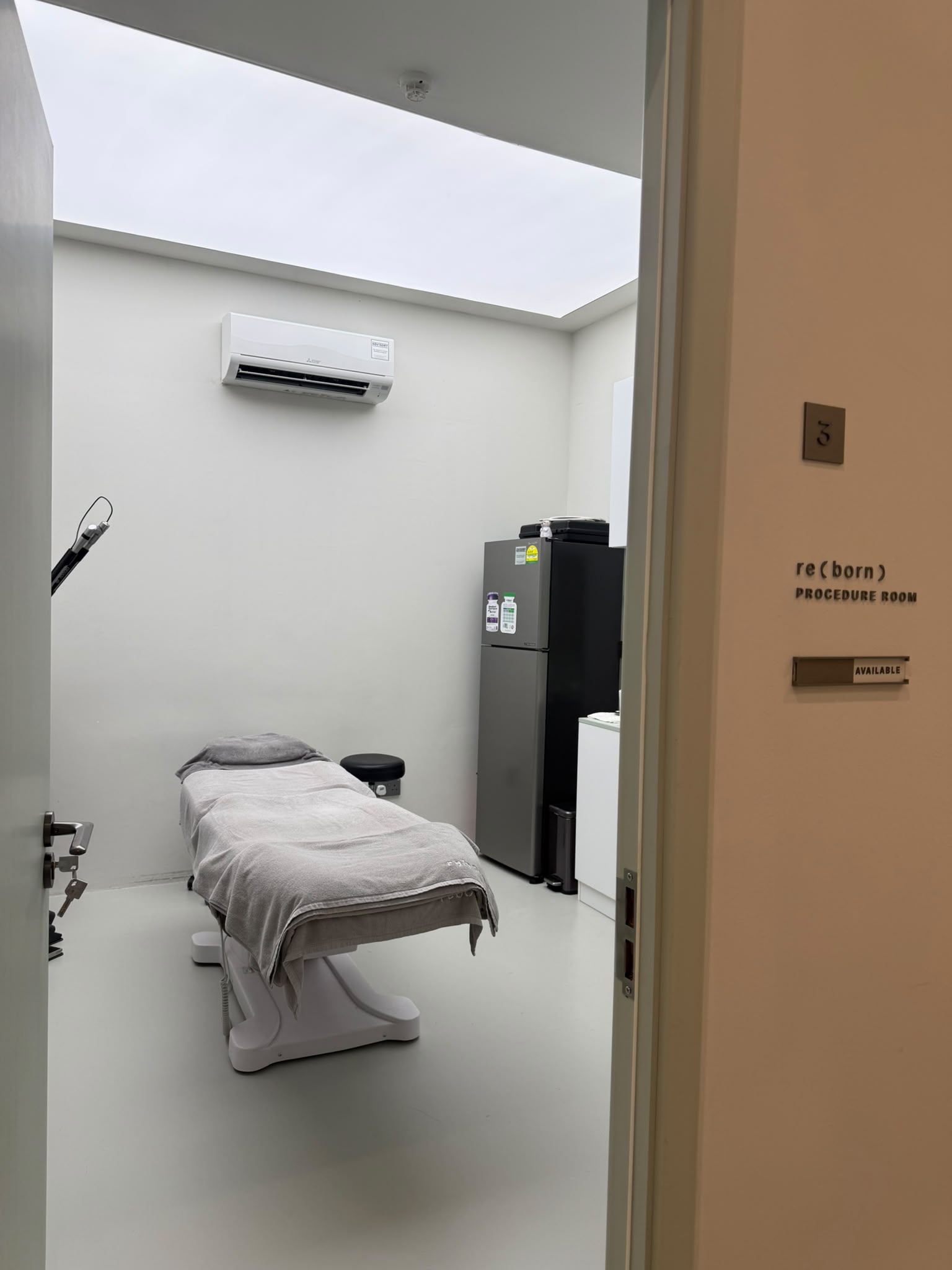
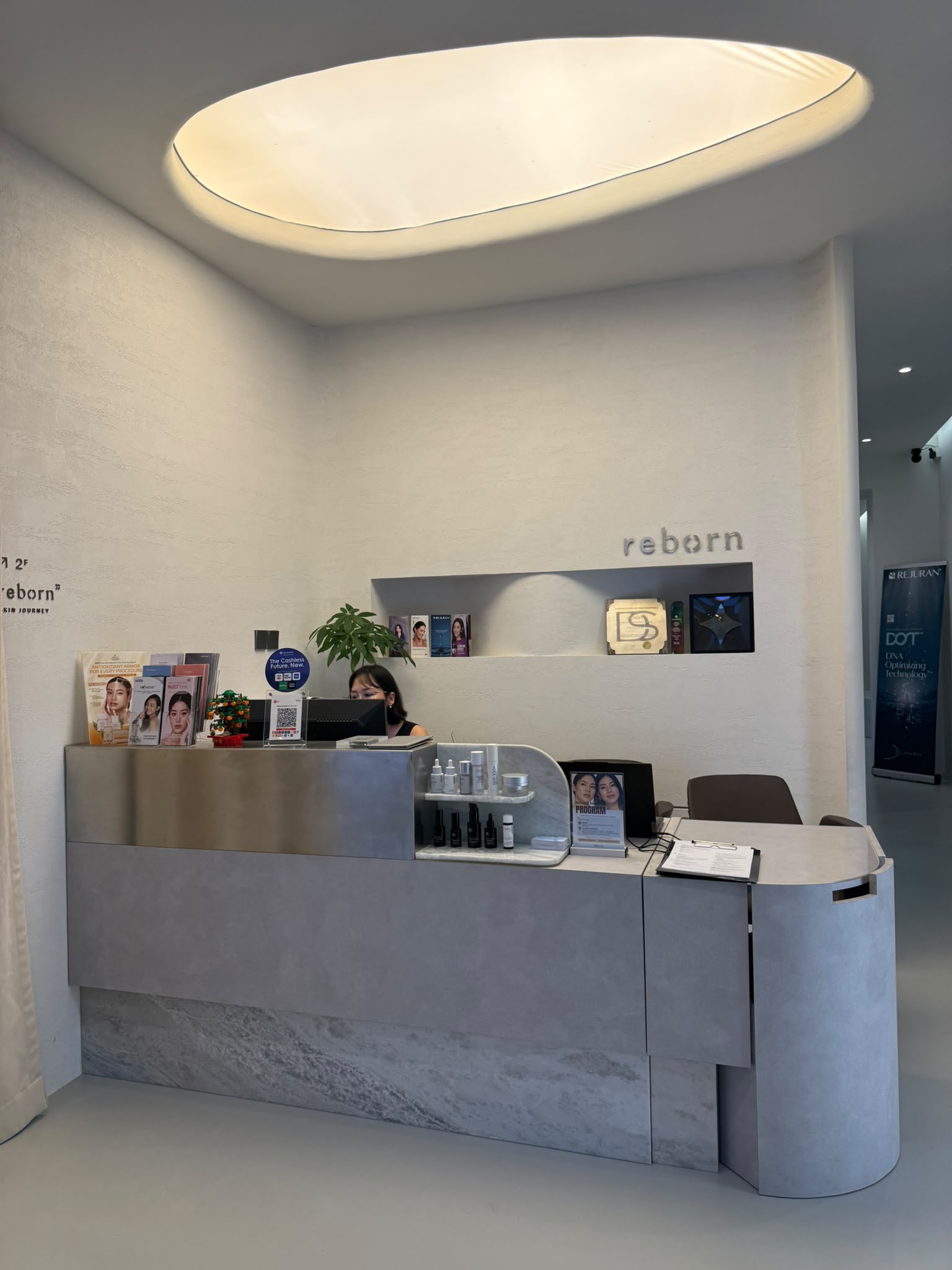
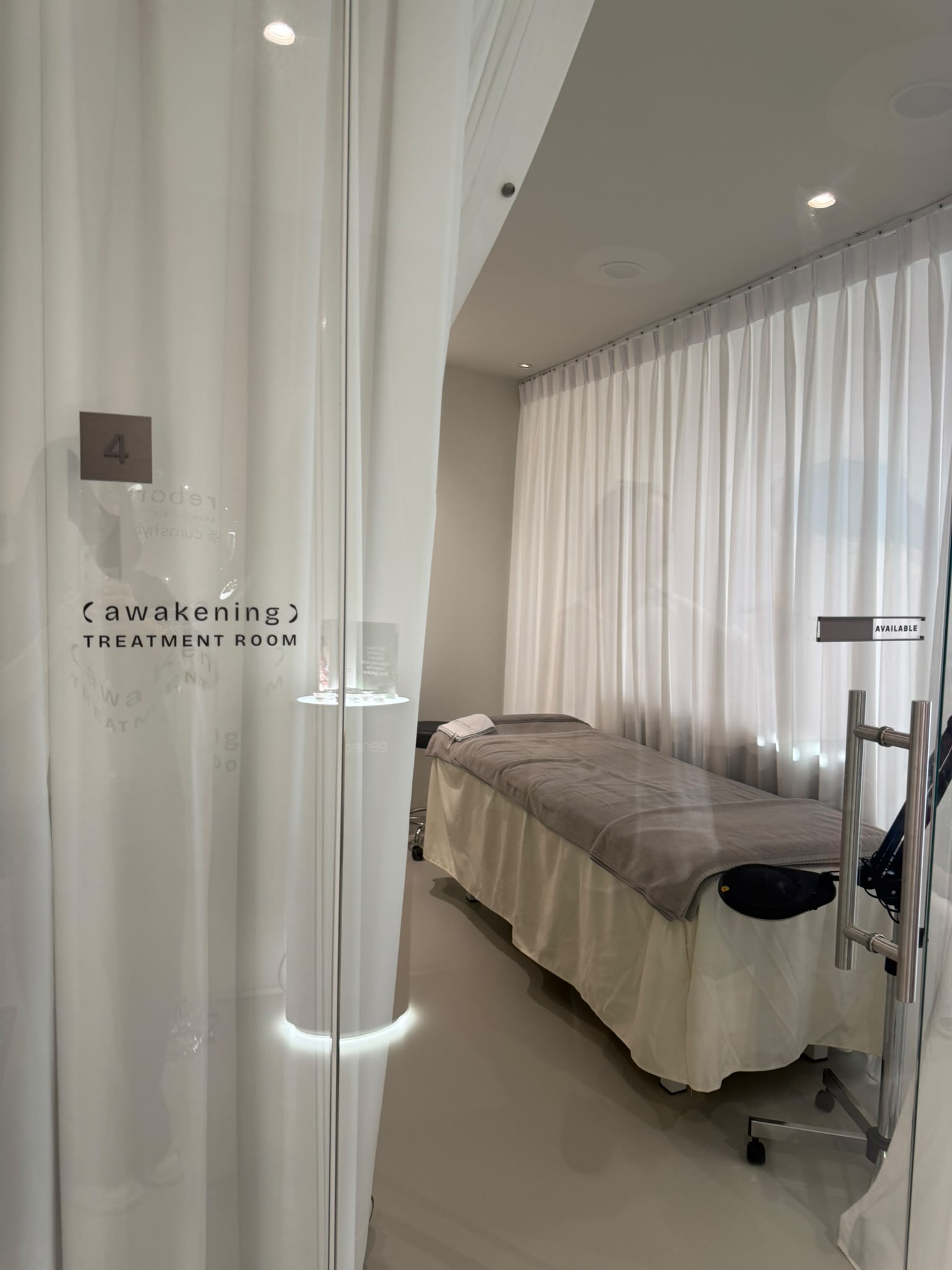
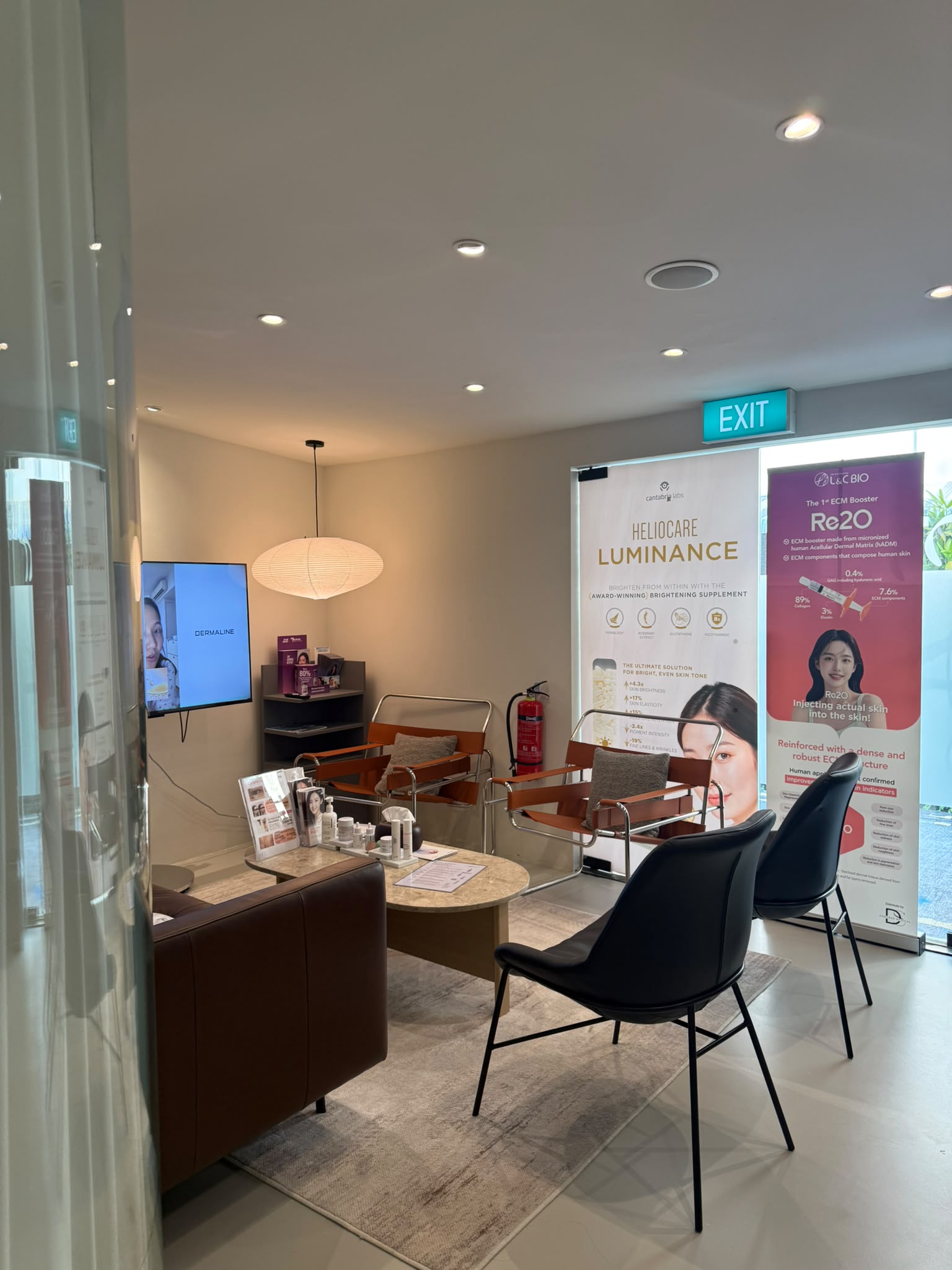
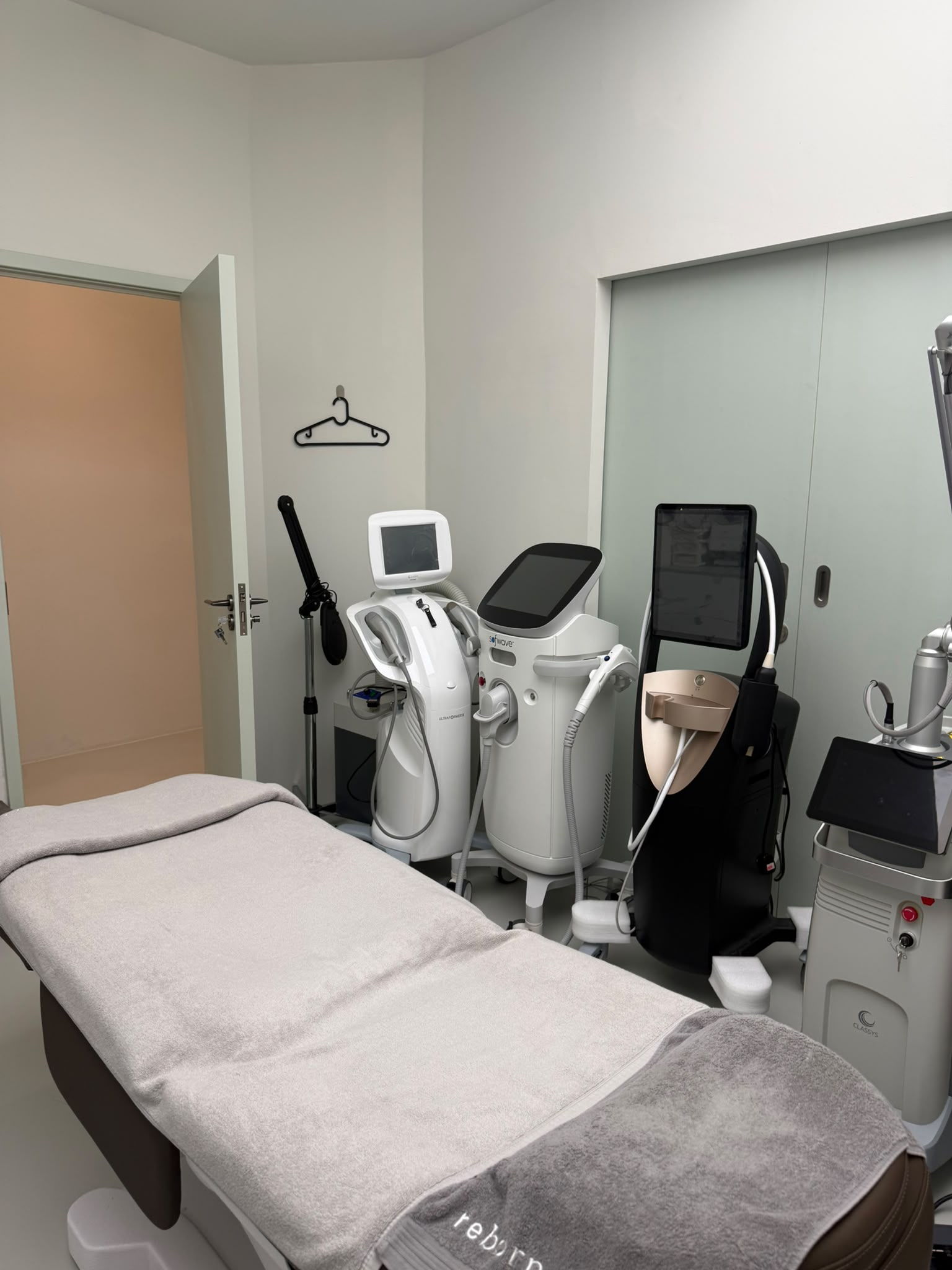
The clinic’s own explanation places skin boosters into several broad categories. Some primarily hydrate the skin, while others stimulate the body’s cells to produce more collagen. RE20 takes a structural approach by introducing processed dermal matrix particles into the skin.
According to Reborn Skin Clinic, the matrix contains collagen, elastin and glycosaminoglycans, among other extracellular matrix components. Once injected into the dermis, the matrix is intended to act as a scaffold. Fibroblasts, the cells responsible for producing collagen, can attach to the framework and contribute to further remodelling over time.
This means the treatment is not positioned as an overnight transformation. The clinic says patients may notice improvements in hydration, texture and radiance relatively soon after treatment, while changes related to collagen production and dermal remodelling can continue over the following two to three months.
ECM boosters may be considered for concerns including early to moderate loss of firmness and elasticity, uneven texture, enlarged-looking pores, acne scars and fine lines. It may also be considered for people whose skin has reached a plateau after previous hydrating or PN-based skin boosters.
Dr Leong stressed during our discussion that treatment suitability depends on the individual. A consultation is therefore important before deciding whether the treatment is appropriate.
The concept is certainly different from simply injecting a conventional filler into the face. It also raises an interesting question about where aesthetic medicine is heading. Instead of focusing purely on adding volume or stimulating the skin to produce more collagen, regenerative treatments such as ECM boosters are exploring whether the skin’s depleted structural environment can be replenished more directly.
ECM boosters like RE20 and RE20 Fine are still relatively new, having been available for less than two years, making the treatment an emerging option rather than something with decades of aesthetic use. That is also why the claims and longer-term outcomes are worth following as more clinical experience and data accumulate. For RE20, the clinic says treatment plans commonly begin with two to three sessions, depending on the patient’s skin condition and goals, followed by maintenance treatments. Exact protocols should be determined by a licensed doctor after an assessment.
For now, ECM boosters like RE20 and RE20 Fine represent an interesting development in Singapore’s increasingly crowded regenerative aesthetics landscape. The more compelling aspect is not simply the novelty of using human-derived material, but the underlying idea of treating ageing skin as a structural problem and attempting to restore some of the components that give healthy skin its support.
Whether this approach will become a mainstream alternative to established treatments remains to be seen.
Note: I did not undergo ECM boosters during this interview, so this article should not be read as a personal treatment review.
As with any injectable aesthetic procedure, individual results and suitability vary, and treatment should only be undertaken after consultation with a qualified medical practitioner.

![[Review] One-night Only "Postcards from Barcelona" Four Hands Showcase at FIRE at 1-Atico Brings Argentinian Diaspora to Singapore - Alvinology](https://alvinology.com/wp-content/uploads/2025/11/fire-1-altico-argentinian-affair-18-1024x576.jpg "[Review] One-night Only \"Postcards from Barcelona\" Four Hands Showcase at FIRE at 1-Atico Brings Argentinian Diaspora to Singapore")

![[Review] Cirque Alice Brings a Whimsical Wonderland to Marina Bay Sands This October - Alvinology](https://alvinology.com/wp-content/uploads/2025/10/cirque-alice-masthead-desktop-1920x823-updated-1024x439.jpg "[Review] Cirque Alice Brings a Whimsical Wonderland to Marina Bay Sands This October")