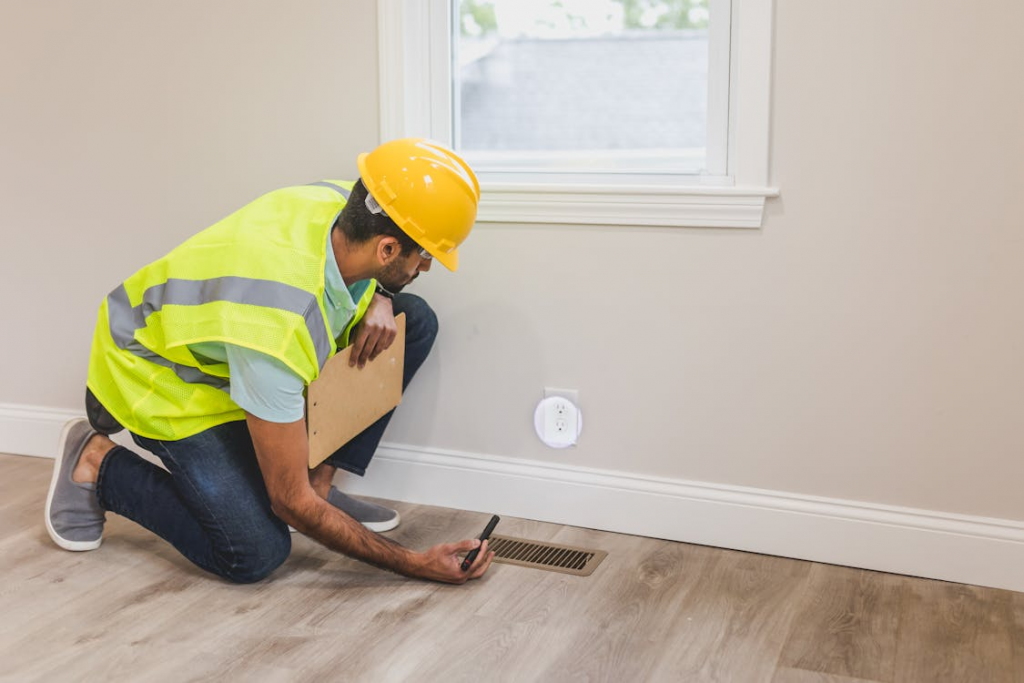







Transforming a living space brings new life to any property. Managing expenses requires a clear strategy, thorough research, and smart financial choices. Every dollar spent needs a purpose to prevent project costs from spinning out of control. Smart planning allows homeowners to maximize value and achieve their ideal home vision.
Setting Clear Priorities Before Design Begins
Homeowners want to fix every room at the same time. Professional home renovation services structure project phases so high-value areas get completed first without draining funds. Clear goals keep structural choices aligned with personal needs. Sticking to a primary target zone keeps chaos away from daily family life.
The median home renovation spending reached $24,000 for major interior improvements. Deciding which interior upgrades matter most protects homeowners from overspending early. Spending wisely on key rooms protects project longevity. Careful planning keeps initial investments aligned with household goals.
Understanding Overall Project Cost Factors
The average home remodeling costs range from $18,000 to $75,000 depending on space size and material quality. Square footage impacts material quantities and structural requirements. Selecting mid-range materials offers great aesthetics without top-tier price tags. Broad cost ranges mean project planning must match real budget limits.
Project scope directly shapes timeline requirements and contractor labor needs. Custom fixtures push prices up much faster than stock options. Evaluating material choices early prevents surprises midway through updates. Standard sizing keeps installation tasks simple and affordable.
Factoring Labor into Your Overall Spending
A report by U.S. News shows labor costs account for 30% to 50% of total project expenses in full residential remodels. Skilled tradespeople guarantee that work meets local building codes and safety standards. Cutting corners on professional labor creates expensive corrections. High-quality trade skills keep structural framing and wiring secure.
Contractors manage complex permits, scheduling, and structural safety tasks. Spending money on qualified experts protects property investment value permanently. Reliable craft skills pay off in structural quality. Professional oversight prevents expensive building inspection delays.
Establishing a Contingency Buffer for Unexpected Repairs
Set aside a 20% contingency buffer to prevent budget overruns from unexpected structural repairs. Hidden wiring issues, water damage, or outdated plumbing appear once walls open up. Having extra cash set aside keeps project progress moving forward smoothly. Emergency funds prevent financial stress when structural surprises happen.
Unforeseen problems disrupt timelines if a financial cushion is absent. Planning for extra costs removes panic when hidden issues surface. A financial buffer protects total project stability from start to finish. Unused emergency funds simply stay in your savings account at completion.
Creating a Realistic Allocation Strategy
A sound spending plan begins with an honest look at available household funds. Breaking project scope into distinct spending categories prevents unexpected mid-project surprises. Material purchases, building permits, and trade labor require distinct dollar limits.
Comparing written estimates from local trade specialists keeps financial expectations grounded. Standard sizing for cabinets, windows, or floor tile keeps material orders reasonable. Avoiding expensive custom fabrications helps maintain low project totals.
Careful planning accounts for permits, waste removal fees, and delivery costs. Small hidden fees add up fast during major construction projects. Allocating funds for these small items keeps original financial plans accurate.
Focusing Investments on High ROI Spaces
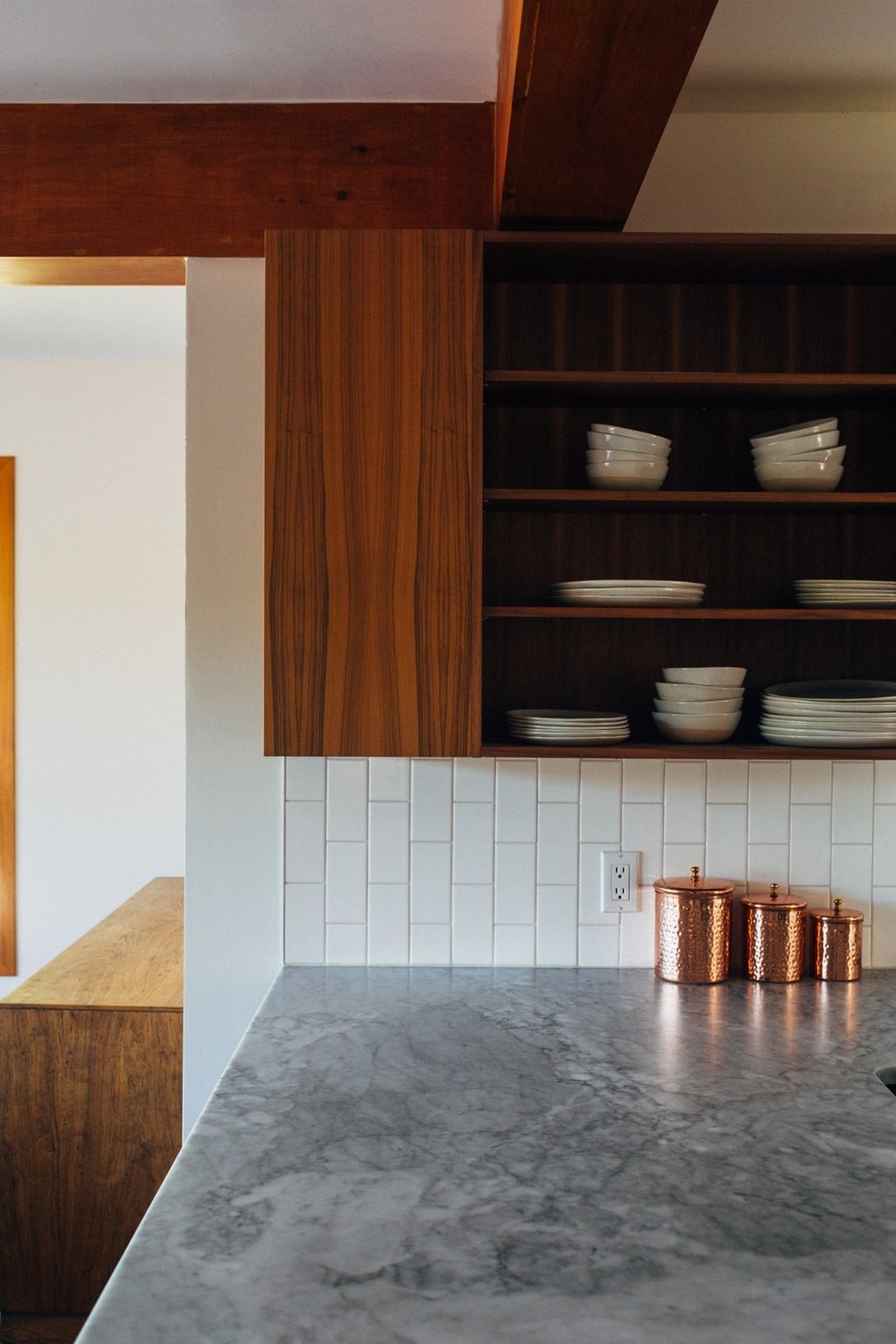
Homeowners spent an average of $22,000 on home improvement projects, with kitchen updates remaining the highest investment. Updating cabinets, countertops, and appliances increases daily convenience. Kitchens remain focal points for modern family living. Daily usability makes kitchen spending feel rewarding every single morning.
Findings from the National Association of Realtors state that kitchen renovations deliver a 75% return on investment when owners resell their property. Upgrading fixtures or adding modern counters boosts immediate home appeal. High-traffic areas deliver strong financial returns. Buyers pay top dollar for cooking and dining spaces.
Upgrading Exterior Elements for Resale Value
Industry data reveals exterior improvements and garage door updates yield up to 102% cost recovery at resale. Curb appeal shapes buyer impressions before anyone steps inside. Simple updates like new siding or front door paint deliver huge visual impacts.
Outdoor renovations protect the physical structure from harsh weather elements. Smart exterior upgrades to boost property value include:
- Installing modern insulated garage doors for better efficiency
- Replacing worn entry doors with stylish modern materials
- Refreshing exterior trim with clean weather-resistant paint
Managing Material Choices and Purchasing Options
Smart shopping strategies reduce material bills without sacrificing style. Choosing off-the-shelf cabinet designs delivers modern looks for lower prices. Buying leftover stock from local suppliers cuts costs. Comparing multiple vendors reveals surprising price differences on identical fixtures.
Sourcing materials through wholesale outlets keeps total expenses down. Working closely with trade suppliers provides access to trade discounts. Small savings across multiple material categories add up fast. Smart sourcing frees up cash for higher quality structural elements.
Balancing financial choices with quality craftsmanship creates long-lasting home satisfaction. Smart planning keeps remodels within planned limits and transforms living spaces. Prioritizing high-yield areas protects long-term property value. With deliberate execution and clear goals, any home makeover stays on track and within budget.

![[Infographics] The cost of living in Singapore - Explained - Alvinology](https://alvinology.com/wp-content/uploads/2019/04/sgcoffee-1024x692.jpg "[Infographics] The cost of living in Singapore - Explained")