


![[Review] Discover Casa Lola, FOC Group's New Spanish Dining Spot in the CBD, Inspired by Barcelona's Neighbourhood Bodegas - Alvinology](https://alvinology.com/wp-content/uploads/2026/10/casal-lola-spanish-14-110x110.jpg "[Review] Discover Casa Lola, FOC Group's New Spanish Dining Spot in the CBD, Inspired by Barcelona's Neighbourhood Bodegas")

![NUXE Launches Prodigieuse [HYALU] BOOST Skincare Range in Singapore, With Four Products for Hydrated, Radiant Skin - Alvinology](https://alvinology.com/wp-content/uploads/2026/10/NUXE-Prodigieuse-HYALU-BOOST-110x110.png "NUXE Launches Prodigieuse [HYALU] BOOST Skincare Range in Singapore, With Four Products for Hydrated, Radiant Skin")


Women navigate distinct physical transitions across every major stage of adult life. Maintaining daily wellness relies on tracking subtle shifts in physical energy levels, reproductive health, and complex endocrine signals. Proactive awareness empowers individuals to protect their physical strength amidst busy personal schedules and demanding daily routines.
Understanding common bodily changes provides women with practical tools for confident health management. Identifying early warning signals supports balanced living and encourages timely clinical checkups with local providers. Building steady health routines forms a reliable framework for ongoing personal strength, confidence, and peace of mind.
Navigating Hormonal Imbalances Across Life Stages
Hormone fluctuations influence sleep patterns, mood stability, and metabolic performance. Estrogen and progesterone levels naturally shift during menstrual cycles and transition phases. Recognizing subtle symptoms early makes long-term wellness planning much easier.
PCOS affects up to 10 percent of individuals during childbearing years. Symptoms often include irregular periods, unexpected weight changes, and skin issues. Target treatments focus on lifestyle adjustments and medical guidance.
Perimenopause brings noticeable shifts in body temperature and sleep consistency. Women near age 45 often notice varying cycle lengths and mild fatigue. Working with care providers helps manage the shifts smoothly.
Managing Noncancerous Uterine Growths
Many women experience benign uterine changes during their reproductive years. Heavy bleeding, pelvic pressure, and frequent urination often indicate tissue expansion. Seeking timely medical evaluations brings clear answers and better comfort.
Conservative medical choices work well for mild symptoms and smaller growths. Exploring surgery for Uterine fibroids becomes a primary option when physical discomfort limits daily routines. Specialized care teams guide patients through minimal recovery times.
Ongoing monitoring helps track physical changes over multi-year periods. Doctors recommend annual exams to evaluate tissue size and health status. Open communication with primary specialists supports personalized treatment plans.
Understanding Benign Reproductive Tumors
Noncancerous pelvic growths appear in millions of adult females across the world. Understanding tissue characteristics helps patients select suitable care plans. Medical advances make managing the conditions simpler than ever before.
Public health agency data points out that noncancerous uterine tumors represent the most frequent growth found in women during childbearing years. Symptoms vary based on precise size, location, and total number. Typical signs to watch out for include:
- Unexplained lower back aches
- Severe menstrual cramping during cycles
- Noticeable fullness in the lower abdomen
- Frequent nighttime bladder pressure
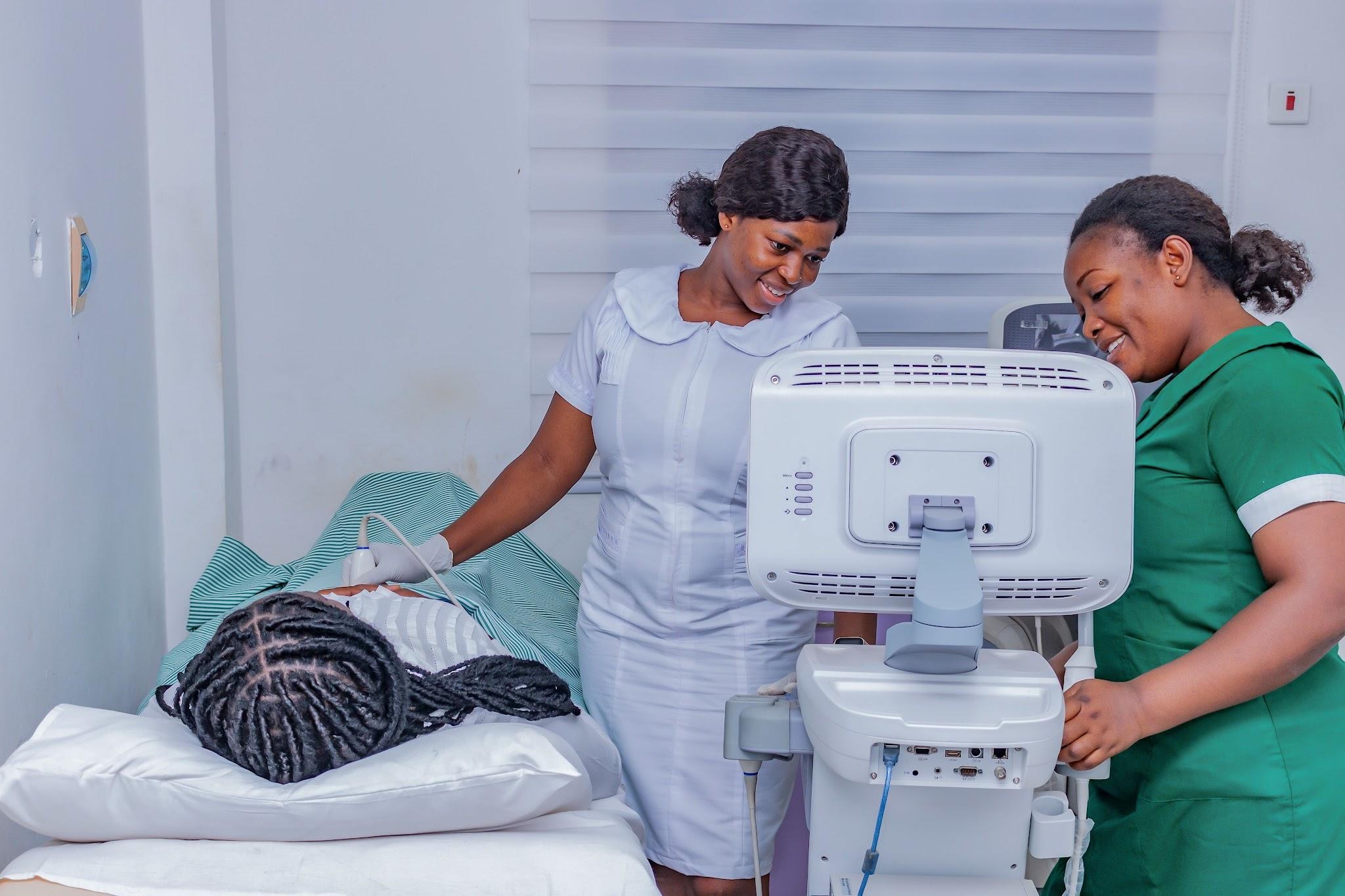
Diagnostic imaging tools like ultrasound confirm tissue boundaries accurately. Doctors evaluate visual scans to form precise management plans. Patient outcomes improve significantly with early diagnosis and tracking.
Addressing Endometriosis and Pelvic Pain
Endometriosis occurs when tissue similar to the uterine lining grows outside the cavity. The placement causes localized inflammation, swelling, and sharp internal discomfort. Early diagnostic procedures help minimize long-term pain patterns.
A medical journal publication highlighted that the growths represent the most common benign tumors in the female reproductive system and frequently impact daily quality of life. Chronic discomfort can interfere with regular employment and personal activities. Target therapies focus on reducing inflammation and restoring personal comfort.
Hormonal options help manage monthly lining development and tissue irritation. Physical therapy techniques relieve tightness across pelvic muscle groups. Combining multiple approaches yields strong results over long timelines.
Breast Health and Routine Screening Protocols
Regular breast screenings form a reliable foundation for proactive health care. Yearly mammograms combined with thorough physical examinations identify minor structural changes early. Standard medical guidelines suggest setting fixed annual screening dates after turning age 40.
Personal self-awareness allows women to spot unexpected lumps, skin texture changes, or localized pain right away. Performing routine self-exams builds strong familiarity with typical tissue density. Sharing rapid physical updates with primary doctors supports immediate clinical evaluations.
Modern imaging technologies provide clear internal views using minimal radiation exposure. Diagnostic medical equipment lets specialists detect tiny tissue anomalies long before noticeable symptoms appear. Scheduling consistent checkups gives patients long-term confidence and lasting peace of mind.
Bone Density Loss and Osteoporosis Risks
Bone mass naturally peaks in early adulthood before declining during later years. Lower estrogen levels accelerate bone mineral loss after menopausal transitions. Understanding risk factors supports proactive bone strength protection.
Findings in a nutrition research journal explain that smooth muscle uterine tumors stand as the most widespread benign growth in adult females. Weight-bearing exercises help maintain structural frame stability over decades. Adequate calcium intake combined with vitamin D intake protects frame density.
Dual-energy X-ray scans measure exact mineral density in hips and spine. Physicians review scan results to assess fracture risks accurately. Early intervention preserves mobility and active lifestyle habits.
Autoimmune Conditions in Women
Autoimmune disorders affect females at significantly higher rates than males. Immune systems mistakenly attack healthy tissues, creating widespread chronic inflammation. Recognizing systemic symptoms aids in getting faster specialist referrals.
Conditions like lupus, thyroiditis, and rheumatoid arthritis display distinct symptom patterns. Tracking daily physical energy helps specialists adjust treatment protocols. Common indicators include:
- Persistent joint stiffness during morning hours
- Extended periods of unexplainable physical exhaustion
- Unexplained skin rashes across body regions
- Sudden body temperature fluctuations
Medications lower immune overactivity while preserving core organ function. Stress management techniques improve daily energy reserves and lessen flare-ups. Long-term care plans prioritize steady physical comfort.
Mental Health and Cardiovascular Wellness
Heart disease remains a leading health consideration for adult females globally. Hormonal changes, stress levels, and genetic background shape cardiovascular health. Routine blood pressure screening protects long-term arterial function.
Mental wellness closely links with physical cardiovascular health metrics. Chronic stress elevates heart rates and affects healthy sleep routines. Daily relaxation practices help stabilize circulatory system functions.
Balanced nutrition, daily physical movement, and restful sleep build strong body resilience. Seeking support networks encourages emotional stability through every life stage. Prioritizing wellness gives women tools to thrive every single day.

Taking proactive steps toward daily health creates solid foundations across every phase of adulthood. Staying informed about natural body updates helps women make confident decisions regarding personal care choices. Regular self-monitoring empowers individuals to maintain long-term physical comfort, emotional stability, and active lifestyles.
Collaborating with medical specialists delivers customized care strategies tailored to specific bodily needs. Routine preventive checkups combined with balanced daily choices support ongoing physical resilience and strength. Consistent self-care practices remain the single best long-term investment in lifelong physical wellness and daily energy.


![[Review] Sweep and Mop the Floor Simultaneously with the New Roborock G10 dual-function robot vacuum that can also Self-wash and Self-refill its Mop - Alvinology](https://alvinology.com/wp-content/uploads/2022/08/roborock-vacuum-g10-08-1024x576.jpg "[Review] Sweep and Mop the Floor Simultaneously with the New Roborock G10 dual-function robot vacuum that can also Self-wash and Self-refill its Mop")