


![[Review] Anker's New AeroClip 2 Just Made Open-Ear Calls Guinness World Record Clear - Alvinology](https://alvinology.com/wp-content/uploads/2026/10/anker-violet-05-110x110.jpg "[Review] Anker's New AeroClip 2 Just Made Open-Ear Calls Guinness World Record Clear")

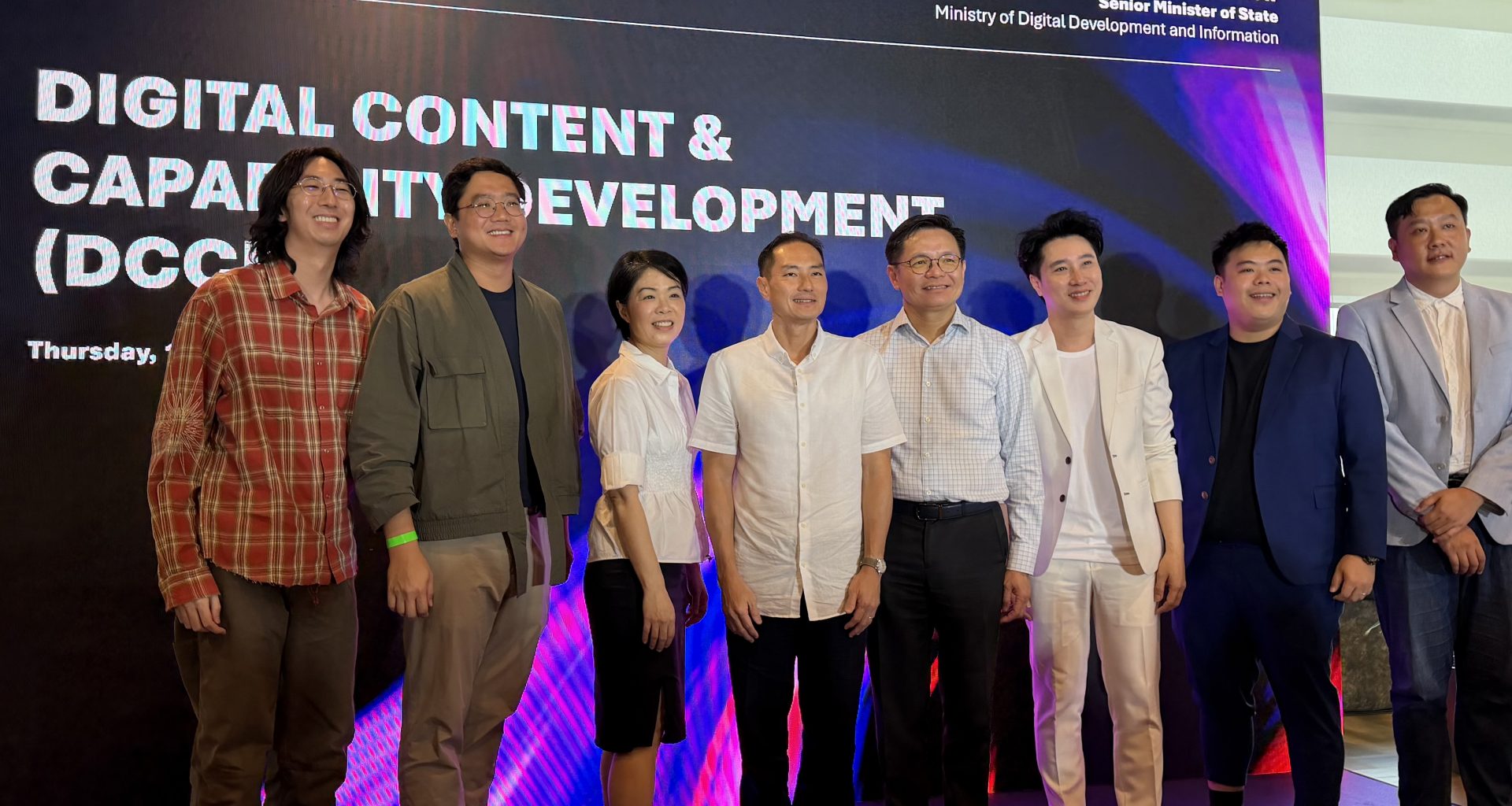

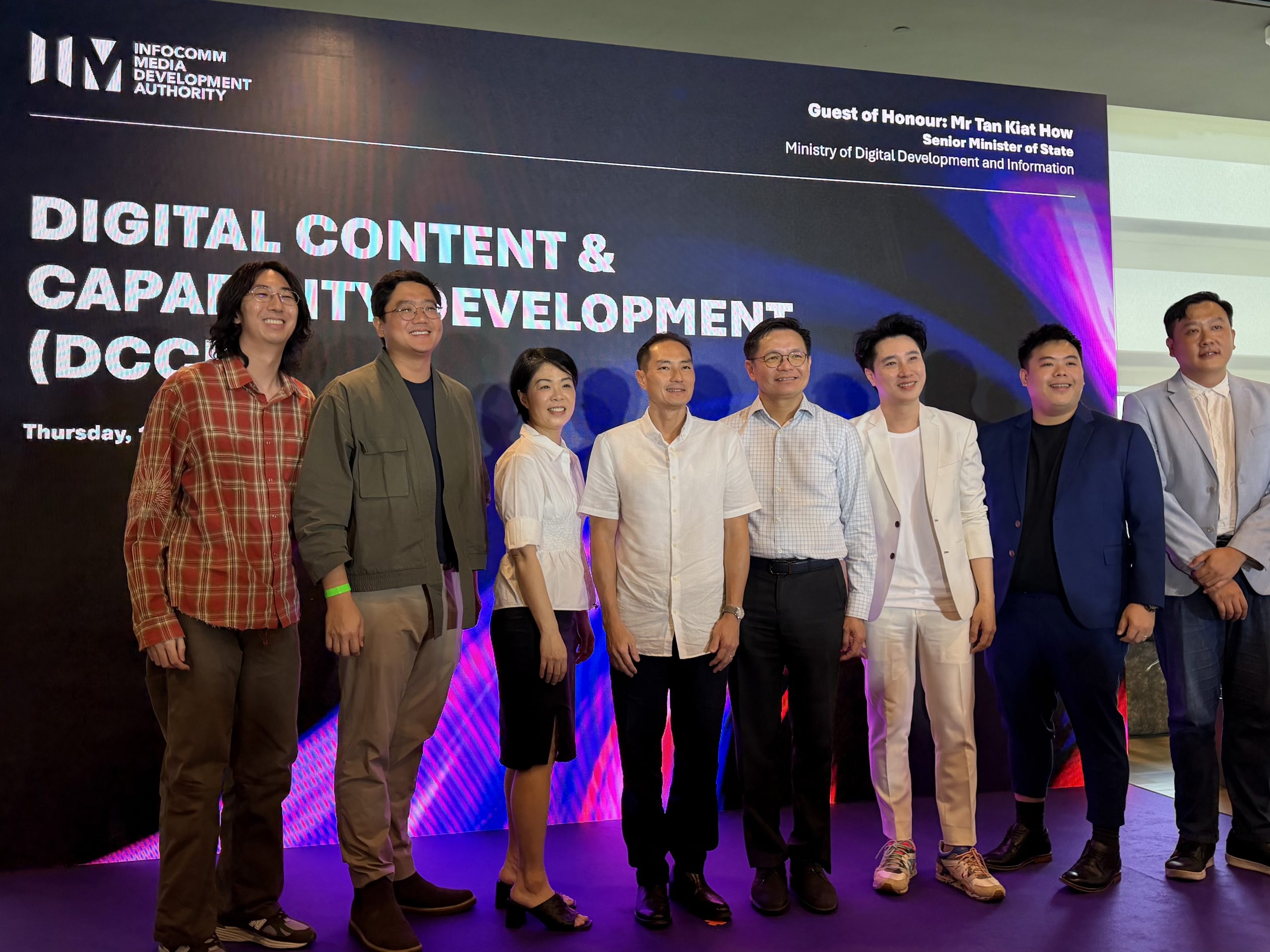
The Infocomm Media Development Authority (IMDA) launched a S$48 million programme on 18 June to help local media companies make digital content and bring AI into their production work.
Senior Minister of State for Digital Development and Information Tan Kiat How announced the four-year Digital Content and Capability Development (DCCD) programme as Guest-of-Honour at the launch, which drew creators, production houses and digital publishers. The Government, he said, is “doubling down” on its support for the industry’s digital shift.
With the new programme, IMDA’s commitment to the media sector now totals about S$250 million over the next few years. DCCD builds on the S$200 million Talent Accelerator Programme, launched in December 2025 to develop film and television talent. Made-with-Singapore content is already punching above its weight globally, SMS Tan said, and the new funding is meant to accelerate that momentum.
The reason for moving now is in the numbers. From April 2025 to March 2026, 87% of people aged 15 and above watched top social video sites — TikTok, Instagram, YouTube and Facebook — at least once a week, according to SG-TAM data. Audiences have shifted to short-form, social-first content, and the programme is built to follow them there.
What the programme does
DCCD takes a two-pronged approach.
The first prong helps content creators scale up, with calls for proposals in areas such as micro-dramas and shorter TV series formats made for the platforms people actually scroll. The second supports more experimental and innovative work, using AI tools to produce content in new ways. The aim is to let creators hand the repetitive tasks to AI and spend more of their time on storytelling, narrative crafting and business development.
To take part, a company must first be accredited. The exercise runs twice a year and assesses each firm’s track record. The first round approved 117 companies, which can now bid for funding through Calls for Proposals. The first call opened on 18 June and closes on 31 July.
Help with AI skills
Alongside the funding, IMDA has curated 55 AI courses for media professionals, cutting through the thousands of options now on the market. The courses are part of a national goal to train 100,000 non-tech workers to be “AI bilingual” within three years. Professionals aged 40 and above can have up to 90% of course fees subsidised, with NTUC’s UTAP scheme and SkillsFuture Credit covering the rest.
What the industry shared
The launch handed the floor to people already using these tools. Across the panels, one idea kept surfacing: AI is making content faster and cheaper to produce, but audiences still come for people.
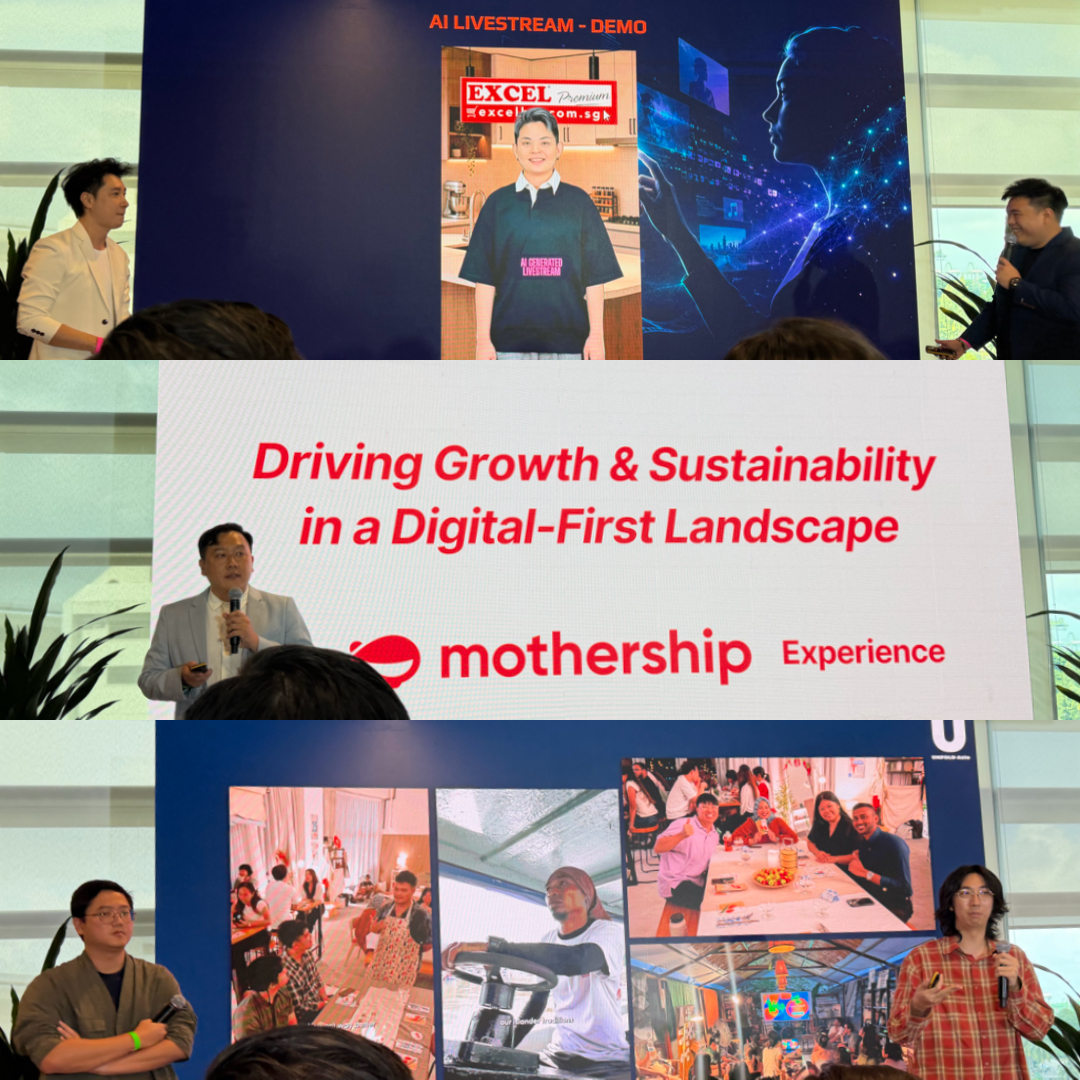
The cost savings are real, and the examples were specific. Dasmond Koh, whose company NoonTalk Media made five fully AI-generated episodes in about two weeks, said the technology should support creators rather than stand in for them.
“AI is not here to replace,” he told the room. Humans, he added, supply the emotion, connection and judgement that the tools cannot, and protecting people’s likeness rights, as cloning spreads, is the problem the industry must solve next.
Kelvin Tan, the creator and entrepreneur known online as Mayiduo, showed how far the production tools have come. His firm, DU Media Holdings, has built systems that clone a client’s voice and face to run automated live streams, and that turn a property listing into a finished home-tour video. His advice to other studios was to stay flexible, because the tools change so quickly.
Others used their time give another perspective. Matthew Chew and Ng Kai Yuan, who run Our Grandfather Story and its parent UNFOLD Asia, shared what still cuts through, he said, is raw and genuinely human storytelling, and communities that meet offline, not just on a feed.
Martino Tan, managing editor of Mothership, offered a veteran’s view, drawing on 13 years. His advice was practical. Do not depend on any single platform, when he visits schools and asks where students read Mothership, no one raises a hand for Facebook anymore. And in a market as small as Singapore’s, collaborate rather than compete in isolation.
“No island survives alone,” he said.
The bottom line
For all the talk, the launch kept returning to one idea. Mr. Tan summed it up at a doorstop interview: “It’s not replacing human connections with AI or technology, but using AI to augment that storytelling to reach out to new audiences.” The rules on who owns AI-made work, he added, still need to catch up, something IMDA says it is working through with the industry.