


![[Review] Osteria Mozza's New Home at ION Orchard Brings a Different Take on Pizza, Pasta and Italian Comfort Food - Alvinology](https://alvinology.com/wp-content/uploads/2026/10/osteria-mozza-11-110x110.jpg "[Review] Osteria Mozza's New Home at ION Orchard Brings a Different Take on Pizza, Pasta and Italian Comfort Food")
![[Review] HONOR X9e Pro Lands in Singapore with an 11,000mAh Battery That Doubles as a Power Bank - Alvinology](https://alvinology.com/wp-content/uploads/2026/10/honor-9xe-purple-06-110x110.jpg "[Review] HONOR X9e Pro Lands in Singapore with an 11,000mAh Battery That Doubles as a Power Bank")


Walk Japan is expanding its long running educational travel programmes with a series of immersive student journeys designed to bring classroom learning into real world cultural experiences across Japan. Established in 1996, the company has been a pioneer in off the beaten track walking tours and continues to work closely with schools to design tailored itineraries that combine education, cultural exchange, and hands on community engagement.
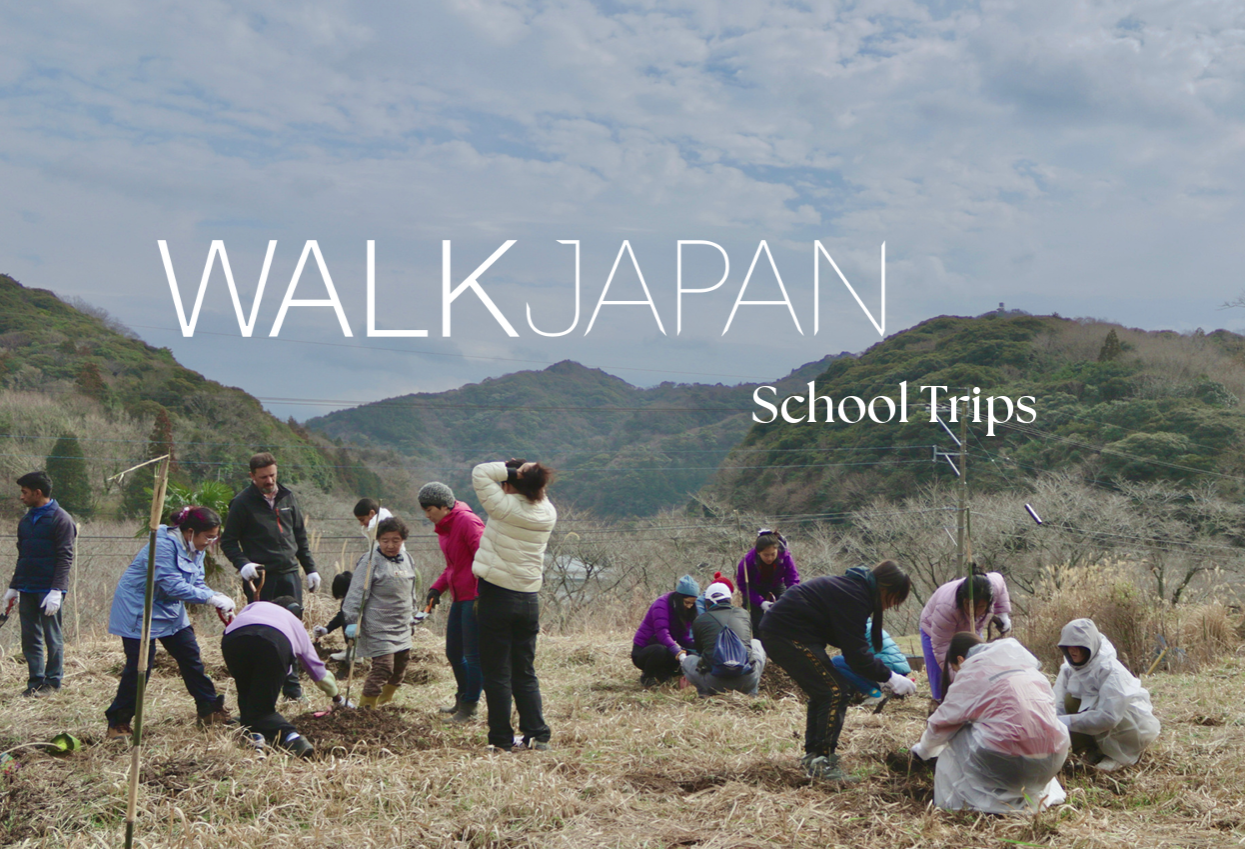
The programmes are structured to give students direct exposure to Japanese society beyond major cities, with opportunities to stay in rural family run guesthouses, interact with local communities, and take part in traditional crafts, farming activities, and cultural practices. Each itinerary is designed to deepen understanding of Japan’s history, heritage, and contemporary society through lived experience.
One of the featured programmes is the Okinawa Life and Culture tour, a 6-day 5-night journey across the Ryukyu island chain. Students explore both modern Naha and the subtropical countryside while visiting key cultural and historical sites such as the Okinawa Peace Memorial Museum, Sefa utaki UNESCO World Heritage Site, Churaumi Aquarium, and the Okinawa Prefectural Museum.
Another offering, Kunisaki Revival in Rural Japan, takes students on a 7-day 6-night exploration of the Kunisaki Peninsula, where they engage with ancient Shinto Buddhist traditions and walk historic monk trails. The programme includes participation in sustainable farming, traditional crafts such as ikebana flower arrangement and shittoi weaving, and food preparation experiences. Highlights include Usa Jingu shrine, Kumano Magaibutsu, Itsusu ji Fudo, and Futago ji.
The Nakasendo Way Japan on Foot tour offers a 7-day 6-night journey along one of Japan’s historic highways, giving students insight into samurai era culture and traditional lifestyles. Participants stay in traditional accommodations, sleep on futons, dine on tatami mats, and experience cultural moments such as a karaoke session. Key stops include the Hiroshige Print Museum, Momosuke Bridge, and the post towns of Narai and Magome.
For a broader regional experience, the Western Japan exploration spans 9 days and 8 nights across Kyushu and Honshu. The itinerary includes Hiroshima, Kyoto, and the Inland Sea, offering students perspectives on both samurai history and modern historical events such as the atomic bombing of Hiroshima. Cultural activities include tea ceremonies and wadaiko drumming, alongside visits to landmarks such as Nijo jo Castle, Rokuon ji, Ryoan ji, the Kyoto Disaster Prevention Center, the Atomic Bomb Dome, Peace Museum, Futago ji, Kumano Magaibutsu, and Canal City.
A longer programme titled Japanese Journey History, Culture and Society from Kyoto to Tokyo runs for 10 days and 9 nights, tracing the Nakasendo Way while exploring both rural and urban Japan. The tour highlights the legacy of Tokugawa Ieyasu and the Edo period, alongside immersive experiences of everyday Japanese life. Destinations include Nijo jo Castle, Rokuon ji, Ryoan ji, Sanjusangen do, Chion in, Nishiki Market, Teramachi, Magome and Narai post towns, the Edo Tokyo Museum, and the Imperial Palace.
Walk Japan’s educational tours are available for students aged 12 and above, with flexible itineraries starting from five days, offering schools a structured yet immersive approach to cultural education through travel.

![[PROMO] It’s impossible to resist the all-new Cheesy Impossible Puff – plant-based meat cast with melted mozzarella cheese! Enjoy two for only $5! - Alvinology](https://alvinology.com/wp-content/uploads/2020/10/Cheesy-Impossible-Puff-1024x538.jpg "[PROMO] It’s impossible to resist the all-new Cheesy Impossible Puff – plant-based meat cast with melted mozzarella cheese! Enjoy two for only $5!")