
![[Review] CLOVE’s Taste of Korea Buffet Brings Korean BBQ, Bossam and Street Food to Swissôtel The Stamford - Alvinology](https://alvinology.com/wp-content/uploads/2026/10/2026_08_20-Photoshoot27261-1-2-2-1366x768-1-110x110.jpg "[Review] CLOVE’s Taste of Korea Buffet Brings Korean BBQ, Bossam and Street Food to Swissôtel The Stamford")


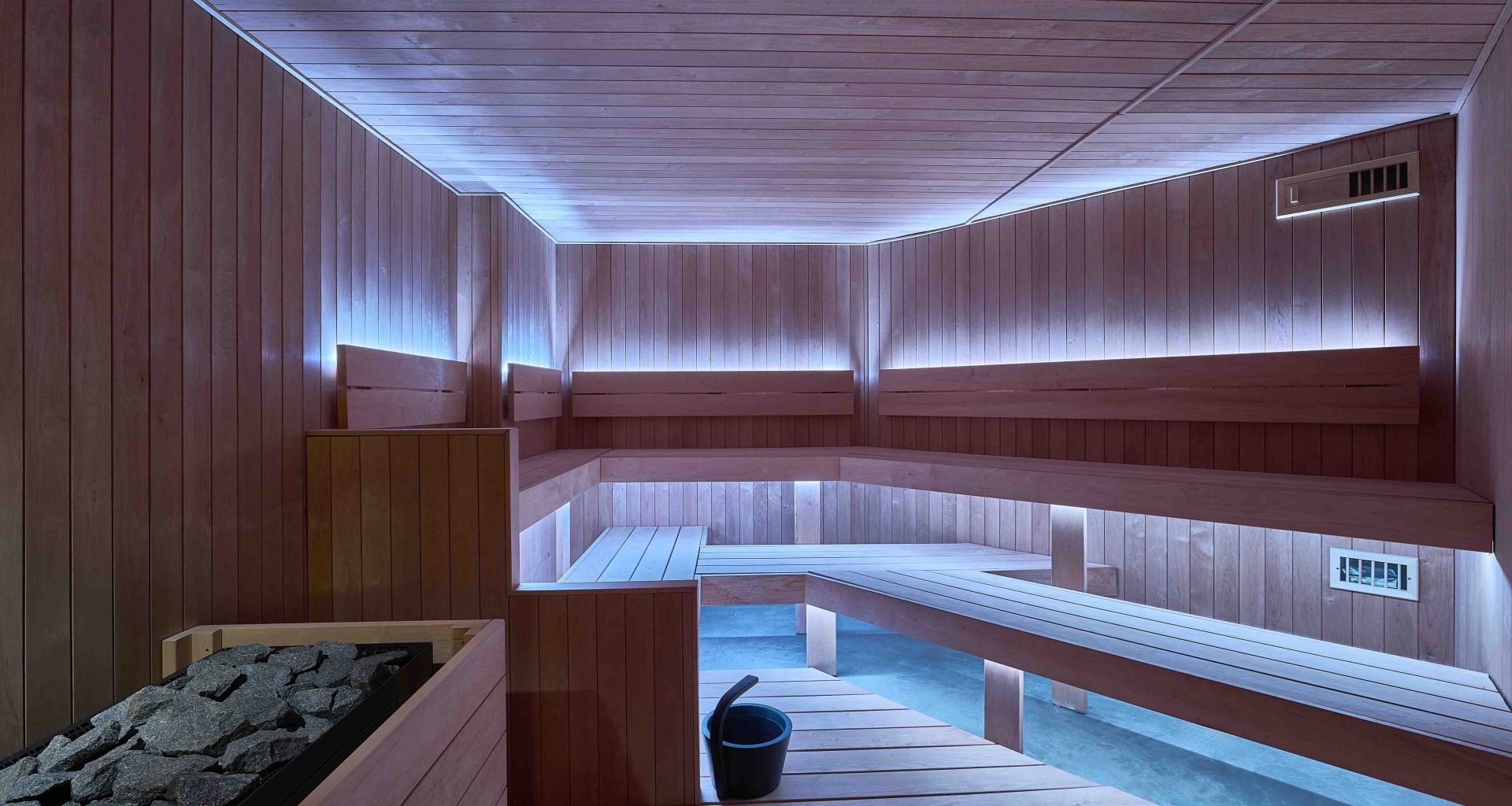

Building a home sauna is a meaningful wellness investment that can deliver years of relaxation and health benefits. At the center of it all is the sauna heater, which directly influences heat performance, energy efficiency, maintenance needs, and the overall quality of the sauna experience. However, many first-time buyers choose a heater with limited research, often depending on rough size estimates or budget alone instead of focusing on what truly suits their specific setup.
Selecting the wrong sauna heater can lead to issues that are difficult to fix once installation is complete. A unit that is too small may never reach the desired temperature, while an oversized one can operate inefficiently and consume excess energy.
Choosing a sauna heater that doesn’t match your usage needs can result in an underwhelming experience, even if it functions as intended. Making the right choice requires evaluating key factors carefully before investing in a heater that will shape your sauna’s performance for years.
Electric vs. Wood-Burning: The Fundamental Choice
The first major decision involves choosing between electric and wood-burning heaters. This choice impacts everything from installation costs to ongoing operation and maintenance requirements.
Electric sauna heaters offer convenience that wood-burning alternatives can’t match. They heat at the push of a button, maintain consistent temperatures automatically, require no fuel storage or ash removal, and integrate with timers or smart controls for remote operation.
Installation usually involves just an electrical connection, without the need for chimneys or complicated venting systems. In urban and suburban settings where ease of use is important and wood burning may be restricted, electric heaters are often the most practical choice.
Wood-burning heaters provide the authentic experience many sauna purists consider essential. The crackling fire, subtle wood smoke scent, and radiant heat quality create sensory richness that electric heaters simply cannot replicate.
Wood-fired heating also removes reliance on electrical systems, making it a practical option for off-grid settings or areas with an inconsistent power supply. However, it comes with added responsibilities, including more hands-on operation, routine maintenance, chimney installation, and compliance with local regulations that may limit or restrict wood burning.
The decision often comes down to priorities: convenience and simplicity favor electric, while authenticity and self-sufficiency favor wood-burning. Neither choice is objectively better. The right answer depends on individual circumstances and preferences.
Sizing: Getting the Power Right
Incorrect heater sizing is one of the most frequent mistakes in sauna planning. Opting for a larger unit as a precaution or choosing based mainly on budget instead of actual needs often results in reduced performance and efficiency.
Proper sizing starts with calculating sauna room volume in cubic feet (length × width × height). This base measurement gets adjusted for several factors that affect heating requirements:
- Insulation quality: Well-insulated saunas with vapor barriers need less power than poorly insulated spaces where heat escapes continuously
- Window and glass area: Glass loses heat rapidly, requiring additional heating capacity to compensate
- Exterior walls: Saunas with multiple exterior walls lose more heat than interior rooms surrounded by conditioned space
- Ceiling height: Higher ceilings increase volume disproportionately and can create temperature stratification issues
- Climate: Outdoor saunas or those in cold climates need more power to overcome greater temperature differentials
General guidelines recommend about 1 kW of electric heating power for every 45–50 cubic feet in well-insulated saunas, with higher power requirements needed for spaces that include more glass or have weaker insulation. Wood-burning heater sizing follows similar volume calculations but accounts for firebox capacity and burn characteristics.
Undersized heaters struggle to reach proper sauna temperatures, take excessively long to heat, and cannot recover quickly after door openings or water thrown on stones. Oversized heaters cycle on and off frequently, never achieving the sustained heat that properly sized units maintain. They also cost more to purchase and operate while providing inferior experiences.
Electrical Requirements and Installation Costs
Electric sauna heaters demand substantial power that many homeowners underestimate during planning. Most residential units require dedicated 240-volt circuits with amperage ranging from 30 to 60 amps, depending on heater size. This goes beyond typical household wiring and usually calls for professional installation, which can add considerable expense.
The distance between the sauna and the electrical panel can significantly influence installation costs. Setups located closer to the panel are usually simpler and less expensive, while installations that require routing wiring through finished spaces or across longer distances can become more complex and costly.
Understanding electrical requirements before selecting a location prevents discovering budget-breaking installation costs after committing to a plan. Some situations might benefit from slightly smaller heaters specifically to reduce electrical demands and installation complexity, accepting modestly longer heat-up times in exchange for lower installation costs.
Wood-burning heaters eliminate the need for electrical connections but introduce chimney and venting requirements, which come with their own complexity and expense. The overall cost can vary widely based on factors such as installation height, materials used, and the difficulty of the setup.
Stone Capacity and Steam Quality
The amount of sauna stones a heater holds directly impacts steam quality and heat retention. Larger stone capacity creates more thermal mass that produces better steam when water contacts heated surfaces and maintains more stable temperatures throughout sessions.
Quality steam, the traditional Finnish löyly, requires substantial stone mass heated intensely. When water hits properly heated stones, it should create rolling clouds of humid steam that envelope the room. Insufficient stone capacity produces disappointing steam that dissipates quickly without creating the enveloping warmth characteristic of quality saunas. Many premium options, including Harvia sauna heaters, are designed with generous stone capacity to support consistent heat retention and a richer, more satisfying steam experience.
Stone capacity also affects how heaters handle repeated water applications. Small stone masses cool significantly with each steam burst, requiring longer recovery before the next application produces quality steam. Generous stone capacity maintains heat better, allowing frequent steam generation without performance degradation.
Control Systems and Features
Modern sauna heaters offer various control options ranging from simple mechanical timers to sophisticated digital controls with remote operation capabilities. The right choice depends on usage patterns and preferences.
Basic mechanical timers provide reliable operation at minimal cost. Set the desired time, and the heater runs until the timer expires. This simplicity suits people who manually start their saunas before use and don’t need remote features.
Digital controls add temperature management, multiple time settings, and sometimes weekly programming that allows automatic heating schedules. These features suit regular users who want their sauna ready at specific times without manual intervention.
Smart controls integrate with home automation systems and smartphone apps, enabling remote operation from anywhere. Start the sauna on the drive home, monitor temperature remotely, or integrate with other smart home routines. This convenience costs more but provides flexibility that some users consider essential.
Warranty and Support Considerations
Sauna heaters represent long-term investments that should provide decades of service. Warranty coverage and manufacturer support matter significantly when issues arise years after installation.
Premium manufacturers usually offer 3-5 year warranties covering parts and sometimes labor. Budget brands might provide only 1-2 years. Extended warranty periods signal manufacturer confidence in product longevity and provide protection against premature failures.
Support availability matters equally. Established brands maintain parts inventories and technical support that help resolve issues quickly. Obscure or imported brands might offer no support beyond the initial warranty, leaving owners stranded when components fail.
Making the Final Decision
Selecting the right sauna heater requires balancing technical requirements, budget constraints, and personal preferences into a choice that serves well for years. Rushing this decision or focusing solely on initial cost rather than long-term performance and operating expenses creates regrets that persist throughout the sauna’s life. Brands such as SaunaHeaters.com can ease the selection process by offering knowledgeable support and a well-selected range of dependable sauna heater options.
Taking time to understand room volume calculations, electrical requirements, control preferences, and quality indicators leads to better choices that deliver the reliable, enjoyable sauna experiences that make the entire investment worthwhile. The sauna heater determines whether a sauna becomes a cherished daily wellness ritual or an expensive disappointment gathering dust.
Author Bio
John is the YouTube lead and resident sauna enthusiast at SaunaHeaters.com. He creates educational videos and written guides covering sauna health benefits, proper installation, ventilation, and best practices. His goal is to make sauna ownership simple, safe, and approachable through clear, practical guidance.