


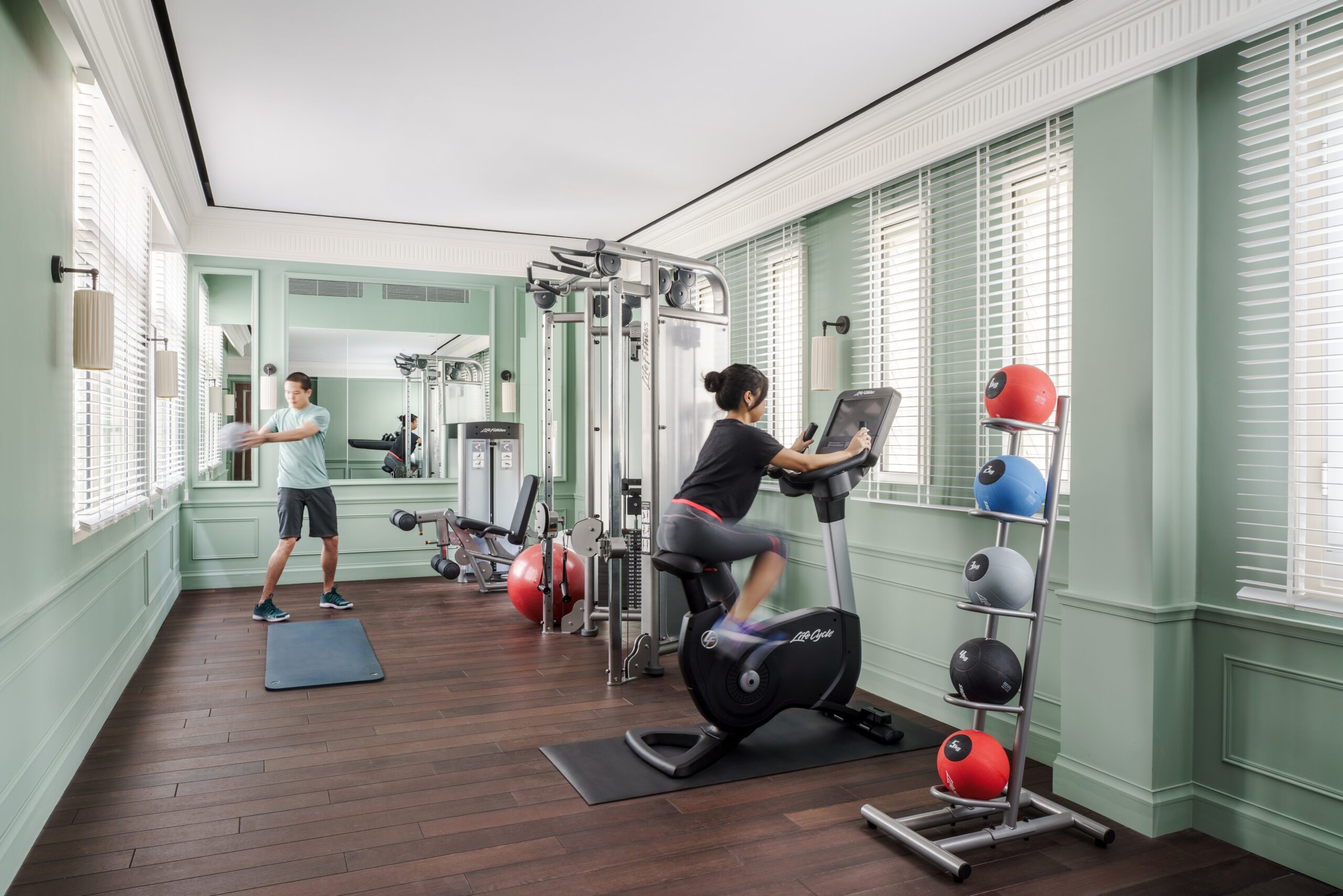

A strong training setup is not only about the big pieces. Ask anyone who has trained at home for a year or two, and they will tell you that small additions often changed their sessions more than the main equipment did. A pad that stops a bar from digging into your shoulders, a strap that lets you reach a better angle, or a tidy place to store everything can turn a tolerable workout into one you look forward to.
The challenge is knowing which extras actually help. Shelves of tempting products promise comfort, performance, and convenience, but only a handful solve real problems for most people.
This guide organises useful add-ons by the problem they fix: comfort, reach, safety, and organisation. You will learn what to look for, how each type improves a session, and how to add them in a sensible order.
Comfort Comes First
Discomfort is one of the most common reasons people cut sets short. When a bar presses on bone or a handle rubs the skin, your attention moves from the muscle you are working to the pain you are trying to avoid. Choosing the right home gym accessories for comfort lets you stay focused on technique and effort.
Padding for Squats and Presses
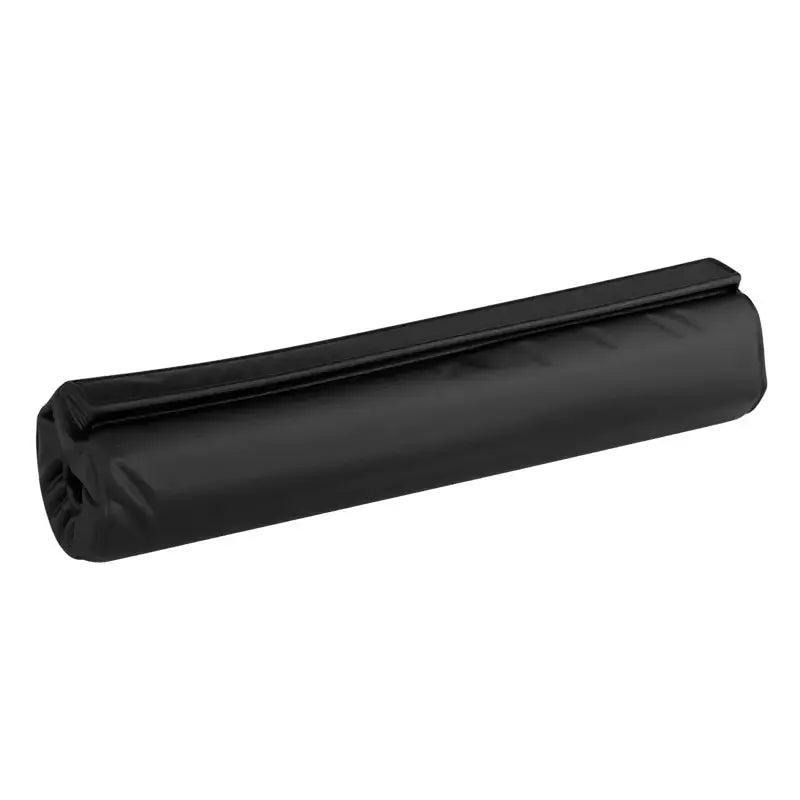
A squat pad spreads load across the upper back and shoulders, making loaded leg work much more bearable. This matters most for beginners, whose bodies are still adapting to carrying weight on the spine. Look for dense foam that does not collapse under pressure and a shape that sits securely instead of sliding when you move.
Grips, Mats, and Surfaces
Good grip surfaces reduce slipping and hand fatigue. A mat under your feet keeps you stable, protects the floor, and absorbs noise. These items cost little compared with larger equipment, yet they influence how every exercise feels.
Extend Your Reach and Exercise Options
Many people discover that their equipment can do more than they first thought, as long as they have the right connectors. Straps, handles, and attachments change the angle, height, and direction of the resistance, which opens up new movements without needing another machine.
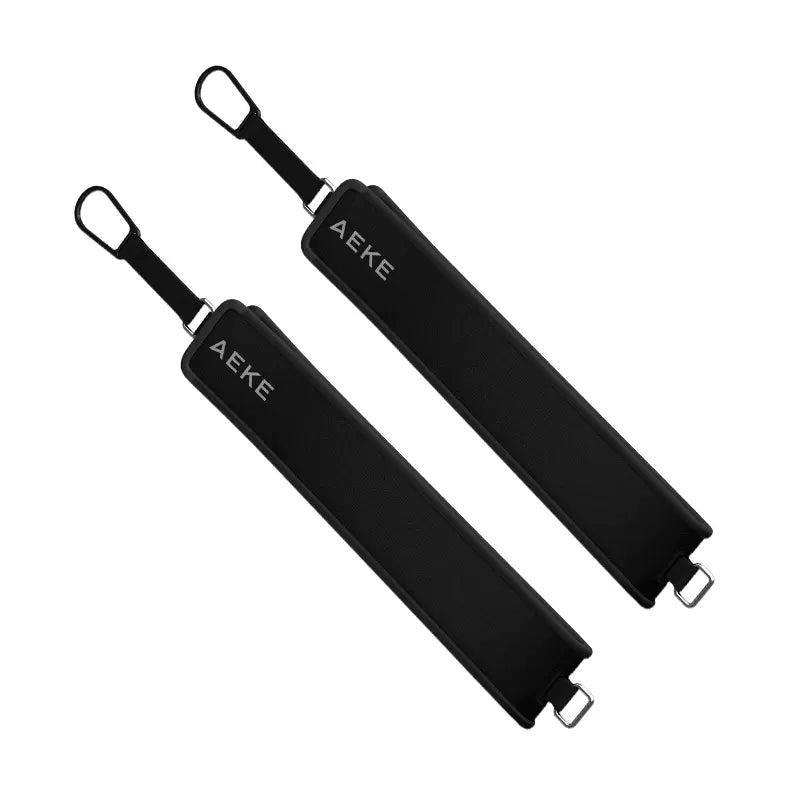
With extension straps, for example, you can adjust where a handle sits relative to your body. That makes it easier to fit exercises to different heights, perform single-arm or single-leg work, and keep your joints in a comfortable range. Different attachments also let you vary stimulus when progress slows, which is helpful for anyone training in a limited space.
When choosing straps and handles, check the stitching, the material, and the way they connect to your system. Anything that holds tension under load should feel solid in the hand and move smoothly through its full length. AEKE, for instance, offers accessories made to work alongside its own training systems, which removes the guesswork about compatibility.
Safety and Recovery Add-Ons
Training alone at home means you are your own spotter. Accessories that add safety margin let you push harder with less worry. Consider these categories:
- Stops or catches that prevent a bar from dropping below a safe point.
- Secure collars or locks that keep loads in place.
- Foam rollers, bands, and massage tools for post-session recovery.
- A simple first-aid kit kept within reach.
Recovery items deserve special attention. A few minutes of rolling or stretching after a session reduces stiffness and helps you return to training sooner. They are modest additions, but people who use them consistently often report fewer aches and better sleep.
Keep the Space Organised
Clutter is a silent motivation killer. If you have to dig for a strap or step over loose items, you waste energy before you even begin. Wall hooks, a small shelf, or a basket for small parts take almost no room and keep every item easy to find.
A good rule is that each accessory needs a home. When you finish a set, return it to the same place. This takes seconds, keeps the floor clear for movement, and makes the room look like a purposeful training area instead of a storage pile.
Build Your Collection in the Right Order
Add accessories gradually. Start with whatever removes your biggest annoyance, whether that is pain, instability, or clutter. Use it for a few weeks, then decide what to add next. This approach keeps your setup lean and ensures that each item earns its spot. If you cannot name the problem an accessory solves, it can probably wait.
Small Additions, Big Difference
Accessories rarely get the attention that large equipment does, yet they shape the daily feel of training. Comfort items keep you focused, attachments expand your exercise options, safety and recovery tools protect your progress, and good organisation removes friction.
Choose them based on real problems, add them one at a time, and your workouts will feel smoother within a few sessions. That steady improvement is what keeps a home routine going for years.