






Advanced medical assistance and skilled nursing allow individuals with severe conditions to remain in familiar domestic settings safely and comfortably.
When you or someone you love faces severe medical complications, entering a long-term care facility can feel daunting. You want clinical safety, but you want the comfort of familiar walls, shared family meals, and personal independence. Advancements in portable clinical monitoring and specialized home nursing make that choice possible.
Modern healthcare solutions allow you to receive intensive medical treatments without leaving your bedroom. By combining clinical precision with compassionate bedside support, private home programs create a secure sanctuary where complex conditions meet personalized care.
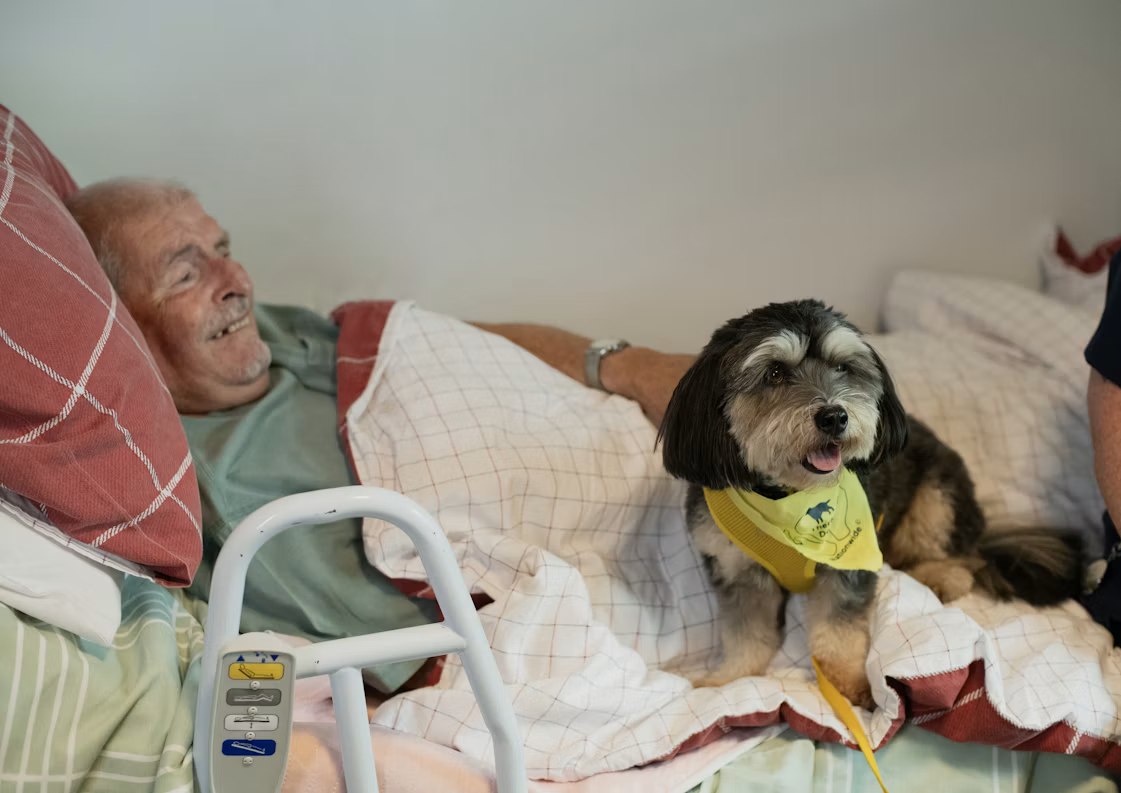
How Can Continuous Medical Oversight Protect High-Dependency Patients?
Managing continuous health needs requires an unwavering clinical presence around the clock. When you access structured complex care delivered at home, your support team tracks subtle physiological shifts long before minor symptoms turn into severe crises. Registered nurses review your baseline metrics, coordinate with treating doctors, and adjust daily plans in real time. This continuous supervision builds a reliable safety net around your daily life.
You never have to guess whether an unexpected change in breathing or heart rate demands immediate action. Dedicated clinicians observe your recovery patterns, interpret digital telemetry readings, and manage specialized devices without disrupting your rest. Proactive observation keeps you out of sterile facilities while safeguarding your medical stability.
What Clinical Training Governs High-Intensity Procedures?
High-acuity tasks require rigorous clinical competence far beyond standard domestic assistance. When your care plan involves mechanical suctioning, tracheostomy changes, or subcutaneous injections, every team member must hold verified technical certifications. A safety alert from the Harvard Risk Management Foundation highlights that home clinicians must demonstrate verified competencies for acute environments while providers maintain built-in system redundancies and emergency contingency plans. These structured standards confirm that your bedside nurse handles every syringe and suction catheter with flawless technique.
Airway clearance protocols demand exceptional vigilance because an obstructed airway creates an immediate medical emergency. Your nurses master specialized cough-assist machines, chest physiotherapy, and sterile suction techniques to keep your lungs clear of secretions. Proper subcutaneous injections require careful site rotation, aseptic skin preparation, and accurate dosage calculations to prevent infections or metabolic imbalances.
Designing a Medical-Grade Safety Environment in a Private Residence
Transforming a standard bedroom into an infection-controlled care station requires deliberate architectural changes. You do not need to strip away domestic warmth to achieve hospital-level cleanliness. You simply establish clear boundary lines between sterile preparation zones, equipment storage, and your personal living area. Dedicated surface sanitization and strict clean-to-dirty workflows prevent cross-contamination across daily nursing tasks.
Furthermore, integrating advanced air filtration systems, such as localized HEPA units, helps maintain optimal indoor air quality by continuously trapping airborne particulates and pathogens. Lighting and flooring choices must also be re-evaluated; non-porous, seamless surfaces eliminate microscopic crevices where bacteria thrive, while antimicrobial wall paints withstand rigorous, frequent chemical disinfection without degrading. By thoughtfully combining clinical efficacy with ergonomic comfort, caregivers can sustain high standards of safety while preserving a dignified, calming home atmosphere for the patient.
Structuring Domestic Utility and Sanitation Controls
Medical technology demands reliable power grids and specialized hygiene stations inside your house. Clinical teams inspect electrical outlets, evaluate circuit breaker loads for life-support machinery, and establish emergency power solutions. Your living space needs dedicated wash areas equipped with medical-grade hand scrubs and single-use lint-free towels.
Household Preparation Steps for Medical Equipment
Preparing your home for advanced medical equipment involves systematic planning:
- Survey electrical circuit capacity: Test bedroom wiring to support heavy medical compressors and oxygen concentrators without tripping breakers.
- Establish sterile storage zones: Designate sealed, non-porous cabinets exclusively for sterile catheters, feeding tubing, and unopened medication vials.
- Map unhindered transfer pathways: Clear hallway carpets and furniture to allow smooth passage for mobile hoists, wheelchairs, and emergency gurneys.
- Set up backup power: Install uninterruptible battery supplies to keep ventilators and infusion pumps running during neighborhood blackouts.
Why Does Proactive Nursing Prevent Unplanned Emergency Room Visits?
Sudden trips to the emergency room expose medically fragile individuals to chaotic waiting rooms, ambulance stress, and hospital-acquired pathogens. Dedicated home nurses prevent these traumatic disruptions by catching clinical deterioration during early stages. Findings published by the American Hospital Association showed that home-treated hospital patients experienced approximately 7% fewer unplanned readmissions than projected, whereas conventional inpatient facilities exceeded expected readmission numbers. That statistical gap demonstrates how focused bedside vigilance keeps vulnerable individuals out of acute hospital beds.
Proactive nurses track micro-indicators such as subtle temperature spikes, altered breathing rhythms, or changing stoma secretions. When your nurse spots these warnings early, they immediately consult your physician, adjust antibiotic dosages, or recalibrate oxygen delivery on the spot. Rapid clinical intervention halts complications before they escalate into acute respiratory distress or severe sepsis.
Coordinating Sustainable Care Routines for Long-Term Independence
Sustaining intensive medical care within a private residence requires seamless coordination across family members, nurses, and allied therapists. When your team establishes shared digital communication logs and standardized shift handovers, nothing slips through the cracks. Caregivers track supply inventories, schedule equipment servicing, and update clinical charts without burdening you with administrative friction. This organized framework gives your family the freedom to focus on personal relationships rather than logistical firefighting.
Living at home with complex health needs proves that medical dependency does not require you to surrender your lifestyle. With the right clinical support team at your side, you regain authority over your environment, your schedule, and your relationships. High-intensity home care delivers hospital-grade precision while protecting the domestic comfort that makes life meaningful. By proactively anticipating daily challenges and establishing flexible routines tailored specifically to your household preferences, professional clinicians help mitigate unexpected crises before they arise. This meticulous preparation ensures that daily life flows smoothly, preserving essential energy for joyful moments, personal hobbies, and meaningful engagement with friends and loved ones alike.
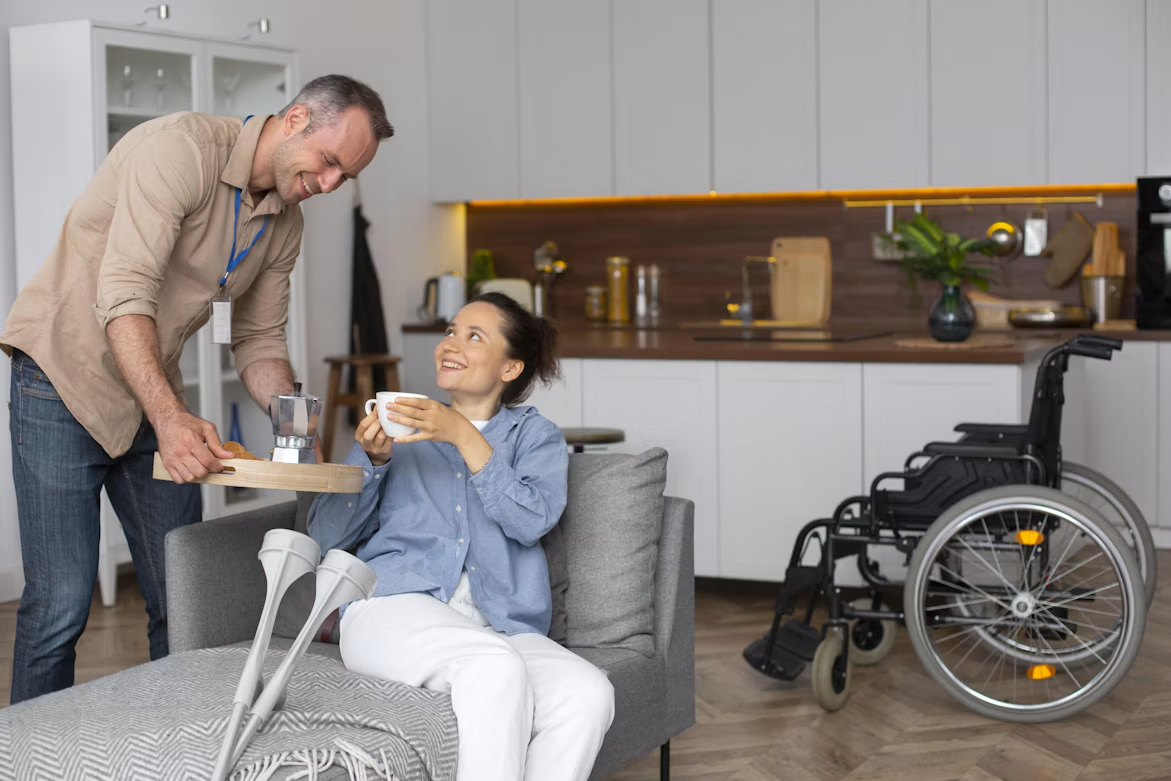
Choosing intensive care in your own residence allows you to honor your medical requirements without sacrificing personal dignity. Expert home nurses meet rigorous clinical benchmarks while preserving your autonomy, your family bonds, and the comforting rhythms of domestic life. You receive the advanced treatments you need in the place you feel most secure. When clinical expertise enters your living room with empathy and technical excellence, living well with severe health needs becomes an achievable daily reality.