


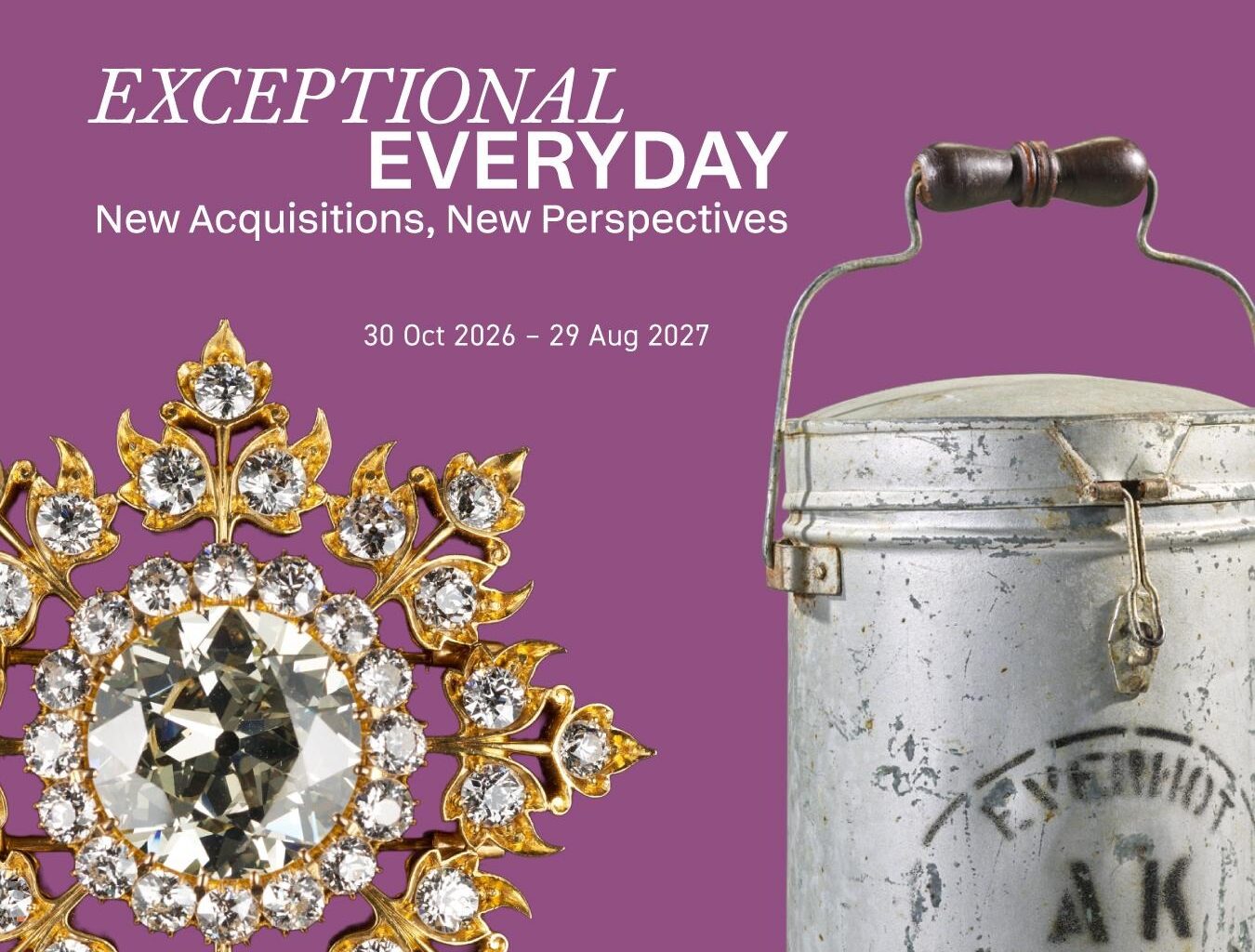

The Peranakan Museum in Singapore will present a new exhibition exploring the many ways Peranakan culture has been shaped by identity, everyday life and personal expression. Titled Exceptional/Everyday: New Acquisitions, New Perspectives, the exhibition opens on 30 October 2026 and features more than 150 objects, many of which will be displayed publicly for the first time.
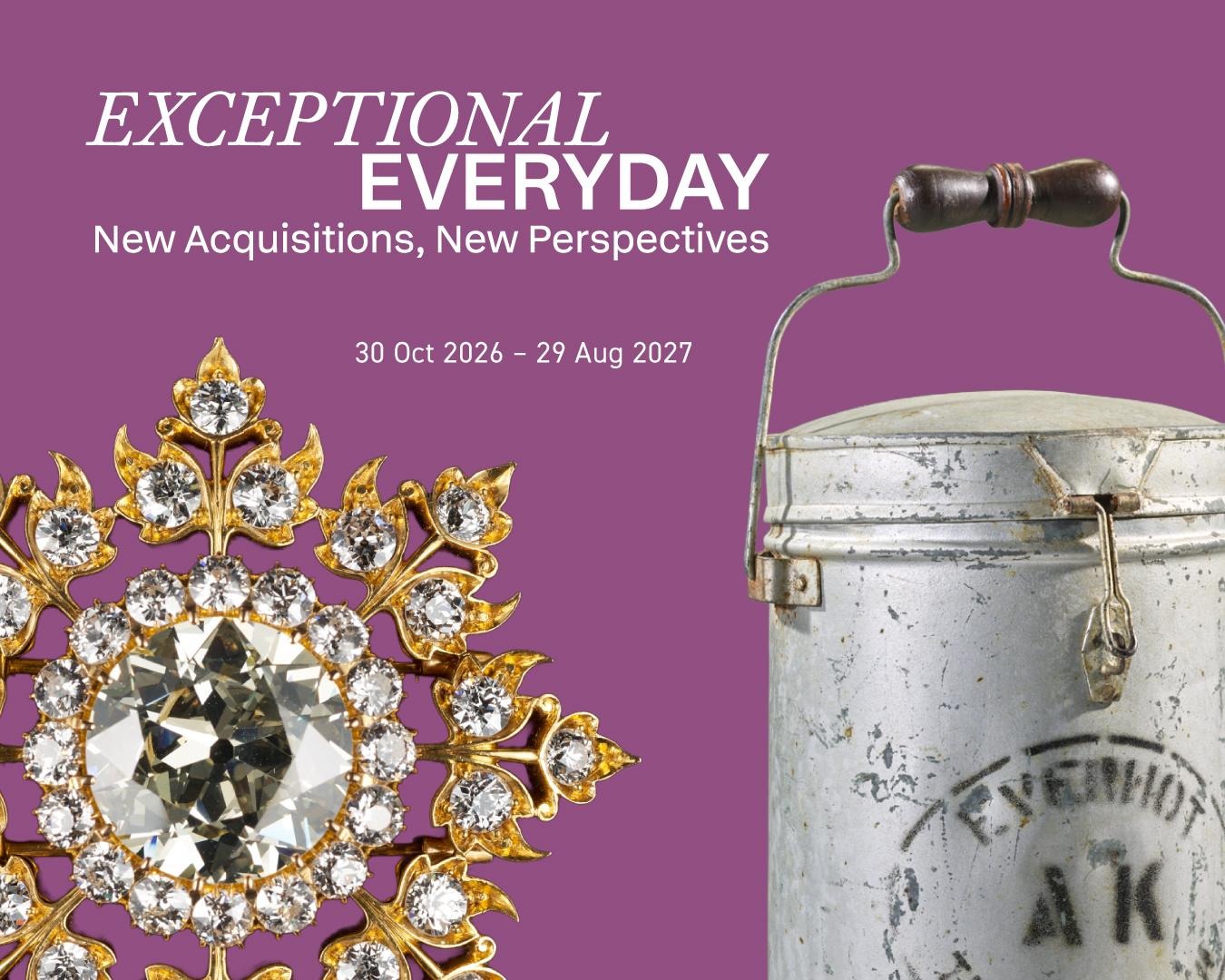
Running until 29 August 2027 at the museum’s Special Exhibitions Gallery, the exhibition examines a central question: what makes an object Peranakan? Rather than offering a definitive answer, it explores how objects acquire cultural meaning through the choices of their makers and owners, as well as the ways they are used and adapted over time.
The exhibition brings together objects ranging from porcelain and furniture to clothing and jewellery, arranged across 14 stories under three themes: Identity, Buying and Creating. Together, they illustrate how Peranakan communities acquired, adapted and created objects within the multicultural environments of Southeast Asia, from mass produced household items to specially commissioned works.
The exhibition also traces the development of the Peranakan Museum’s collection, which now comprises approximately 12,000 objects. It begins with a coral red kamcheng, a covered porcelain vessel that became the first known Peranakan object to enter the National Collection when it was acquired by the National Museum in 1963. Growing interest in Peranakan material culture among collectors and in the local press helped spur the museum’s efforts to preserve and document these objects. By 1985, the collection had grown sufficiently for the establishment of a Straits Chinese gallery.
Under the theme of Identity, visitors can discover how Peranakans have expressed themselves through clothing, portraits, photographs and documents while navigating different social, political and religious environments. One ancestral portrait features a Peranakan man living in the Javanese hinterlands dressed in Chinese clothing paired with a Western style jacket, leather shoes and a carved cane. The jacket combines Chinese frog buttons with Western tailoring, reflecting how individuals developed distinctive styles in response to their circumstances.
The exhibition also examines the Chinese samfoo, a collared blouse with frog buttons worn with trousers that became part of Peranakan women’s wardrobes from the early twentieth century. It could serve as workwear, domestic clothing or fashionable attire, expanding the choices available to women rather than replacing existing styles.
One example belonged to Oei Seng Neo (1923 to 2001), who was born in Tanjung Pinang in the Riau Islands before moving to Singapore. She wore samfoos at home and grew up with customs influenced by both her birthplace and adopted home.
The Buying theme explores how objects purchased from local and overseas markets became associated with Peranakan households. These included specially made pieces as well as mass produced goods shared with other communities. Their cultural significance often came from how they were used rather than where or how they were manufactured.
Among the exhibits is a tengkat, or tiered food carrier, purchased by Lim Yeok Quan (1888 to 1959) and her husband, Ong Peng Hock (1889 to 1968), in Bangalore, where they sought refuge before the Japanese invasion of Singapore. After returning to Singapore, the family used the carrier to bring offerings to their cemetery near Bukit Brown during the annual Cheng Beng festival.
Another exhibit features a pair of kamchengs decorated with phoenixes, peonies and goldfish. The vessels belonged to Chung Guat Hooi (1925 to 1995), daughter of Perak’s last Kapitan Cina, Chung Thye Pin (1879 to 1935). Similar examples have survived in matching designs, colours and sizes, suggesting that they were produced in multiples for export rather than individually commissioned.
The Creating theme focuses on objects commissioned from local and overseas craftsmen, as well as personal artistic works that demonstrate the diversity of Peranakan identity. These objects could incorporate auspicious designs, reflect contemporary tastes or showcase exceptional craftsmanship.
A highlight is a bim poh kemanteng, or bridal handkerchief, worn by Khoo Gek Choo (1919 to 1996) when she married Oh Kwee Liang (1916 to 1987) in 1940. Traditionally worn by Peranakan brides in Singapore and Malacca on the first and fifth days of wedding celebrations, this example features more than 100 jewelled ornaments attached using different gem setting and goldworking techniques. The variety of ornaments suggests that they may have been inherited and assembled over several generations before passing to Gek Choo through her mother and grandmother.
Personal creativity is also represented by beadwork made by Alice Choo Joo Kim (1926 to 2019). Her accessories demonstrate technical skill and a playful approach to modern design. One clutch purse combines palm trees with a camel and an elephant, bringing together tropical, desert and jungle imagery in an unconventional composition.
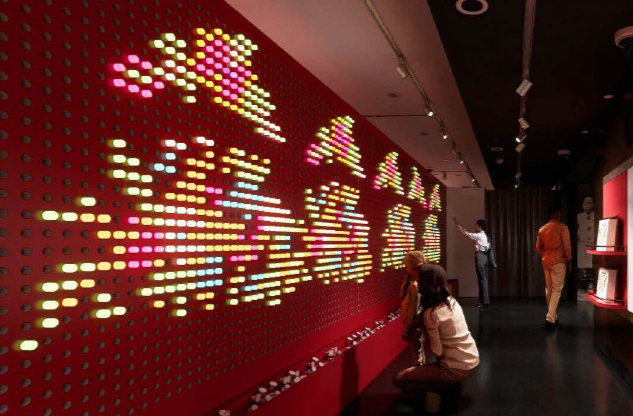
Visitors can further explore Peranakan material culture through hands on and family friendly activities. Discovery Corners on Levels 2 and 3 offer tactile activities introducing ceramics, furniture and beadwork. An activity trail booklet is also available for visitors aged seven and above, encouraging closer observation of the displayed objects.
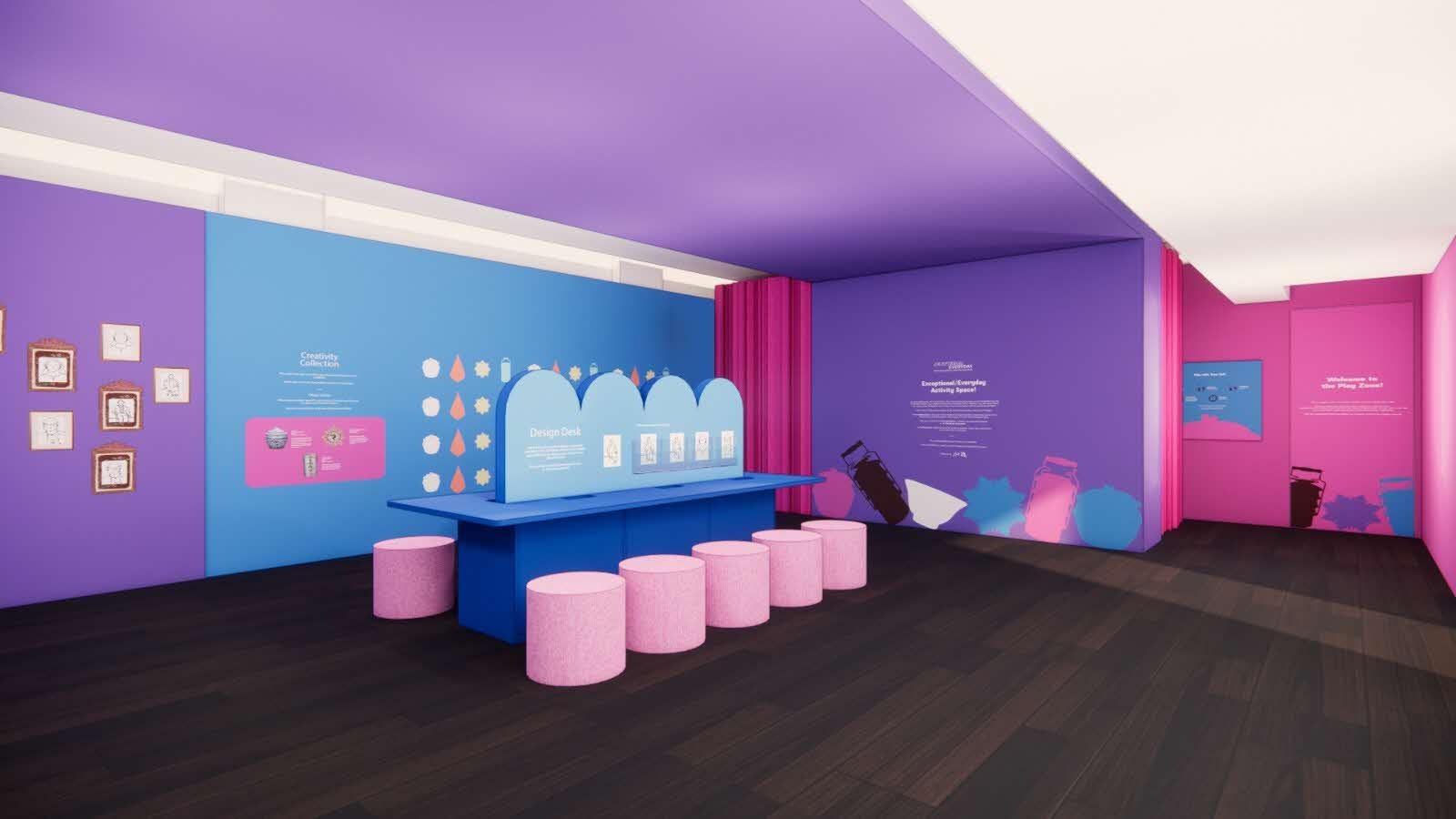
On Level 2, an Activity Space designed by Singaporean visual artist HAFI invites visitors to create self portraits, design objects and interact with oversized soft sculptures inspired by the exhibition.
Exceptional/Everyday: New Acquisitions, New Perspectives runs from 30 October 2026 to 29 August 2027 at the Special Exhibitions Gallery of the Peranakan Museum. Admission charges apply.