






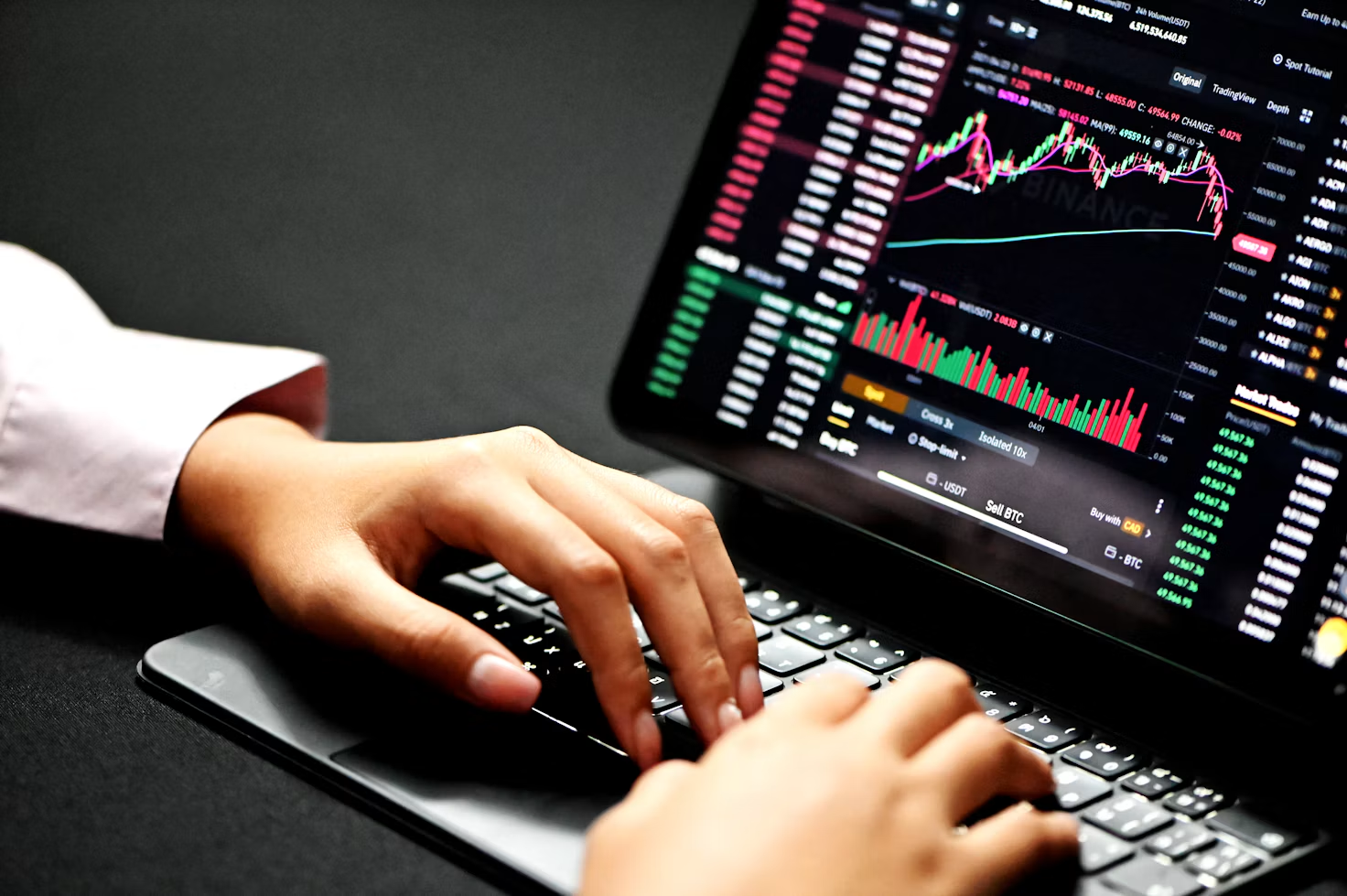
Risk management is an essential part of trading. Investors face various risks, including market fluctuations, liquidity issues and unexpected economic developments. Financial instruments such as UBS Warrants & CBBC require traders to understand their features and potential risks before trading. A clear risk management strategy helps limit losses, protect capital, and support informed trading decisions.
Understanding Risk Management
Risk management involves identifying, assessing and reducing potential financial losses. It helps traders determine how much risk they can afford to take and how to respond to unfavourable market conditions.
Without a structured approach, traders may make decisions based on short-term market movements or emotions, exposing themselves to excessive losses. A well-defined risk management plan helps traders maintain discipline and align their decisions with their financial goals and risk tolerance.
Types of Risks in Trading
Traders must understand the different risks that can affect their investments.
- Market risk: The possibility of losses caused by changes in asset prices, interest rates or broader market conditions.
- Credit risk: The risk that a counterparty will fail to meet its financial obligations.
- Liquidity risk: The risk of being unable to buy or sell an asset quickly at a reasonable price without significantly affecting its market price.
- Operational risk: The possibility of losses caused by human error, technical failures or weaknesses in trading processes.
- Regulatory risk: The potential impact of changes in laws, regulations or compliance requirements on trading activities.
Recognising these risks allows traders to choose suitable strategies and prepare for different market conditions.
Tools and Techniques for Managing Risk
Several techniques can help traders control their exposure to potential losses.
Diversification is one common approach. It involves spreading investments across different assets or sectors rather than concentrating capital in a single investment. This can reduce the impact of poor performance in one area, although it does not eliminate the risk of losses.
Stop-loss orders are another tool for managing risk. These orders are designed to trigger the closing of a position when an asset reaches a specified price. They can help limit losses, although the final execution price may differ from the set price during periods of market volatility or low liquidity.
Traders may also use options and futures contracts to hedge their positions. Hedging involves taking an additional position to offset some of the potential losses from an existing investment. However, these instruments can introduce further risks and require an understanding of their terms and mechanics.
Setting position sizes and defining acceptable loss limits are also important. By setting position sizes and risk limits, traders can reduce the amount of capital exposed to any single trade.
The Role of Technology in Risk Management
Technology has improved the way traders monitor and assess financial risks. Automated trading systems can track market conditions, execute orders and apply predefined rules. These functions can help traders respond to changes more efficiently, although automated systems may still be affected by technical failures or unexpected market movements.
Risk management software provides analytical tools and reports that help traders assess their exposure and identify potential weaknesses in their portfolios. These insights can help traders make more informed decisions about their exposure and trading positions.
Artificial intelligence and machine learning can also process large amounts of market data to identify patterns and assess potential risks. However, their predictions are not always accurate, and traders should not rely on automated analysis without considering its limitations.
Continuous Learning and Adaptation
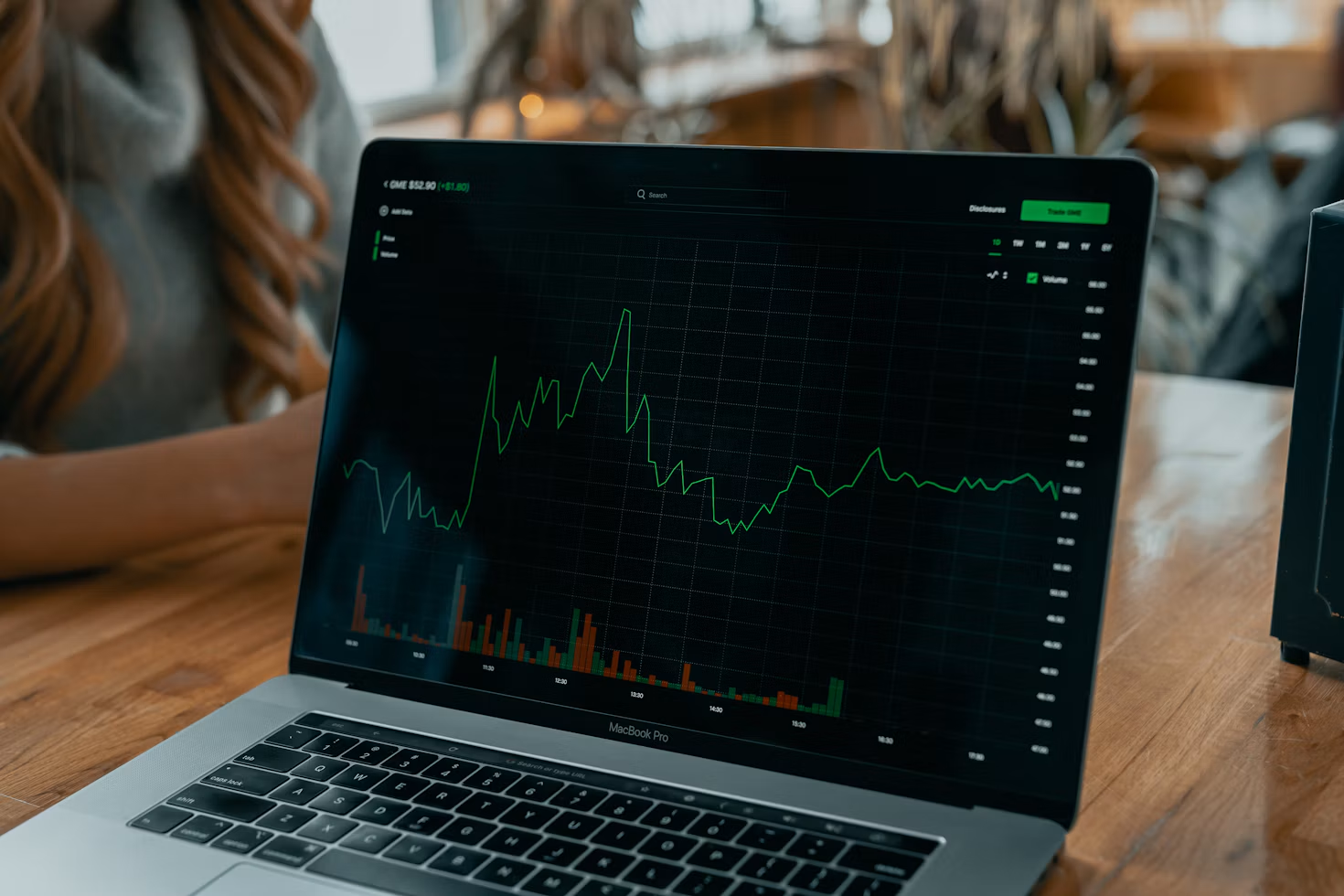
Risk management requires regular review because market conditions can change quickly. Economic developments, geopolitical events, interest rate decisions and changes in market sentiment can all affect asset prices and trading risks.
Traders should review their strategies and adjust them when necessary. They should also understand the financial instruments they use, particularly derivatives, which may involve leverage, complex pricing and the possibility of substantial losses.
Following a consistent trading plan can help reduce emotional decision-making. By establishing clear entry and exit conditions and reviewing past trades, traders can identify mistakes and improve their approach over time.
Integrating Risk Management into Trading Strategies
Risk management should be part of every trading strategy. Traders need to establish their financial objectives, assess their risk tolerance and determine acceptable loss limits before entering positions.
They should also consider the potential return in relation to the amount of risk involved. Evaluating the risk-reward ratio helps traders decide whether a trade aligns with their strategy, although it does not guarantee a profitable outcome.
For financial instruments such as UBS Warrants & CBBC, traders should pay particular attention to leverage, price sensitivity, liquidity and expiry or mandatory call features where applicable. Understanding these characteristics can help them assess potential losses before committing capital.
Regularly reviewing performance, maintaining sufficient capital and following predefined trading rules can further improve risk management. These practices help traders respond to changing conditions without relying solely on short-term market expectations.
Conclusion
Risk management is a fundamental part of trading because it helps protect capital and control exposure to potential losses. By understanding different types of risk, using appropriate risk management tools, keeping up with market developments and following a structured trading plan, traders can make more informed decisions.
Technology and regulatory frameworks can support risk management, but they cannot eliminate market uncertainty or guarantee against losses. A consistent approach to risk management helps traders remain disciplined and make decisions that reflect their financial goals and tolerance for risk.


