





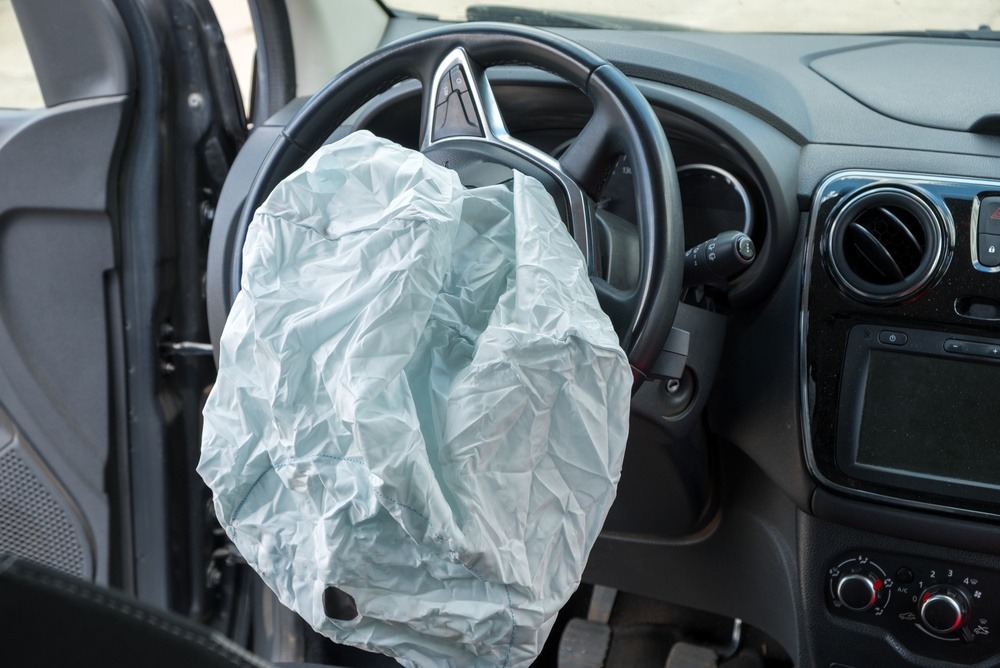
An airbag is built to protect the body, but a safety device can also become a source of harm. These bags open with great force in a fraction of a second, and a fault in the system can turn a safety feature into a cause of serious injury.
Airbag deployment in car accidents may lead to burns, broken bones, eye damage, or other injuries, even when a driver has done nothing wrong. Finding out who is responsible depends on what caused the injury, how the airbag worked, and whether someone failed to meet their duty of care.
When Can Airbags Cause Injuries?
Airbags inflate quickly to reduce the risk of a person’s head or chest striking hard surfaces inside a vehicle. However, the force needed to protect someone can also cause harm, particularly if the person sits too close to the steering wheel or the airbag opens in an unusual way.
Common injuries include burns, cuts, facial damage, broken bones, and eye injuries. Some people may also suffer head or neck injuries during deployment. An airbag that opens without a serious crash or fails to open during a collision may point to a problem that needs further examination. Still, an injury alone does not prove that the airbag was defective.
Who Can Be Sued for Airbag Injuries?
More than one party may share responsibility, depending on the cause of the injury and the available evidence.
Airbag Manufacturers
An airbag manufacturer may be held responsible if a defect in the product causes harm. For example, a faulty inflator may cause the airbag to release metal parts, while a design flaw may prevent it from working as intended. A manufacturing error can also affect how the system opens during a crash. Product liability rules may apply if evidence shows that a defect caused the injury.
Vehicle Manufacturers
The company that made the vehicle may be responsible if a fault in the car’s airbag system causes harm. Problems with sensors, electronic controls, or system design may lead to unexpected deployment or prevent the airbag from opening during a crash. Investigators must examine the system and determine whether a vehicle defect played a part in causing the injury.
Other Drivers
Another driver may be responsible if careless actions cause a crash that leads to airbag injuries. Speeding, distracted driving, running a red light, or failing to yield may contribute to a collision. In such cases, the injured person may have a claim against the at-fault driver’s insurance. However, responsibility for the crash and responsibility for a defective airbag are separate issues that may need to be examined.
Mechanics and Repair Shops
A repair shop may be liable if poor repair work contributes to an airbag injury. For example, a mechanic might install an incorrect part, fail to reconnect a sensor, or make an error while repairing a damaged airbag system. Service records and inspection reports can help show whether improper work played a role in the incident.
How Is Liability Determined?
Finding the responsible party requires more than looking at the damage caused by an airbag. Investigators need to establish how the crash happened, whether the airbag worked properly, and what caused the reported injuries.
Several types of evidence may help establish the facts:
- Accident reports: These records can describe the collision and identify possible causes.
- Vehicle inspections: Inspectors can examine the airbag, sensors, and related parts for defects.
- Medical records: These documents help connect the injuries to the crash or airbag deployment.
- Repair records: Past service reports may reveal faulty repairs or incorrect replacement parts.
- Professional findings: Qualified individuals can assess whether a defect or careless action contributed to the injury.
The strength of an insurance claim depends on how clearly the evidence connects a party’s actions or a product defect to the harm suffered.
What Compensation May Be Available?
People injured because of another party’s negligence or a defective product may be able to seek compensation. The losses covered depend on the facts of the case and the laws that apply.
Possible compensation may include medical bills, rehabilitation costs, lost wages, and reduced earning ability if the injury affects someone’s ability to work. A claim may also include pain and suffering or the cost of ongoing medical care. Records of treatment, expenses, and missed work can help show the financial and personal effects of the injury. No specific amount is guaranteed, as each case depends on its evidence and circumstances.
What Should You Do After an Airbag Injury?
Taking sensible steps after an accident can help protect your health and preserve useful evidence.
- Get medical care: Seek an examination even if symptoms seem minor, because some injuries may not appear right away.
- Report the crash: Make sure the accident is reported to the proper authorities.
- Save evidence: Keep photographs, medical records, repair invoices, and accident reports.
- Preserve the vehicle: Avoid unnecessary repairs or changes to the airbag system before it can be inspected, where safe and practical.
- Review your options: A qualified attorney can explain the legal process and deadlines that may apply to your situation.
Identifying Responsibility After an Airbag Injury
Determining liability for airbag deployment in car accidents requires a close look at the vehicle, the collision, and the injuries involved. An airbag manufacturer, vehicle maker, careless driver, or repair shop may be responsible if the evidence supports a claim against them.
Proper records and investigation can help identify what went wrong and who may be accountable. Each case depends on its own facts, and the available evidence plays a major role in deciding whether compensation may be recovered.


