

![[Review] Michelin-selected Unagi Yondaime Kikukawa Opens Second Outlet with a Show-Stopping Unagi Mountain - Alvinology](https://alvinology.com/wp-content/uploads/2026/10/unagi-raffles-city-25-110x110.jpg "[Review] Michelin-selected Unagi Yondaime Kikukawa Opens Second Outlet with a Show-Stopping Unagi Mountain")



Most people assume body shape is mostly a number on a scale, and that assumption falls apart the moment you compare two people who weigh the same. Shape comes from somewhere else entirely: where fat gets stored, how much muscle sits underneath it, and how well the skin on top holds its tension. That mix shifts across decades, and it shifts in response to what you do in an ordinary week.
The habits that move the needle are deeply unglamorous. Sleep, meals, walking, lifting something heavy twice a week, sun exposure, how much you drink. None of them sound like a transformation. Stacked over twenty years, though, they largely decide whether your waistline stays near where it was at thirty, and how long a cosmetic result holds once someone has paid for it.
Four levers do most of the work: nutrition, movement, genetics, and skin elasticity. Three answer to daily behavior. One does not. Sorting out which is which saves a lot of frustration.
Where the Body Chooses to Store Fat
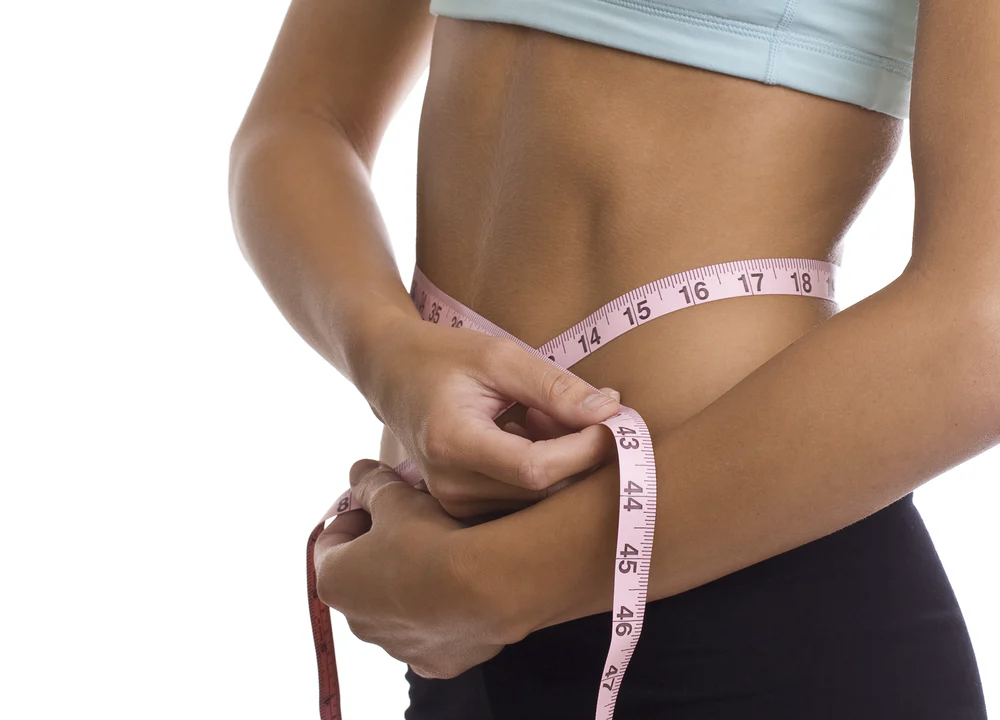
Fat is not spread evenly, and the pattern matters more than the total. NIDDK points out that people carrying extra fat around the abdomen face more weight-related health problems than people carrying the same amount lower down, and it flags waist measurements of 35 inches for women and 40 inches for men as thresholds worth attention. Those are health markers first. They describe contour as well.
Storage pattern also explains why weight loss rarely reshapes the body in the order people expect. The abdomen often holds on while the face and chest thin out, which is annoying and entirely normal. Visceral fat behind the abdominal wall responds well to diet and activity. The subcutaneous layer just under the skin is far less cooperative, and no amount of cardio reliably targets one region.
Nutrition Builds the Frame, Not Just the Number
Protein is the quiet one. Adequate protein across the day supports the muscle that gives the body its lines, and losing weight without it tends to produce a softer, flatter version of the same silhouette. Fiber does separate work by keeping meals satisfying, which makes a reasonable intake sustainable instead of heroic.
Then there is the skin side of eating, which almost nobody connects. The American Academy of Dermatology notes that diets heavy in sugar and refined carbohydrates can accelerate aging, while plenty of fresh fruit and vegetables may help protect against the damage that drives it. Alcohol earns a mention too, because it dehydrates skin and damages it over time. Your plate affects tone and texture, not only circumference.
Movement, Muscle, and Proportion
Exercise changes shape through two channels, and only one is about burning calories. The louder channel is muscle: resistance work on the back, shoulders, and glutes alters proportion directly, which is why two people at identical weights can read as completely different builds. The quieter channel is consistency, since regular activity keeps fat gain slow enough that skin has time to adapt rather than stretch abruptly.
The federal physical activity guidelines set a floor most adults can hit without rearranging their lives, and community programming makes it easier than going it alone. Singapore’s NEX recently built a month of beginner-friendly fitness programming around that exact idea. The format matters less than whether you keep turning up.
What exercise cannot do is dictate where fat leaves. Spot reduction is a myth that refuses to die. Training the abdominals builds abdominals and does nothing to the layer sitting above them, which is the most common misunderstanding people bring to a first consultation about liposuction Toronto and similar contouring procedures.
Genetics Sets the Blueprint You Work Within
Some of this was decided before you had any say. Genetics heavily influences where your body prefers to deposit fat and how your skin ages. Family patterns are a reasonable preview. If the women in your family carry weight at the hips and the men at the waist, you probably will too.
That is not a reason to give up, it is a reason to aim accurately. Habits determine how much fat sits in your particular pattern and how much muscle frames it. They do not rewrite the pattern itself, and goals built on somebody else’s blueprint tend to end badly.
Skin Elasticity Decides Whether Results Hold
Skin is the part people forget until it matters. Collagen and elastin give it the ability to snap back, and both decline with age, sun exposure, and smoking. Dermatologists are blunt about this: smoking speeds aging considerably, and year-round sun protection is the highest-value habit on the whole list.
Elasticity is also the hinge on which many cosmetic results turn. Remove fat from under skin that still retracts well and the contour follows. Remove it from under skin that has lost its spring, after large weight swings or decades of unprotected sun, and the result can look loose rather than sculpted. That is why surgeons assess skin quality early, and why they sometimes recommend a different procedure than the one a patient came in asking for.
Final Thoughts
Long-term shape is less about any single decision than the accumulation of ordinary ones. Eat enough protein, move several days a week, lift something heavy, protect your skin, go easy on alcohol, and the body you have at fifty will resemble the one you had at thirty far more closely than it otherwise would.
None of that guarantees the shape you want, because genetics always gets a vote and no habit erases a stubborn fat deposit. What it does is widen your options. Resilient skin and solid muscle make every path, surgical or not, work better and last longer.
So treat the daily work as the foundation rather than the alternative. Procedures can refine what habits have built. They cannot substitute for it, and anyone promising otherwise is selling something.