

![[Review] Michelin-selected Unagi Yondaime Kikukawa Opens Second Outlet with a Show-Stopping Unagi Mountain - Alvinology](https://alvinology.com/wp-content/uploads/2026/10/unagi-raffles-city-25-110x110.jpg "[Review] Michelin-selected Unagi Yondaime Kikukawa Opens Second Outlet with a Show-Stopping Unagi Mountain")




Singapore is often associated with modern skyscrapers, efficient infrastructure and carefully planned urban spaces. Yet behind this contemporary image is a rich architectural story shaped by decades of development. Historic buildings, mature neighbourhoods and distinctive streetscapes continue to influence how different parts of the city feel today.
For people exploring residential property, this combination of old and new can make certain neighbourhoods particularly interesting. Modern condominium developments do not exist in isolation; they become part of an established urban environment with its own character, architecture and history. Amberwood at Holland and Serra Residences offer useful examples for considering how contemporary residences can exist within Singapore’s evolving architectural landscape.
Singapore’s Architectural Identity Is Constantly Evolving
The appearance of Singapore has changed dramatically over the decades. Traditional shophouses, colonial-era structures and older residential areas now sit alongside contemporary towers and newly designed developments.
This contrast is not necessarily a conflict. Instead, it demonstrates how the city has continued to develop while retaining elements of its past.
From Historic Streets to Contemporary Homes
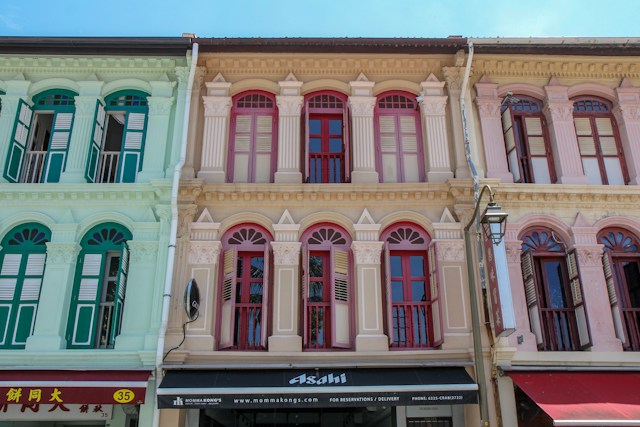
Different neighbourhoods across Singapore have developed their own visual identity. Some are recognised for conserved buildings and traditional streetscapes, while others are defined by modern commercial centres and high-density residential developments.
For residents, this creates an interesting everyday experience. A morning walk may pass through a mature streetscape before leading towards contemporary retail or residential buildings.
The result is a city where architectural history can remain visible even as new projects are introduced.
Why Heritage Matters to Residential Neighbourhoods
Heritage is not limited to museums or famous landmarks. It can influence the atmosphere of an entire neighbourhood.
Older buildings, mature trees, established roads and long-standing local businesses can give an area a sense of continuity. These features can make neighbourhoods feel distinctive rather than interchangeable.
Character Beyond the Property Boundary
When evaluating a home, buyers often concentrate on the building itself. However, the surrounding streets can have an equally strong influence on the experience of living there.
A neighbourhood with a recognisable character can offer residents more than convenience. It can provide a sense of place that develops gradually through architecture, businesses, public spaces and community activity.
This is particularly relevant in established parts of Singapore, where newer developments become part of a much older urban setting.
Holland’s Blend of Established and Contemporary Elements
The Holland area provides an example of how Singapore’s residential landscape can combine established neighbourhood character with modern development.
The area around Holland Village has long been associated with dining, retail and a distinct local atmosphere, while nearby residential developments continue to introduce contemporary architecture and facilities.
Amberwood at Holland is part of this broader residential setting, bringing modern condominium living into an established part of Singapore. Rather than viewing the development separately from its surroundings, residents can experience the relationship between a contemporary home and the character of the wider Holland area.
The Appeal of a Mature Setting
Established neighbourhoods can have a different atmosphere from newly created districts. Streets may already have mature landscaping, familiar commercial destinations and long-standing community patterns.
For residents, this can create a feeling that the neighbourhood has its own identity rather than being designed entirely from scratch.
Novena and the Transformation of an Established District
Novena provides another interesting example of Singapore’s ability to combine established urban areas with significant modern transformation.
The district has long been associated with healthcare, education, residential communities and commercial activity. At the same time, new developments are contributing to the area’s changing skyline and lifestyle landscape.
A District Built Through Layers of Development
The evolution of Novena illustrates how neighbourhoods can change without completely losing their identity.
Older institutions and established facilities continue to operate alongside new residential, commercial and lifestyle developments. This creates a layered environment in which different periods of Singapore’s development can be experienced within the same district.
Serra Residences located in Novena, represents a contemporary addition to this evolving residential environment. Its modern design and facilities form part of a neighbourhood that has developed through multiple stages rather than appearing as an entirely new urban district.
The Role of Architecture in Modern Residential Design
Contemporary condominium architecture is not only about creating an attractive exterior. Developers must also consider how buildings interact with their surroundings.
Building orientation, landscaping, shared spaces and visual proportions can all influence how a development fits into its environment.
Creating a Sense of Continuity
A successful modern residential development does not necessarily need to copy historic architecture. Instead, it can respond to its surroundings through thoughtful scale, landscaping and design choices.
This approach allows new buildings to have their own identity while still feeling connected to the neighbourhood around them.
For homeowners, this can make the residential experience more interesting. The property provides modern facilities and design, while the surrounding area offers an established sense of place.
Why Mature Neighbourhoods Continue to Attract Interest
There is a practical reason established districts remain relevant. They often already have infrastructure, transport networks, commercial activity and community facilities in place.
However, their appeal can also come from something less measurable: familiarity and character.
A Neighbourhood With a Story
Areas that have developed gradually often contain a mixture of architectural styles and generations of buildings. This gives residents visual variety and a stronger connection to the history of the area.
For some buyers, that sense of identity can be an important part of choosing where to live.
Rather than seeking a completely new environment, they may prefer a neighbourhood where contemporary housing exists alongside established landmarks, businesses and public spaces.
Preserving Identity While Embracing Change
Singapore’s challenge is not simply to preserve old buildings or construct new ones. It is to find ways for both to exist within a rapidly changing city.
Modern residential projects can contribute to this balance by becoming part of established communities while offering contemporary standards of comfort and design.
This approach also reflects the changing expectations of urban residents. People can appreciate modern facilities without necessarily wanting to live in an environment that feels disconnected from Singapore’s architectural history.
Conclusion
Singapore’s residential landscape is shaped by more than new buildings and modern infrastructure. Its identity also comes from mature neighbourhoods, historic architecture and the layers of development that have accumulated over time.
Areas such as Holland and Novena demonstrate how contemporary residential projects can become part of established urban environments. Amberwood at Holland and Serra Residences provide examples of modern condominium living within neighbourhoods that have their own distinct development stories.
For homebuyers, understanding this relationship between architecture, history and modern living can add another dimension to the property search. A home is not simply a private space; it is also part of a wider neighbourhood whose character can evolve for generations.




![[PROMO CODE INSIDE] WIN a 4D3N Luxury Trip for 2 to Bali or a 1-Year Supply of Gojek Vouchers this November! - Alvinology](https://alvinology.com/wp-content/uploads/2023/11/Gojek-5th-Anniversary-3-1024x536.jpg "[PROMO CODE INSIDE] WIN a 4D3N Luxury Trip for 2 to Bali or a 1-Year Supply of Gojek Vouchers this November!")