






When a loved one passes away, families often search for a respectful way to honour their memory while following important cultural and spiritual practices. Choosing a suitable Buddhist funeral package can help families organise a ceremony that reflects compassion, respect, and traditional values. In Singapore, funeral arrangements are carefully planned to support grieving families while ensuring that religious customs and personal wishes are properly respected.
A funeral is not only a farewell ceremony but also a meaningful gathering where relatives and friends come together to remember a person’s life. Every detail, from prayers and offerings to the arrangement of the memorial space, contributes to creating a peaceful environment for reflection and remembrance.
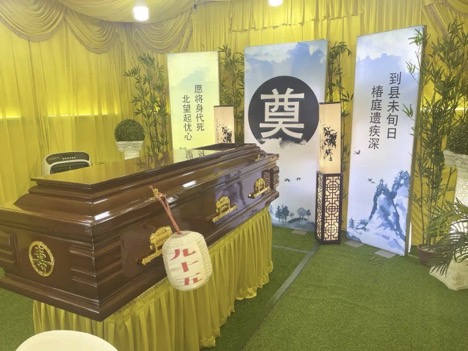
The Importance of Cultural Practices in Farewell Ceremonies
Singapore is home to many different communities, each with its own traditions and beliefs surrounding death and remembrance. Buddhist funeral practices often focus on creating a calm and respectful atmosphere where family members can express gratitude and offer prayers for the deceased.
Common elements may include chanting sessions led by monks, incense offerings, floral tributes, and moments of silence for reflection. These practices are deeply connected to Buddhist teachings about compassion, acceptance, and the natural cycle of life.
Although traditions may differ between Buddhist groups, the purpose remains similar: providing comfort to the family and allowing everyone present to pay their final respects.
Balancing Tradition With Personal Wishes
Modern families often look for ways to combine traditional rituals with personal touches. A ceremony may include photographs, meaningful decorations, favourite flowers, or special tributes that reflect the personality and memories of the deceased.
A well-planned farewell does not need to be complicated. The most important aspect is ensuring that every choice carries meaning and provides comfort to those who attend.
Key Steps In Organising a Respectful Ceremony
Funeral planning involves several important decisions, and having a clear understanding of the process can make arrangements smoother. Families usually begin by selecting a suitable venue, deciding on ceremony details, and coordinating religious requirements.
Professional guidance can be especially helpful during this period because experienced providers understand the practical and cultural aspects involved. They can assist with transportation, scheduling, documentation, and communication with different parties involved in the funeral.
Selecting Services That Match Family Requirements
Every family has different expectations when arranging a funeral. Some may prefer a simple ceremony focused on close relatives, while others may wish to hold a larger gathering for friends and extended family members.
Before making arrangements, families should consider the type of support they need, the preferred style of ceremony, and the traditions they want to include. Discussing these details early helps create a smoother experience and reduces unnecessary pressure.
Understanding Modern Funeral Arrangements in Singapore
The approach to Singapore funerals has evolved over time, with many families choosing services that provide both traditional respect and practical convenience. Harmony Funeral Care Singapore helps family members to balance both. Professional funeral providers now offer a range of options designed to accommodate different cultural preferences and family circumstances.
While technology and modern lifestyles have changed some aspects of funeral planning, the importance of dignity and respect remains unchanged. Families continue to value ceremonies that provide emotional support while preserving meaningful traditions.
A reliable service provider helps coordinate different elements, ensuring that the ceremony follows the family’s wishes while meeting necessary requirements.
The Value of Professional Support
During a period of grief, managing every arrangement alone can become stressful. Funeral professionals provide guidance that allows families to focus on supporting each other rather than handling every administrative responsibility.
From preparing the venue to organising ceremonial activities, experienced teams help ensure that every stage is handled carefully. Their knowledge allows families to avoid confusion and make decisions with greater confidence.
Factors to Consider Before Making Arrangements
Choosing funeral services requires careful thought because each family’s situation is unique. Important factors include the provider’s experience, transparency, available services, and understanding of Buddhist traditions.
Families should also consider whether the service options allow enough flexibility for personal preferences. A meaningful farewell should reflect both religious values and the wishes of those closest to the deceased.
Preparing For Future Needs
Some families choose to discuss funeral preferences in advance, allowing their wishes to be understood before difficult circumstances arise. Advance planning can reduce uncertainty and help family members feel more prepared.
It also gives individuals the opportunity to consider how they would like their farewell to be conducted, including religious practices, ceremony style, and personal elements.
Creating a Lasting Tribute Through Careful Planning
A funeral represents more than the end of a person’s life journey. It is a chance to celebrate memories, acknowledge relationships, and provide comfort to everyone affected by the loss.
Thoughtful planning ensures that the ceremony feels sincere rather than simply following a checklist. Every choice, whether large or small, can contribute to a respectful and memorable farewell.
Many families appreciate having a Buddhist funeral package that provides structured support while allowing room for personal preferences. This balance helps create a ceremony that honours tradition while reflecting the unique life of the individual being remembered.
Conclusion
Understanding funeral traditions and planning requirements allows families to approach a difficult time with greater clarity and confidence. A respectful ceremony comes from thoughtful decisions, cultural awareness, and genuine care for the person being honoured.
By working with experienced professionals and considering both traditional practices and personal wishes, families can create a meaningful farewell. The right arrangements provide not only practical assistance but also emotional comfort, helping loved ones remember the deceased with peace and dignity.
When a loved one passes away, families often search for a respectful way to honour their memory while following important cultural and spiritual practices. Choosing a suitable Buddhist funeral package can help families organise a ceremony that reflects compassion, respect, and traditional values. In Singapore, funeral arrangements are carefully planned to support grieving families while ensuring that religious customs and personal wishes are properly respected.
A funeral is not only a farewell ceremony but also a meaningful gathering where relatives and friends come together to remember a person’s life. Every detail, from prayers and offerings to the arrangement of the memorial space, contributes to creating a peaceful environment for reflection and remembrance.
The Importance of Cultural Practices in Farewell Ceremonies
Singapore is home to many different communities, each with its own traditions and beliefs surrounding death and remembrance. Buddhist funeral practices often focus on creating a calm and respectful atmosphere where family members can express gratitude and offer prayers for the deceased.
Common elements may include chanting sessions led by monks, incense offerings, floral tributes, and moments of silence for reflection. These practices are deeply connected to Buddhist teachings about compassion, acceptance, and the natural cycle of life.
Although traditions may differ between Buddhist groups, the purpose remains similar: providing comfort to the family and allowing everyone present to pay their final respects.
Balancing Tradition With Personal Wishes
Modern families often look for ways to combine traditional rituals with personal touches. A ceremony may include photographs, meaningful decorations, favourite flowers, or special tributes that reflect the personality and memories of the deceased.
A well-planned farewell does not need to be complicated. The most important aspect is ensuring that every choice carries meaning and provides comfort to those who attend.
Key Steps In Organising a Respectful Ceremony
Funeral planning involves several important decisions, and having a clear understanding of the process can make arrangements smoother. Families usually begin by selecting a suitable venue, deciding on ceremony details, and coordinating religious requirements.
Professional guidance can be especially helpful during this period because experienced providers understand the practical and cultural aspects involved. They can assist with transportation, scheduling, documentation, and communication with different parties involved in the funeral.
Selecting Services That Match Family Requirements
Every family has different expectations when arranging a funeral. Some may prefer a simple ceremony focused on close relatives, while others may wish to hold a larger gathering for friends and extended family members.
Before making arrangements, families should consider the type of support they need, the preferred style of ceremony, and the traditions they want to include. Discussing these details early helps create a smoother experience and reduces unnecessary pressure.
Understanding Modern Funeral Arrangements in Singapore
The approach to Singapore funerals has evolved over time, with many families choosing services that provide both traditional respect and practical convenience. Harmony Funeral Care Singapore helps family members to balance both. Professional funeral providers now offer a range of options designed to accommodate different cultural preferences and family circumstances.
While technology and modern lifestyles have changed some aspects of funeral planning, the importance of dignity and respect remains unchanged. Families continue to value ceremonies that provide emotional support while preserving meaningful traditions.
A reliable service provider helps coordinate different elements, ensuring that the ceremony follows the family’s wishes while meeting necessary requirements.
The Value of Professional Support
During a period of grief, managing every arrangement alone can become stressful. Funeral professionals provide guidance that allows families to focus on supporting each other rather than handling every administrative responsibility.
From preparing the venue to organising ceremonial activities, experienced teams help ensure that every stage is handled carefully. Their knowledge allows families to avoid confusion and make decisions with greater confidence.
Factors to Consider Before Making Arrangements
Choosing funeral services requires careful thought because each family’s situation is unique. Important factors include the provider’s experience, transparency, available services, and understanding of Buddhist traditions.
Families should also consider whether the service options allow enough flexibility for personal preferences. A meaningful farewell should reflect both religious values and the wishes of those closest to the deceased.
Preparing For Future Needs
Some families choose to discuss funeral preferences in advance, allowing their wishes to be understood before difficult circumstances arise. Advance planning can reduce uncertainty and help family members feel more prepared.
It also gives individuals the opportunity to consider how they would like their farewell to be conducted, including religious practices, ceremony style, and personal elements.
Creating a Lasting Tribute Through Careful Planning
A funeral represents more than the end of a person’s life journey. It is a chance to celebrate memories, acknowledge relationships, and provide comfort to everyone affected by the loss.
Thoughtful planning ensures that the ceremony feels sincere rather than simply following a checklist. Every choice, whether large or small, can contribute to a respectful and memorable farewell.
Many families appreciate having a Buddhist funeral package that provides structured support while allowing room for personal preferences. This balance helps create a ceremony that honours tradition while reflecting the unique life of the individual being remembered.
Conclusion
Understanding funeral traditions and planning requirements allows families to approach a difficult time with greater clarity and confidence. A respectful ceremony comes from thoughtful decisions, cultural awareness, and genuine care for the person being honoured.
By working with experienced professionals and considering both traditional practices and personal wishes, families can create a meaningful farewell. The right arrangements provide not only practical assistance but also emotional comfort, helping loved ones remember the deceased with peace and dignity.