

![[Review] Discover Casa Lola, FOC Group's New Spanish Dining Spot in the CBD, Inspired by Barcelona's Neighbourhood Bodegas - Alvinology](https://alvinology.com/wp-content/uploads/2026/10/casal-lola-spanish-14-110x110.jpg "[Review] Discover Casa Lola, FOC Group's New Spanish Dining Spot in the CBD, Inspired by Barcelona's Neighbourhood Bodegas")

![NUXE Launches Prodigieuse [HYALU] BOOST Skincare Range in Singapore, With Four Products for Hydrated, Radiant Skin - Alvinology](https://alvinology.com/wp-content/uploads/2026/10/NUXE-Prodigieuse-HYALU-BOOST-110x110.png "NUXE Launches Prodigieuse [HYALU] BOOST Skincare Range in Singapore, With Four Products for Hydrated, Radiant Skin")
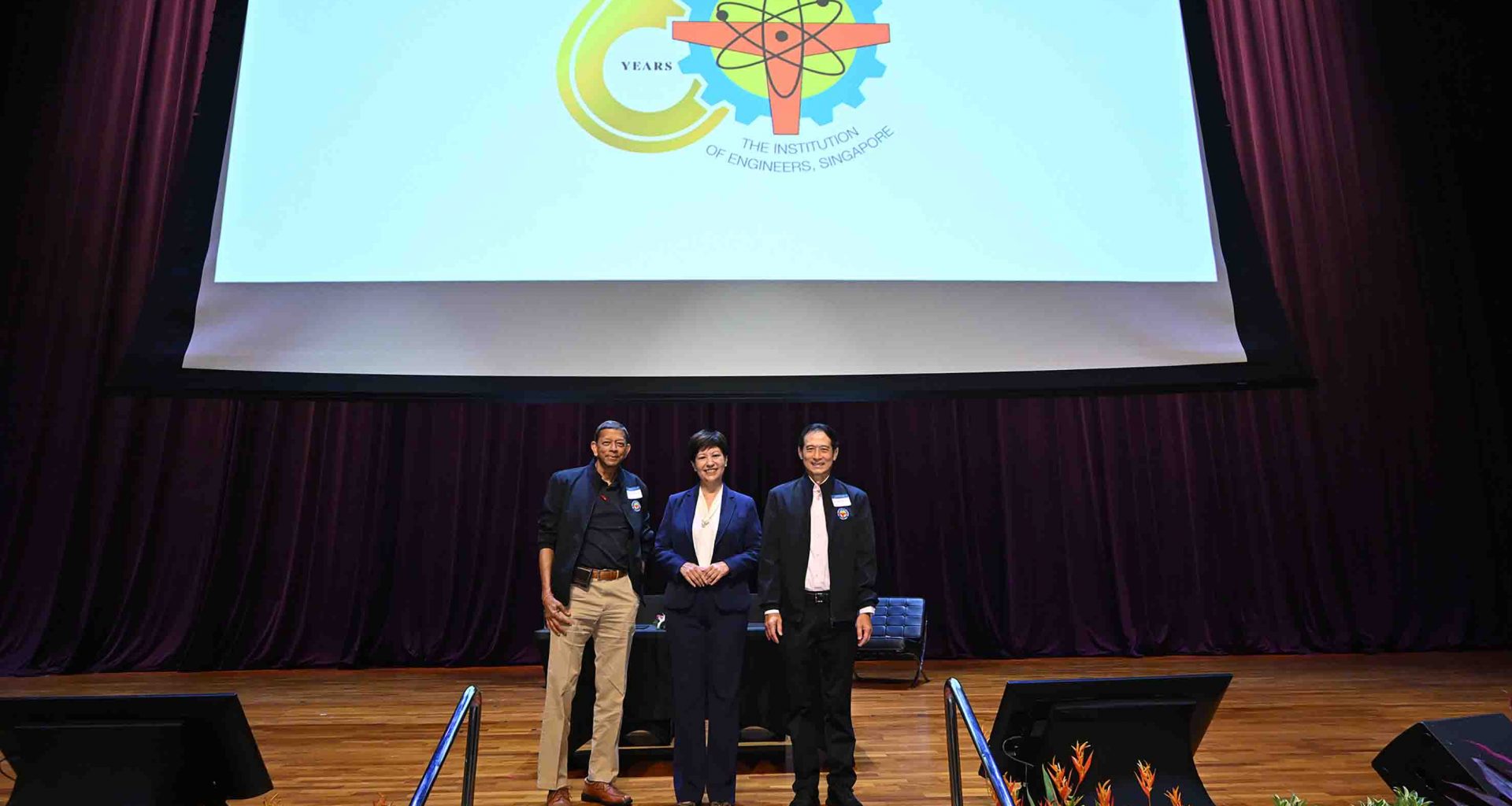

The Institution of Engineers, Singapore (IES) gathered leaders from industry, academia, and government to discuss the future of engineering at the World Engineering Day 2026: Charles Rudd Distinguished Global Lectures (WED 2026: CRDGL). The event explored how emerging technologies are transforming the engineering landscape and creating new opportunities for professionals in the field.
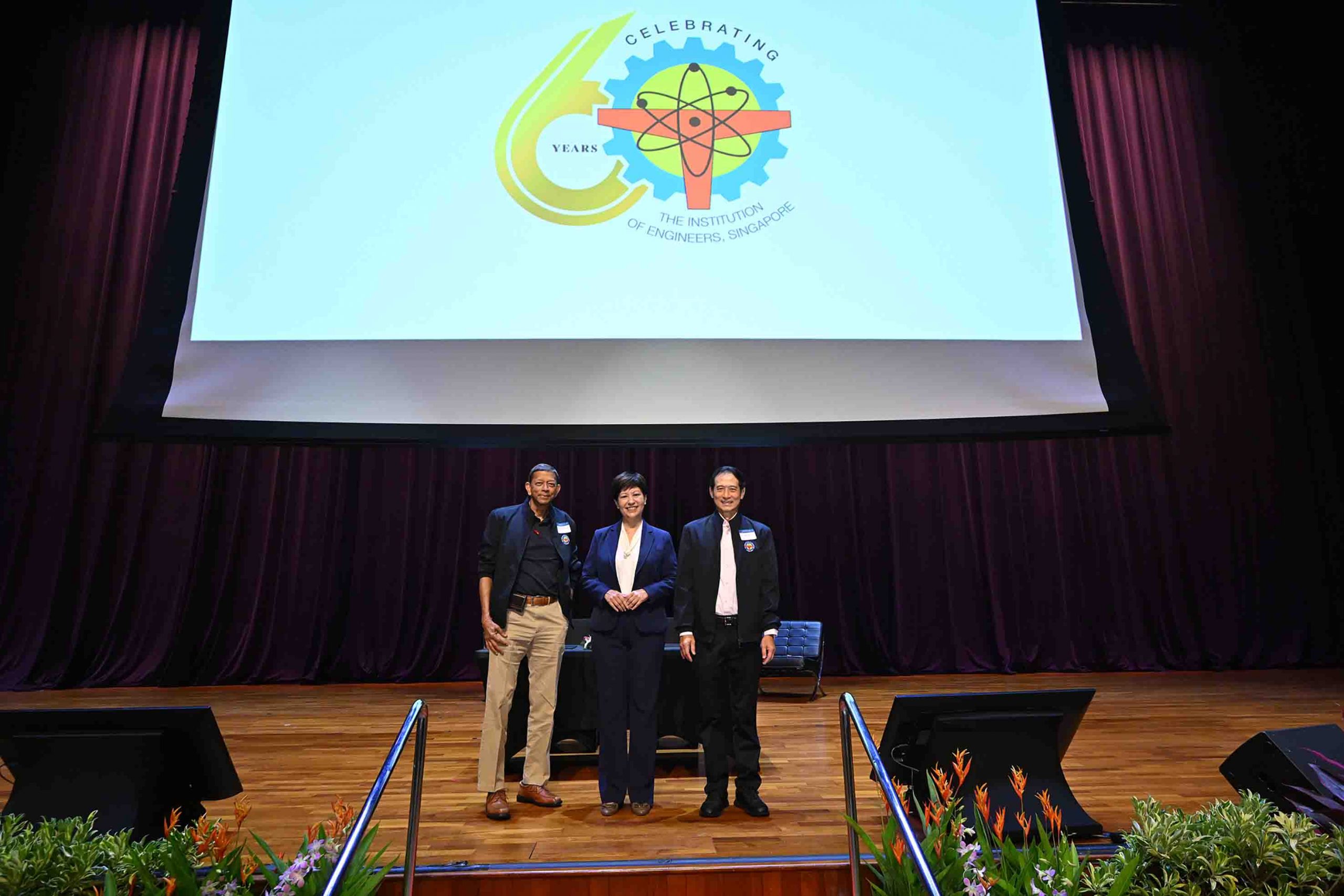
Held at the Ngee Ann Polytechnic Convention Centre, the full-day event carried the theme “Engineers and the Future of Engineering: Opportunities of Emerging Technologies.”
Guest-of-honour Indranee Rajah, Minister in the Prime Minister’s Office and Second Minister for Finance and National Development, officiated the event.
New Initiatives to Boost Smart Manufacturing
During the event, Ngee Ann Polytechnic (NP) unveiled two major initiatives aimed at strengthening Singapore’s advanced manufacturing ecosystem.
The first is a smart manufacturing platform developed in partnership with Siemens, the only SkillsFuture Queen Bee in advanced manufacturing. The platform integrates digital technologies, automation, and data analytics in a flexible environment that mirrors real industrial operations.
This setup allows companies, particularly small and medium-sized enterprises (SMEs), to test automation and robotics solutions before implementing them in their own facilities. By reducing adoption risks and speeding up experimentation cycles, the platform helps businesses transition more confidently toward Industry 4.0 manufacturing practices.
The collaboration combines Siemens’ industry expertise with NP’s strengths in applied engineering education, offering both technological solutions and workforce training to support implementation.
AI-Focused Specialist Diploma in Smart Manufacturing
NP also announced the launch of Singapore’s first stackable Specialist Diploma in Smart Manufacturing (SDSM) in partnership with the Agency for Science, Technology and Research (A*STAR).
The programme is designed for engineers, manufacturing professionals, and fresh graduates, equipping them with skills in artificial intelligence, automation, and next-generation manufacturing technologies.
A key feature of the SDSM is its stackable learning model, where learners accumulate Post-Diploma Certificates (PDCs) that eventually lead to a full specialist diploma. Selected courses and certificates are also cross-recognised between NP and A*STAR, allowing participants to progressively build qualifications from modules offered by both institutions.
Initial modules under the programme include:
- Smart Manufacturing Automation & Analytics – offered by NP
- Industrial Cybersecurity & Resilience – offered by NP
- AI for Manufacturing – offered by A*STAR
As the first polytechnic-led stackable programme in smart manufacturing, the SDSM offers a flexible pathway for professionals to deepen expertise while continuing their careers.
New Standards for Healthier and Greener Buildings
The event also marked the launch of three updated national standards for Singapore’s built environment:
- TR 141:2025 for hybrid cooling systems
- SS 553 for air-conditioning and mechanical ventilation
- SS 554 for indoor air quality in air-conditioned buildings
These standards were developed under the Singapore Standards Council, overseen by Enterprise Singapore.
The updated guidelines aim to improve thermal comfort, indoor air quality, and energy efficiency, while helping reduce airborne disease transmission during outbreaks.
The hybrid cooling guidance also supports the Go 25 movement, an initiative led by the Ministry of Sustainability and the Environment and the Singapore Green Building Council. The campaign encourages maintaining indoor temperatures at around 25°C to reduce energy consumption, prevent overcooling, and improve climate resilience.
Supporting agencies include the Building and Construction Authority and the National Environment Agency.
IES Celebrates 60 Years
The event also marked the launch of the IES60 commemorative logo, celebrating the 60th anniversary of the Institution of Engineers, Singapore.
The milestone will be marked by a year-long series of programmes and industry engagements, highlighting the role engineers have played in Singapore’s development and their continued contribution to innovation and nation-building.
Global Perspectives on the Future of Engineering
A highlight of the event was the Charles Rudd Distinguished Global Lectures, featuring insights from international experts including Bicky Bhangu, Operating Partner for Emerging Technologies at Temasek Holdings, and Hanbin Zheng, Head of Science and Technology Network at the British High Commission.
The speakers shared perspectives on technological transformation, emerging innovation trends, and the skills engineers will need in the future.
Recognising Engineering’s Role in Sustainable Development
World Engineering Day for Sustainable Development is celebrated globally on 4 March. The initiative was proclaimed by UNESCO in 2019 and is organised by the World Federation of Engineering Organizations (WFEO).
The annual observance highlights the critical role engineering plays in modern society and promotes innovations that support the United Nations Sustainable Development Goals (SDGs).

![[DON’T MISS] Burger King Singapore is giving away 1-YEAR supply of WHOPPER Burgers to 3 lucky winners! - Alvinology](https://alvinology.com/wp-content/uploads/2023/06/Burger-King-CCKs-entrance-1024x576.jpg "[DON’T MISS] Burger King Singapore is giving away 1-YEAR supply of WHOPPER Burgers to 3 lucky winners!")