


![[Review] Onggii Opens 3rd Outlet at Square 2, Brings Korean Comfort Food like Gomtang and Galbi Jjim to Novena - Alvinology](https://alvinology.com/wp-content/uploads/2026/10/WhatsApp-Image-2026-10-28-at-1.51.05-AM-110x110.jpeg "[Review] Onggii Opens 3rd Outlet at Square 2, Brings Korean Comfort Food like Gomtang and Galbi Jjim to Novena")

![[Review] Osteria Mozza's New Home at ION Orchard Brings a Different Take on Pizza, Pasta and Italian Comfort Food - Alvinology](https://alvinology.com/wp-content/uploads/2026/10/osteria-mozza-11-110x110.jpg "[Review] Osteria Mozza's New Home at ION Orchard Brings a Different Take on Pizza, Pasta and Italian Comfort Food")
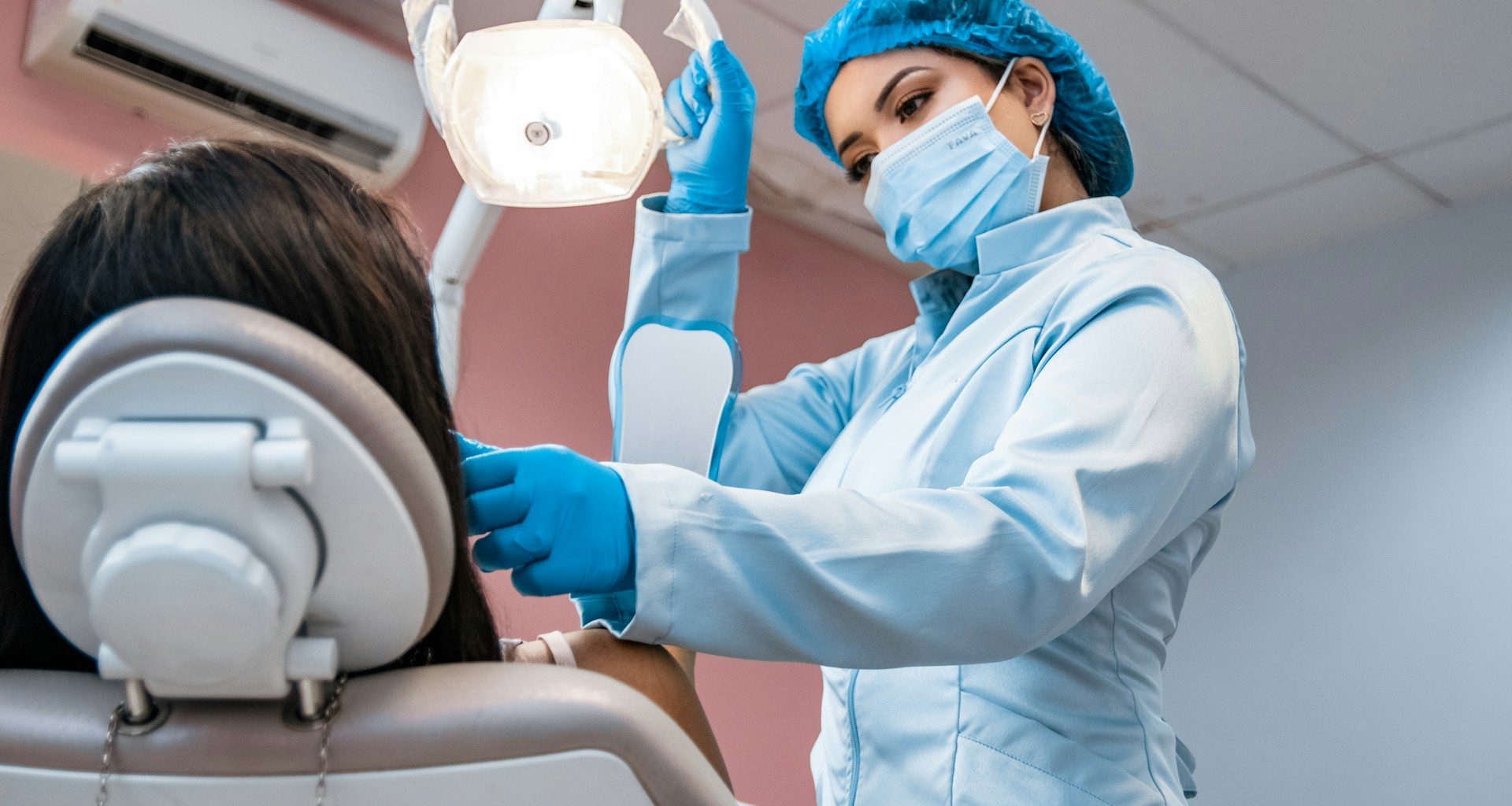

Maintaining a healthy mouth involves more than just brushing and flossing every morning. Daily choices and long-term routines play a massive role in how your teeth and gums hold up. Many people do not realize that what they do throughout the day can either strengthen their enamel or slowly wear it down.
Understanding these connections helps you make better decisions for your wellness. Your oral cavity is often a window into the rest of your body, showing signs of nutrition or stress. Small changes in your routine can lead to a much brighter and stronger smile for years to come.
The Hidden Impact Of Daily Diet
What you eat acts as the primary fuel for the bacteria living in your mouth. Sugary snacks and processed carbohydrates are notorious for feeding the microbes that cause decay. When these bacteria consume sugar, they produce acid that attacks your tooth enamel and creates cavities.
A recent publication explained that diets high in sugar and refined carbohydrates contribute to the growth of harmful bacteria. This process increases the risk of tooth decay and gum disease significantly. Shifting toward whole foods can help mitigate these risks and keep your mouth cleaner.
Crunchy vegetables and fruits can also help by stimulating saliva production. Saliva is the natural defense system of your mouth, neutralizing acids and washing away food particles. Choosing water over soda is another simple way to protect your teeth from constant acid baths.
The Role Of Professional Guidance
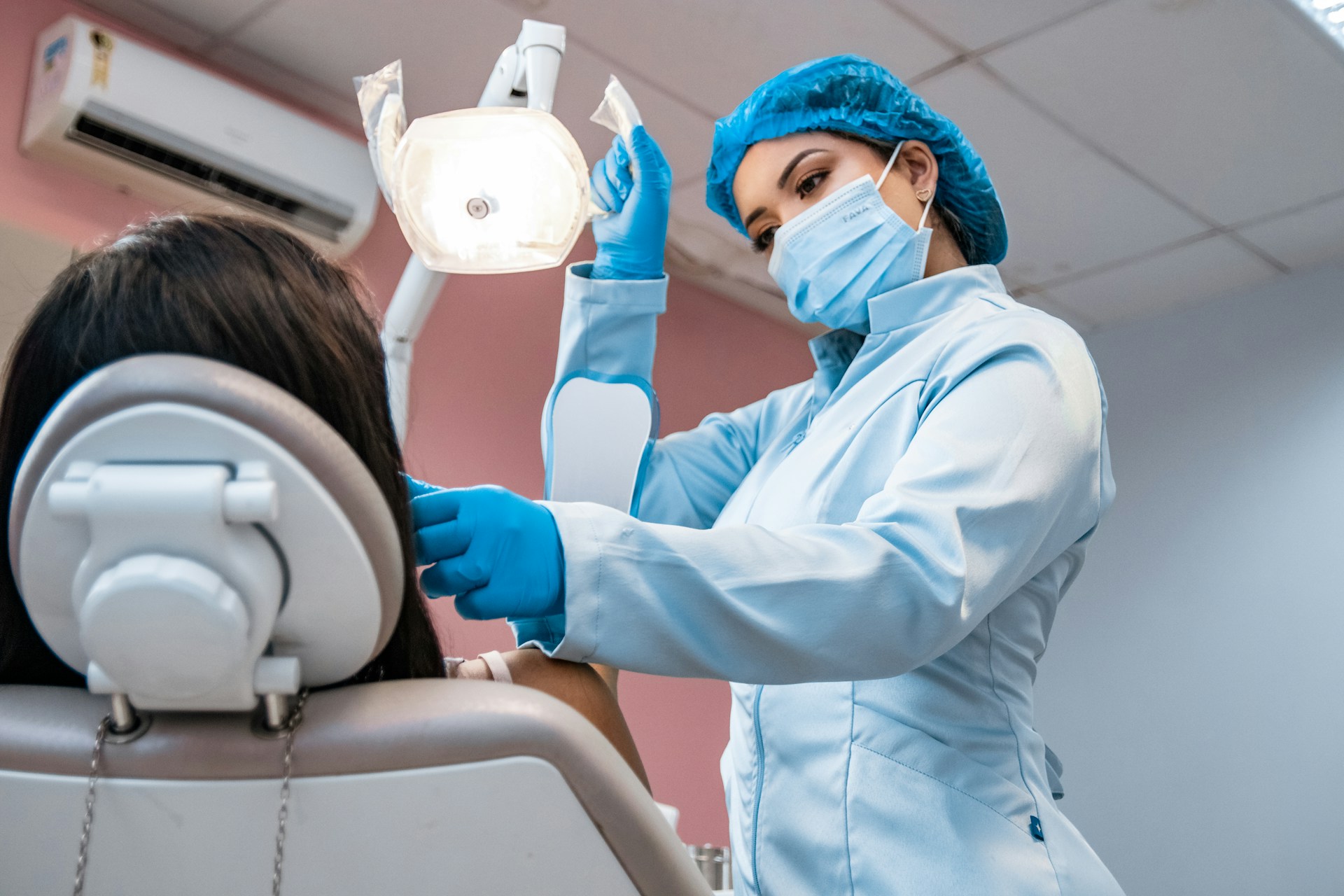
Regular checkups are the backbone of a solid preventive care routine. Professionals can spot early signs of wear or decay that you might miss in the mirror. Getting ahead of a problem is always better than waiting for a toothache to start.
Finding a reliable provider for your family is a great way to stay on track. As explained by the Smile 4 Texas team, comprehensive care is provided to help patients maintain their oral health through every stage of life. Having a team you trust makes it easier to keep those biannual appointments.
Consistent visits allow for professional cleanings that remove hardened tartar. You cannot remove tartar with a standard toothbrush at home, no matter how hard you scrub. These cleanings prevent the inflammation that leads to bone loss and gum recession.
Smoking And Your Oral Defense
Tobacco use is one of the most destructive habits for your dental well-being. It restricts blood flow to the gums, which makes it harder for your body to fight off infections. This lack of circulation means that gum disease often goes unnoticed until it reaches a severe stage.
Health experts at a Victorian government site mentioned that people who smoke and drink alcohol face an even greater risk of developing mouth cancer. This combination is particularly dangerous for the soft tissues of the throat and mouth. Stopping tobacco use can drastically improve the healing capacity of your gums.
Inhaling smoke dries out the mouth and stains the teeth permanently. Without adequate moisture, your teeth are more vulnerable to plaque buildup and decay. This leads to tooth loss and the need for expensive restorative procedures.
Sleep Patterns And Dental Pain
The quality of your rest at night can actually manifest in your mouth. Many individuals suffer from conditions like sleep apnea without realizing the dental connection. Poor sleep can lead to mouth breathing, which dries out oral tissues and invites bacterial growth.
Research published in a medical journal highlighted that a high risk for obstructive sleep apnea is significantly associated with chewing discomfort and dental pain. People with these issues often experience unexplained soreness in their jaw or teeth. This connection shows how systemic health issues appear in your smile.
Addressing sleep concerns might be the key to resolving chronic oral discomfort. If you wake up with a sore jaw, it could be a sign of grinding or poor airway health. Consult with a professional to see if your sleep habits are affecting your bite.
Alcohol Consumption And Gum Health
Regularly drinking alcohol can have a drying effect on the mouth. This reduction in saliva creates an environment where bacteria thrive, and inflammation grows. While an occasional drink may seem harmless, consistent heavy use can weaken your body’s natural defenses.
An article on implant solutions noted that heavy alcohol consumption weakens the immune response. This makes it much harder for the body to fight off infection and inflammation caused by bacteria. Weakened immunity often leads to more frequent bouts of gingivitis or periodontitis.
The sugar content in many alcoholic beverages poses a threat to enamel. Stick to clear liquids and drink plenty of water alongside your cocktails to rinse away sugars. This simple habit helps maintain a more neutral pH balance in your mouth.
Brushing Habits And Consistency
The frequency and technique of your brushing are fundamental to oral hygiene. Most people know they should brush twice a day, but many skip the evening session. Skipping that final clean allows plaque to sit on your teeth for 8 hours while you sleep.
A recent survey found that almost a third of adults admitted to brushing less than the recommended twice a day. Even more concerning was that 6% of people do not brush every single day. These gaps in care give bacteria a massive head start in damaging your enamel.
Using a soft-bristled brush is vital to avoid wearing down your gums. Aggressive scrubbing can lead to recession and sensitive tooth roots. Aim for gentle, circular motions to lift debris without harming the delicate tissue around your teeth.
Hydration And Saliva Production
Drinking enough water is one of the easiest ways to support your teeth. Water helps wash away food debris and keeps your saliva levels high throughout the day. A dry mouth is a playground for the bacteria that cause bad breath and cavities.
Fluoridated tap water provides an extra layer of protection by strengthening enamel. This mineral helps rebuild the surface of your teeth after it has been softened by acids. It is a simple, 0-cost way to boost your dental defenses every time you take a drink.
If you struggle with a dry mouth, try carrying a reusable bottle everywhere. Avoid sipping on sugary or acidic drinks like coffee or sports drinks for long periods. Constant exposure to these liquids can lead to rapid erosion of your tooth surfaces.
Stress Management And Jaw Health
Stress often manifests physically in the form of teeth grinding or clenching. This habit, known as bruxism, can lead to cracked teeth and severe jaw pain. Many people do this unconsciously while they work or during deep sleep.
Managing your stress levels through exercise or meditation can help relax your jaw muscles. If you notice tension in your face, take a moment to consciously relax your mouth. Your teeth should not be touching unless you are chewing food.
If grinding persists, a custom mouthguard can protect your smile from the pressure. This device acts as a cushion, preventing your upper and lower teeth from wearing each other down. Taking steps to reduce tension will save you from major dental repairs later.
The Benefits Of Xylitol
Not all sweeteners are bad for your teeth, and some can actually be helpful. Xylitol is a natural sugar substitute that bacteria cannot digest. When you use products with this ingredient, you are essentially starving the harmful microbes in your mouth.
A dental blog mentioned that chewing xylitol-based gum can reduce the growth of the primary bacteria responsible for decay. This makes it an excellent tool to use after meals when you cannot get to a toothbrush. It stimulates saliva while fighting off the “bad” germs.
- Use xylitol gum after lunch to rinse your mouth.
- Look for mints that list xylitol as the first ingredient.
- Avoid gums that contain high amounts of citric acid.
These small additions to your routine can make a big difference in your checkups. It is an easy habit to maintain while you are on the go. Just 5 minutes of chewing can help keep your mouth fresh and protected.
Your daily choices create the foundation for your long-term dental success. From the foods you eat to the way you manage your stress, everything is connected. Taking a proactive approach ensures that your teeth remain functional and beautiful as you age.
Consistency is the most important factor in any health routine. By staying mindful of these habits, you can avoid the pain and expense of major dental work. Your smile is an investment that deserves your attention every single day.