





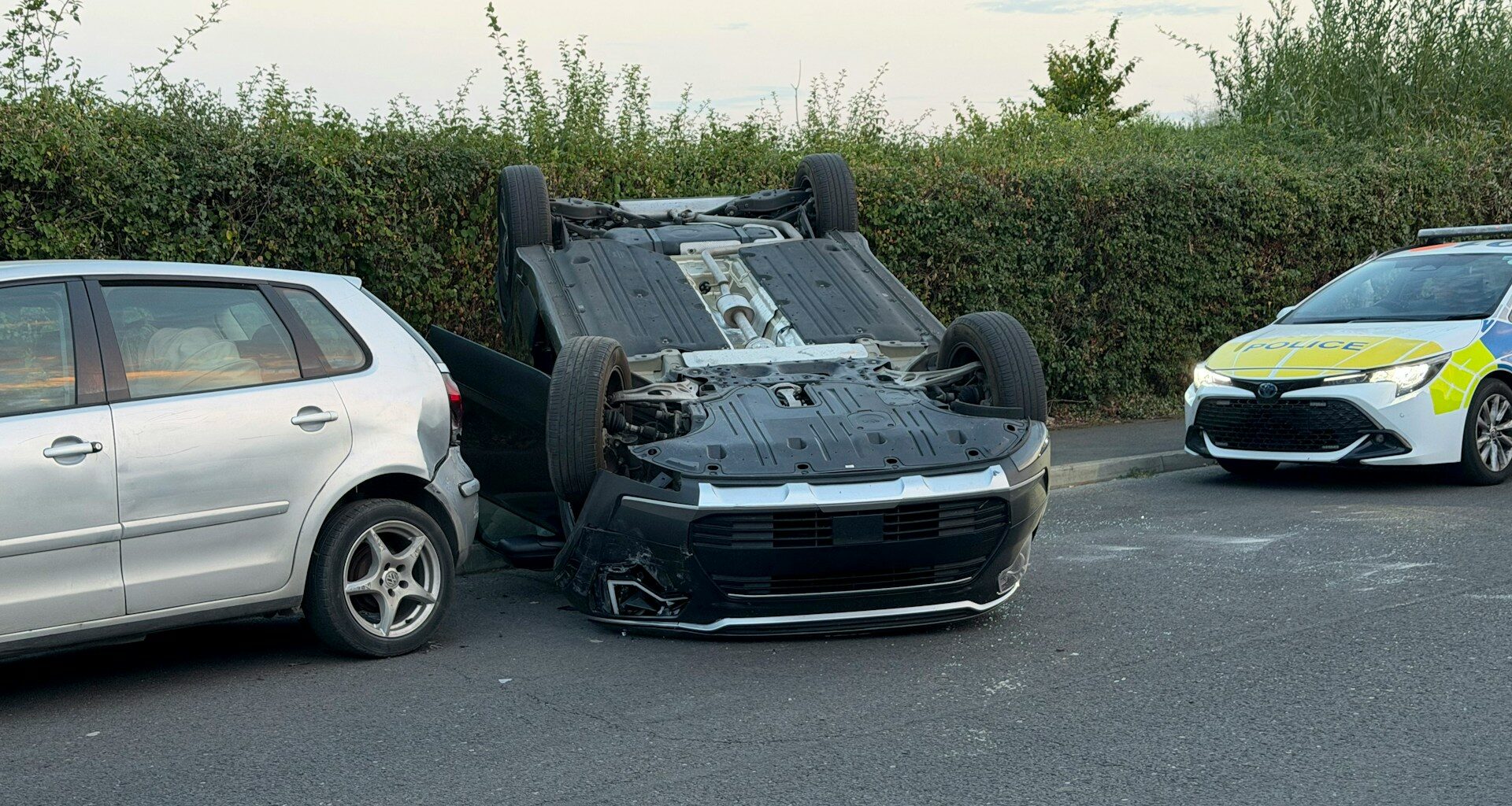

Every town has one. That intersection where locals tap the brakes on instinct, the stretch of highway where flashing blue lights feel like part of the scenery, the left turn that makes passengers grip the door handle a little tighter.
It’s not just bad luck or a few reckless drivers. Some roads are practically built to test patience and reflexes, with blind curves, crowded merges, and signals that never seem long enough. Pile heavy traffic on top, and trouble shows up on schedule.
The truth is that crashes usually come from a mix of ingredients. Road design, driver habits, visibility, and sheer traffic volume all stir together, and when enough of them line up at once, a perfectly ordinary commute can go sideways in a heartbeat.
The Road Design Features That Increase Crash Risks
Start with curves. A bend that tightens unexpectedly, or one hidden behind a hill, gives drivers less time to react than they think they have. Clermont’s rolling terrain, unusual for flat Florida, can make sightlines especially tricky as cars crest a rise and suddenly meet slowed traffic.
Lane markings matter more than most people realize. Faded paint, lanes that end with little warning, and turn lanes that are too short to hold the line of waiting cars can turn a routine trip into a guessing game. When drivers have to guess, someone eventually guesses wrong.
Intersections pack the most risk into the smallest space. Wide crossings, awkward angles, and limited visibility around corners all raise the odds of a collision. Those design quirks help explain why certain dangerous roads in Clermont Flordida keep showing up in crash reports year after year.
When Traffic Growth Outpaces Road Infrastructure
Clermont has grown fast. Rooftops have sprouted where orange groves and open land used to be, and new families keep arriving for the hills, the lakes, and the easy reach to Orlando. All those new residents need roads, and the roads haven’t always kept up.
Many corridors were designed for a sleepier version of the area. Two lanes that once felt roomy can now look like a parking lot at rush hour. Commuters heading toward the theme parks or downtown Orlando funnel onto the same handful of major routes every morning and evening.
Construction adds its own chaos. Shifting lanes, temporary signals, and new shopping centers with driveways spilling onto busy roads create fresh conflict points almost overnight. Growth brings plenty of perks, but it also brings congestion and hazards that the original road plans never imagined.
The Human Behaviors That Make Dangerous Roads Worse
A tricky road can be handled safely by a careful driver. Unfortunately, not every driver is careful. Speeding shrinks the margin for error on curves and at intersections, turning a manageable mistake into a serious crash.
Distraction is the other big villain. A quick look at a phone on a busy corridor can mean missing a stopped car, a changing light, or a pedestrian stepping off the curb. On already complicated roads, those few seconds matter even more.
Aggressive merging, tailgating, and failing to yield round out the list. Cutting into a gap that’s too small or riding someone’s bumper leaves no room to react when traffic slows suddenly. Pair those habits with a poorly designed road, and the results are depressingly predictable.
How Engineers Identify and Improve High-Risk Locations
Traffic engineers don’t rely on gut feelings. They study crash histories to spot patterns, looking for intersections or stretches where the same types of collisions keep happening. A cluster of left-turn crashes, for example, tells a very specific story.
Traffic studies fill in the rest. Engineers count vehicles, measure speeds, and watch how drivers actually behave. From there, they might lengthen turn lanes, add dedicated turn signals, adjust signal timing, or redesign an intersection entirely, sometimes swapping it for a roundabout.
Smaller fixes can make a surprising difference too. Brighter signs, fresh lane markings, rumble strips, and better lighting all help drivers read the road more easily. Agencies like the Florida Department of Transportation use this mix of data and design to chip away at recurring problems.
Conclusion
Some roads really do seem to invite accidents, and it’s not just in drivers’ heads. Tight curves, confusing lanes, short turn bays, and crowded intersections can all stack the deck before anyone even turns the key.
Drivers can tilt the odds back in their favor. Slowing down on familiar trouble spots, putting the phone away, leaving extra following distance, and giving other drivers room to merge can turn a risky stretch into a manageable one.
Long-term fixes still depend on smart infrastructure. As Clermont keeps growing, better road design, updated signals, and thoughtful planning will matter more than ever. Until then, recognizing the risky spots before they become crash sites is the best defense on the road.


