






Gaming computers have become increasingly capable as modern games demand faster processors, stronger graphics hardware and more responsive displays. While desktop computers remain popular among enthusiasts who want extensive upgrade options, gaming laptops provide a portable alternative without necessarily sacrificing performance.
When comparing portable gaming systems, a Razer gaming laptop can be considered alongside other established brands. Modern gaming laptops can support demanding games while also handling activities such as streaming, content creation and general productivity.
The following companies and gaming brands offer a variety of systems for users seeking high-performance gaming computers.
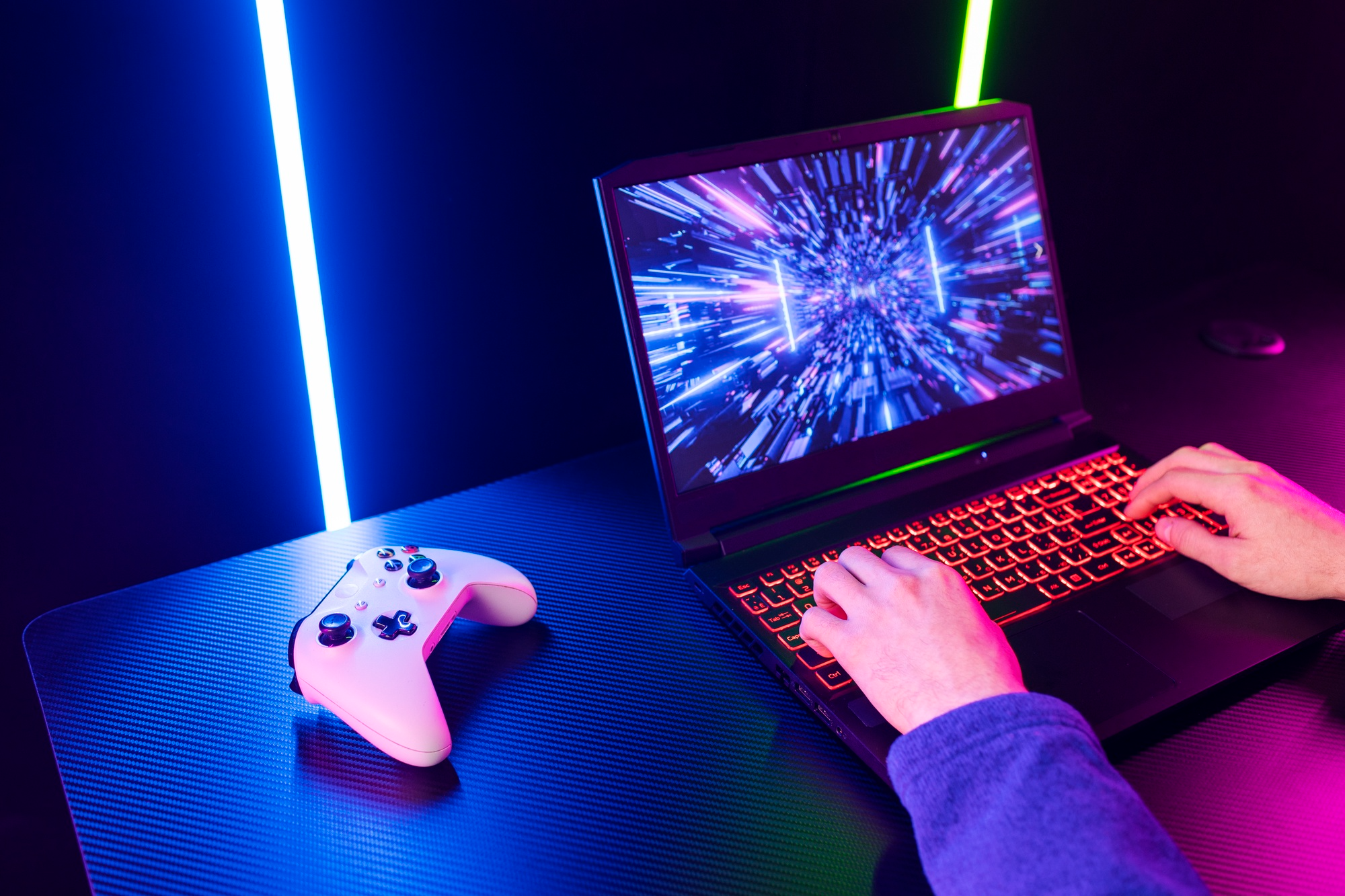
1. Razer
Razer develops gaming hardware and produces laptops designed for demanding gaming and computing workloads. Its gaming laptops combine powerful processors, dedicated graphics and high-quality displays in portable form factors.
The hardware can also support demanding applications beyond gaming. Users involved in video editing, streaming, graphic design or other resource-intensive tasks can benefit from the same processing and graphics capabilities.
Razer’s different laptop configurations allow users to compare performance according to their preferred games and applications. Ready to take your gaming experience to the next level? Explore a Razer gaming laptop to find a configuration that matches your performance needs and gaming preferences.
2. Alienware
Alienware is Dell’s dedicated gaming brand and produces high-performance laptops and desktop computers. Its systems are designed around powerful processors, dedicated graphics and advanced thermal management.
Alienware models often focus on premium gaming performance and distinctive designs. They can be suitable for users who prioritise hardware capability and immersive gaming over lightweight portability.
3. ASUS ROG
ASUS Republic of Gamers, commonly known as ROG, develops gaming laptops, desktops and components. Its systems cover a broad range of performance levels, from portable gaming laptops to powerful desktop configurations.
ROG devices often include high-refresh-rate displays, dedicated graphics and performance-oriented processors. The range provides options for gamers with different budgets and hardware requirements.
4. Lenovo Legion
Lenovo Legion is a gaming-focused product line offering laptops and desktop computers. Its systems are designed to provide strong gaming performance while maintaining practical designs for everyday use.
The range includes different combinations of processors, graphics hardware, memory and displays. Users can choose configurations according to the games they play and whether portability is important.
5. MSI
MSI is well established in gaming hardware and produces laptops, desktops and components for performance-focused users. Its gaming computers commonly feature dedicated graphics, high-refresh-rate displays and powerful processors.
The company also develops systems for creators, making its hardware suitable for workloads such as video editing and 3D applications. This versatility can be useful for users who want one computer for gaming and creative work.
6. Acer Predator
Acer Predator is a gaming brand offering laptops and desktop computers designed for high-performance gaming. Its systems commonly feature dedicated graphics and advanced cooling solutions.
Predator computers are aimed at users who want strong gaming performance and features designed for demanding titles. Different models provide varying levels of performance and portability.

7. HP OMEN
HP’s OMEN range focuses on gaming laptops and desktops. Its systems provide dedicated graphics and processors designed to handle modern games and demanding applications.
OMEN devices are available in different configurations, allowing users to compare performance, display specifications and overall system design. They can also support creative and productivity workloads.
8. Dell
Dell offers gaming hardware through Alienware as well as performance-oriented configurations under its main brand. Its range covers users who need different levels of computing capability.
Gaming-focused systems can include dedicated graphics and high-performance processors, while other Dell computers may prioritise business or general productivity. Comparing individual configurations is therefore important.
9. Gigabyte AORUS
AORUS is Gigabyte’s gaming-focused brand, producing laptops, desktops and components for performance-orientated users. Its systems are designed to support demanding gaming workloads.
AORUS products commonly emphasise graphics performance, high-speed displays and thermal management. The range can appeal to gamers who want powerful hardware in both desktop and portable formats.
10. ASUS TUF Gaming
ASUS TUF Gaming provides gaming laptops and desktops designed to balance performance, durability and value. Its systems include dedicated graphics and processors capable of supporting modern games.
The range gives users an alternative to premium gaming systems while retaining features that are important for gaming. Model specifications vary, so buyers can compare hardware according to their preferred games and budget.
Key Components of a Gaming Computer
Graphics processing is one of the most important factors when selecting a gaming computer. A capable dedicated GPU can improve performance in graphically demanding games and support higher settings or resolutions.
The processor is also important, particularly for games that depend heavily on CPU performance. A balanced combination of CPU and GPU can help prevent one component from becoming a significant limitation.
Memory should also be considered. Modern games can use substantial amounts of RAM, especially when running alongside browsers, streaming software or communication applications. Sufficient memory can therefore support smoother multitasking.
Desktop or Gaming Laptop?
Desktop gaming computers generally offer greater opportunities for upgrading individual components. They can also provide more room for cooling hardware and larger graphics cards.
Gaming laptops, however, offer portability and convenience. They combine the major components into a single device that can be used at home, in an office or while travelling.
The choice depends on priorities. Users who want maximum upgrade flexibility may prefer a desktop, while those who need a portable gaming system may favour a laptop.
Display and Cooling Considerations
A high-refresh-rate display can make gameplay appear smoother, particularly in fast-paced competitive titles. Resolution also influences image quality and determines how demanding the graphics workload will be.
Cooling is another important consideration for high-performance computers. Gaming places sustained demands on the processor and graphics hardware, making effective thermal management important for maintaining consistent performance.
Users should consider both internal cooling and the physical environment in which the computer will be used.
Choosing the Right Gaming Computer
The best gaming computer depends on the games, resolution and graphical settings a user intends to run. Checking recommended hardware requirements can provide a useful starting point.
Budget should also be considered across the entire system. A strong graphics card may provide more noticeable gaming benefits than spending heavily on features that have little impact on the intended games.
Other factors such as storage capacity, connectivity, display quality and portability can also influence the decision.
Conclusion
High-performance gaming computers are available from brands such as Razer, Alienware, ASUS ROG, Lenovo Legion, MSI, Acer Predator, HP OMEN, Dell, Gigabyte AORUS and ASUS TUF Gaming. Each offers different combinations of processing power, graphics performance, displays and system design.
For users seeking a portable high-performance option, a Razer gaming laptop can be compared with other established gaming systems. Considering the GPU, processor, memory, storage, display, cooling, and portability can help identify a computer suited to both current games and future requirements.