

![[Review] Yanhuo (烟伙餐馆) at Cross Street Serves Contemporary Chinese Dishes at Reasonable Prices - Alvinology](https://alvinology.com/wp-content/uploads/2026/10/yanhuo-chinese-restaurant-03-110x110.jpg "[Review] Yanhuo (烟伙餐馆) at Cross Street Serves Contemporary Chinese Dishes at Reasonable Prices")




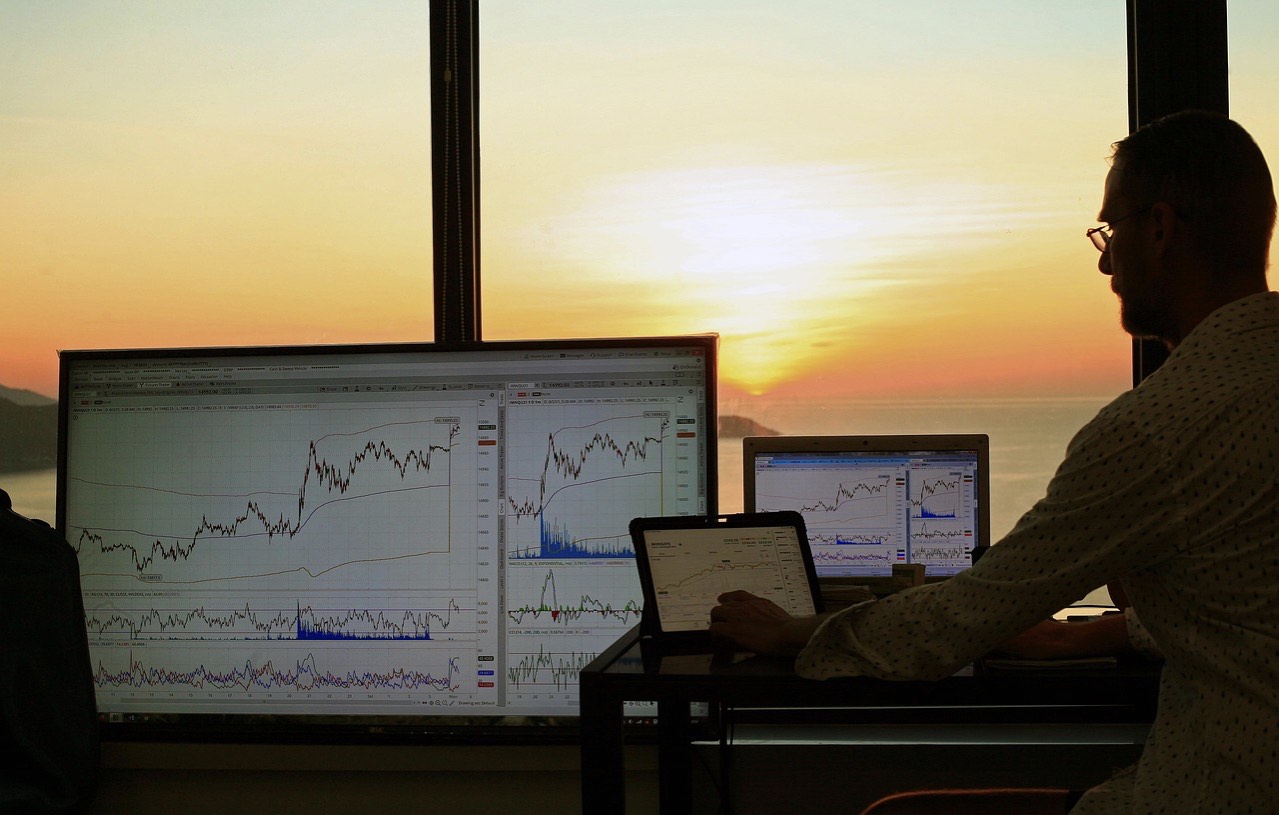
If you can only watch the market for a few hours a day from Malaysia, the late evening is usually where the action is. That isn’t a hard rule, and plenty of quiet nights prove it wrong, but over time the pattern becomes hard to ignore. Look back over a week of charts and you’ll often find the big candles bunched together around the time London and New York are both awake.
That suits a lot of people here just fine. Ask around in Kuala Lumpur, Penang or Johor Bahru and you’ll meet plenty of people who treat forex as an after work thing, checked over a teh tarik at the mamak or on the sofa once the kids have finally gone to bed. As luck would have it, that’s more or less when the global market is at its noisiest.
Why London and New York Matter So Much
London is the biggest currency trading centre in the world and New York comes second, so when their hours cross you get both crowds in the room at once. European banks are trying to wrap things up before going home, American desks are only just getting started, and somewhere in the middle the price has to sort all of it out.
Funnily enough, Kuala Lumpur got its name from a muddy meeting point of two rivers, and that’s not a bad way to picture the overlap either. The water is fairly calm upstream, then the currents run into each other and suddenly everything starts churning.
Does that mean every evening is wild? No, not really. Some evenings the market just shuffles sideways for hours. On average, though, this is when volume is highest and prices seem most willing to travel.
What It Looks Like on a Malaysian Clock
The overlap usually runs from around 8 pm to 11 pm Malaysian time while Europe and the US are on summer time, then shifts an hour later, to roughly 9 pm until midnight, once their clocks go back. Malaysia doesn’t change its clocks, so the window moves around on you twice a year, and it catches a few people out every single time.
Major US economic data also tends to come out early in the New York day, which lands at about 8.30 pm or 9.30 pm here depending on the season. Picture a trader in Penang at 8.25 pm on the first Friday of the month, waiting for the US jobs report with a chart open on the phone. A few minutes later, a pair that had barely moved all day can travel further in seconds than it did in the previous eight hours.
Which Pairs Tend to Wake Up
EUR USD and GBP USD are the obvious ones to watch, since both sides of those pairs are wide awake at this hour. USD JPY usually gets dragged along too, and gold often jumps around on the same US headlines. With so much money moving through them, spreads on these markets tend to stay on the tighter side, at least until a big number comes out.
Does the ringgit join in the same way? Not always. USD MYR tends to see most of its activity during the Asian day, when local banks and businesses are trading, so it doesn’t necessarily share in the evening fireworks. Malaysian traders who focus on the majors will usually feel the overlap far more than those who mostly watch their home currency.
Busier Doesn’t Always Mean Easier
You’d think more movement simply means more chances to make money, and sometimes, sure, it does. It also means getting whipsawed more often, with prices spiking on a headline and then reversing, or a breakout that looks great for a few minutes before falling over. A setup that looked tidy at 7 pm can look completely different by 9.
There’s a human side to this as well, and people tend to underestimate it. After a full day at the office and the commute home, your judgement at 11 pm probably isn’t what it was at lunchtime. Most people do better picking an hour or two they actually care about and switching off after that, instead of sitting up till midnight chasing whatever moves next.
Conclusion
So that teh tarik at the mamak? It’s probably better timed than you thought. The hours when London and New York overlap are when the most money is flowing through the market and the biggest swings of the day tend to show up, and here in Malaysia they arrive just as a lot of people are finally getting some free time.
Do keep an eye on the clock changes in Europe and the US, though, and remember that the busy hours can bite as well as reward. Honestly, a fresh trader at 9 pm is going to make better calls than a worn out one at midnight. Pick your window, and let the rest of the evening go.