





Singapore will join Brunei Darussalam, Indonesia and Malaysia in a multinational nomination of zapin, a traditional performing art form combining music, song and dance, for inscription onto the UNESCO Representative List of the Intangible Cultural Heritage of Humanity.
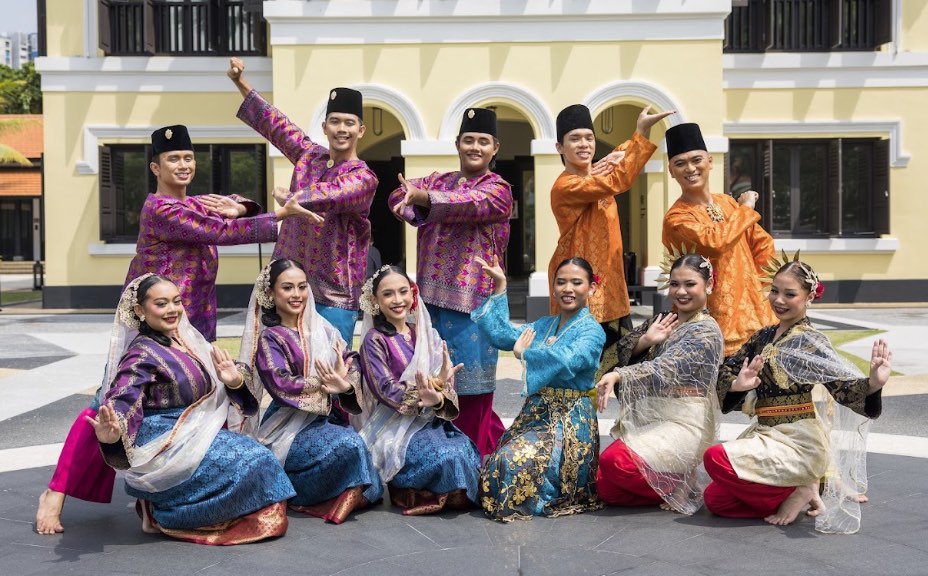
Announced by the National Heritage Board (NHB) on 24 September 2026, the nomination marks the first time Singapore is jointly nominating a performing art form to the UNESCO Representative List. It will be Singapore’s fourth nomination to the List.
The four countries aim to submit the nomination file to UNESCO in March 2027, with the evaluation timeline to be announced by UNESCO at a later date. The nomination brings together zapin communities across the region, where the art form continues to be practised and passed down through generations.
In Singapore, zapin was historically performed mainly during significant or ceremonial occasions such as weddings. It is now performed more widely at events and festivals, with practitioners ranging from specialised Malay dance companies to student interest groups.
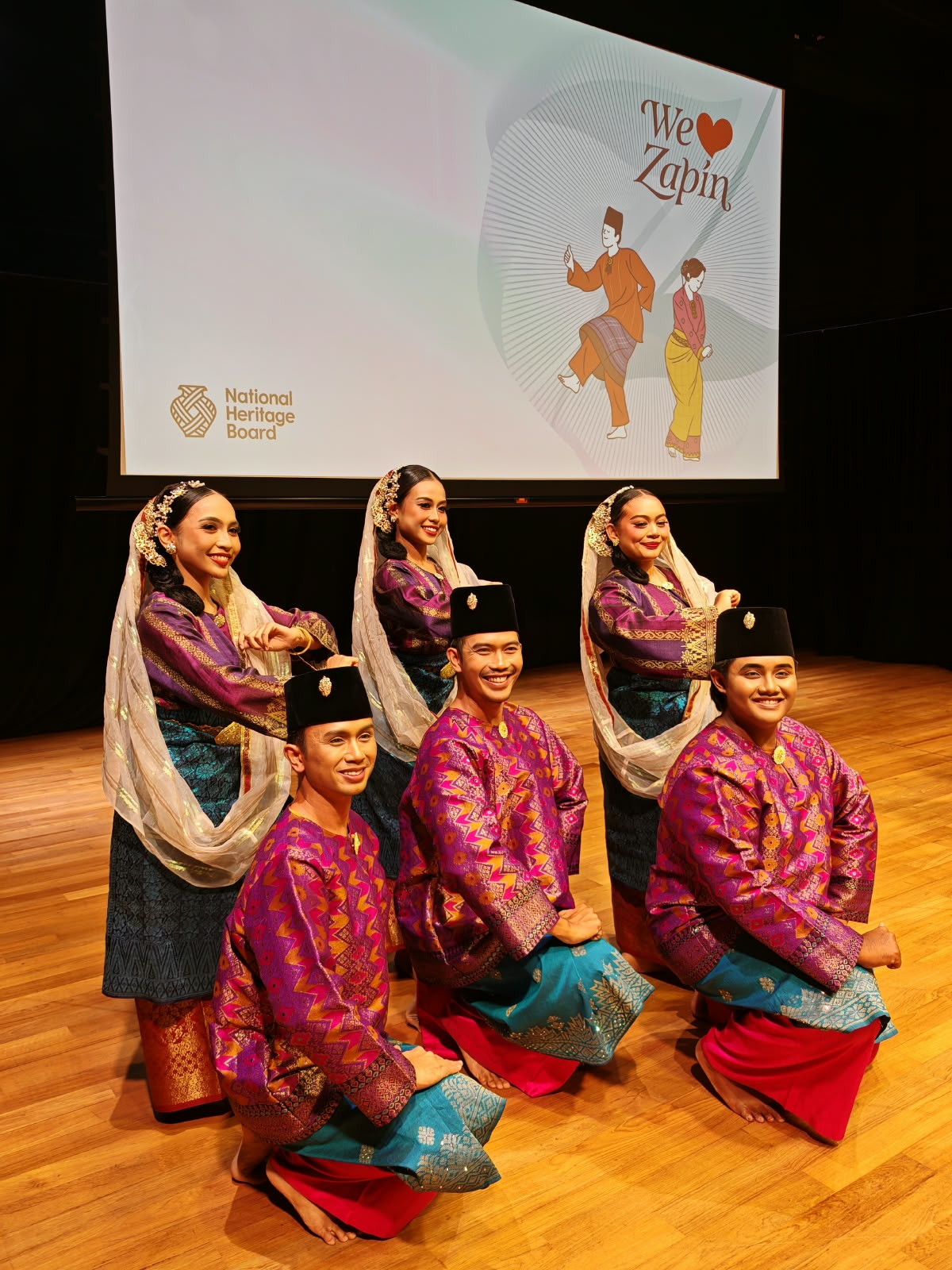
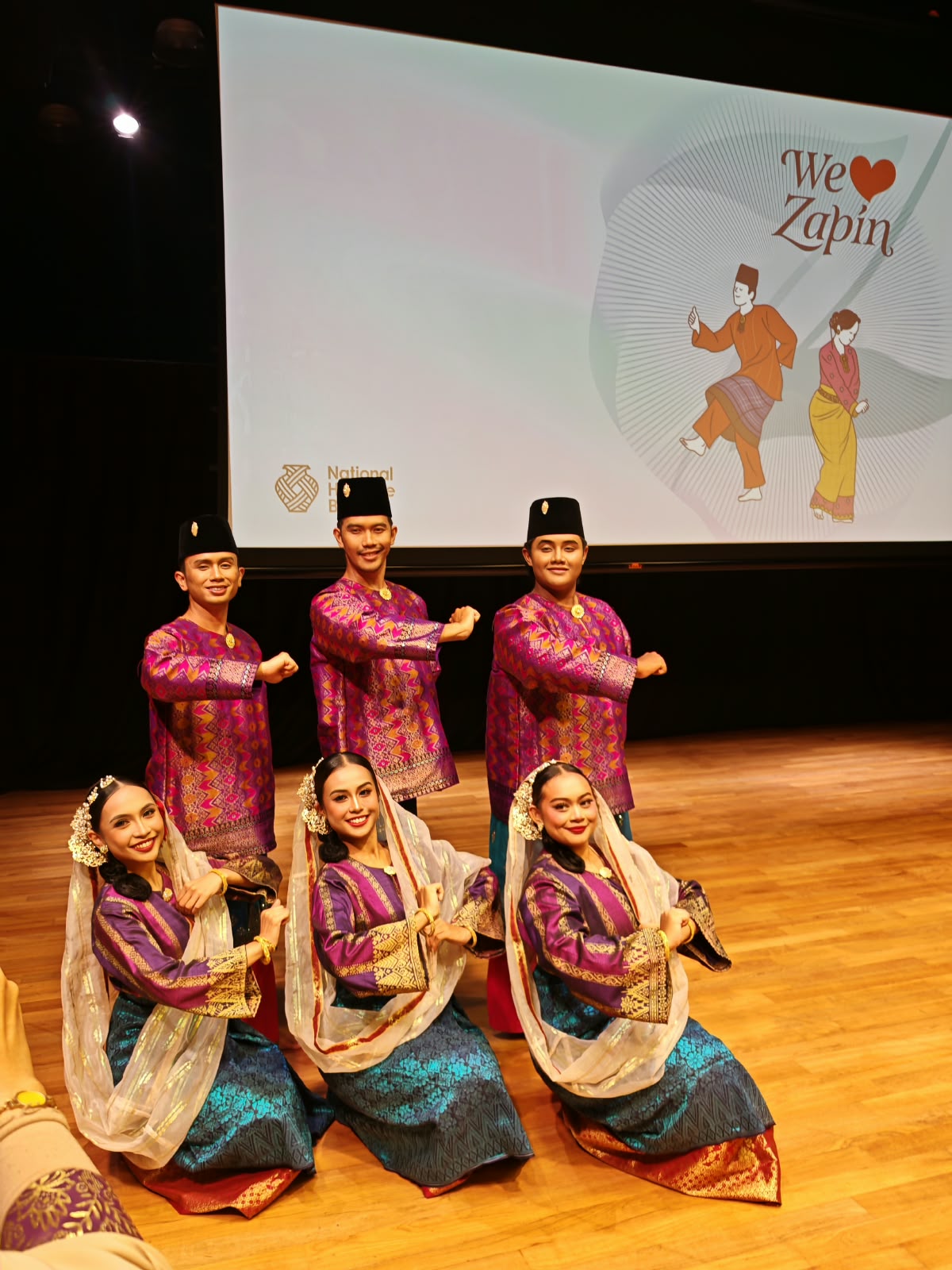
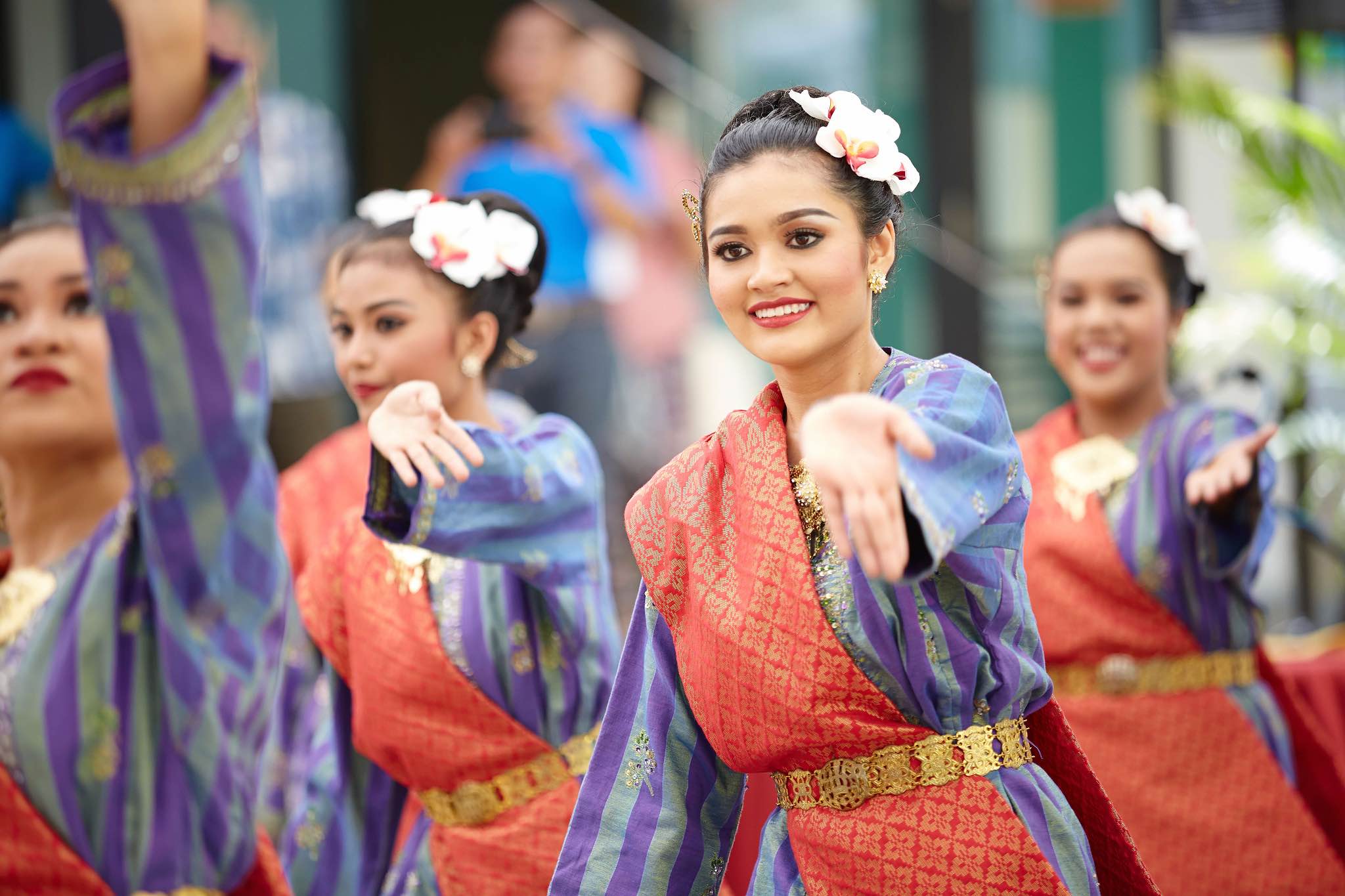
Zapin performances combine dance movements with lively melodies played on instruments such as the gambus, a short-necked lute, accordion and rebana, a traditional drum. Some dance movements draw inspiration from animals and the natural world, including the keluang or fruit bat, batang or tree trunk, and pusau or swirl.
Singapore also has local variations of zapin that reflect specific places and community histories. Zapin Telok Blangah was choreographed by Mdm Som Said to a composition by Zubir Abdullah, reflecting the area’s port history. Zapin Sungei Kallang was created by Osman Abdul Hamid in commemoration of his home near the river and the community there in the 1970s.
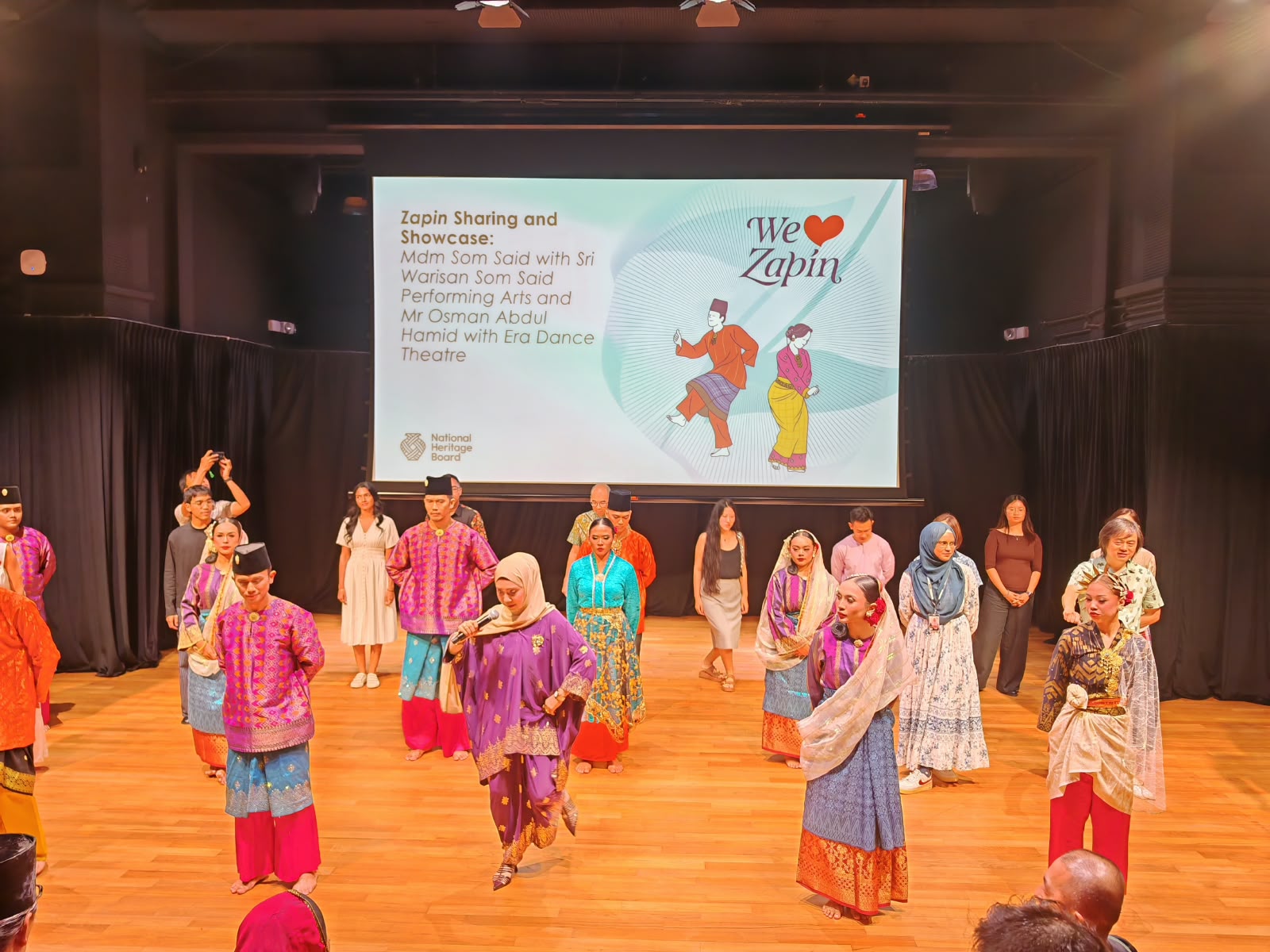
The practice has also evolved in terms of its performers. While zapin dancers were predominantly male in the past, both male and female dancers now commonly perform together.
The nomination builds on decades of regional collaboration, including festivals such as Zapin D’ Muara, which later evolved into Singapore’s annual Muara Festival. These events have brought dancers and musicians from across the region together and provided opportunities for cultural exchange and knowledge-sharing.
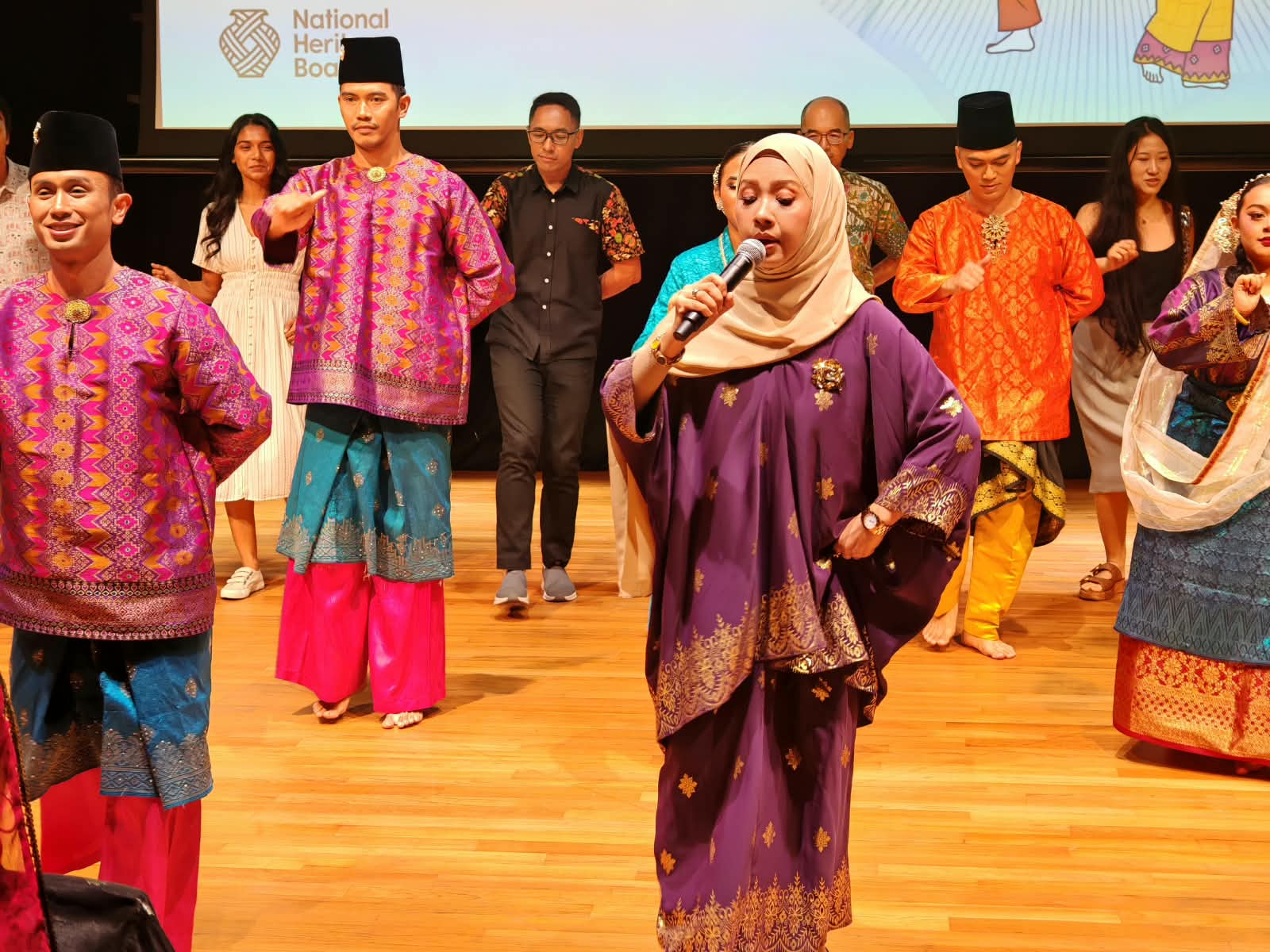
NHB said zapin continues to be sustained in Singapore through community participation and education. Traditional Malay performing arts groups mentor younger practitioners, while schools and universities offer co-curricular activities and clubs focused on traditional Malay dance. Sri Warisan Som Said Performing Arts and Mr Osman Abdul Hamid, have also been recognised with Steward of Intangible Cultural Heritage awards for their work safeguarding traditional Malay dance.
NHB Chief Executive Officer Chang Hwee Nee said the nomination recognises the cultural significance of zapin to communities in Singapore and across the region, while expressing hope that it will encourage a new generation to keep the dance form alive as part of Singapore’s living heritage.
As part of the nomination process, NHB will conduct focus group discussions with zapin stakeholders including dance companies, musicians, artist collectives, student groups, academics and cultural associations. The discussions will gather views on the social and cultural significance of zapin and measures needed to safeguard the art form.
NHB will also work with the community on public outreach initiatives aimed at raising awareness and encouraging participation among Singaporeans from different backgrounds.
A successful inscription on UNESCO’s Representative List would recognise zapin as an element of intangible cultural heritage shared by communities across the participating countries. The UNESCO Representative List is intended to raise awareness of cultural practices, encourage dialogue around cultural diversity and recognise cultural expressions and practices of communities worldwide.
The nomination does not mean that zapin belongs exclusively to any one country. UNESCO’s framework states that inscription on the Representative List does not imply that an element belongs to, originates from, or exists only in the submitting country.
For Singapore, the nomination follows its successful inscription of hawker culture in 2020 and kebaya in 2024, while its joint nomination of Chingay with Malaysia has been submitted and is awaiting evaluation.



![[Review] Sushi Express x Zermatt Neo Launches Zi Char-Inspired Sushi - Alvinology](https://alvinology.com/wp-content/uploads/2025/06/img_1044-1024x768.jpg "[Review] Sushi Express x Zermatt Neo Launches Zi Char-Inspired Sushi")