






Learn essential health screening rules for owner-operators, including DOT physical exams, drug and alcohol testing, medical certification, and renewals.
Running an independent trucking business requires clear attention to safety regulations and regular medical checkups. Drivers who manage their own authority must track strict health requirements to stay active on the road.
Meeting mandatory health screenings protects your commercial driver license and keeps your freight moving without unexpected delays. Keeping up with required medical evaluations forms the bedrock of long-term career stability.
Mandatory Federal Screening Requirements
Commercial motor vehicle operators must meet specific physical and substance testing standards to maintain valid operating status. Federal laws establish uniform guidelines that all independent drivers must follow regardless of fleet size. Regular health screenings protect public safety and keep commercial drivers legally compliant.
Setting up an organized compliance program is necessary before hauling your first commercial load. Navigating mandatory owner operator drug testing rules helps maintain active authority and prevents costly out-of-service orders. Driver safety files must document every required test result to pass federal audits.
Medical exams confirm that drivers possess the physical stamina necessary for long-distance hauls. Screening rules cover vision standards, hearing checks, blood pressure limits, and routine urine testing. Completing these required steps allows independent operators to maintain uninterrupted operations.
Federal Regulations for Drug and Alcohol Testing
Substance testing guidelines apply to every commercial driver who operates vehicles requiring a commercial driver license. A regulatory summary notes that 49 CFR Part 382.103 requires commercial motor vehicle drivers with a CDL to undergo DOT drug and alcohol screening. This regulatory framework covers pre-employment testing, post-accident checks, and reasonable suspicion evaluations.
Independent drivers cannot manage their own random substance testing programs under DOT rules. Joining an approved testing pool keeps driver profiles in compliance with federal guidelines year-round. Regular testing programs help keep highways safe for all commercial and passenger traffic.
Screening procedures require strict chain-of-custody protocols during every collection process. Qualified medical review officers examine all lab results before issuing official clearance notices. Following proper collection procedures prevents unnecessary delays or false positive determinations.
Department of Transportation Physical Exams
DOT physical examinations evaluate total health, cardiovascular condition, and physical abilities required for commercial driving. Certified medical examiners conduct these thorough evaluations to verify that drivers can operate heavy rigs safely. Regular physicals catch potential health issues before they turn into serious safety hazards.
Examiners inspect several critical health indicators during the routine physical assessment process:
- Vision acuity and color perception checks to verify clear road vision
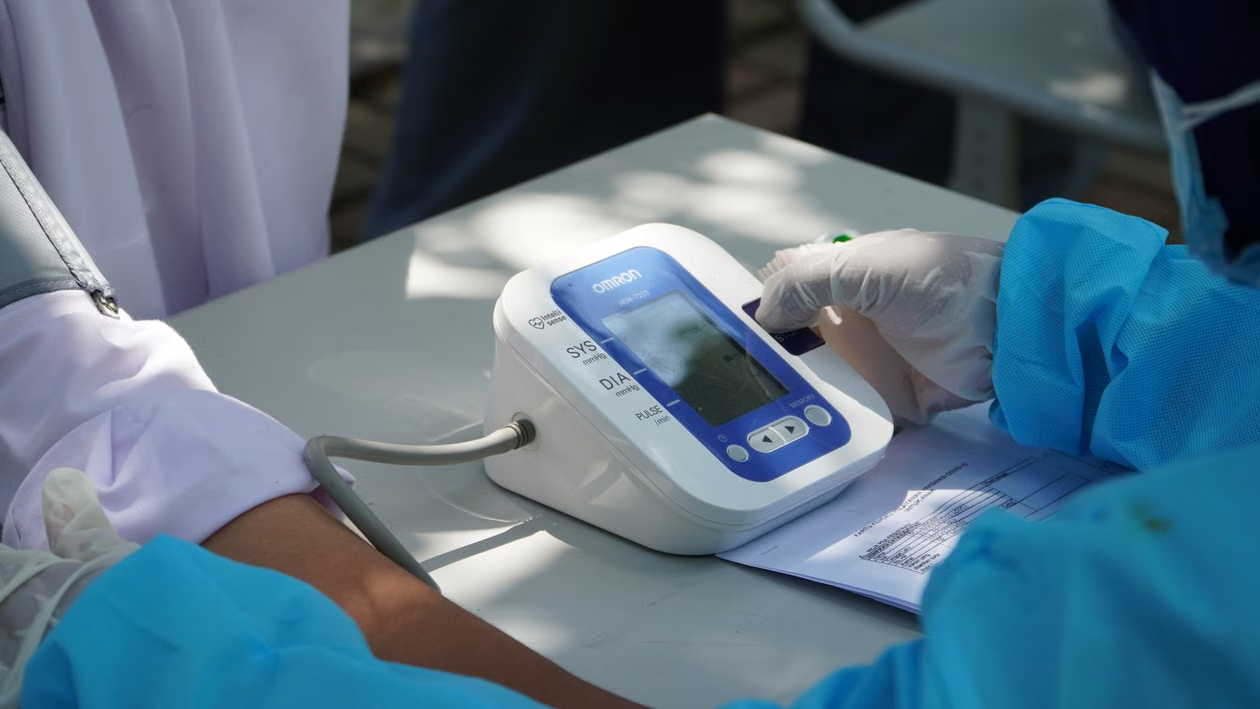
- Blood pressure measurements to confirm safe cardiovascular levels
- Hearing tests to check acoustic perception of surrounding traffic sounds
- Urinalysis tests to detect underlying medical conditions like diabetes
Medical certificates usually remain valid for 24 months depending on individual health metrics. Medical examiners may issue shorter certificates for drivers managing conditions like high blood pressure. Keeping your medical certificate current prevents automatic driver license downgrades by state licensing agencies.
Electronic Reporting to National Medical Databases
Modern health screening systems rely on digital reporting to maintain accurate driver medical records across state lines. A medical examiner review notes that completed DOT physical exam results must be transmitted electronically by the clinic directly to the official NRCME database. Electronic data transfer speeds up record updates and reduces paperwork errors for independent carriers.
State licensing agencies pull medical certification data directly from federal database records to verify driver qualification. Drivers no longer need to carry physical copies of their medical certificates to every state office. Automated data syncing keeps state driving records matched with federal medical certifications.
Checking database records regularly helps drivers catch reporting errors before expiration dates pass. Timely digital submissions protect drivers from sudden license status changes during routine roadside checks.
Preparing for Routine Medical Screening Inspections
Preparing for a DOT physical requires gathering necessary medical documentation prior to your appointment time. Bringing current prescription lists and medical history records speeds up the clinic evaluation process. Proper preparation helps certified examiners complete physical checkups without administrative delays.
Managing personal health habits before your exam date contributes to better physical test results. Maintaining stable blood sugar levels and staying well hydrated supports clear urinalysis findings. Small daily wellness routines help protect driver physical qualification status.
Keeping accurate copies of medical records inside your truck cabin provides peace of mind on long trips. Organizing safety files in digital folders allows rapid access during unexpected carrier audits.
Managing Follow-Up Screenings and Renewals
Tracking renewal dates for physical certificates and consortium paperwork prevents accidental compliance gaps. Setting calendar reminders 60 days before expiration dates gives drivers plenty of time to schedule appointments. Proactive scheduling avoids last-minute rush situations at busy medical clinics.
If a health condition requires ongoing medical monitoring, follow treatment plans prescribed by your physician. Working closely with healthcare providers helps drivers meet DOT physical guidelines consistently. Clear medical documentation from specialist doctors supports faster medical examiner approvals.
Staying compliant with health screening rules strengthens business reputation across the logistics industry. Freight brokers and shippers prefer working with independent operators who maintain spotless safety records.
Essential Health Screening Rules for Owner-Operators
Owner-operators should treat health screening compliance as an ongoing business responsibility rather than a one-time requirement. Keeping medical certification, drug and alcohol testing records, and renewal deadlines organized helps prevent interruptions to commercial driving privileges.
Regularly reviewing medical documents and testing program requirements also makes it easier to prepare for roadside inspections and compliance audits. Independent drivers should verify that examinations are completed by qualified medical professionals and that required testing is handled through compliant programs. When cardiac screening is recommended, understanding the difference between ECG vs echocardiogram can help drivers understand what each test evaluates and why a healthcare professional may recommend one over the other.
Maintaining accurate records, scheduling renewals well before expiration, and addressing health conditions promptly can reduce the risk of unexpected downtime. A consistent screening routine supports both regulatory compliance and a safer, more dependable trucking operation.

Managing physical evaluations and substance screening programs keeps independent trucking businesses compliant and profitable. Clear preparation and consistent recordkeeping prevent administrative delays that disrupt freight schedules.
Taking proactive steps with health requirements protects your driver’s license and keeps your truck moving on the open road. Regular checkups support long-term physical fitness and protect your independent operator status.