

![[Review] Onggii Opens 3rd Outlet at Square 2, Brings Korean Comfort Food like Gomtang and Galbi Jjim to Novena - Alvinology](https://alvinology.com/wp-content/uploads/2026/10/WhatsApp-Image-2026-10-28-at-1.51.05-AM-110x110.jpeg "[Review] Onggii Opens 3rd Outlet at Square 2, Brings Korean Comfort Food like Gomtang and Galbi Jjim to Novena")

![[Review] Osteria Mozza's New Home at ION Orchard Brings a Different Take on Pizza, Pasta and Italian Comfort Food - Alvinology](https://alvinology.com/wp-content/uploads/2026/10/osteria-mozza-11-110x110.jpg "[Review] Osteria Mozza's New Home at ION Orchard Brings a Different Take on Pizza, Pasta and Italian Comfort Food")
![[Review] HONOR X9e Pro Lands in Singapore with an 11,000mAh Battery That Doubles as a Power Bank - Alvinology](https://alvinology.com/wp-content/uploads/2026/10/honor-9xe-purple-06-110x110.jpg "[Review] HONOR X9e Pro Lands in Singapore with an 11,000mAh Battery That Doubles as a Power Bank")
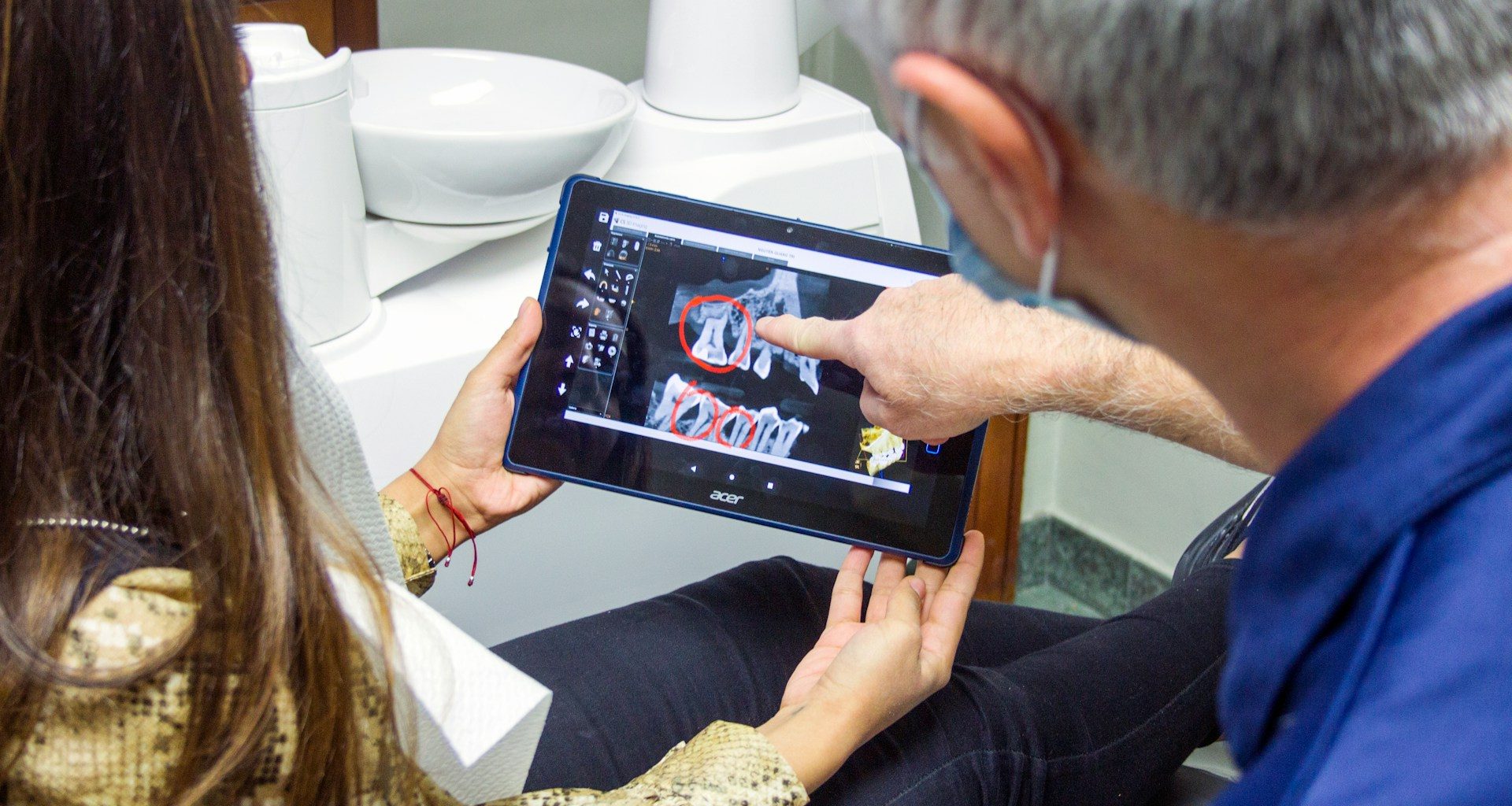

A wisdom tooth can cause trouble quietly. You may notice food getting trapped behind it, a sore gum that settles after a few days, or a dull ache that comes and goes. That makes it tempting to wait and see.
But waiting is not always the cautious choice. The useful question is not simply whether your tooth hurts today. It is whether its position and condition make future problems more likely. If you are already dealing with swelling, repeated infection or a tooth that cannot erupt properly, learning what wisdom tooth removal surgery involves can help you understand the next step before the problem becomes harder to manage.
Pain Is Not The Only Signal
Most people use pain as their main decision rule. No pain means no problem. Pain means action. That sounds sensible, but wisdom teeth do not always follow that pattern.
A partially erupted tooth can create a narrow space between the tooth and gum where food and bacteria collect. The discomfort may disappear, while the hard-to-clean area remains. You can feel perfectly fine between episodes.
A better rule is this: if the same wisdom tooth causes repeated swelling, pain or cleaning problems, do not judge it only by how it feels on one good day. Look at the pattern.
The Position Changes Everything
Two wisdom teeth can look similar above the gum while needing very different treatment. One may stand upright with enough room to function. Another may lean forwards into the tooth beside it.
This is where “all wisdom teeth should be removed” becomes too simple. The real answer is more specific: a wisdom tooth may be left alone if it is healthy, positioned well and can be cleaned properly. The concern rises when its position makes damage or infection more likely.
For example, imagine a lower wisdom tooth tilted forwards. Even if it is not painful, its edge may press against the back of the tooth in front. That creates a problem in a place you cannot easily inspect or brush.
Repeated Infection Is A Warning
One painful episode can have several causes. A pattern of episodes tells you more.
Suppose the gum around a wisdom tooth becomes swollen every six months. You clean the area more carefully, the swelling settles, and life goes back to normal. Then it happens again.
The costly mistake is treating each episode as a separate event. People do this because the problem disappears between flare-ups. But repeated inflammation can mean the underlying space is still difficult to keep clean.
Watch for patterns such as:
- swelling around the same tooth
- pain when biting or chewing
- difficulty opening your mouth during flare-ups
- food regularly trapped at the back of the jaw
- recurring tenderness after the symptoms seem to settle
The key point is repetition. A problem that keeps returning deserves a different conversation from a one-off sore gum.
Waiting Has A Trade Off
Waiting can sometimes be reasonable. There is no prize for treating a healthy, trouble-free tooth simply because it is a wisdom tooth.
But waiting also has a trade-off. If a tooth is already causing repeated trouble, delaying treatment may mean dealing with it later when you are older, busier or facing another flare-up at an inconvenient time.
Most guides say you should remove a wisdom tooth as soon as it causes pain. The more useful answer is to ask what is causing the pain and whether the cause can realistically stay under control.
If the issue is temporary gum irritation, monitoring may make sense. If the tooth’s angle or position keeps creating the same trap for bacteria, pain relief alone does not change the reason the problem returns.
Use This Simple Decision Rule
You do not need to diagnose the tooth yourself. You only need to notice the right details before getting professional advice.
Use this three-part rule:
Monitor if the tooth is healthy, fully manageable and causing no repeated problems.
Arrange an assessment if you have recurring pain, swelling, trapped food or difficulty cleaning around the tooth.
Seek prompt dental advice if you develop significant swelling, worsening pain or symptoms that affect normal eating or opening your mouth.
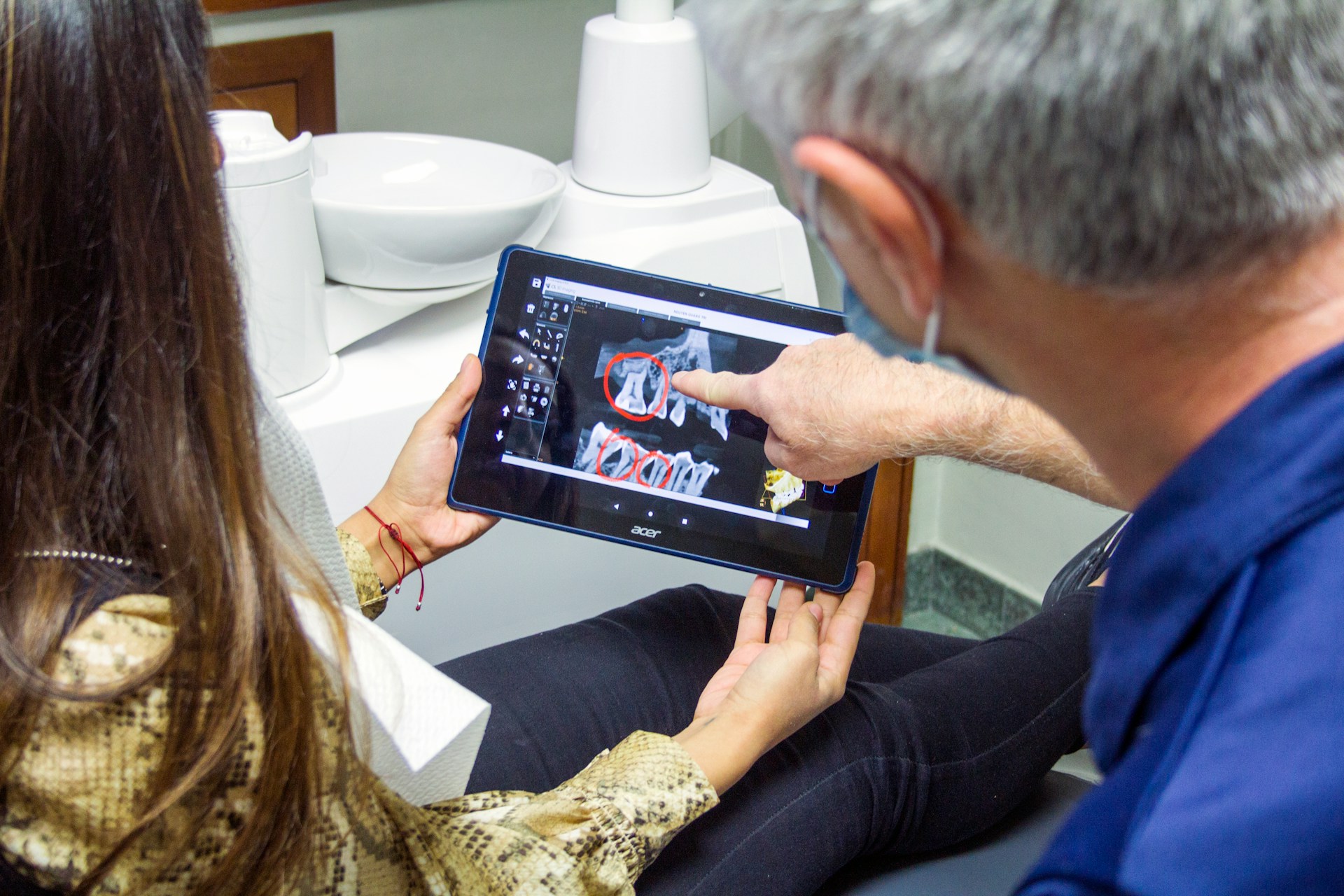
A dental assessment can also look beyond what you can see. The visible part of the tooth is only part of the story. Its roots, angle and relationship with nearby teeth may matter too.
Think Beyond The Extraction Day
Another common mistake is focusing only on the procedure itself. The practical question is also what recovery could look like for your schedule.
If you have an important presentation, a long trip or several days where eating comfortably matters, that timing may affect when you choose to have treatment. Planning around real life can be easier than being forced to rearrange everything during an unexpected flare-up.
Write down what has actually happened with the tooth: when the pain started, how often it returns and whether swelling or trapped food is involved. Specific details are more useful than saying, “It hurts sometimes.”
Wisdom teeth are not automatically a problem, and discomfort does not automatically mean surgery. The smarter approach is to look at the pattern, the tooth’s position and how manageable it really is over time. That gives you a clearer basis for deciding whether patience is enough or whether it is time to get the situation properly assessed.