
![[Review] Onggii Opens 3rd Outlet at Square 2, Brings Korean Comfort Food like Gomtang and Galbi Jjim to Novena - Alvinology](https://alvinology.com/wp-content/uploads/2026/10/WhatsApp-Image-2026-10-28-at-1.51.05-AM-110x110.jpeg "[Review] Onggii Opens 3rd Outlet at Square 2, Brings Korean Comfort Food like Gomtang and Galbi Jjim to Novena")

![[Review] Osteria Mozza's New Home at ION Orchard Brings a Different Take on Pizza, Pasta and Italian Comfort Food - Alvinology](https://alvinology.com/wp-content/uploads/2026/10/osteria-mozza-11-110x110.jpg "[Review] Osteria Mozza's New Home at ION Orchard Brings a Different Take on Pizza, Pasta and Italian Comfort Food")
![[Review] HONOR X9e Pro Lands in Singapore with an 11,000mAh Battery That Doubles as a Power Bank - Alvinology](https://alvinology.com/wp-content/uploads/2026/10/honor-9xe-purple-06-110x110.jpg "[Review] HONOR X9e Pro Lands in Singapore with an 11,000mAh Battery That Doubles as a Power Bank")
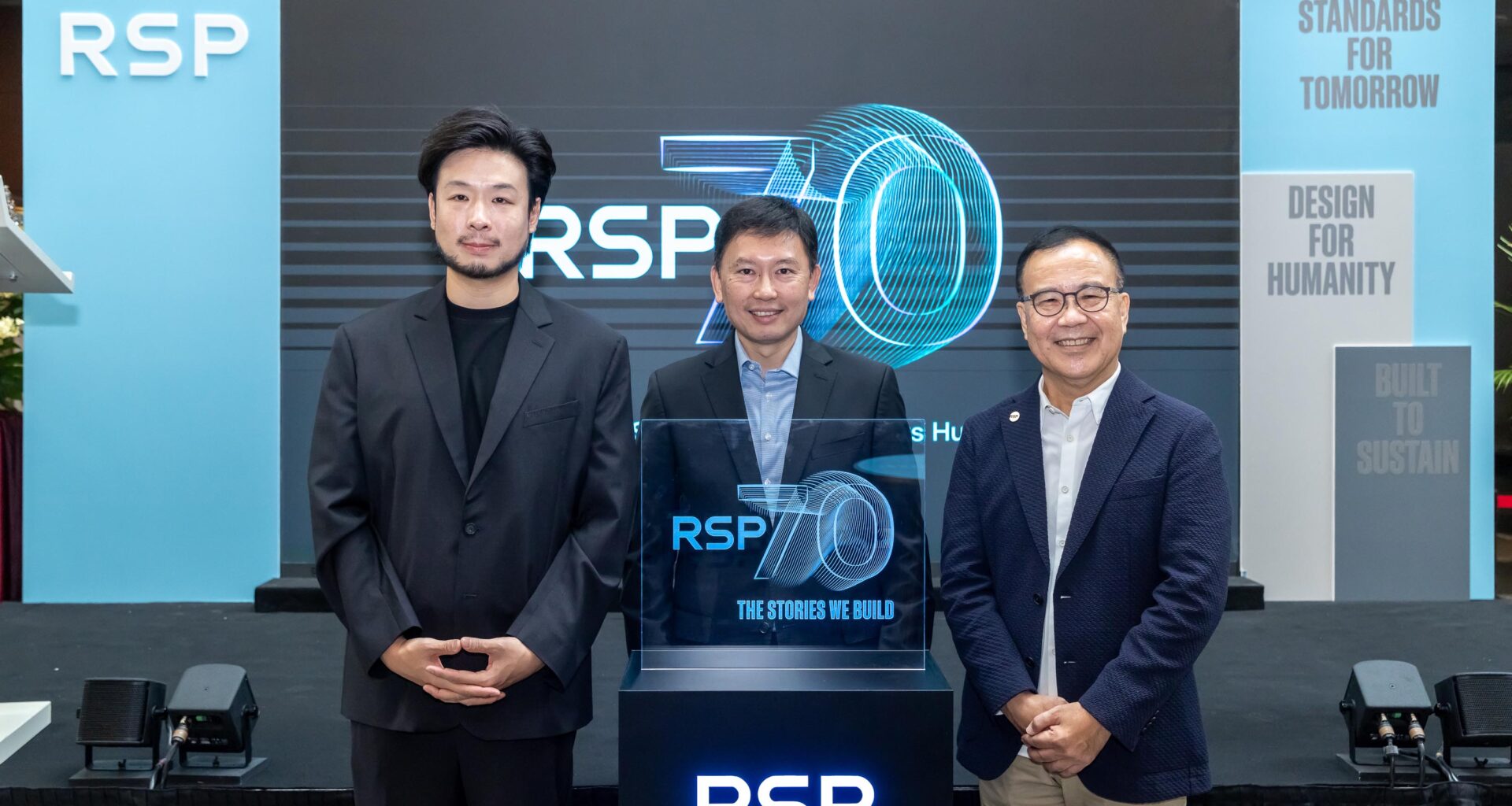

From the indoor waterfall at Jewel Changi Airport to the sky gardens of The Pinnacle@Duxton and the distinctive curves of Henderson Waves, many of Singapore’s most recognisable spaces have a common thread. They are among the landmark projects shaped by homegrown architectural and engineering consultancy RSP Architects Planners & Engineers (RSP), which celebrates its 70th anniversary this year.
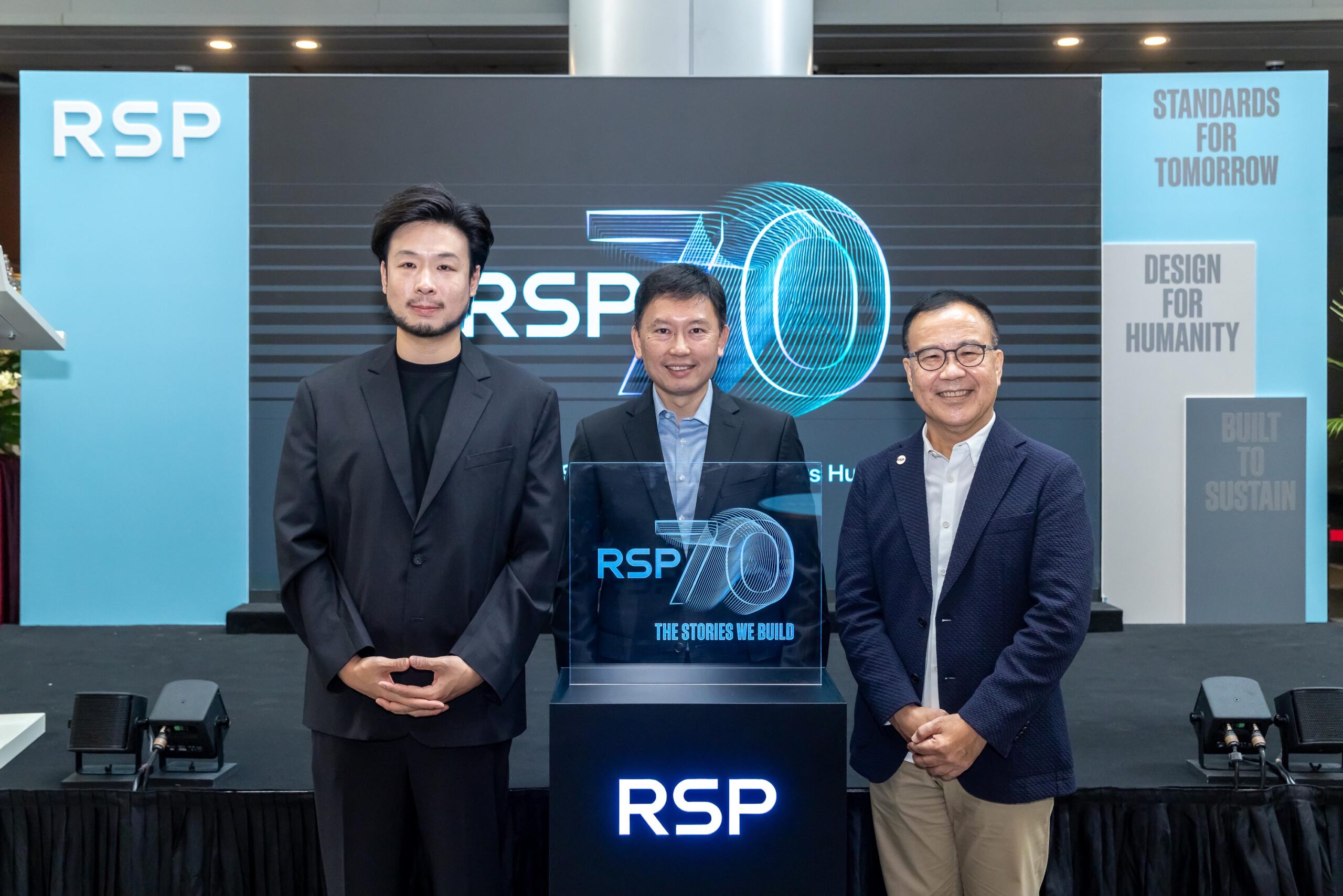
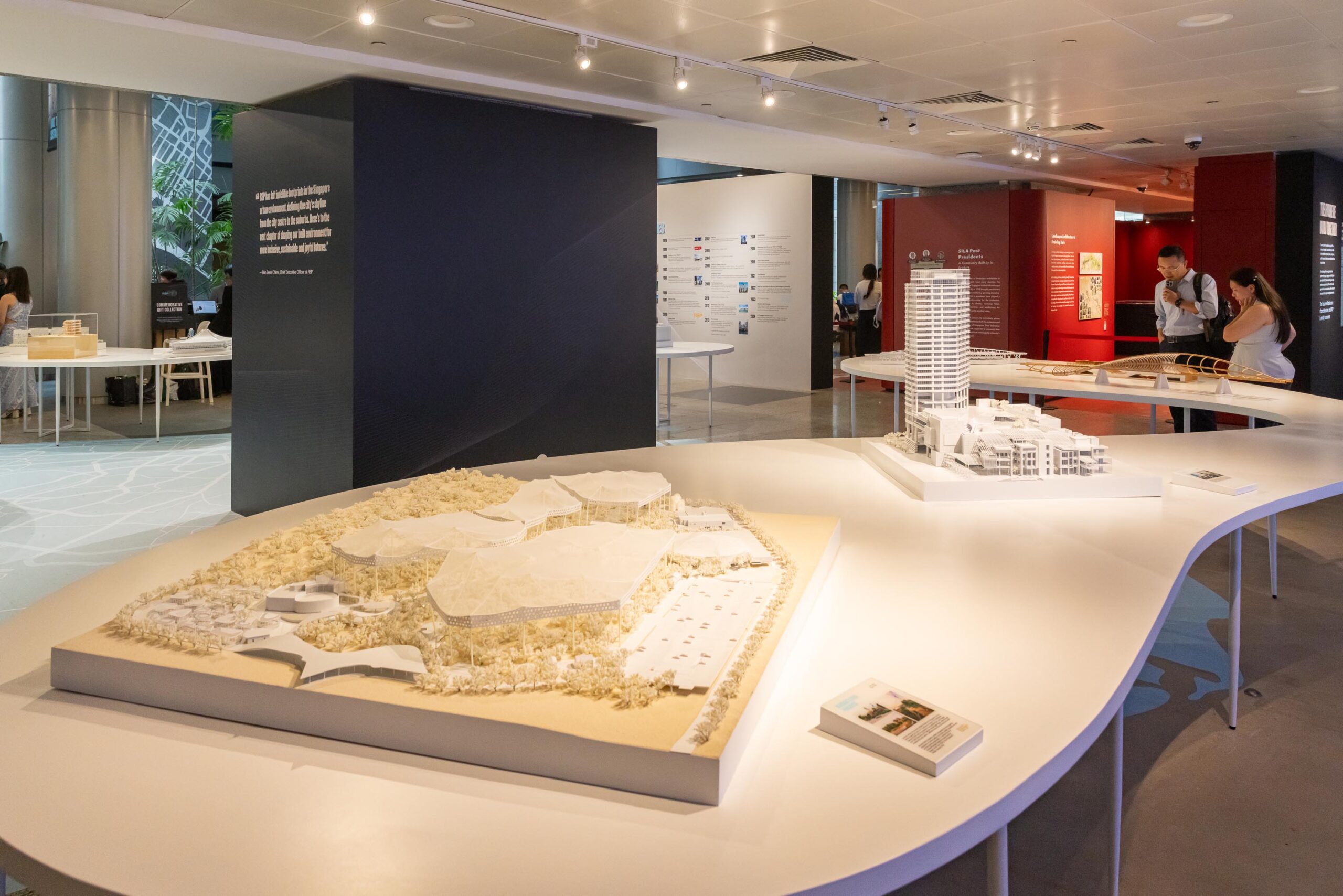
The milestone was commemorated at the URA Centre with the opening of the exhibition 70 Years of RSP: Where Design Meets Humanity, officiated by Guest-of-Honour Mr Chee Hong Tat, Minister for National Development. Running until 26 October 2026, the free exhibition traces RSP’s seven-decade journey through seven curated zones, including a central display of 15 architectural models highlighting the evolution of Singapore’s skyline. Public tours are also available for booking, while the accompanying commemorative book, RSP 70: The Stories We Build, can be read online.
Founded in 1956, RSP has grown alongside Singapore’s transformation from a developing city into a global urban centre. Its 70-year history is closely linked to the country’s built environment, with projects spanning housing, education, transport, commercial developments, public spaces and major cultural landmarks.
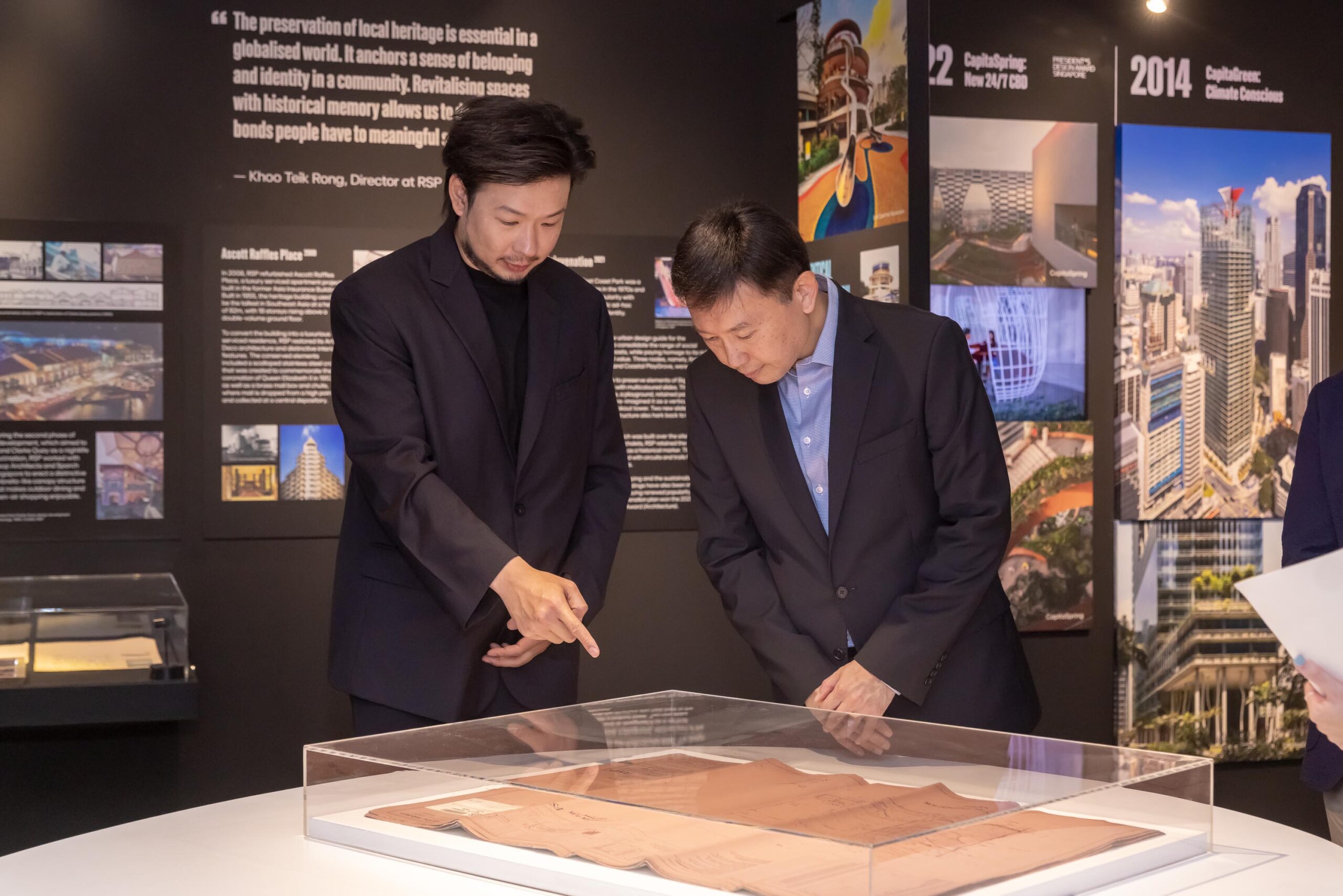
As part of efforts to preserve Singapore’s architectural heritage, RSP is also donating historical drawings, archival photographs and restoration reports to the Singapore Architecture Collection (SAC). Officially launched in 2023, the collection is jointly managed by the National Library Board, Urban Redevelopment Authority and National Heritage Board to document and preserve Singapore’s modern and contemporary architectural legacy.
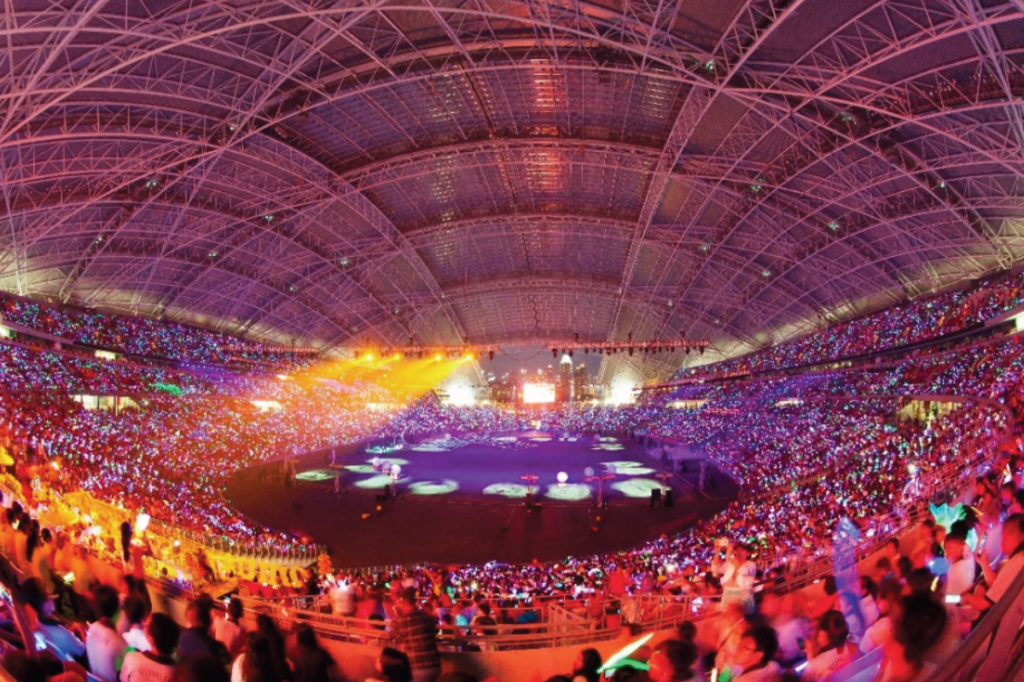
The donated materials include records from projects such as Clarke Quay, Henderson Waves, the Singapore Indoor Stadium, which was designed with the late Pritzker Prize winning architect Kenzo Tange, and Lian Shan Shuang Lin Monastery. The collection will provide valuable resources for future research, education and public appreciation of Singapore’s architectural history.
RSP’s development was also influenced by figures who played significant roles in Singapore’s urban transformation. The late Dr Albert Hong became the firm’s first local partner and later served as Chairman for decades, establishing many of the principles that shaped the practice. The late Dr Liu Thai Ker, widely regarded as a pioneer master planner of Singapore, brought his experience from the Urban Redevelopment Authority and Housing and Development Board to RSP, helping reinforce its focus on thoughtful and human-centric design.
That philosophy can be seen across projects that have become part of everyday life in Singapore.
At Mandai Bird Paradise, completed in 2023, RSP worked with Mandai Wildlife Group to create eight immersive walkthrough aviaries designed around the needs of both visitors and the park’s 3,500 feathered residents across 400 species. The 17-hectare attraction is Asia’s largest bird park and allows visitors to experience naturalistic habitats with minimal visual barriers.
At Jewel Changi Airport, RSP served as Executive Architect and Structural Engineer alongside Safdie Architects. The project brought together architecture, engineering and nature beneath a 200-metre glass roof, with the Rain Vortex becoming the world’s tallest indoor waterfall. The development has since become one of Singapore’s most recognisable landmarks and a destination for both travellers and local visitors.
The Pinnacle@Duxton, completed in 2010 in collaboration with ARC Studio Architecture + Urbanism, introduced a new approach to high-density public housing. The development features seven 50-storey towers connected by two 500-metre sky parks and houses 1,848 households. Its approach to combining density, communal spaces and greenery has made it a reference point for urban planners internationally.
Henderson Waves, completed in 2008, similarly demonstrates how infrastructure can become part of the public experience. Singapore’s highest pedestrian bridge features an undulating structure and hand-cut regional Yellow Balau timber decking, creating a distinctive pedestrian link above the surrounding greenery.
RSP’s more recent projects continue to place community and sustainability at the centre of design. SIT Punggol Campus Court, completed in 2024, is Singapore’s first Super Low Energy university hub. Facing Coney Island, the campus uses open courtyards and green terraces in place of conventional enclosed corridors, creating spaces where students, researchers and residents can interact.
LASALLE College of the Arts, completed in 2008, takes a similarly open approach. Its Bugis campus comprises six organically shaped buildings connected by open-air alleyways, with a faceted glass façade and network of sky bridges creating an environment where students, artists and members of the public can move through shared spaces.
At Westgate, completed in 2014, RSP helped establish the development as an urban anchor for the Jurong Lake District. The project features The Courtyard, a naturally ventilated, garden-style dining street, as well as Singapore’s largest free-access outdoor thematic rooftop playground. Its passive cooling measures reduce energy consumption by approximately 30 percent compared with conventional developments.
RSP’s work has also expanded well beyond Singapore. The firm now operates 12 offices across six countries, supported by nearly 1,000 architects, engineers, planners and technical specialists. In China, where RSP has operated for 22 years, it has completed more than 500 projects across over 40 cities. Its Middle East operations, which have been active for 17 years, include cultural, residential and hospitality developments such as the BAPS Hindu Mandir and Nobu Hotel & Branded Residences in Abu Dhabi.
Sustainability and technology remain key areas of focus as the firm enters its next chapter. RSP actively promotes Super Low Energy standards or higher for new industrial, commercial and institutional projects in Singapore. One example is Wee Cho Yaw Plaza, formerly known as Gaia, the mass-engineered timber business school at Nanyang Technological University.
As a founding partner of the Singapore Green Construction Alliance, RSP continues to advocate sustainable construction practices. The firm has also been appointed lead multidisciplinary consultant for the new low-carbon UWC South East Asia Dover Campus at Tengah, which will adopt the collaborative NEC4 contracting framework.
Digital transformation is another area of development. RSP has entered into a three-year Enterprise Business Agreement with Autodesk to develop customised artificial intelligence tools for BCA’s CORENET X platform, supporting the ongoing digitalisation of Singapore’s built environment sector.
Over seven decades, RSP’s work has received recognition through the President’s Design Award, including honours for projects such as Mandai Bird Paradise and LASALLE College of the Arts, as well as Singapore Institute of Architects Awards. Internationally, The Interlace, developed in collaboration with OMA, was named World Building of the Year in 2015.
Today, RSP has delivered more than 2,500 projects across residential, civic, commercial and industrial sectors, as well as city-scale masterplans. Headquartered in Singapore, the firm has built a global practice spanning six countries and 12 strategic studios, with group revenue reaching the S$100 million mark.