
![[Review] Onggii Opens 3rd Outlet at Square 2, Brings Korean Comfort Food like Gomtang and Galbi Jjim to Novena - Alvinology](https://alvinology.com/wp-content/uploads/2026/10/WhatsApp-Image-2026-10-28-at-1.51.05-AM-110x110.jpeg "[Review] Onggii Opens 3rd Outlet at Square 2, Brings Korean Comfort Food like Gomtang and Galbi Jjim to Novena")

![[Review] Osteria Mozza's New Home at ION Orchard Brings a Different Take on Pizza, Pasta and Italian Comfort Food - Alvinology](https://alvinology.com/wp-content/uploads/2026/10/osteria-mozza-11-110x110.jpg "[Review] Osteria Mozza's New Home at ION Orchard Brings a Different Take on Pizza, Pasta and Italian Comfort Food")
![[Review] HONOR X9e Pro Lands in Singapore with an 11,000mAh Battery That Doubles as a Power Bank - Alvinology](https://alvinology.com/wp-content/uploads/2026/10/honor-9xe-purple-06-110x110.jpg "[Review] HONOR X9e Pro Lands in Singapore with an 11,000mAh Battery That Doubles as a Power Bank")

A child’s earliest introduction to schooling can shape far more than academic progress. It can also influence how they respond to learning experiences later in life. During their preschool years, children begin forming the habits and attitudes that affect how they engage with learning. For this reason, many educational institutions develop programmes designed to build children’s confidence, curiosity, and readiness during their early school years.
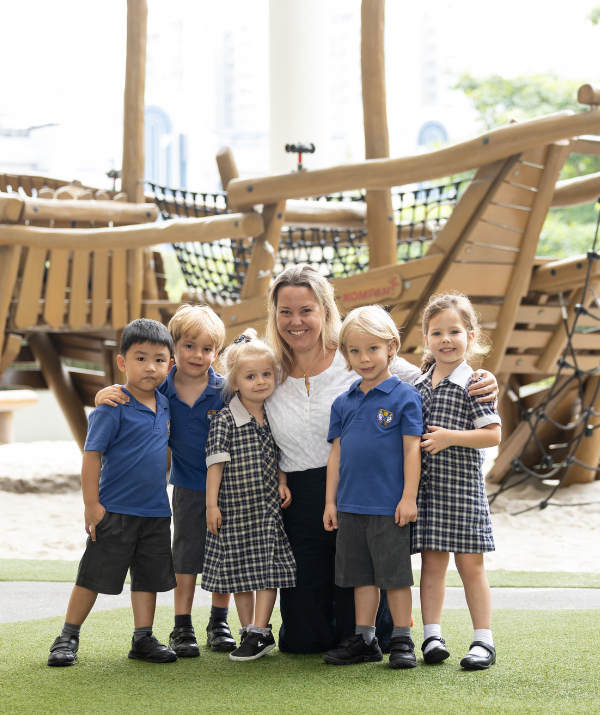
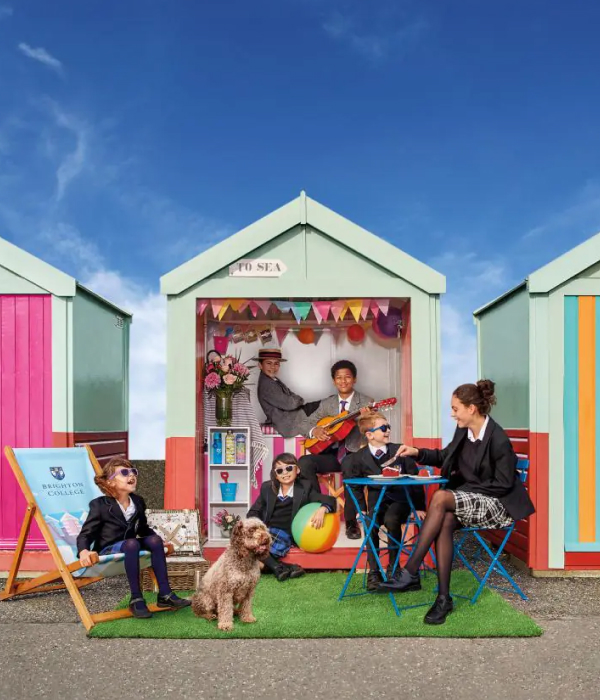
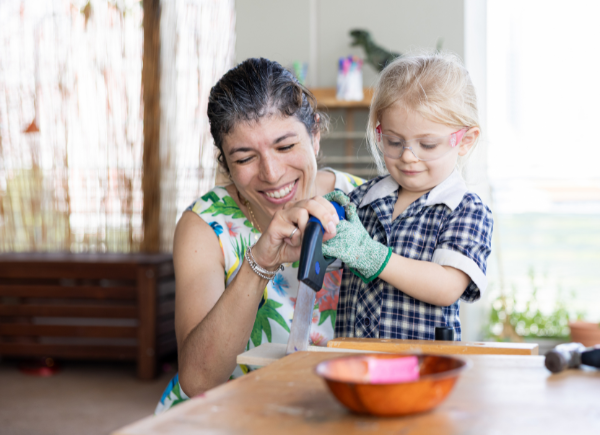
A reputable international preschool in Singapore, for instance, often focuses on providing a holistic learning experience. It creates a supportive and engaging setting where young learners can feel safe, participate actively, and learn at a steady pace. This article explores how that kind of preschool experience can prepare children for more confident and capable learning.
Supports Well-Rounded Development with a Balanced Preschool Curriculum
Different areas of development often progress together during the preschool years. Language skills, social behaviour, physical coordination, and early problem-solving abilities can all improve through regular classroom experiences. An international preschool organises its programmes to support learning across multiple areas of development. Through a well-rounded curriculum, children can build essential skills in a setting that feels structured but not overly rigid.
To create this balance, an international preschool often includes a combination of age-appropriate lessons, creative activities, physical movement, and opportunities for interaction with others. This variety allows children to experience different ways of learning while gradually becoming more familiar with classroom expectations and routines. Steady exposure to these experiences may help young learners become more confident, adaptable, and prepared for future stages of education. As a result, early learning becomes a more complete experience that supports both classroom readiness and personal development.
Makes Learning More Enjoyable through Play-Based Activities
Young learners often respond more positively to lessons when learning feels active and engaging. At this age, children usually understand new ideas better when they can see, touch, move, and take part in what’s being taught. In this regard, an international preschool incorporates play into daily activities instead of relying heavily on formal instruction. This ensures children can connect lessons with familiar, enjoyable experiences.
Simple activities like storytelling and role-playing help children stay interested while introducing them to new ideas in a more manageable way. This allows young learners to build understanding gradually rather than feeling pressured to memorise information immediately. Play-based activities also give children opportunities to explore, ask questions, and interact with others during the learning process in a less intimidating environment. This approach may help children become more comfortable in the classroom, which encourages curiosity and a more positive attitude towards learning from an early age.
Allows More Personalised Support in Smaller Class Settings
Classroom experiences can vary greatly depending on how much attention children receive from their teachers. In an international preschool, a smaller class setting is preferred, as it allows teachers to provide their students with more targeted support. With fewer children to attend to, educators have more opportunities to observe how each child responds to lessons, activities, and social situations throughout the day. It also allows them to recognise individual strengths, as well as areas where additional guidance may be needed, helping different learners progress at a pace that feels manageable for them.
Smaller class settings can also create a more comfortable learning environment. A quieter and less crowded classroom may feel less overwhelming for children who are still becoming familiar with structured schedules, group activities, and time away from home. This calmer atmosphere can reduce early hesitation, encouraging children to take part in classroom activities more willingly as they settle into new learning environments.
Develops Social Awareness in a Diverse Classroom Environment
Daily interaction with other children plays an important role during the preschool years. Regular social experiences can help young learners become aware of how people communicate, behave, and respond in different situations, giving them a clearer sense of how to relate to others.
An international school in Singapore might support this development by providing young learners with a diverse classroom environment, reflecting the country’s multicultural society. Sharing a class with children from different backgrounds enables students to collaborate with individuals with different opinions, behaviours, and ways of expressing ideas. This exposure can show young learners how their actions affect the people around them while improving their ability to work alongside others. Over time, these daily interactions can make children more socially aware of others’ perspectives, which can guide how they participate in larger, more diverse learning environments in the future.
Builds Confidence and Independence within Safe Learning Spaces
Preschool can often be one of the first environments where children spend long periods of time away from their parents. This separation may cause uncertainty, making it more challenging for students to adjust to new routines and expectations.
To help ease this transition, an international preschool creates learning spaces where children are emotionally supported throughout the school day. A classroom environment that offers patient guidance, consistent reassurance, and calm teacher responses can make children feel more secure as they adjust to classroom life. With a stronger sense of security, young learners are empowered to participate more confidently in everyday classroom activities. This allows them to handle situations more independently, which may give them greater readiness and self-assurance in future learning environments.
Childhood learning experiences can leave a lasting influence that extends well beyond the preschool years. Therefore, a positive start in the classroom can shape how children approach learning, relationships, and unfamiliar situations throughout their academic journey. An international school in Singapore provides the perfect environment for this early development. Through thoughtful guidance and meaningful daily experiences, strong academic foundations are built in a steady and age-appropriate way, making the early learning stage more purposeful for children.