

![[Review] Osteria Mozza's New Home at ION Orchard Brings a Different Take on Pizza, Pasta and Italian Comfort Food - Alvinology](https://alvinology.com/wp-content/uploads/2026/10/osteria-mozza-11-110x110.jpg "[Review] Osteria Mozza's New Home at ION Orchard Brings a Different Take on Pizza, Pasta and Italian Comfort Food")
![[Review] HONOR X9e Pro Lands in Singapore with an 11,000mAh Battery That Doubles as a Power Bank - Alvinology](https://alvinology.com/wp-content/uploads/2026/10/honor-9xe-purple-06-110x110.jpg "[Review] HONOR X9e Pro Lands in Singapore with an 11,000mAh Battery That Doubles as a Power Bank")

Clear vision shapes how people navigate daily work and personal routines. Proper care habits protect optical nerves and keep sensitive lenses functioning smoothly.
Constant demands from electronic displays and bright light test visual stamina. Simple lifestyle adjustments keep eyes comfortable and reduce unwanted strain throughout the day.

Vision Correction Options and Modern Solutions
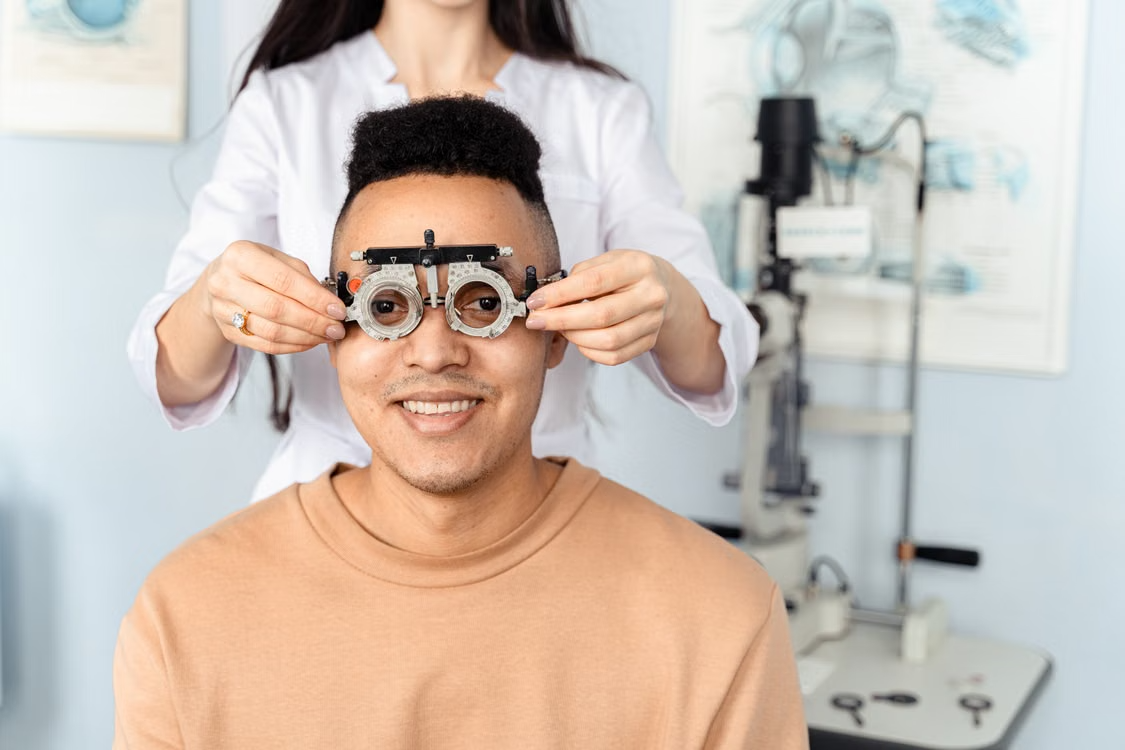
Optical prescriptions need regular updates to keep text sharp across daily tasks. Adults seeking freedom from standard glasses often choose LASIK eye surgery to achieve crisp focus without relying on daily wear. Consulting a specialist helps determine whether your corneas fit specific safety criteria.
Contact lenses require careful cleaning routines to avoid harmful bacterial growth on sensitive tissue. Rinsing storage cases with fresh solution keeps lenses safe for daily use.
Wearing old lenses past recommended discard dates reduces oxygen flow to the cornea. Taking contacts out before sleeping lets corneal tissues recover fully overnight.
Proper lens hygiene prevents minor irritations from turning into serious corneal issues. Storing contact supplies in clean cases protects your eyes from unexpected infections.
Selecting proper frames or corrective options supports active schedules. Routine optical reviews confirm whether existing lens strengths match your vision needs.
Managing Screen Time and Digital Strain
Looking at computer monitors for extended periods causes physical fatigue and eye dryness. Staring at bright pixels lowers natural blinking rates, which leaves surface membranes unprotected.
One eye care post suggests following a 20-20-20 rule by looking at objects 20 feet away every 20 minutes for 20 seconds. This action relaxes focal muscles inside the eye after heavy concentration.
Adjusting monitor brightness to match room lighting prevents harsh glare. Keeping display screens 20 inches from your face promotes relaxed posture and comfortable viewing angles.
Setting up ergonomic workstations lowers neck tension and reduces eye fatigue. Soft ambient lighting prevents harsh contrast between glowing screens and surrounding space.
Taking short breaks gives your mind and eyes time to reset. Simple habits like blinking regularly maintain surface moisture throughout long office hours.
Shielding Eyes From Direct Sunlight
Sunlight carries invisible ultraviolet radiation that damages eye tissues through extended exposure. Wide hats provide physical shade against direct overhead light during sunny afternoons.
An eye care article notes that wearing sunglasses offering 100% UV protection shields visual organs from dangerous rays and minimizes harsh glare. High-quality lenses block bright reflections during peak outdoor hours.
Water, snow, and light pavement reflect extra rays directly back into your eyes. Choosing proper frames provides reliable coverage across different environments:
- Dark tinted lenses to cut down bright outdoor light
- Wrap-around frames to block peripheral light rays
- Polarized lenses to reduce reflections off water surfaces
Wearing UV-protective lenses prevents cumulative solar damage across years of exposure. Protective eyewear shields sensitive eyelids and delicate skin around your eyes.
Selecting sturdy frames guarantees reliable protection during outdoor sports. Quality lenses preserve visual clarity across changing weather conditions.
Physical Exercise and Cardiovascular Health
Physical activity supports body wellness and keeps micro blood vessels operating efficiently. Active movement delivers steady oxygen supplies to fragile optic nerves.
Medical reports point out that cardiovascular exercise increases blood flow to the eyes, which promotes long-term eye health. Running, brisk walking, or cycling 3 times a week offers strong visual support.
Keeping blood pressure within normal ranges protects retinal blood vessels from structural damage. Consistent aerobic workouts benefit both heart strength and visual clarity over the years.
Routine physical movement lowers stress levels and boosts general energy. Healthy circulation delivers key nutrients to every part of the visual system.
Maintaining active habits supports long-term eye function. Daily exercise routines build physical stamina and keep fragile eye tissues healthy.
Quality Sleep and Nightly Recovery
Resting overnight allows your visual system to clear away daily dust and rebuild natural moisture. Insufficient sleep leaves eyes feeling irritated, dry, and strained the next morning.
A healthcare publication recommends aiming for 7-9 hours of sleep each night for optimal eye and general body health. Sufficient rest helps produce stable tear films that protect delicate corneal cells.
Turning off smartphones 30 minutes before sleep limits bright light exposure. Dark room environments promote deeper rest and allow eye tissues to repair naturally.
Consistent sleep schedules support immune strength and natural eye hydration. Waking up rested allows your eyes to perform comfortably through busy days.
Creating quiet bedtime routines encourages relaxing rest periods. Good sleep habits reduce morning eye puffiness and lower general fatigue.
Workplace and Sports Eye Protection
Flying particles, household chemicals, and fast sports equipment represent constant hazards to vision. A direct hit can cause painful corneal scratches or permanent internal damage.
An educational resource highlights that wearing suitable eye protection during risky activities can help prevent injuries. Polycarbonate safety glasses resist sharp impacts during home maintenance projects.
Standard prescription glasses lack structural strength to withstand heavy object collisions. Matching protective gear to specific tasks reduces risk factors across various settings:
- High-impact safety goggles for power tool tasks
- Fitted protective eyewear for high-speed court games
- Sealed swim goggles to keep out pool chemicals
Storing safety gear near work areas encourages consistent protective habits. Cleaning protective masks after use maintains clear vision through demanding tasks.
Replacing cracked or scratched safety lenses guarantees proper protection. Reliable eyewear shields your eyes from flying debris and harmful liquid splashes.
Outdoor Exposure and Focal Relief
Modern work environments keep human eyes locked on near objects like phones, books, and tablets. Continuous close focus causes interior lens muscles to tire quickly during long workdays.
An optometry report states that natural light and distance viewing help reduce strain on the eyes, promoting healthier vision development. Stepping outside prompts eyes to shift focus toward distant landmarks.
Natural sunlight aids proper optical growth in younger age groups. Daily walks outdoors give eyes a break from constant near work and improve visual comfort.
Spending time in open parks expands visual fields and relaxes focal tension. Looking across wide horizons lets internal eye muscles rest after detailed desktop assignments.
Outdoor recreation provides fresh air and encourages healthy visual habits. Regular outdoor breaks balance heavy reading schedules with natural distance viewing.
Taking consistent care of your eyes preserves personal independence and everyday quality of life. Conscious daily choices like wearing protective sunglasses, getting full sleep, and scheduling exams safeguard your visual health.
Simple actions built into daily routines yield lasting protective benefits for visual clarity. Start implementing these practical habits today to support strong sight for years ahead.